How to Say "attire" in Spanish
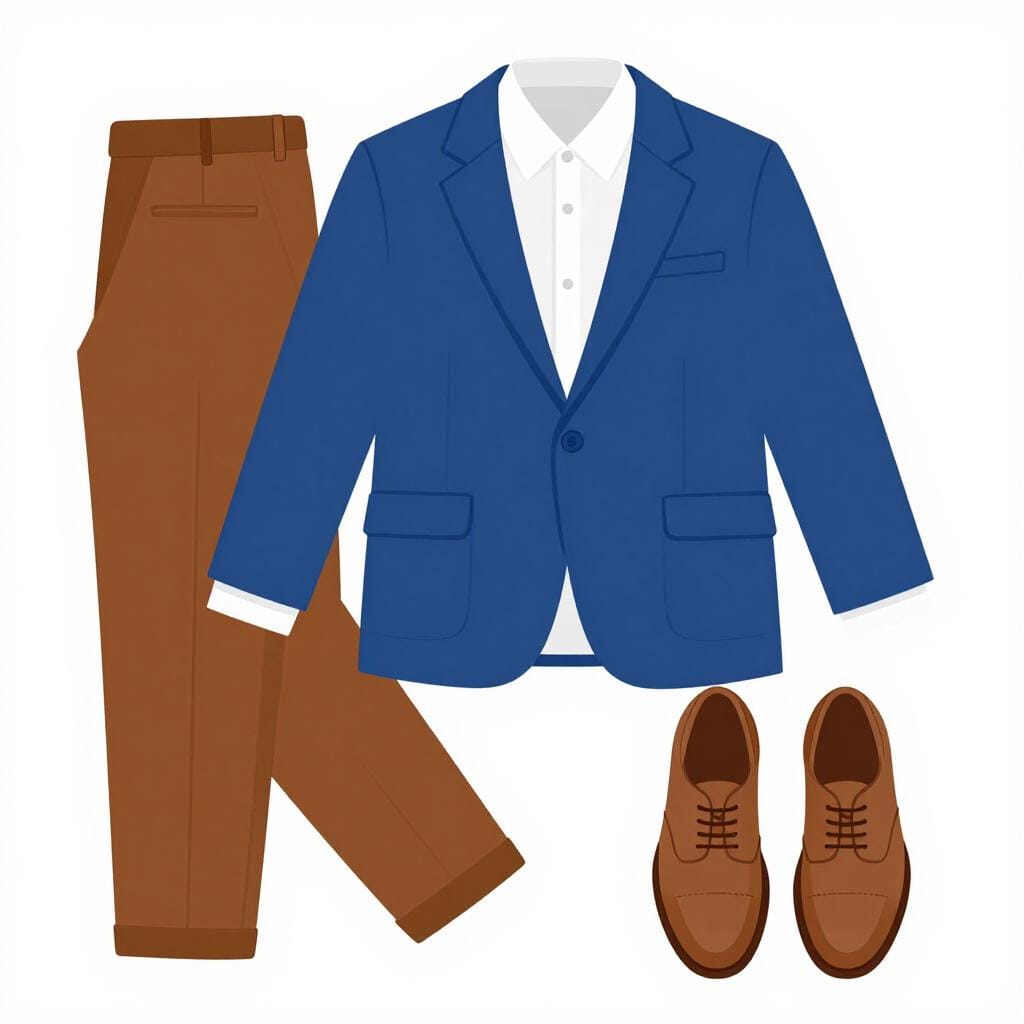
The most common Spanish word for “attire” is “atuendo” — use 'atuendo' when referring to a complete outfit, especially one that is stylish, formal, or described in detail.
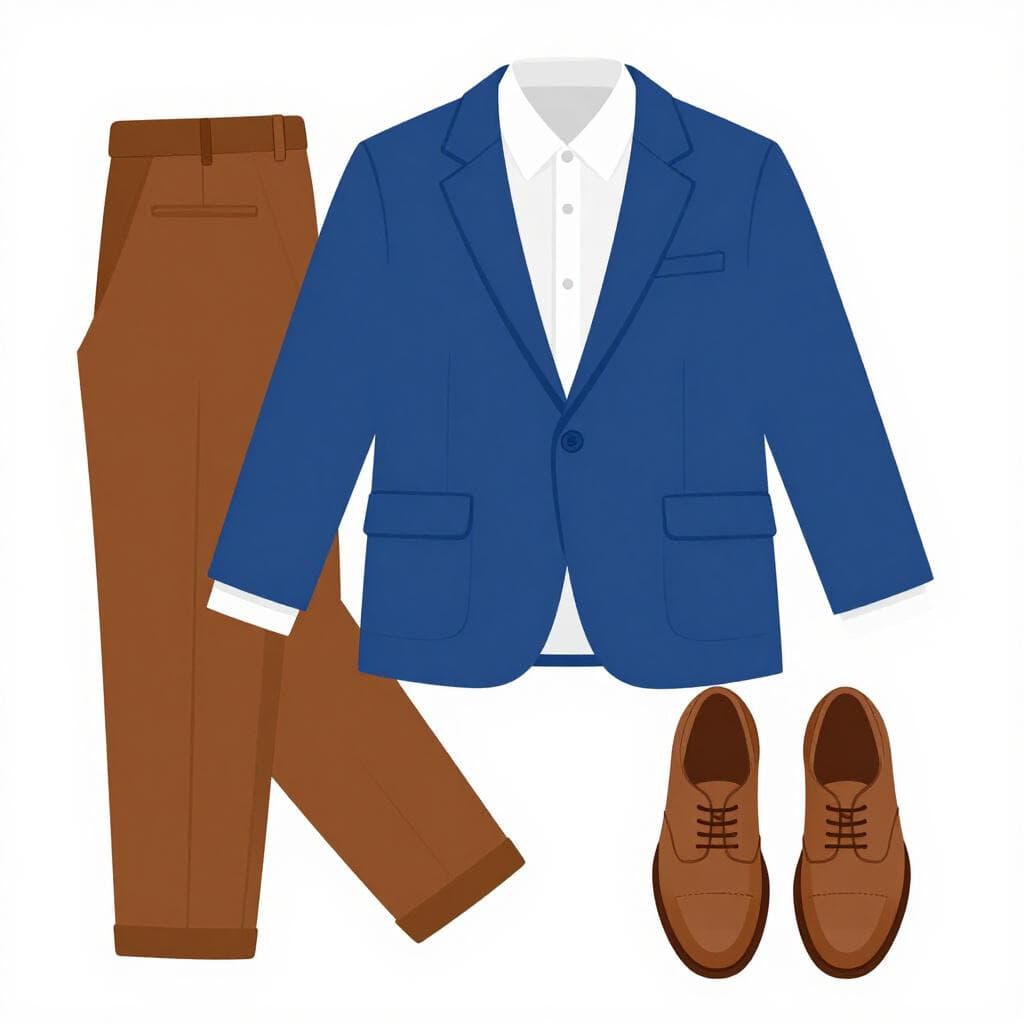


atuendo
ah-TWEHN-dohaˈtwendo
Examples
Su atuendo para la boda era elegante y sofisticado.
Her attire for the wedding was elegant and sophisticated.
El atuendo tradicional de esta región incluye faldas coloridas.
The traditional outfit of this region includes colorful skirts.
Los caballeros vestían un atuendo de gala para la ceremonia.
The gentlemen wore formal gala attire for the ceremony.
It's a 'Package Deal'
Unlike 'ropa' (clothes), which can be general, 'atuendo' usually refers to the entire look or a specific complete set of clothing chosen for a purpose.
Always Masculine
Even if a woman is wearing the clothes, the word is always 'el atuendo'. The gender of the noun doesn't change based on who is wearing the outfit.
Overusing it in Casual Settings
Mistake: “Using 'atuendo' to talk about your pajamas or gym clothes with friends.”
Correction: Use 'ropa' for everyday talk. Say 'Me gusta tu ropa' instead of 'Me gusta tu atuendo' unless you want to sound like a fashion critic.
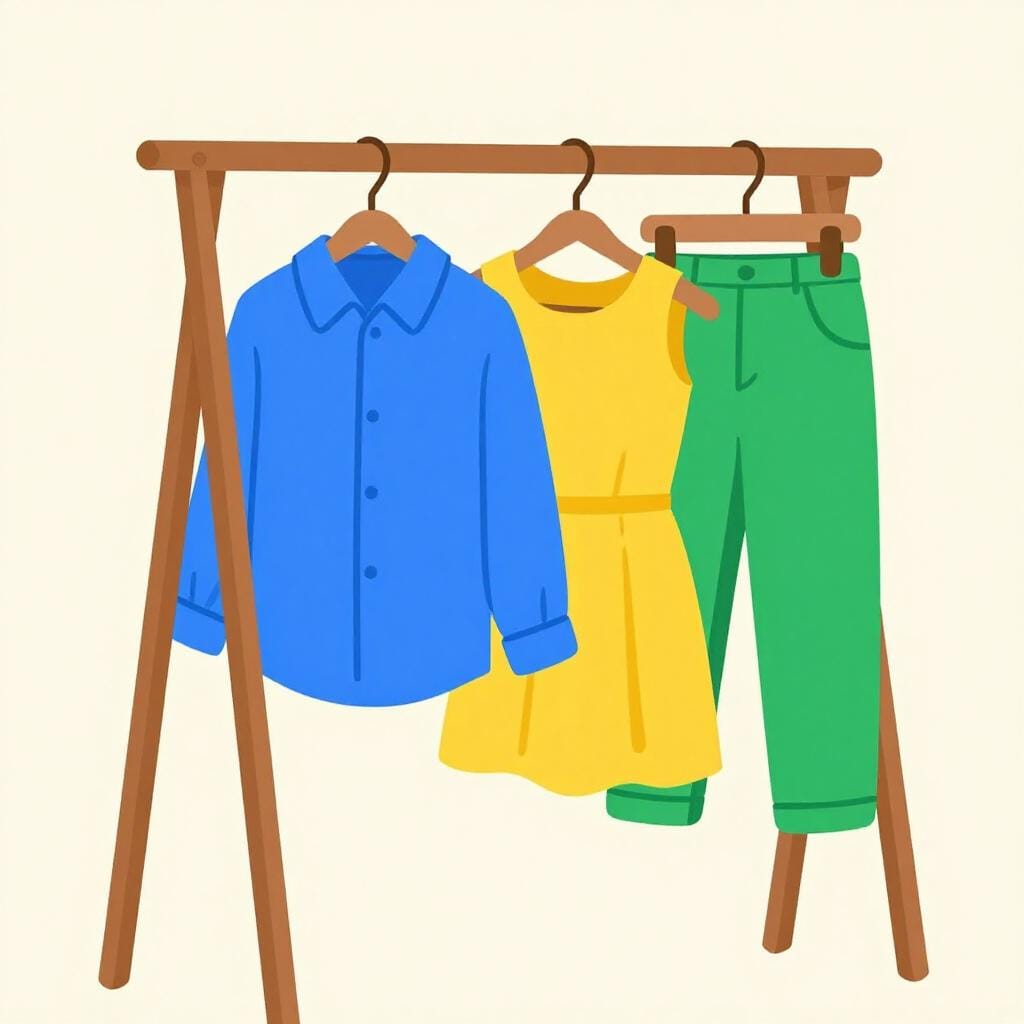
vestimenta
bes-tee-MEN-tahbestiˈmenta
Examples
La vestimenta tradicional de este pueblo es muy colorida.
The traditional clothing of this town is very colorful.
El código de vestimenta para la fiesta es formal.
The dress code (attire code) for the party is formal.
Debemos elegir la vestimenta adecuada para el clima frío.
We must choose the appropriate clothing for the cold weather.
A 'Group Word'
Even though you might be talking about many pieces of clothing (shirt, pants, hat), the word 'vestimenta' is usually kept in the singular form to describe the whole set.
Gender Agreement
Since it ends in '-a' and is feminine, any describing words (adjectives) must also end in 'a'. For example: 'vestimenta rojA' (red clothing).
The 'Dress' Confusion
Mistake: “Using 'vestimenta' when you want to say 'a dress'.”
Correction: Use 'vestido' for a single piece of clothing (a dress) and 'vestimenta' for the general concept of clothing or an outfit.
Too much plural
Mistake: “Saying 'las vestimentas' for your own clothes.”
Correction: Use the singular 'la vestimenta' or just use 'la ropa' for daily life. 'Vestimentas' in plural is mostly reserved for comparing different types of clothing from different cultures or eras.
trapo
TRAH-pohˈtɾapo

Examples
Le encanta gastarse el sueldo en trapos.
She loves spending her salary on clothes.
No tengo ningún trapo que ponerme para la fiesta.
I don't have a single thing to wear to the party.
Ese trapo que llevas es muy moderno.
That piece of clothing you're wearing is very trendy.
Plural for Variety
When referring to clothes in general, we almost always use the plural form 'trapos'.
vestido
bes-TEE-dohbesˈti.ðo
Examples
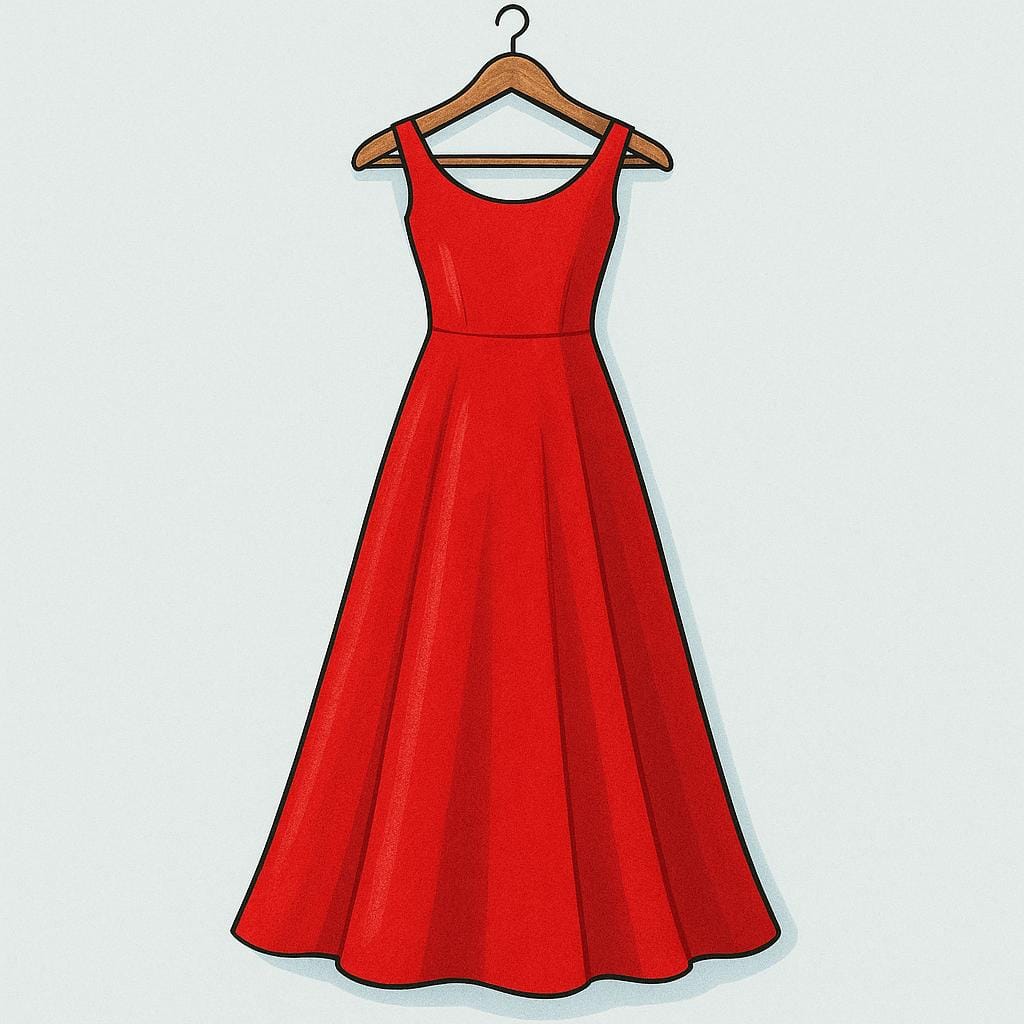
Ella compró un vestido rojo para la fiesta.
She bought a red dress for the party.
El vestido de novia era espectacular.
The wedding dress was spectacular.
Prefiero los vestidos de verano porque son más cómodos.
I prefer summer dresses because they are more comfortable.
It's Masculine!
Even though a 'dress' is an item typically worn by women, the Spanish word for it, 'vestido', is masculine. Always remember to say 'el vestido' (the dress) or 'un vestido' (a dress).
Gender Mix-up
Mistake: “Me gusta mucho la vestido que llevas.”
Correction: Me gusta mucho el vestido que llevas. Because 'vestido' is a masculine noun, you need to use the masculine article 'el'.
ropas
ROH-pahsˈro.pas

Examples
Necesito lavar mis ropas sucias antes de viajar.
I need to wash my dirty clothes before traveling.
Las ropas de invierno están guardadas en el armario superior.
The winter clothes are stored in the top closet.
La tienda vendía ropas finas y accesorios de lujo.
The store sold fine garments and luxury accessories.
Feminine Plural
Even though 'ropas' means 'clothes' (which can be masculine in English), the word is feminine plural in Spanish. Always use feminine articles and adjectives: 'las ropas bonitas'.
Singular vs. Plural
Mistake: “Using 'ropa' when you mean individual items, especially in older contexts or formal writing.”
Correction: While 'ropa' is a general collective word for 'clothing,' 'ropas' specifically refers to multiple separate pieces (shirts, pants, etc.). Both are correct, but 'ropa' is more common for the general concept.
Choosing Between 'Atuendo' and 'Vestimenta'
Learn Spanish with Inklingo
Interactive stories, personalized learning, and more.