atuendo
“atuendo” means “attire” in Spanish (formal or descriptive way to talk about a full set of clothes).
attire
Also: outfit, garb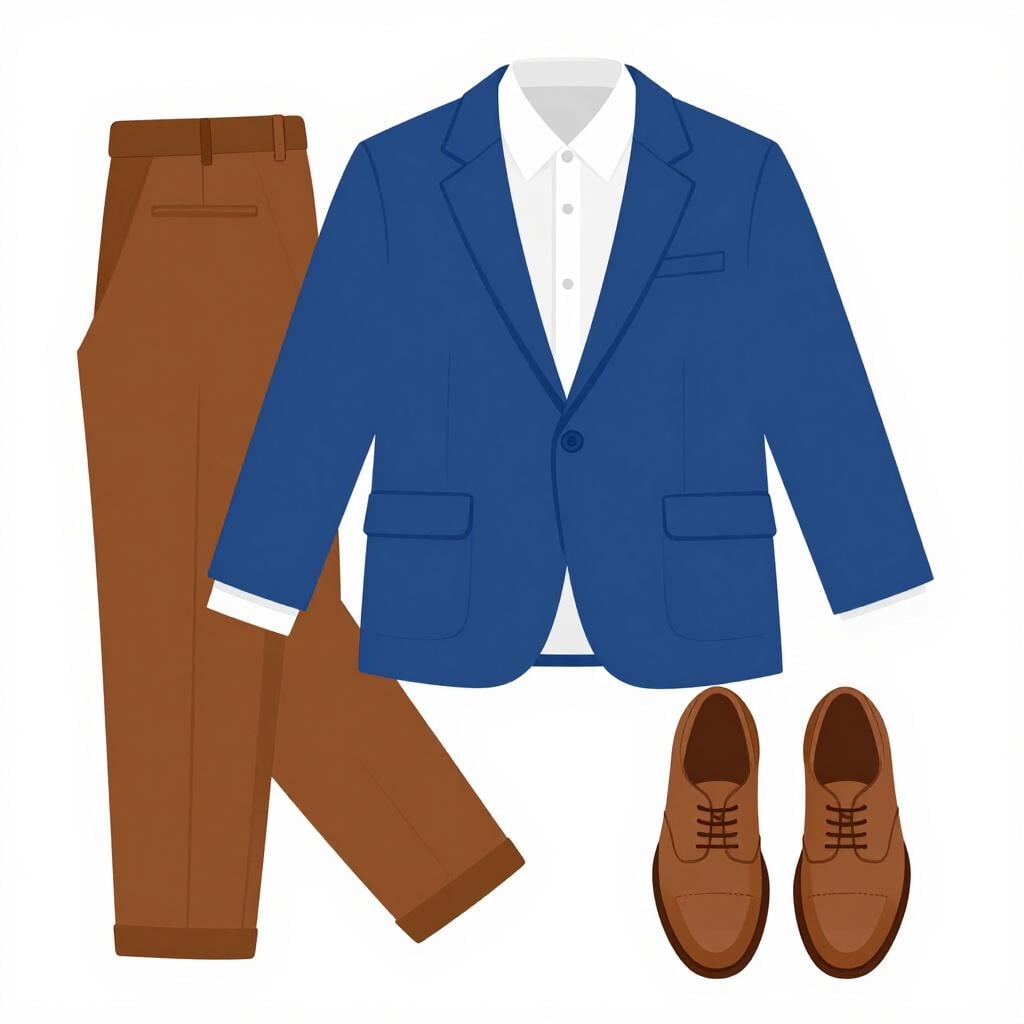
📝 In Action
Su atuendo para la boda era elegante y sofisticado.
A2Her attire for the wedding was elegant and sophisticated.
El atuendo tradicional de esta región incluye faldas coloridas.
B1The traditional outfit of this region includes colorful skirts.
Los caballeros vestían un atuendo de gala para la ceremonia.
B2The gentlemen wore formal gala attire for the ceremony.
✏️ Quick Practice
Quick Quiz: atuendo
Question 1 of 3
Which of these would most likely be described as an 'atuendo'?
📚 More Resources
👥 Word Family▼
📚 Etymology▼
Derived from the old Spanish verb 'atuendar' (to arrange or prepare), which likely comes from the concept of 'ataviar' (to adorn or dress someone up). It carries the sense of a deliberate arrangement of items.
First recorded: 15th Century
💡 Master Spanish
Take your Spanish to the next level. Read 200+ illustrated and narrated Spanish stories tailored to your level with the Inklingo app!
Frequently Asked Questions
What is the difference between 'ropa' and 'atuendo'?
'Ropa' is the general word for clothes. 'Atuendo' is more formal and refers to the whole outfit or a specific style of dress for an occasion.
Is 'atuendo' used for both men and women?
Yes, it is a masculine noun ('el atuendo') but it can describe the clothing worn by any person regardless of their gender.
Can I use 'atuendo' to refer to a single piece of clothing, like a hat?
Not really. It usually refers to the collection of items that make up a full look.