How to Say "clothing" in Spanish
The most common Spanish word for “clothing” is “ropa” — use 'ropa' for the general, everyday concept of clothes or garments that people wear, suitable for most common situations.
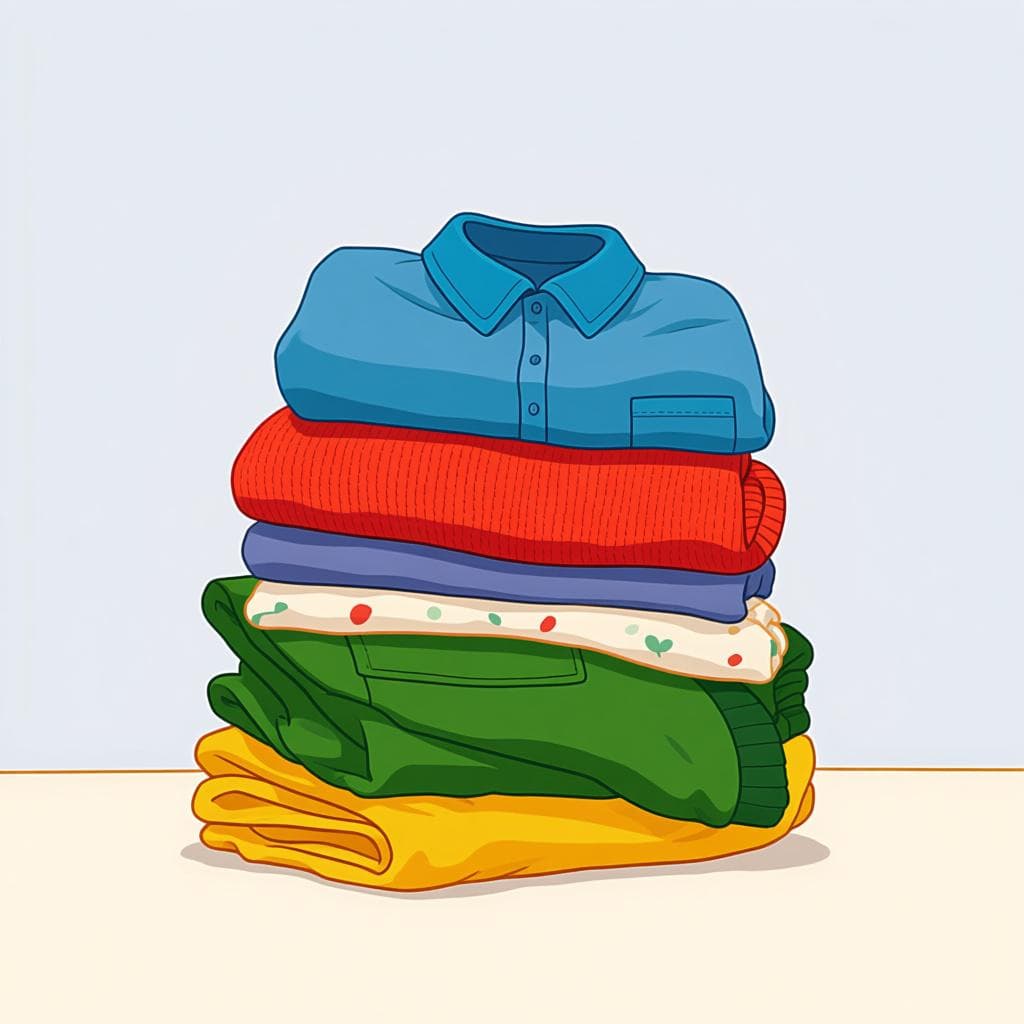
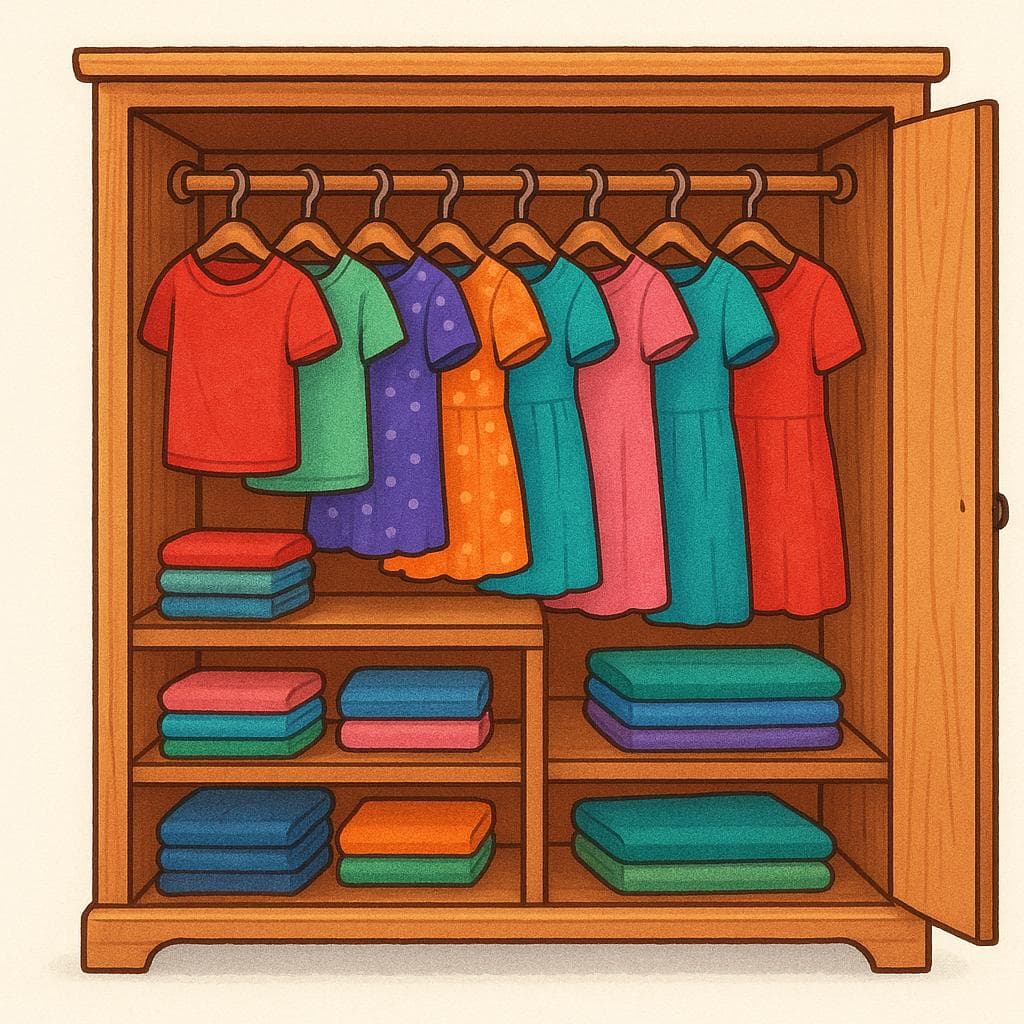
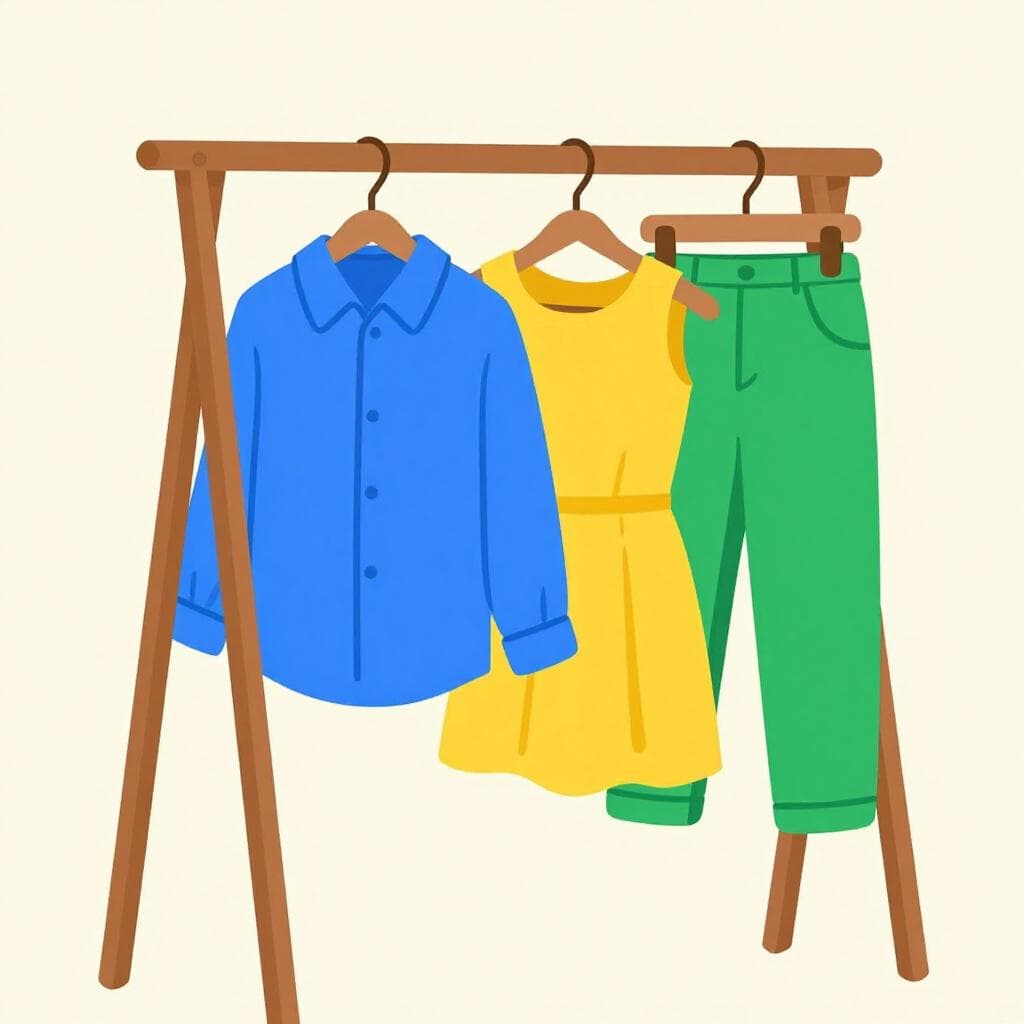
ropa
ROH-pah'ro.pa
Examples
Necesito comprar ropa nueva.
I need to buy new clothes.
Puse toda la ropa sucia en la lavadora.
I put all the dirty laundry in the washing machine.
Esta tienda vende ropa de hombre y de mujer.
This store sells men's and women's clothing.
Always Singular for 'Clothes'
In Spanish, 'ropa' is a special type of noun that means a group of things. Even when you're talking about many shirts, pants, and socks, you almost always use the singular form 'la ropa'. Think of it like 'furniture' or 'information' in English; you wouldn't say 'furnitures'.
Using 'Ropas' for 'Clothes'
Mistake: “Tengo muchas ropas nuevas.”
Correction: Tengo mucha ropa nueva. The plural 'ropas' is very rare and only used to talk about different *types* of clothing collections (like 'ropa de invierno' and 'ropa de verano' are two different 'ropas'). For everyday use, 99% of the time, you should stick with singular 'ropa'.
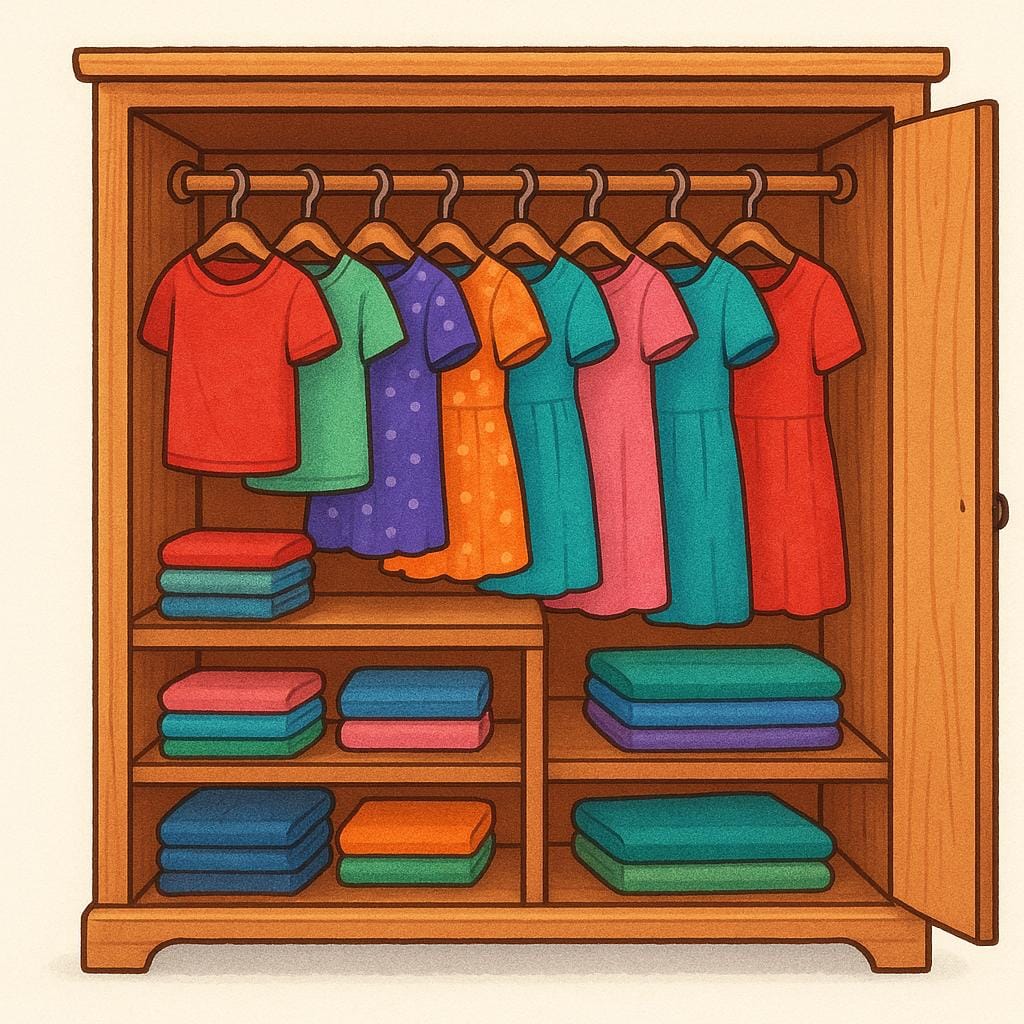
vestuario
ves-TWAH-riobesˈtwa.ɾjo
Examples
El vestuario para la obra de teatro es muy colorido.
The wardrobe (costumes) for the play is very colorful.
Necesito actualizar mi vestuario de trabajo.
I need to update my work wardrobe.
Ella tiene un vestuario increíblemente elegante.
She has an incredibly elegant collection of clothes.
Always Masculine
Even though 'ropa' (clothing) is feminine, 'vestuario' is always masculine, so you must use 'el' or 'un' with it.
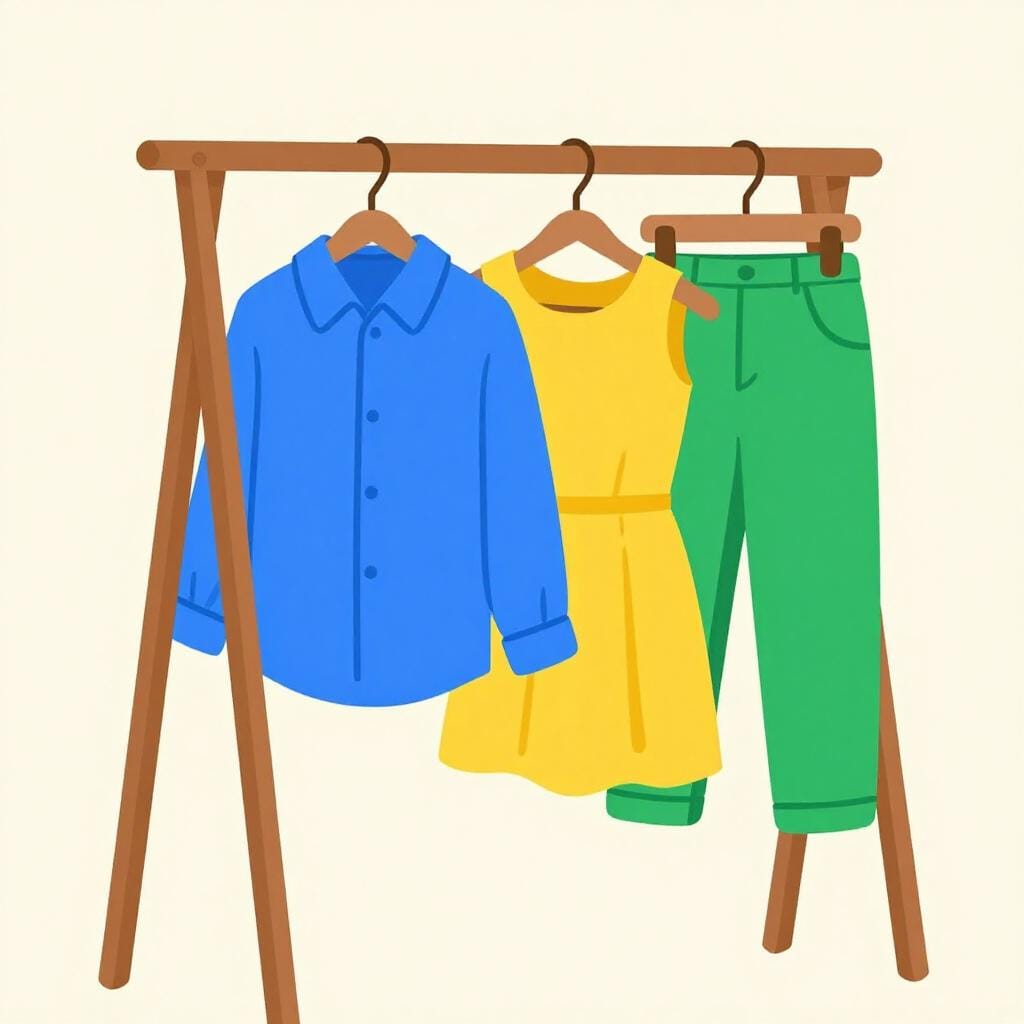
vestimenta
bes-tee-MEN-tahbestiˈmenta
Examples
La vestimenta tradicional de este pueblo es muy colorida.
The traditional clothing of this town is very colorful.
El código de vestimenta para la fiesta es formal.
The dress code (attire code) for the party is formal.
Debemos elegir la vestimenta adecuada para el clima frío.
We must choose the appropriate clothing for the cold weather.
A 'Group Word'
Even though you might be talking about many pieces of clothing (shirt, pants, hat), the word 'vestimenta' is usually kept in the singular form to describe the whole set.
Gender Agreement
Since it ends in '-a' and is feminine, any describing words (adjectives) must also end in 'a'. For example: 'vestimenta rojA' (red clothing).
The 'Dress' Confusion
Mistake: “Using 'vestimenta' when you want to say 'a dress'.”
Correction: Use 'vestido' for a single piece of clothing (a dress) and 'vestimenta' for the general concept of clothing or an outfit.
Too much plural
Mistake: “Saying 'las vestimentas' for your own clothes.”
Correction: Use the singular 'la vestimenta' or just use 'la ropa' for daily life. 'Vestimentas' in plural is mostly reserved for comparing different types of clothing from different cultures or eras.
Choosing Between Ropa, Vestuario, and Vestimenta
Related Translations
Learn Spanish with Inklingo
Interactive stories, personalized learning, and more.