How to Say "cloth" in Spanish
The most common Spanish word for “cloth” is “tela” — use 'tela' when referring to the material used for making clothes, upholstery, or other similar items.

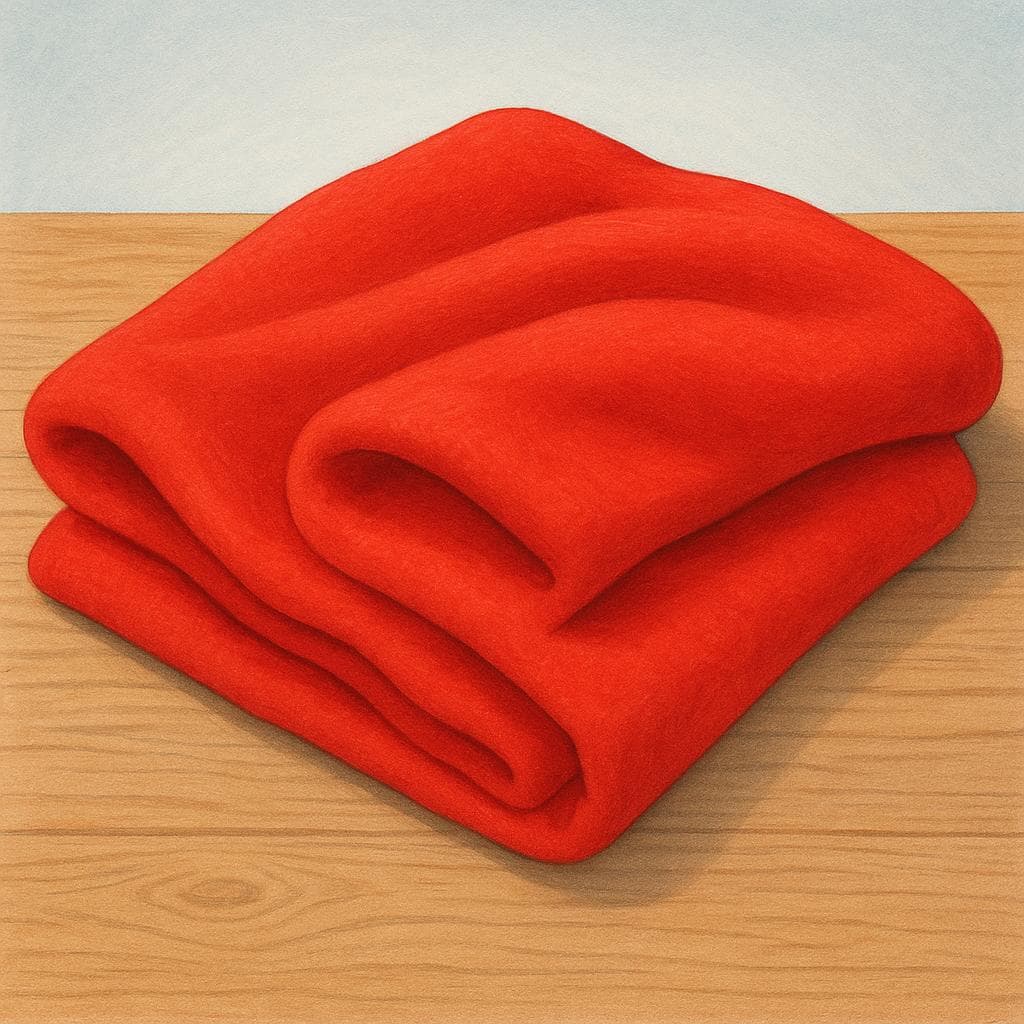

tela
TAY-lahˈtela

Examples
Esta chaqueta está hecha de una tela muy suave.
This jacket is made of a very soft fabric.
Necesito un metro de tela roja para el proyecto.
I need one meter of red cloth for the project.
El sofá está tapizado con una tela resistente.
The sofa is upholstered with a resistant material.
Gender Check
Remember that 'tela' is always feminine, so you must use 'la' or 'una' before it, and any describing words (adjectives) must also end in '-a' (e.g., 'la tela suave').
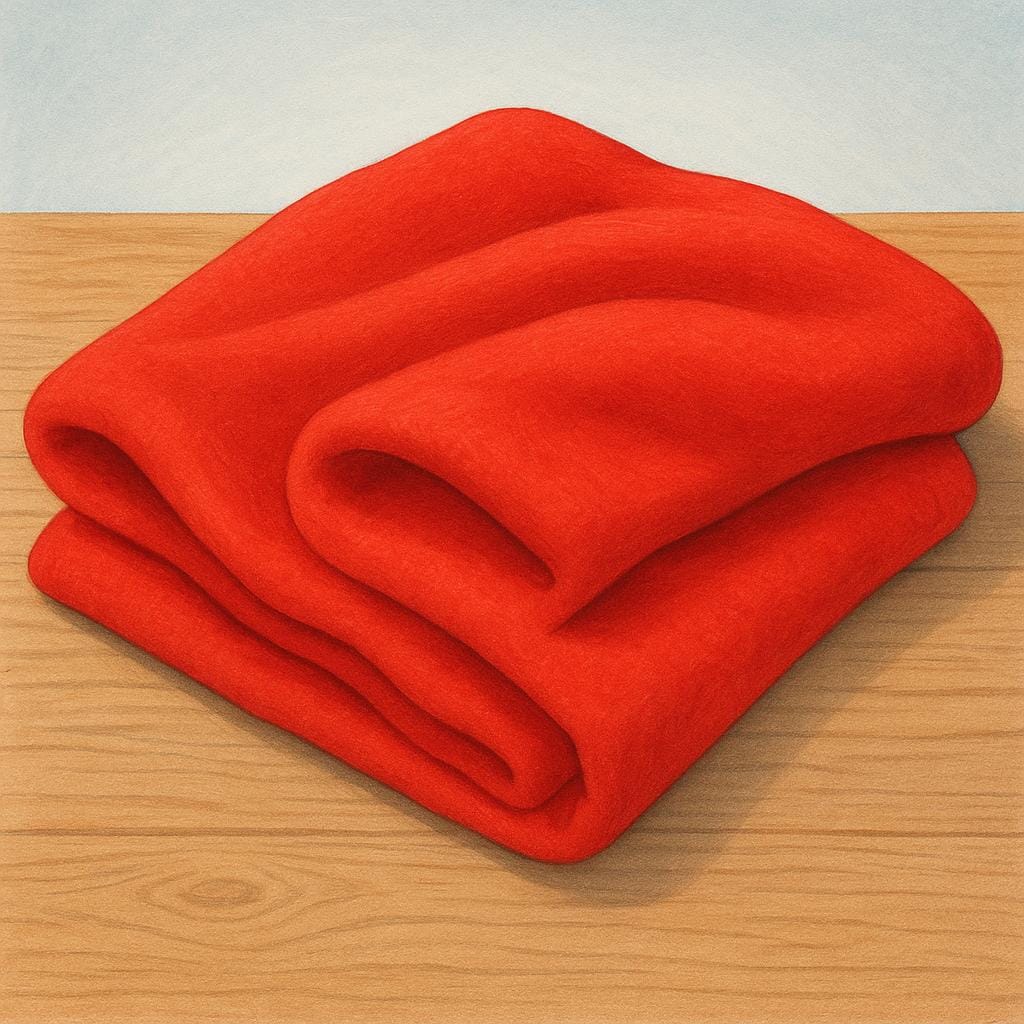
tejido
te-JI-doteˈxiðo
Examples
Necesito comprar un tejido de algodón para hacer las cortinas.
I need to buy a cotton fabric to make the curtains.
Este tipo de tejido es muy resistente al agua.
This type of cloth is very water-resistant.
Gender Check
Even though 'tela' (fabric) is feminine, 'tejido' is masculine. Remember to use 'el' or 'un': 'el tejido'.
paño
Examples
Limpia la mesa con un paño húmedo.
Clean the table with a damp cloth.
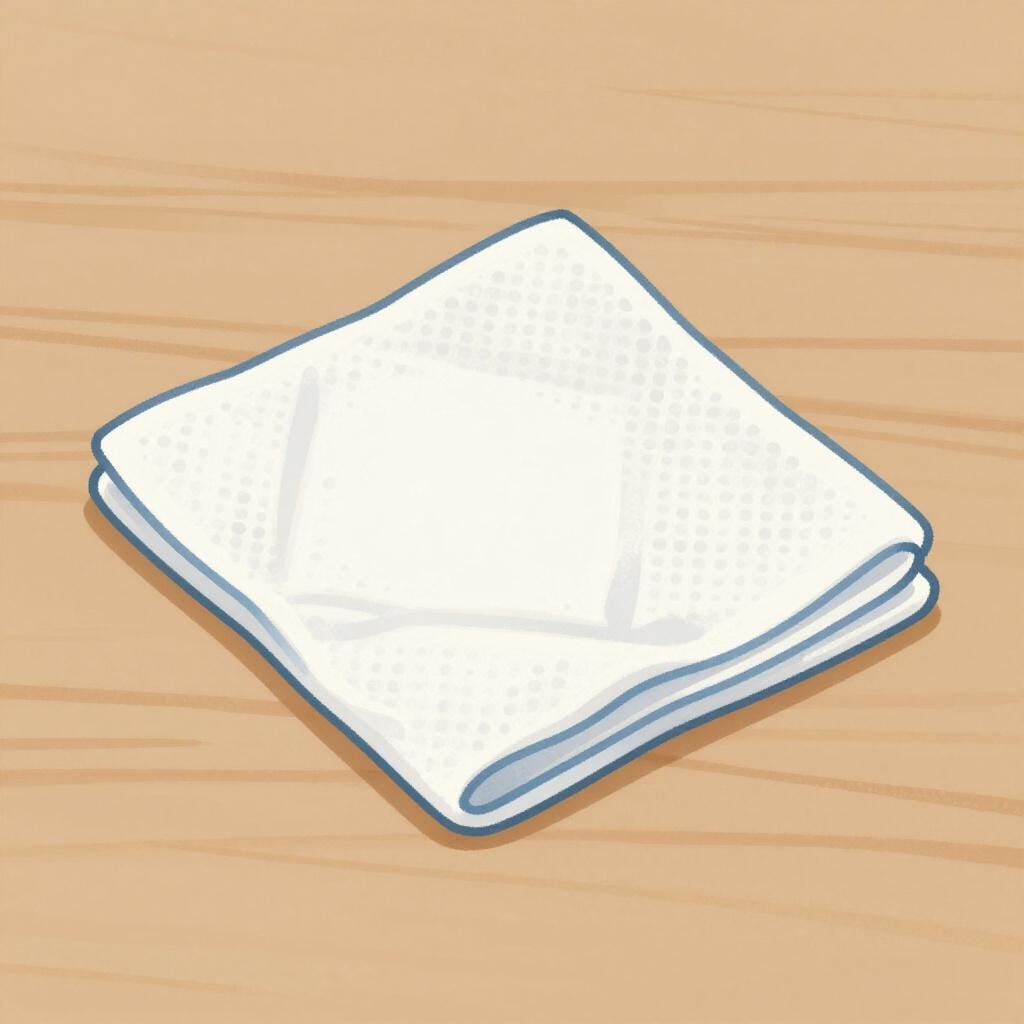
trapo
TRAH-pohˈtɾapo
Examples
Limpia el polvo con un trapo húmedo.
Wipe the dust with a damp rag.
Necesito un trapo viejo para secar el suelo.
I need an old cloth to dry the floor.
Deja el trapo de cocina sobre el mostrador.
Leave the dishcloth on the counter.
Masculine Ending
Since this word ends in 'o', it is masculine. You should always use 'el' or 'un' with it.
Simple Plurals
To talk about more than one, simply add an 's' to the end: 'los trapos'.
Trapo vs. Ropa
Mistake: “Using 'trapo' to mean 'clothing' in a formal setting.”
Correction: Use 'ropa' for general clothes. Use 'trapo' only for cleaning rags or very informal/slang references to clothes.
género
Examples
El comerciante recibió ayer el nuevo género.
The merchant received the new goods yesterday.
Distinguishing 'tela', 'tejido', and 'paño'
Related Translations
Learn Spanish with Inklingo
Interactive stories, personalized learning, and more.