How to Say "fabric" in Spanish
The most common Spanish word for “fabric” is “tela” — use 'tela' when referring to textile material in general, especially for clothing, curtains, or upholstery. It's the most versatile and common term.

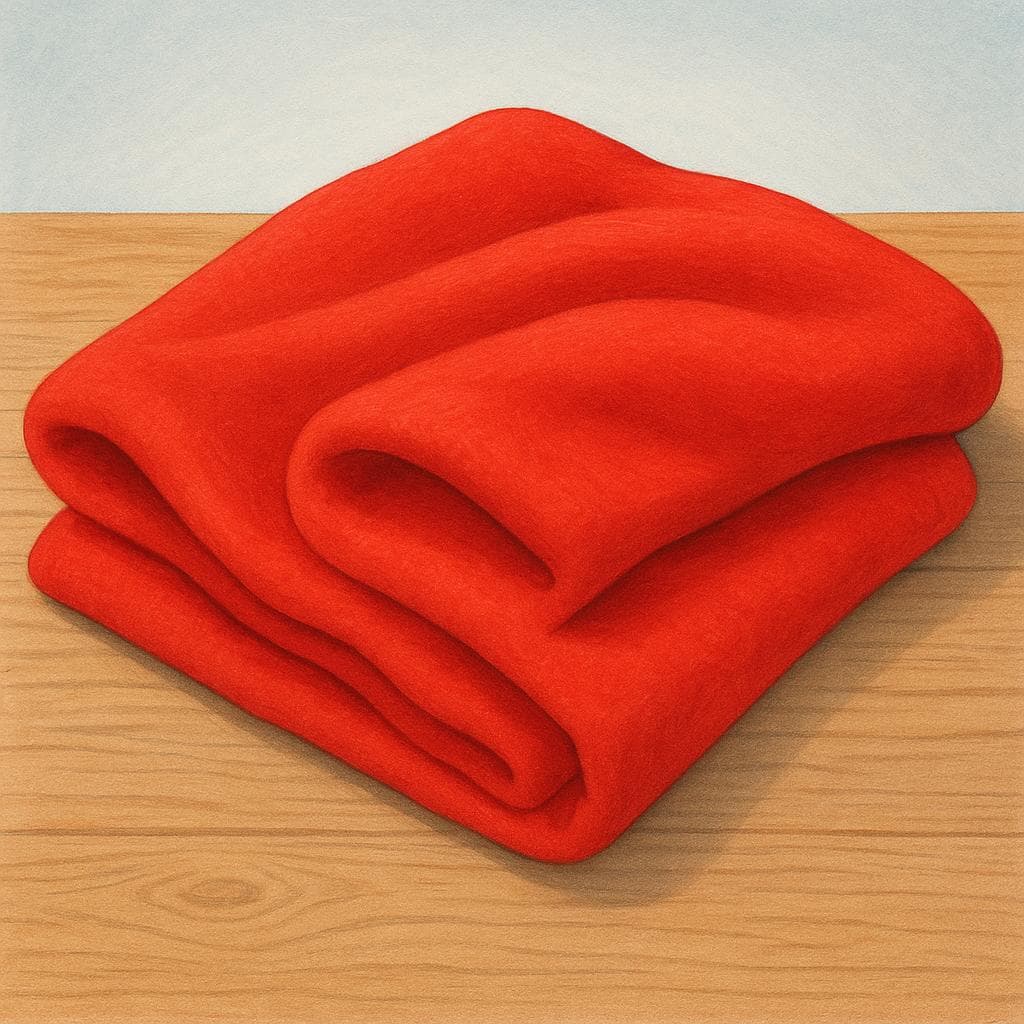
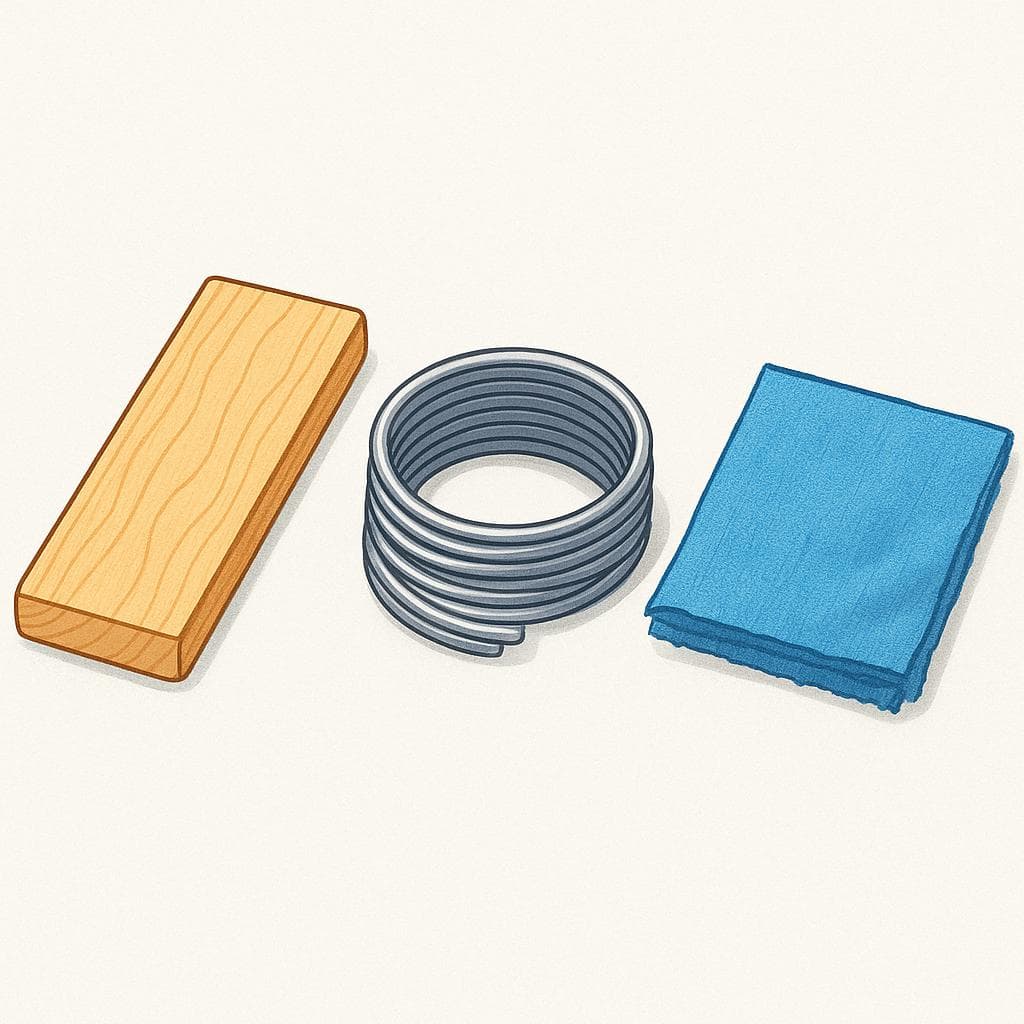
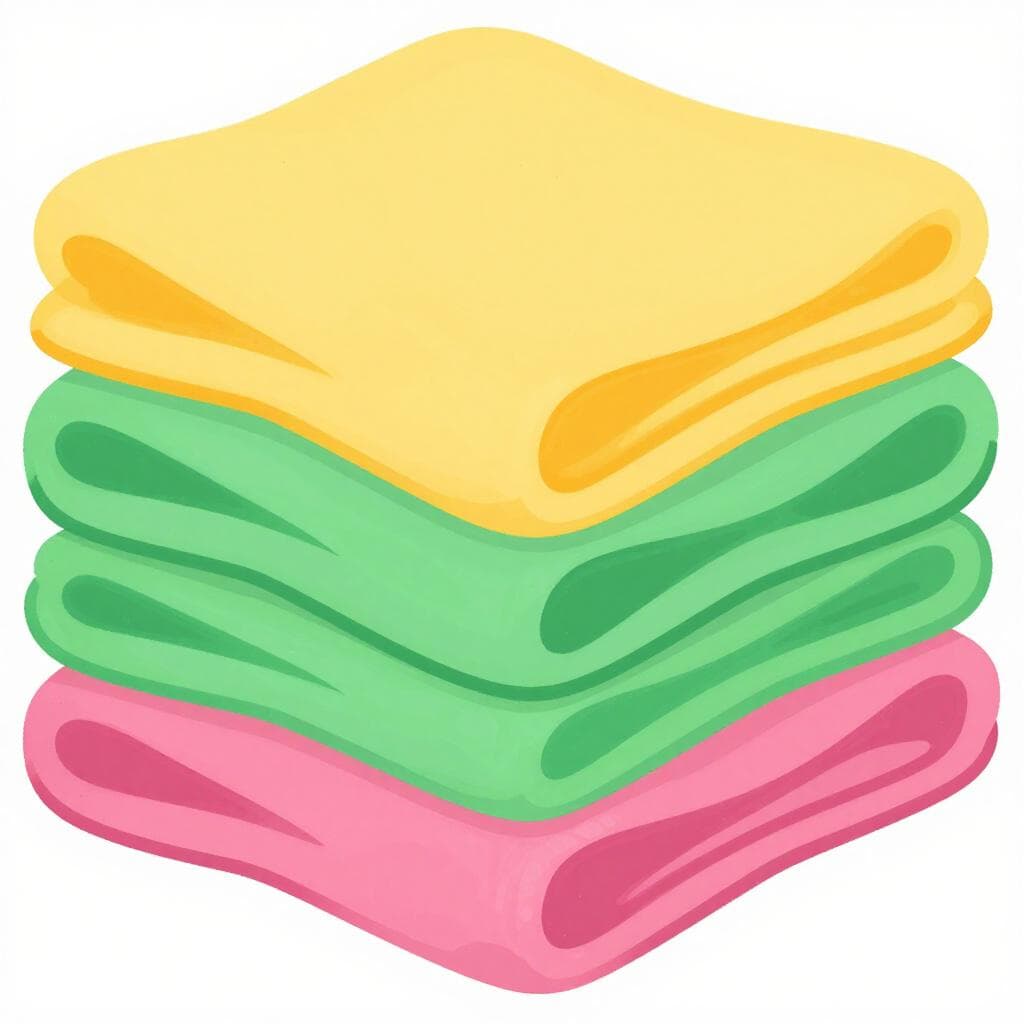
tela
TAY-lahˈtela

Examples
Esta chaqueta está hecha de una tela muy suave.
This jacket is made of a very soft fabric.
Necesito un metro de tela roja para el proyecto.
I need one meter of red cloth for the project.
El sofá está tapizado con una tela resistente.
The sofa is upholstered with a resistant material.
Gender Check
Remember that 'tela' is always feminine, so you must use 'la' or 'una' before it, and any describing words (adjectives) must also end in '-a' (e.g., 'la tela suave').
tejido
te-JI-doteˈxiðo
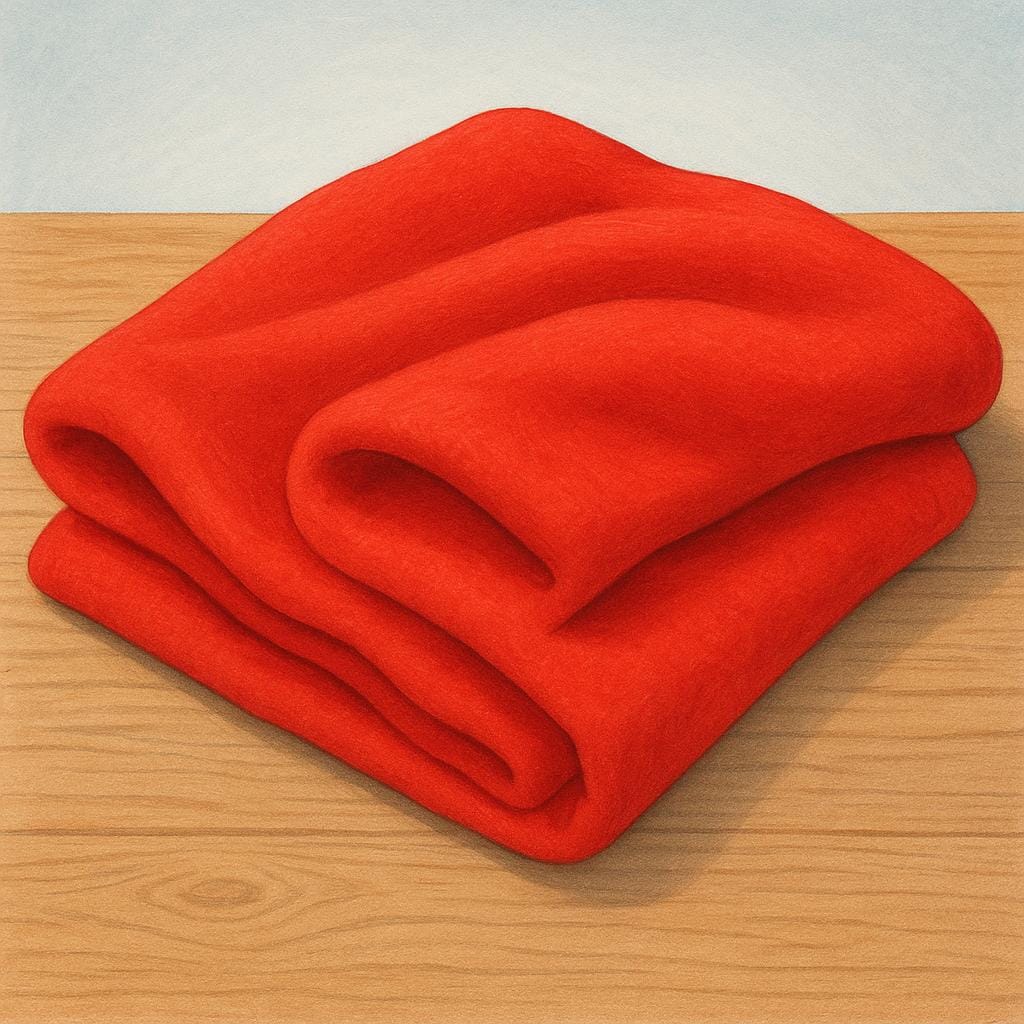
Examples
Necesito comprar un tejido de algodón para hacer las cortinas.
I need to buy a cotton fabric to make the curtains.
Este tipo de tejido es muy resistente al agua.
This type of cloth is very water-resistant.
Gender Check
Even though 'tela' (fabric) is feminine, 'tejido' is masculine. Remember to use 'el' or 'un': 'el tejido'.
material
mah-teh-ree-AHLma.teˈɾjal
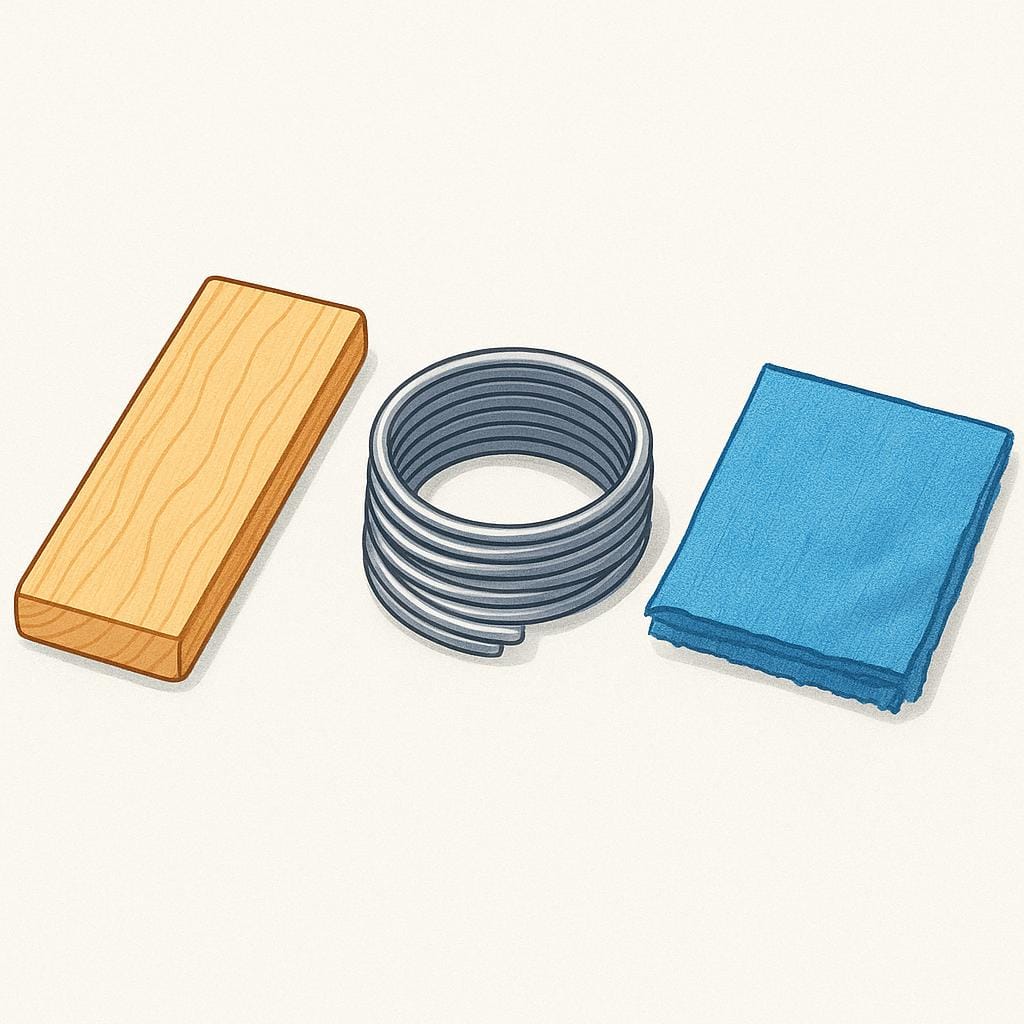
Examples
Necesito comprar material escolar para el niño.
I need to buy school supplies for the child.
Este material es muy resistente al agua.
This material is very water resistant.
El carpintero tiene todo el material listo para empezar la obra.
The carpenter has all the equipment ready to start the work.
Gender Check
Even though it ends in -al, 'material' is a masculine noun. Always use 'el material' or 'un material'.
Using 'Materiales' for Everything
Mistake: “¿Tienes el material para el proyecto?”
Correction: When talking about general 'supplies' or 'stuff,' use the singular 'el material.' Use the plural 'los materiales' only if you mean distinct types of materials (e.g., 'madera y metal son materiales').
textil
teks-TEELteksˈtil

Examples
El museo tiene una colección de textiles antiguos.
The museum has a collection of ancient textiles.
Exportamos textiles de alta calidad a Europa.
We export high-quality textiles to Europe.
Los textiles sintéticos son más resistentes.
Synthetic textiles are more resistant.
Using the Plural
In Spanish, when talking about the general category of fabrics or cloths, we almost always use the plural form 'los textiles'.
Textil vs. Tela
Mistake: “Compré un textil para hacerme una falda.”
Correction: Compré una tela para hacerme una falda. Use 'textil' for industrial or technical contexts, and 'tela' for everyday fabric used for sewing.
Tela vs. Tejido
Related Translations
Learn Spanish with Inklingo
Interactive stories, personalized learning, and more.