How to Say "textile" in Spanish
The most common Spanish word for “textile” is “tejido” — use 'tejido' when referring to a specific piece of cloth or woven material, often with a focus on its composition or purpose.
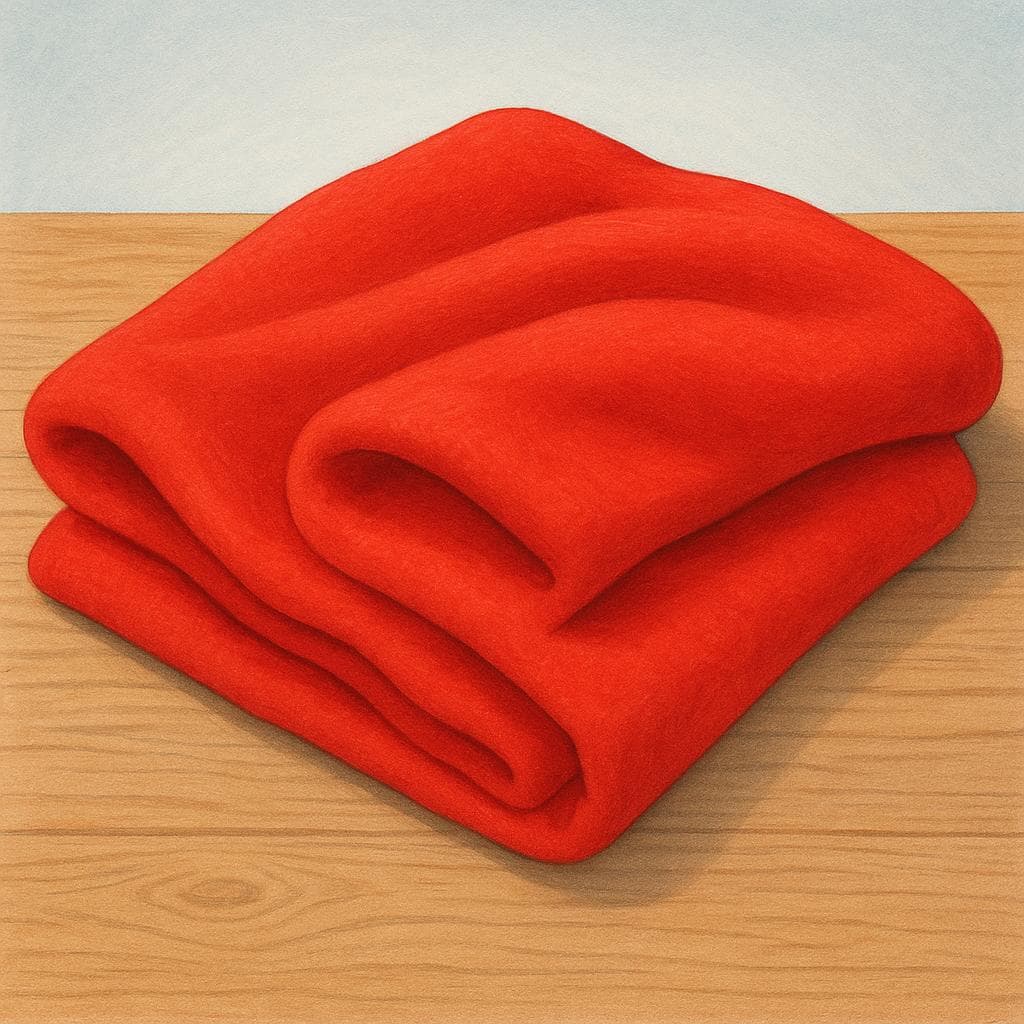
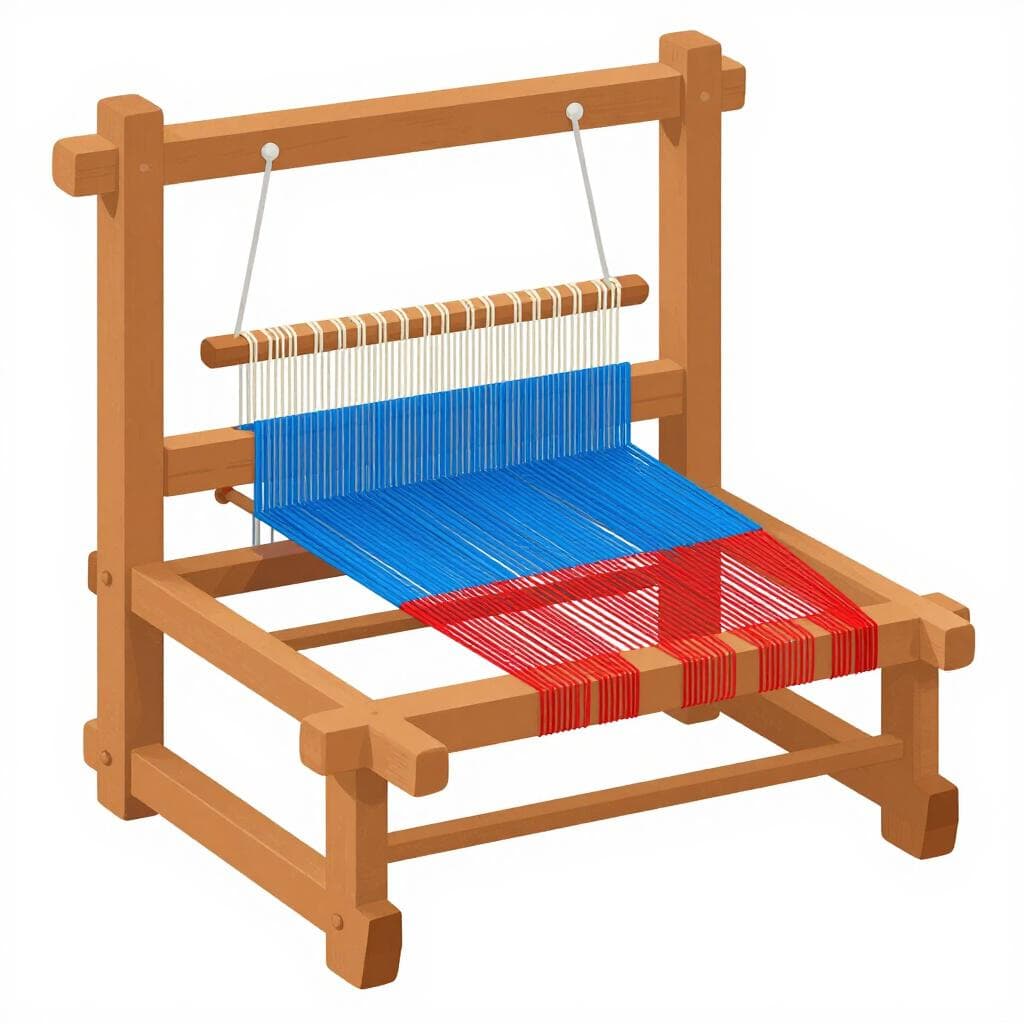
tejido
te-JI-doteˈxiðo
Examples
Necesito comprar un tejido de algodón para hacer las cortinas.
I need to buy a cotton fabric to make the curtains.
Este tipo de tejido es muy resistente al agua.
This type of cloth is very water-resistant.
Gender Check
Even though 'tela' (fabric) is feminine, 'tejido' is masculine. Remember to use 'el' or 'un': 'el tejido'.
textil
teks-TEELteksˈtil
Examples
Mi tío trabaja en la industria textil.
My uncle works in the textile industry.
Buscamos nuevas fibras textiles para las camisetas.
We are looking for new textile fibers for the t-shirts.
El diseño textil es una carrera creativa.
Textile design is a creative career.
El museo tiene una colección de textiles antiguos.
The museum has a collection of ancient textiles.
One Form for All
This word stays exactly the same whether you are describing a masculine or feminine noun. You can say 'el sector textil' or 'la industria textil'.
Using the Plural
In Spanish, when talking about the general category of fabrics or cloths, we almost always use the plural form 'los textiles'.
Adding an Unnecessary 'o' or 'a'
Mistake: “La industria textila.”
Correction: La industria textil. Many adjectives ending in 'l' do not change their ending to match the gender of the noun.
Textil vs. Tela
Mistake: “Compré un textil para hacerme una falda.”
Correction: Compré una tela para hacerme una falda. Use 'textil' for industrial or technical contexts, and 'tela' for everyday fabric used for sewing.
textil
teks-TEELteksˈtil
Examples
El museo tiene una colección de textiles antiguos.
The museum has a collection of ancient textiles.
Mi tío trabaja en la industria textil.
My uncle works in the textile industry.
Buscamos nuevas fibras textiles para las camisetas.
We are looking for new textile fibers for the t-shirts.
El diseño textil es una carrera creativa.
Textile design is a creative career.
One Form for All
This word stays exactly the same whether you are describing a masculine or feminine noun. You can say 'el sector textil' or 'la industria textil'.
Using the Plural
In Spanish, when talking about the general category of fabrics or cloths, we almost always use the plural form 'los textiles'.
Adding an Unnecessary 'o' or 'a'
Mistake: “La industria textila.”
Correction: La industria textil. Many adjectives ending in 'l' do not change their ending to match the gender of the noun.
Textil vs. Tela
Mistake: “Compré un textil para hacerme una falda.”
Correction: Compré una tela para hacerme una falda. Use 'textil' for industrial or technical contexts, and 'tela' for everyday fabric used for sewing.
Tejido vs. Textil
Related Translations
Learn Spanish with Inklingo
Interactive stories, personalized learning, and more.