textil
“textil” means “textile” in Spanish. It has 2 different meanings depending on context:
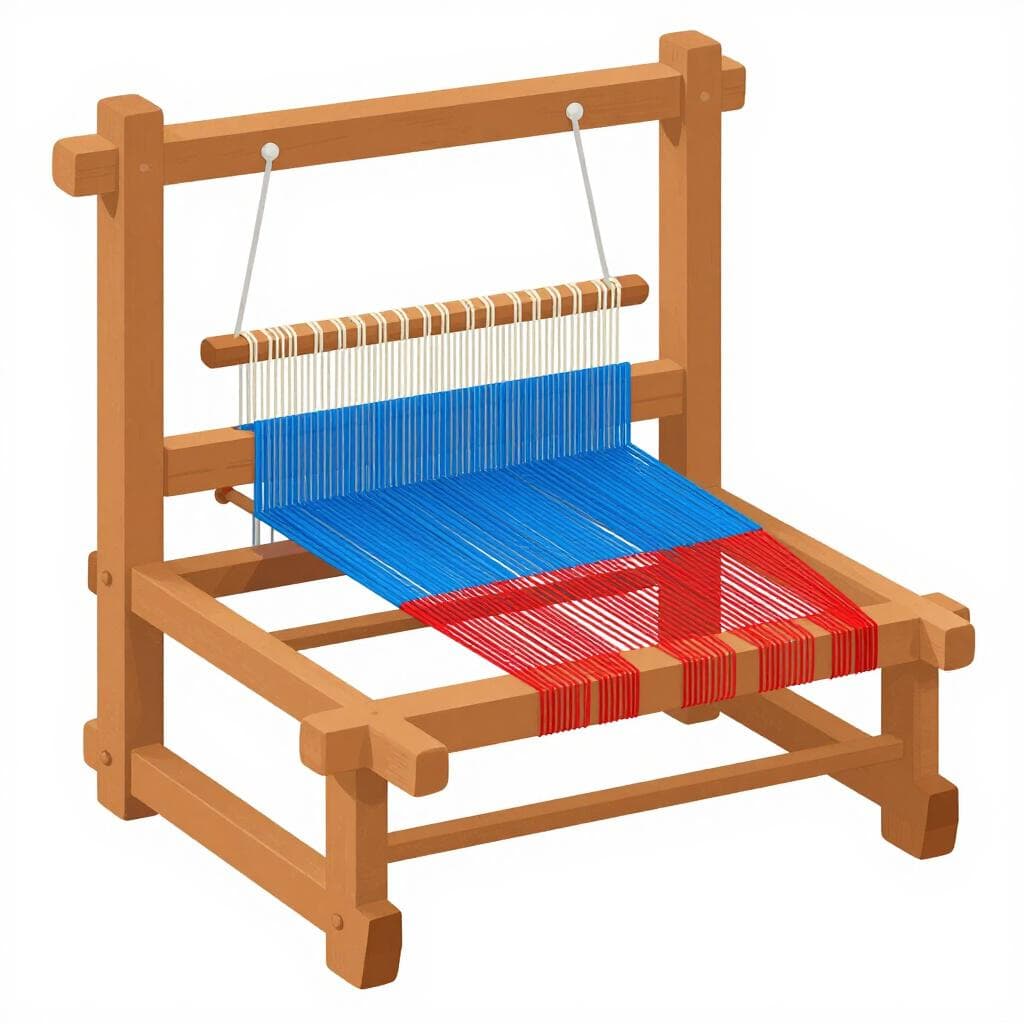
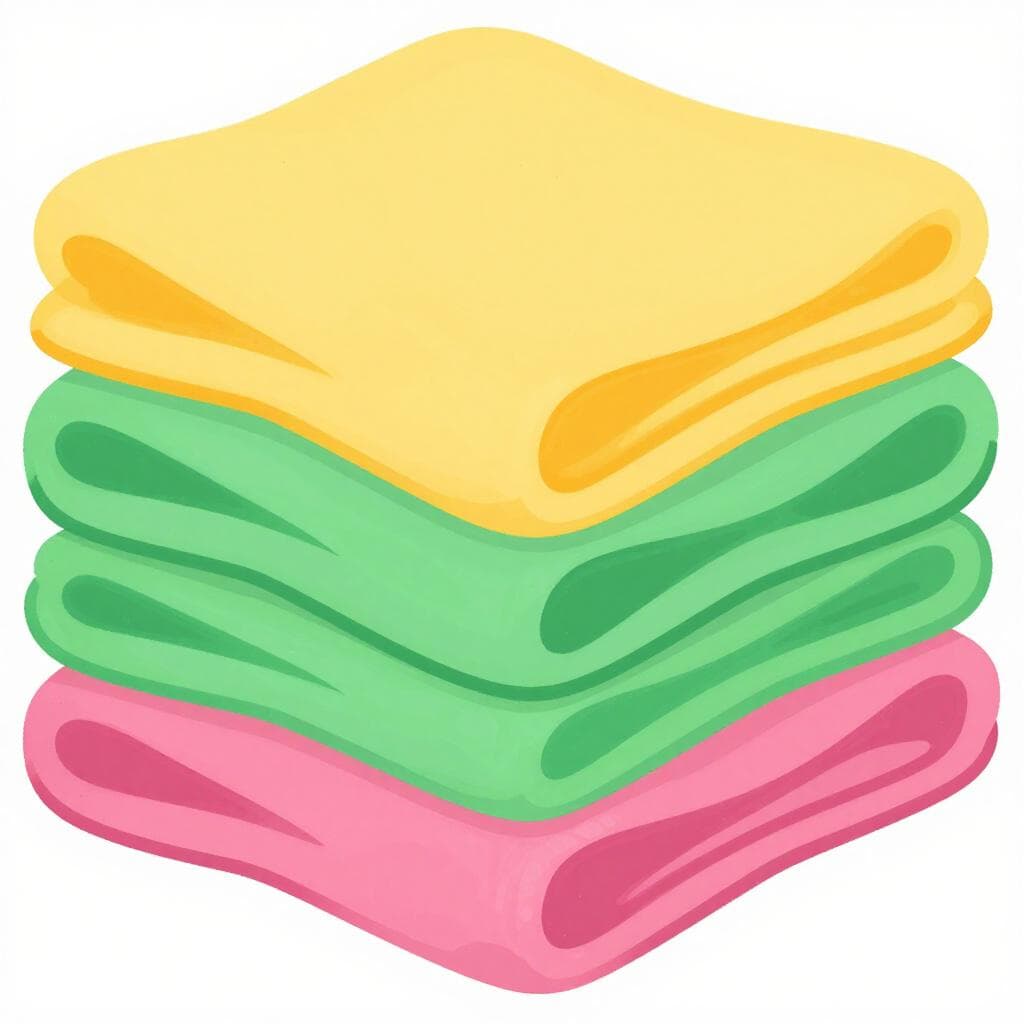
textileAlso: fabric-related
📝 In Action
Mi tío trabaja en la industria textil.
A1My uncle works in the textile industry.
Buscamos nuevas fibras textiles para las camisetas.
B1We are looking for new textile fibers for the t-shirts.
El diseño textil es una carrera creativa.
B2Textile design is a creative career.
Word Connections
textileAlso: fabric
📝 In Action
El museo tiene una colección de textiles antiguos.
B1The museum has a collection of ancient textiles.
Exportamos textiles de alta calidad a Europa.
B2We export high-quality textiles to Europe.
Los textiles sintéticos son más resistentes.
B2Synthetic textiles are more resistant.
Word Connections
Translate to Spanish
Words that translate to "textil" in Spanish:
✏️ Quick Practice
Quick Quiz: textil
Question 1 of 3
Which of these is the most natural way to say 'the textile industry'?
📚 More Resources
👥 Word Family
📚 Etymology
From the Latin word 'textilis' (meaning 'woven'), which comes from 'texere', a verb that means 'to weave'. This same root gave us the word 'text' (because a piece of writing is like words woven together).
First recorded: 15th century
Cognates (Related words)
💡 Master Spanish
Take your Spanish to the next level. Read 200+ illustrated and narrated Spanish stories tailored to your level with the Inklingo app!
Frequently Asked Questions
Does 'textil' have an accent mark?
No. In Spanish, words ending in 'l' naturally have the stress on the last syllable, so no accent mark is needed to indicate that.
Is 'textil' a masculine or feminine word?
As a noun ('the textile'), it is masculine: 'el textil'. As an adjective, it works for both genders: 'un producto textil' or 'una fábrica textil'.
Can I use 'textil' to describe a person?
No, 'textil' only describes objects, industries, or materials related to weaving and fabrics.