tejer
“tejer” means “to knit” in Spanish. It has 2 different meanings depending on context:

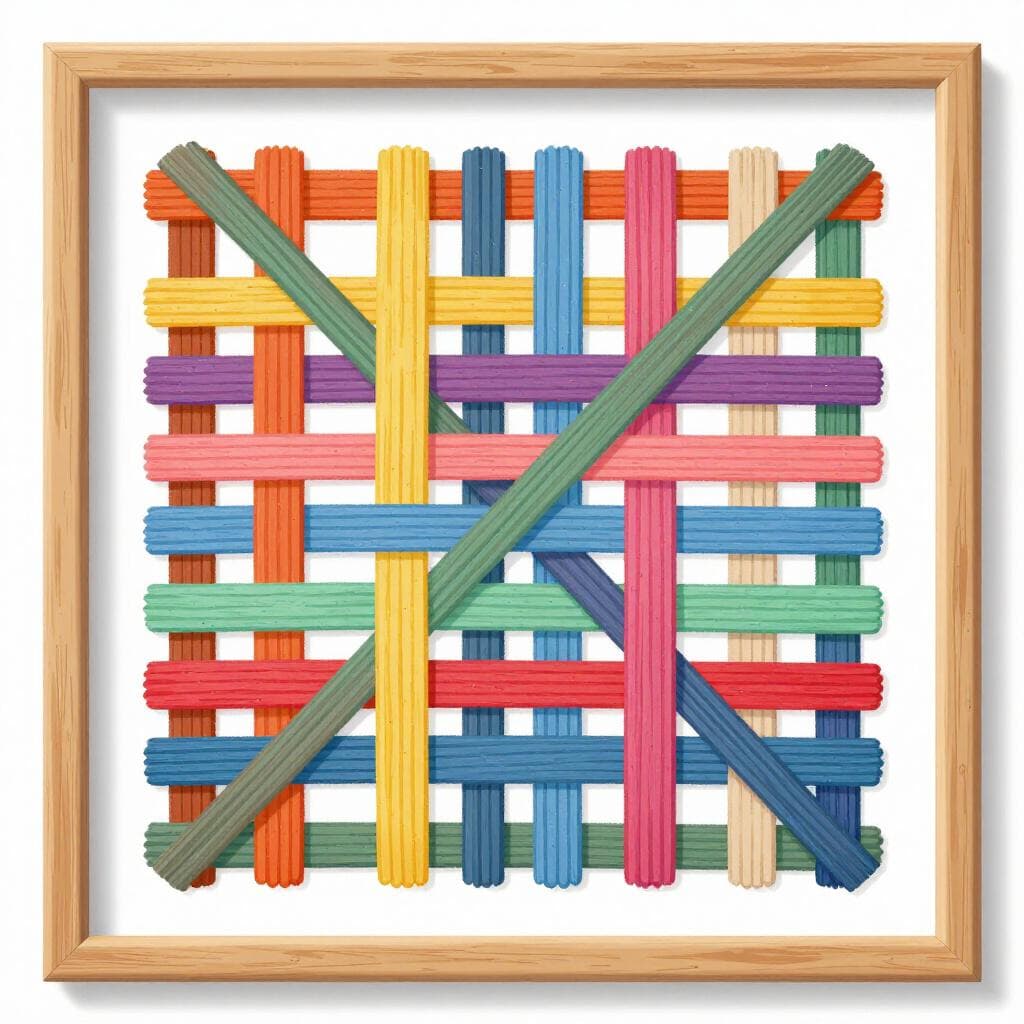
to knit, to weaveAlso: to crochet
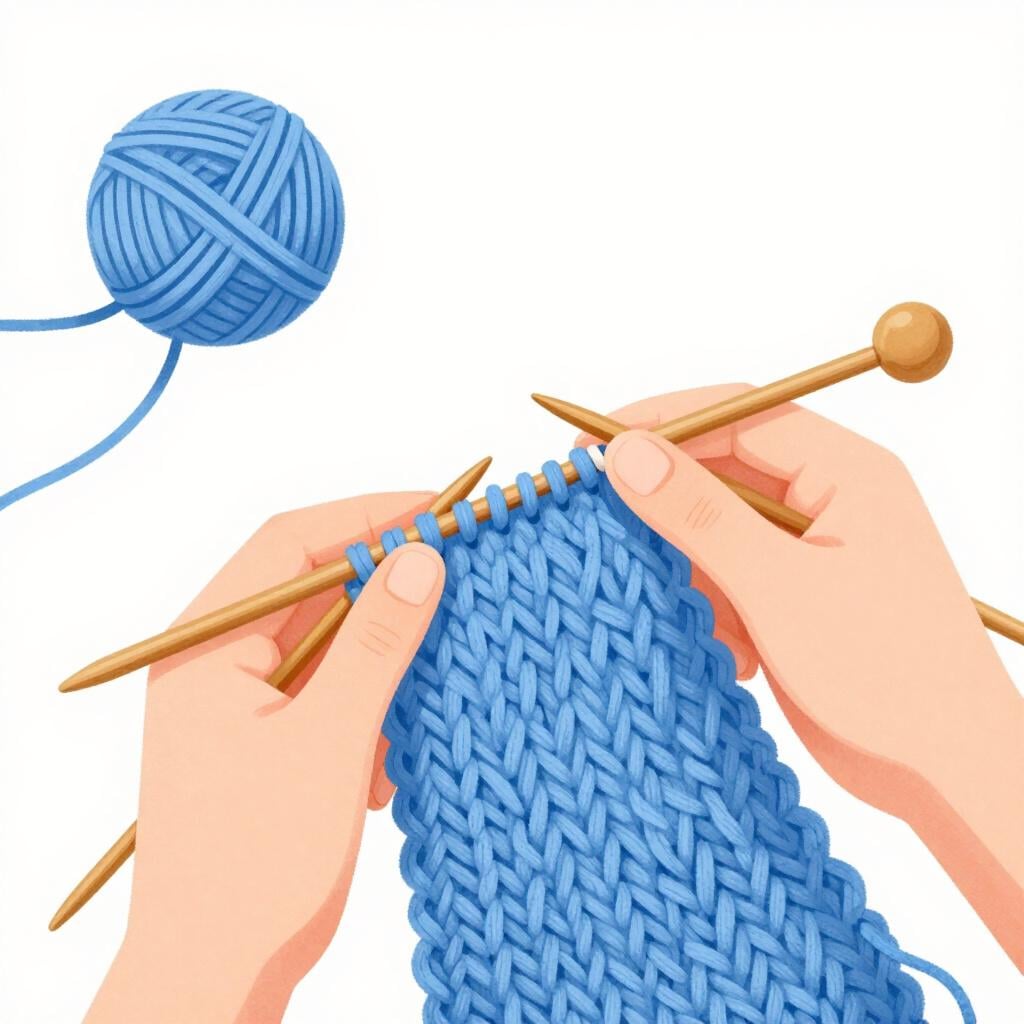
📝 In Action
Mi abuela me teje un suéter de lana para el invierno.
A1My grandmother is knitting me a wool sweater for the winter.
Las arañas tejen sus telas con mucha paciencia.
A2Spiders weave their webs with a lot of patience.
Aprendí a tejer usando dos agujas largas.
B1I learned to knit using two long needles.
Word Connections
to weave, to devise / to plot
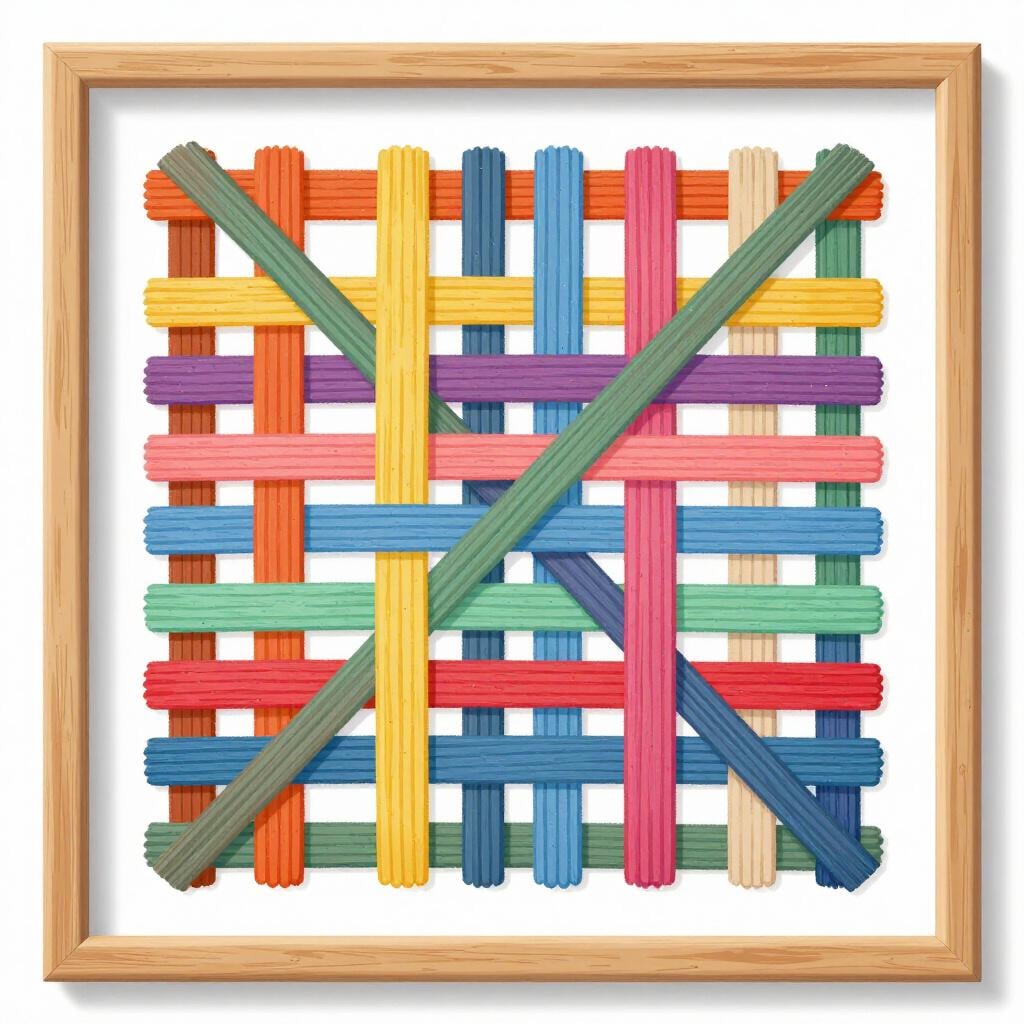
📝 In Action
El autor supo tejer una historia llena de misterio.
B2The author knew how to weave a story full of mystery.
Han tejido una red de mentiras muy difícil de romper.
C1They have woven a web of lies that is very hard to break.
Los diplomáticos están tejiendo un nuevo acuerdo de paz.
C1The diplomats are weaving (crafting) a new peace agreement.
Word Connections
Subjunctive
Imperfect Subjunctive
Present Subjunctive
Indicative
Preterite
Imperfect
Present
Translate to Spanish
Words that translate to "tejer" in Spanish:
✏️ Quick Practice
Quick Quiz: tejer
Question 1 of 3
Which verb would you use if you are using a needle and thread to fix a hole in a shirt?
📚 More Resources
👥 Word Family
📚 Etymology
Derived from the Latin word 'texere', which meant to weave, construct, or compose.
First recorded: 10th century
Cognates (Related words)
💡 Master Spanish
Take your Spanish to the next level. Read 200+ illustrated and narrated Spanish stories tailored to your level with the Inklingo app!
Frequently Asked Questions
Does 'tejer' only mean knitting with two needles?
No, it is a general term for knitting, weaving on a loom, and often includes crocheting in casual conversation.
Is 'tejer' an irregular verb?
No, it is a perfectly regular -er verb. It follows the same patterns as 'comer' or 'beber'.
Can I use 'tejer' to describe a spider making a web?
Yes! In Spanish, spiders 'tejen una telaraña'.