desarmar
“desarmar” means “to take apart” in Spanish. It has 2 different meanings depending on context:

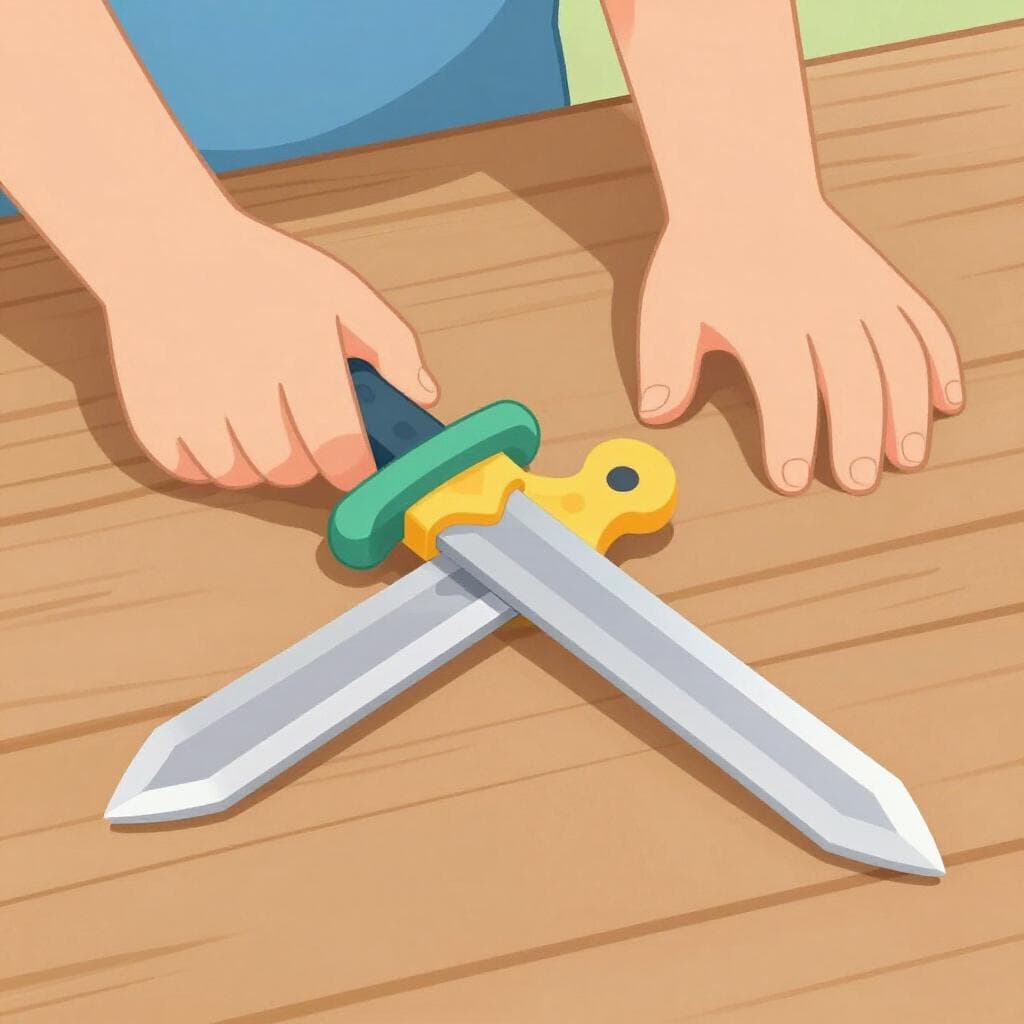
to take apartAlso: to disassemble

📝 In Action
Tuve que desarmar el motor para encontrar el problema.
A2I had to take the motor apart to find the problem.
Vamos a desarmar los muebles antes de la mudanza.
B1We are going to take the furniture apart before the move.
El niño desarmó su juguete nuevo en cinco minutos.
A2The boy took his new toy apart in five minutes.
Word Connections
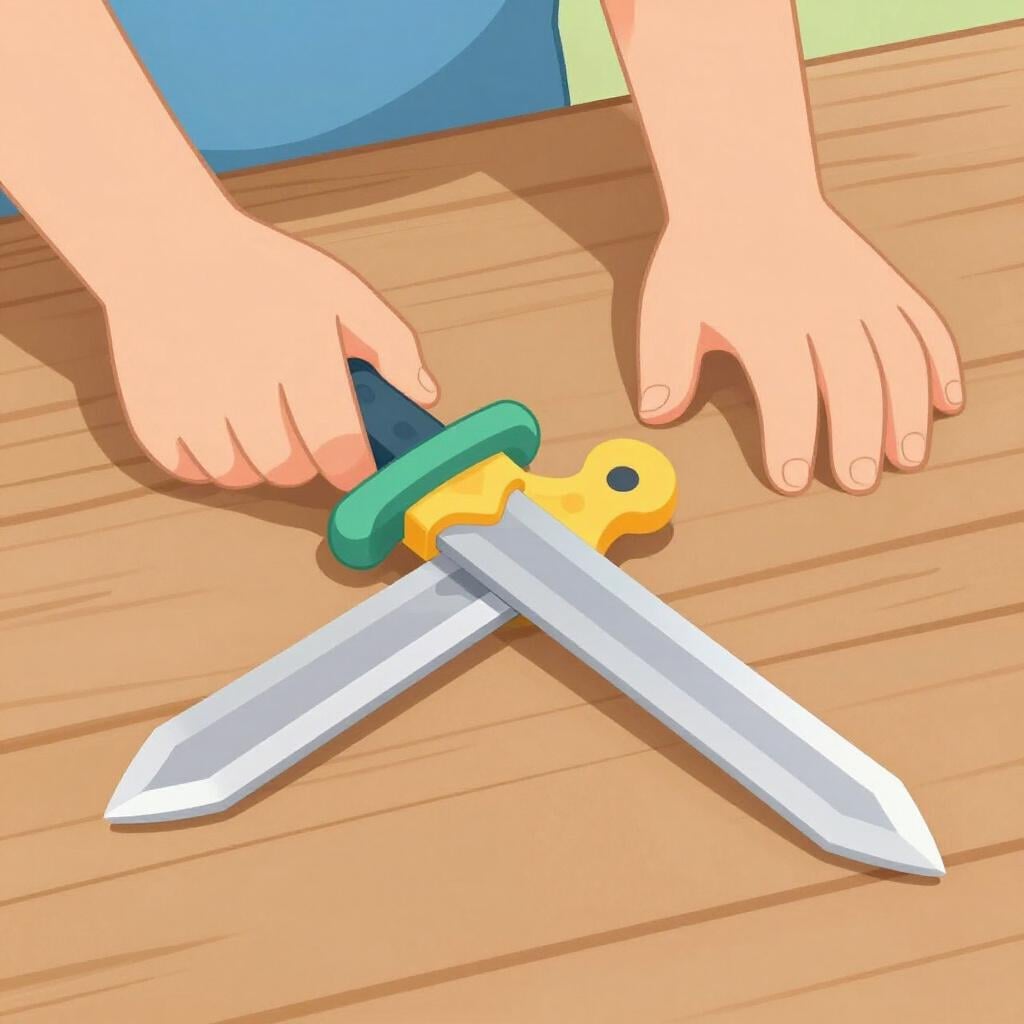
to disarmAlso: to leave speechless
📝 In Action
La policía desarmó al atacante sin herirlo.
B1The police disarmed the attacker without hurting him.
Su sonrisa sincera me desarmó y olvidé por qué estaba enojado.
B2Her sincere smile disarmed me and I forgot why I was angry.
Un argumento tan sólido desarma a cualquiera.
C1Such a solid argument leaves anyone without a defense.
Word Connections
Subjunctive
Imperfect Subjunctive
Present Subjunctive
Indicative
Preterite
Imperfect
Present
Translate to Spanish
Words that translate to "desarmar" in Spanish:
✏️ Quick Practice
Quick Quiz: desarmar
Question 1 of 3
If you are moving to a new house and need to take your bed apart, which verb do you use?
📚 More Resources
👥 Word Family
📚 Etymology
From the prefix 'des-' (expressing reversal or removal) and the Latin word 'armare' (to equip or arm).
First recorded: 13th century
Cognates (Related words)
💡 Master Spanish
Take your Spanish to the next level. Read 200+ illustrated and narrated Spanish stories tailored to your level with the Inklingo app!
Frequently Asked Questions
What is the difference between 'desarmar' and 'desmontar'?
They are very similar! 'Desarmar' is more common for objects with many small parts (like a clock or a gun), while 'desmontar' is often used for larger structures or things you 'ride' like a horse or a stage.
Is 'desarmar' a regular verb?
Yes! It follows the standard pattern for all -ar verbs in Spanish, which makes it easy to conjugate.
Can I use 'desarmar' for clothes?
No. For taking off clothes, use 'quitarse'. For taking apart a piece of clothing (like removing the seams), use 'descoser' (un-sew).