montar
“montar” means “to ride” in Spanish. It has 4 different meanings depending on context:

to ride
Also: to get on
📝 In Action
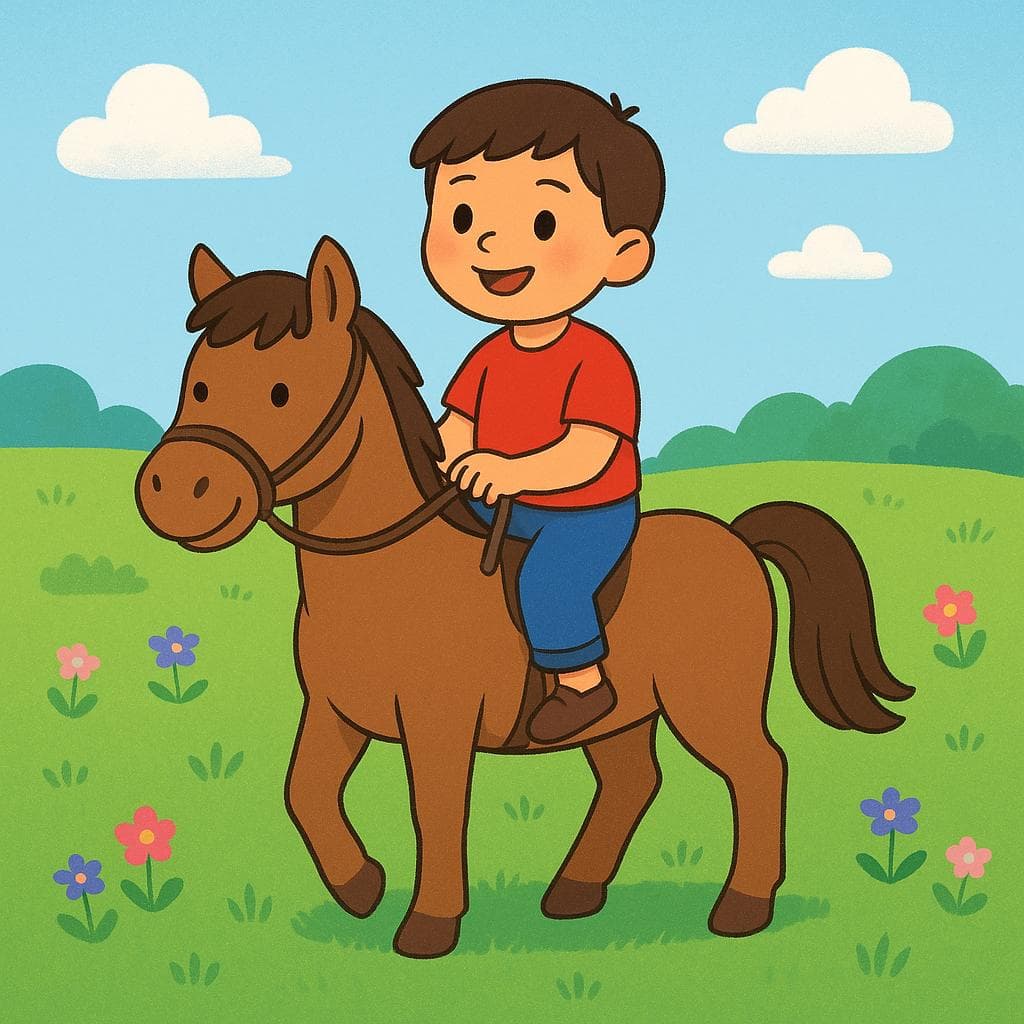
Ella aprendió a montar a caballo cuando era niña.
A2She learned to ride a horse when she was a child.
¿Sabes montar en bicicleta o en moto?
A1Do you know how to ride a bike or a motorcycle?
Montamos la ola más grande del día.
B1We rode the biggest wave of the day.
to assemble, to put together
Also: to build
📝 In Action
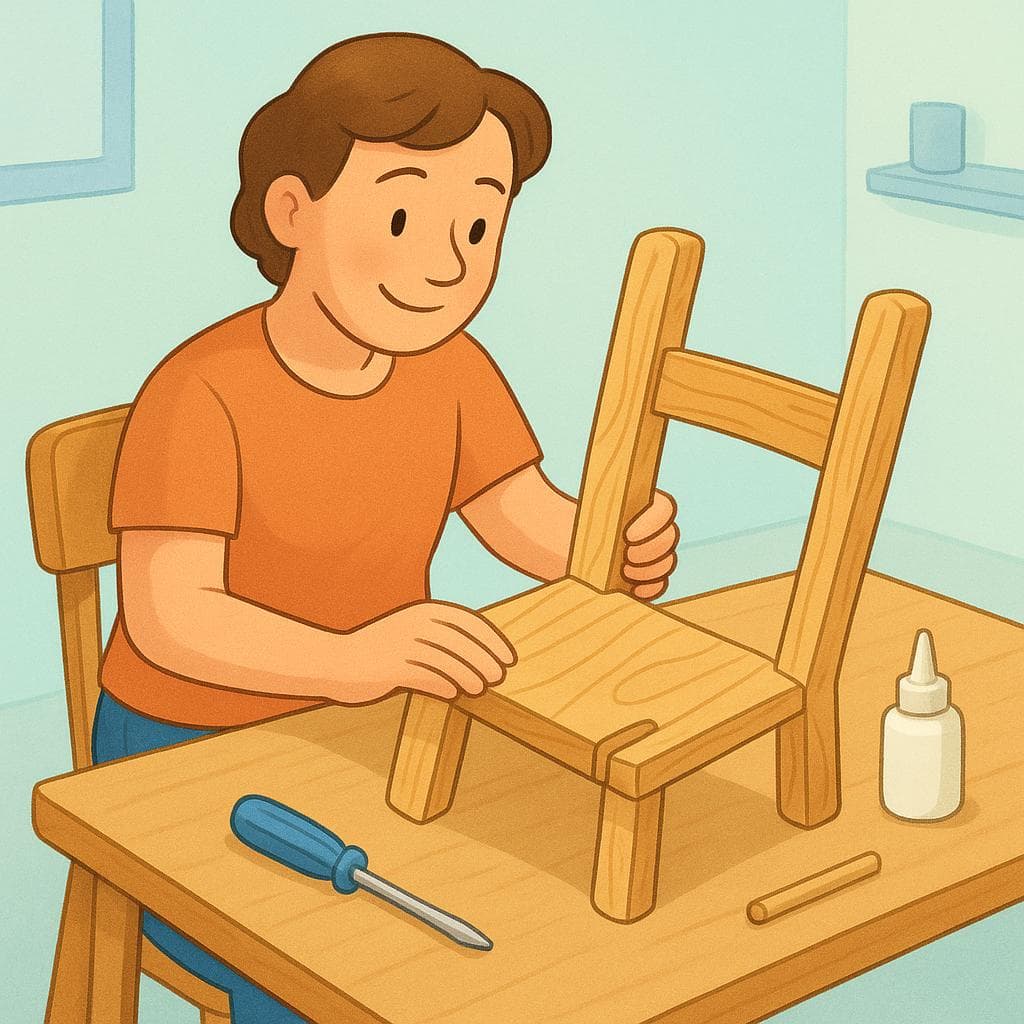
Necesitamos dos horas para montar la estantería de IKEA.
B1We need two hours to assemble the IKEA bookshelf.
Si no lees las instrucciones, no podrás montar el dron.
B2If you don't read the instructions, you won't be able to put together the drone.
to set up, to organize
Also: to stage, to start
📝 In Action
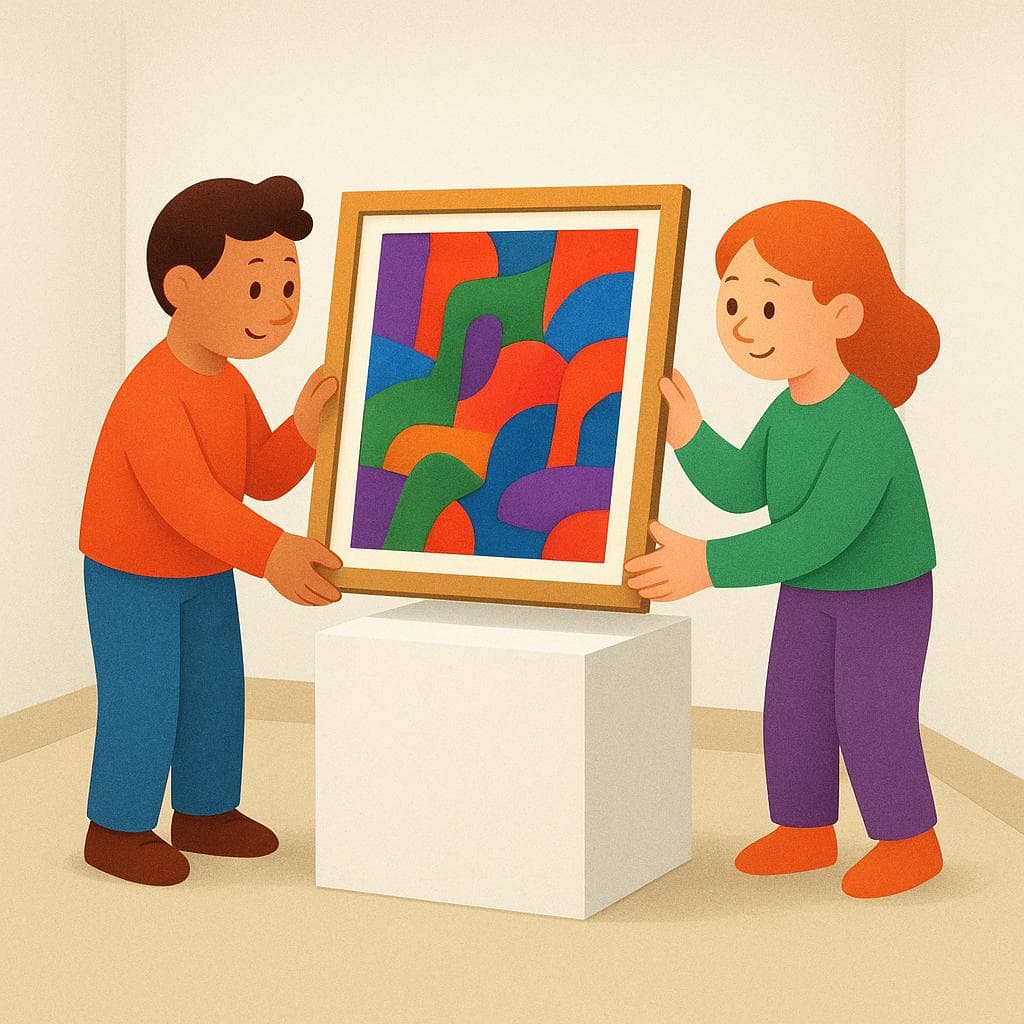
Quiere montar un negocio de comida orgánica.
B2He wants to set up/start an organic food business.
El director está montando la próxima obra de teatro.
C1The director is staging the next play.
Montaron una fiesta sorpresa para su cumpleaños.
B2They organized a surprise party for his birthday.
to mount, to install
Also: to whip up
📝 In Action
El mecánico tuvo que montar un neumático nuevo.
B2The mechanic had to install a new tire.
Para el postre, hay que montar las claras a punto de nieve.
C1For the dessert, you have to whip the egg whites until stiff peaks form (literally: 'snow point').
Montaron guardia toda la noche.
B2They mounted/stood guard all night.
Indicative
Present
Imperfect
Preterite
Subjunctive
Present Subjunctive
Imperfect Subjunctive
Translate to Spanish
Words that translate to "montar" in Spanish:
to assemble→to build→to install→to mount→to organize→to ride→to stage→to start→✏️ Quick Practice
Quick Quiz: montar
Question 1 of 2
Which meaning of 'montar' is used in the sentence: 'El chef va a montar la nata para el pastel'?
📚 More Resources
👥 Word Family▼
📚 Etymology▼
The word comes from the Late Latin *montare*, which is derived from *mons* (mountain). The original idea was literally 'to go up a mountain' or 'to ascend,' which evolved into 'to get up onto' (a horse) and eventually 'to put things up/together.'
First recorded: 13th century
Cognates (Related words)
💡 Master Spanish
Take your Spanish to the next level. Read 200+ illustrated and narrated Spanish stories tailored to your level with the Inklingo app!
Frequently Asked Questions
Is 'montar' only for riding animals, or can I use it for vehicles?
'Montar' is used for both animals (montar a caballo) and single-track vehicles like bicycles and motorcycles (montar en bicicleta). For cars, buses, or trains, you would typically use 'conducir' (to drive) or 'subir' (to get on).
What is the difference between 'montar' and 'armar' when assembling something?
They are often interchangeable. 'Montar' is the standard choice across Spain and Latin America for assembling furniture or kits. 'Armar' is also extremely common, especially in Latin America, and often carries the sense of assembling something complex, like a puzzle or a machine.