How to Say "catch" in Spanish
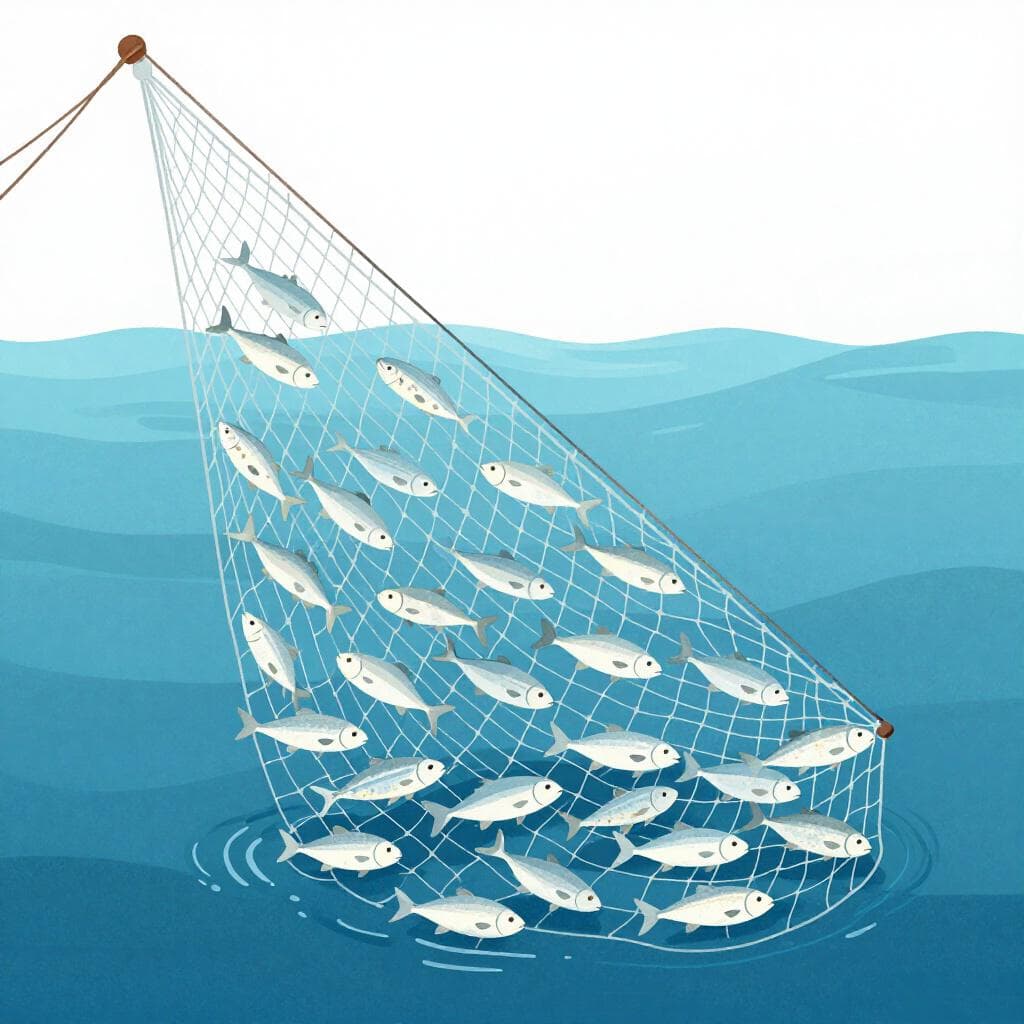
The most common Spanish word for “catch” is “atrapar” — use this verb when you are catching a moving object, like a ball, or capturing an animal.








atrapar
a-tra-para.tɾaˈpaɾ

Examples
El jardinero logró atrapar a la ardilla en la jaula.
The gardener managed to catch the squirrel in the cage.
Tienes que saltar muy alto para atrapar esa pelota.
You have to jump very high to catch that ball.
Direct Object
The thing being caught (the direct object) often follows the verb directly: 'atrapar la pelota' (catch the ball).
pesca
PES-kahˈpes.ka

Examples
Fuimos de pesca en el mar Caribe y fue muy divertido.
We went fishing in the Caribbean Sea and it was a lot of fun.
La pesca de hoy fue tan buena que tenemos suficiente para toda la semana.
Today's catch was so good that we have enough for the whole week.
El gobierno regula la pesca industrial para proteger las especies.
The government regulates industrial fishing to protect the species.
Feminine Noun Rule
Remember that 'pesca' is a feminine word, so you must use feminine articles and adjectives with it (e.g., 'la pesca', 'una buena pesca').
Pesca vs. Pescado
Mistake: “Using 'pesca' when you mean the food you eat.”
Correction: 'Pesca' is the activity or the raw catch. If you are talking about the fish you eat at dinner, use 'pescado' (the cooked or prepared fish).
pescado
pes-KAH-dohpesˈkaðo

Examples
Pedimos pescado frito con limón y ensalada.
We ordered fried fish with lemon and salad.
¿Prefieres carne o pescado para cenar?
Do you prefer meat or fish for dinner?
El pescado fresco de hoy está delicioso.
Today's fresh catch is delicious.
Pescado vs. Pez
Use 'pez' when the animal is alive and swimming in the water. Use 'pescado' when the animal has been caught and is ready to be eaten (fish as food).
Confusing the two words
Mistake: “Quiero comer un pez.”
Correction: Quiero comer pescado. (Unless you want to eat a live fish!)
agarre
ah-GAH-rrehaˈɡare

Examples
Por favor, agarre la barandilla al bajar.
Please, hold the handrail while going down.
No quiero que el niño agarre el cuchillo.
I don't want the child to grab the knife.
Espero que ella agarre la oportunidad.
I hope she grabs the opportunity.
The 'Agarre' special form
The word 'agarre' is a special version of 'agarrar' used when you want to be polite (Usted) or when you are expressing a wish or doubt.
Polite Commands
To tell someone 'Grab this!' politely, you say '¡Agarre esto!' instead of 'Agarra'.
Grab vs To Grab
Mistake: “Saying 'Yo agarre' to mean 'I grab'.”
Correction: Say 'Yo agarro'. Use 'agarre' only for wishes, commands, or 'he/she' in special situations.
tomen
TOH-menˈtomen

Examples
Recomiendo que tomen el metro en lugar del taxi.
I recommend that they take the subway instead of the taxi.
Si tienen prisa, ¡tomen el camino más corto!
If you (plural formal) are in a hurry, take the shortest path!
Transportation Choice
In Spanish, you 'take' transportation (tomar el bus) rather than 'ride' it, similar to English, making this usage easy to remember.
captura
kahp-TOO-rahkapˈtuɾa

Examples
La policía celebró la captura del ladrón después de meses de búsqueda.
The police celebrated the capture of the thief after months of searching.
¿Me puedes enviar una captura de pantalla de esa conversación?
Can you send me a screenshot of that conversation?
La captura de datos es vital para este análisis.
Data capture is vital for this analysis.
Gender Tip
Remember that 'captura' is always feminine, so you must use feminine articles and adjectives with it (e.g., 'una captura rápida' — a quick capture).
Mixing Noun and Verb
Mistake: “Using 'captura' when you mean the action of capturing: *Quiero captura el momento*.”
Correction: Use the verb form 'capturar': 'Quiero capturar el momento' (I want to capture the moment). 'Captura' is the result or the act itself, not the base verb.
pero
peh-roh'pe.ɾo

Examples
El plan es casi perfecto, solo tiene un pero.
The plan is almost perfect, it just has one drawback.
No le pongas peros a todo lo que digo.
Don't find fault with everything I say.
Todo muy bonito, ¿dónde está el pero?
Everything is very nice, so where's the catch?
A Word for an Idea
When 'pero' is used like this, it's a noun—a word for a thing or an idea. Because it's a masculine noun, you'll see it with words like 'un', 'el', or 'ningún'.
conquista
kon-KEES-tahkonˈkista

Examples
La conquista de su corazón fue difícil.
The conquest of her heart was difficult.
La conquista del espacio fue un momento histórico.
The conquest of space was a historical moment.
El derecho al voto fue una gran conquista social.
The right to vote was a great social achievement.
Juan está muy feliz con su nueva conquista.
Juan is very happy with his new romantic interest.
It's Always Feminine
Even though it can describe a man you've won over, the word 'conquista' always stays feminine. You would say 'Él es mi nueva conquista'.
Beyond Military Action
In Spanish, we use this word for rights and goals. If a group of people works hard to get a new law passed, they call that law a 'conquista'.
Don't use 'el'
Mistake: “El conquista fue difícil.”
Correction: La conquista fue difícil. Always use feminine articles (la/una) with this noun.
redada
reh-DAH-dahreˈdaða
Examples
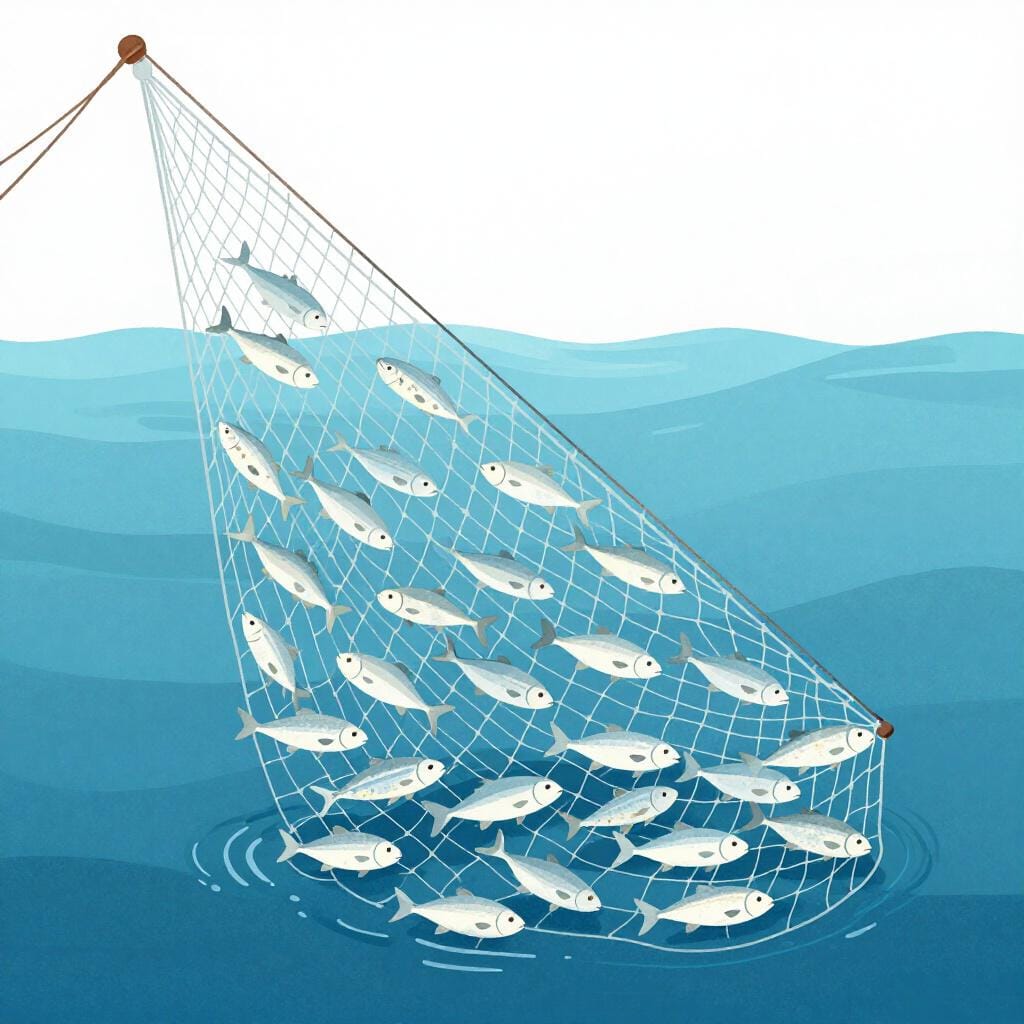
Los pescadores regresaron con una gran redada de sardinas.
The fishermen returned with a large haul of sardines.
Literal Meaning
This is the original meaning of the word. It describes the quantity of fish caught in a single casting of a net (red).
Catching vs. Taking vs. Fishing
Related Translations
Learn Spanish with Inklingo
Interactive stories, personalized learning, and more.