tomen
“tomen” means “take” in Spanish. It has 3 different meanings depending on context:
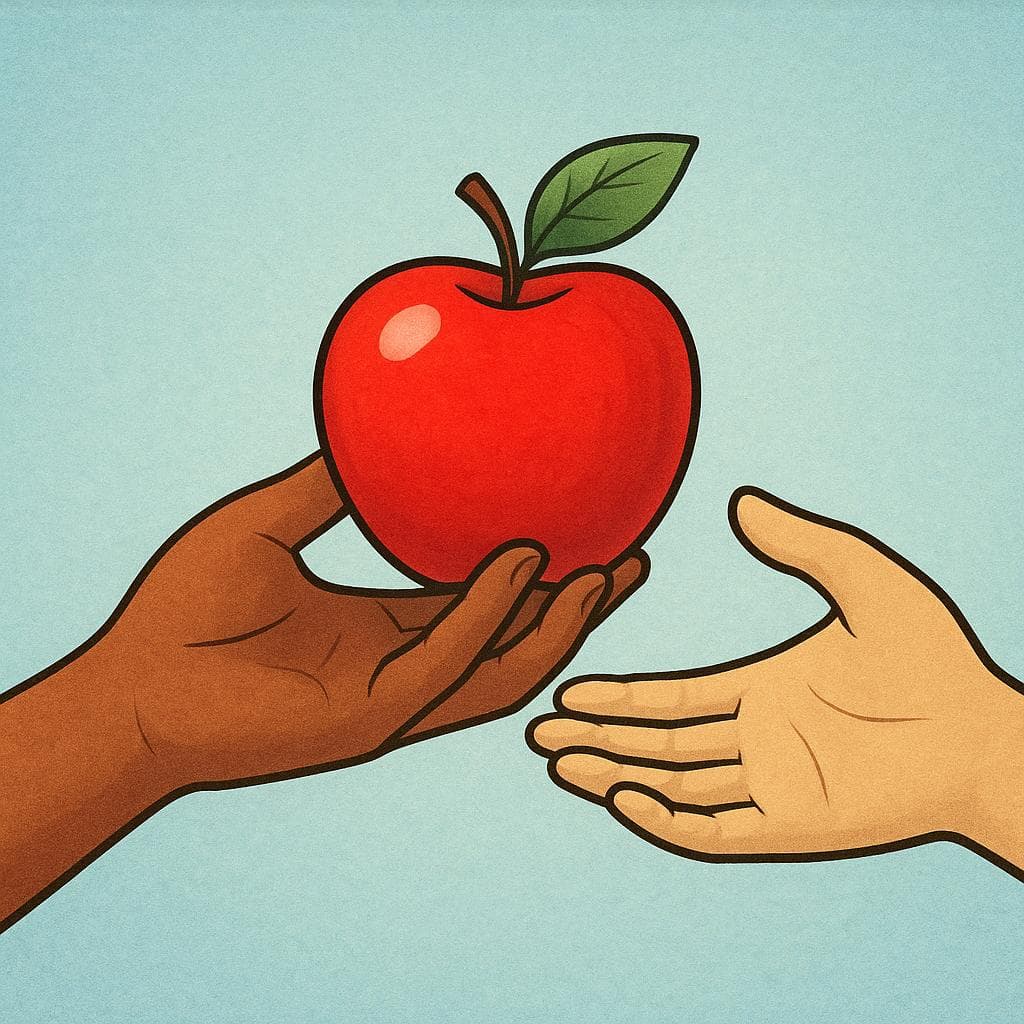


take
Also: grab, receive
📝 In Action
¡Tomen un asiento y esperen al doctor!
A1Take a seat and wait for the doctor!
Espero que los niños tomen la decisión correcta.
A2I hope the children make (take) the correct decision.
El jefe necesita que ustedes tomen más responsabilidades.
B1The boss needs you (plural, formal) to take more responsibilities.
drink
Also: take, have
📝 In Action
¡Tomen esta medicina tres veces al día!
A1Take this medicine three times a day!
¿Quieren que tomen un poco de vino con la cena?
A2Do you want them to drink some wine with dinner?
Les sugiero que tomen un café antes de empezar.
B1I suggest that you (plural formal) have a coffee before starting.
take
Also: catch, board
📝 In Action
Recomiendo que tomen el metro en lugar del taxi.
A2I recommend that they take the subway instead of the taxi.
Si tienen prisa, ¡tomen el camino más corto!
B1If you (plural formal) are in a hurry, take the shortest path!
Indicative
Present
Imperfect
Preterite
Subjunctive
Present Subjunctive
Imperfect Subjunctive
✏️ Quick Practice
Quick Quiz: tomen
Question 1 of 2
Which sentence uses 'tomen' as a direct, polite command?
📚 More Resources
👥 Word Family▼
🎵 Rhymes▼
📚 Etymology▼
From the Latin verb *tumāre*, meaning 'to grab, seize,' which later evolved in Iberian Romance languages to encompass the meaning of 'to drink' as well.
First recorded: 13th century (as *tomar*)
Cognates (Related words)
💡 Master Spanish
Take your Spanish to the next level. Read 200+ illustrated and narrated Spanish stories tailored to your level with the Inklingo app!
Frequently Asked Questions
Is 'tomen' a command form or a subjunctive form?
'Tomen' is both! It is the formal plural command form ('ustedes') meaning 'Take!' or 'Drink!' and it is also the verb form used for 'ellos/ellas/ustedes' in the present subjunctive, which expresses wishes, doubts, or necessity.
How do I know if 'tomen' means 'take' or 'drink'?
Context is key. If the object is a liquid or medicine (tomen agua, tomen la pastilla), it means 'drink/ingest.' If the object is a seat, a bus, or a physical item (tomen el libro, tomen el tren), it means 'take/grab.'