How to Say "hilt" in Spanish
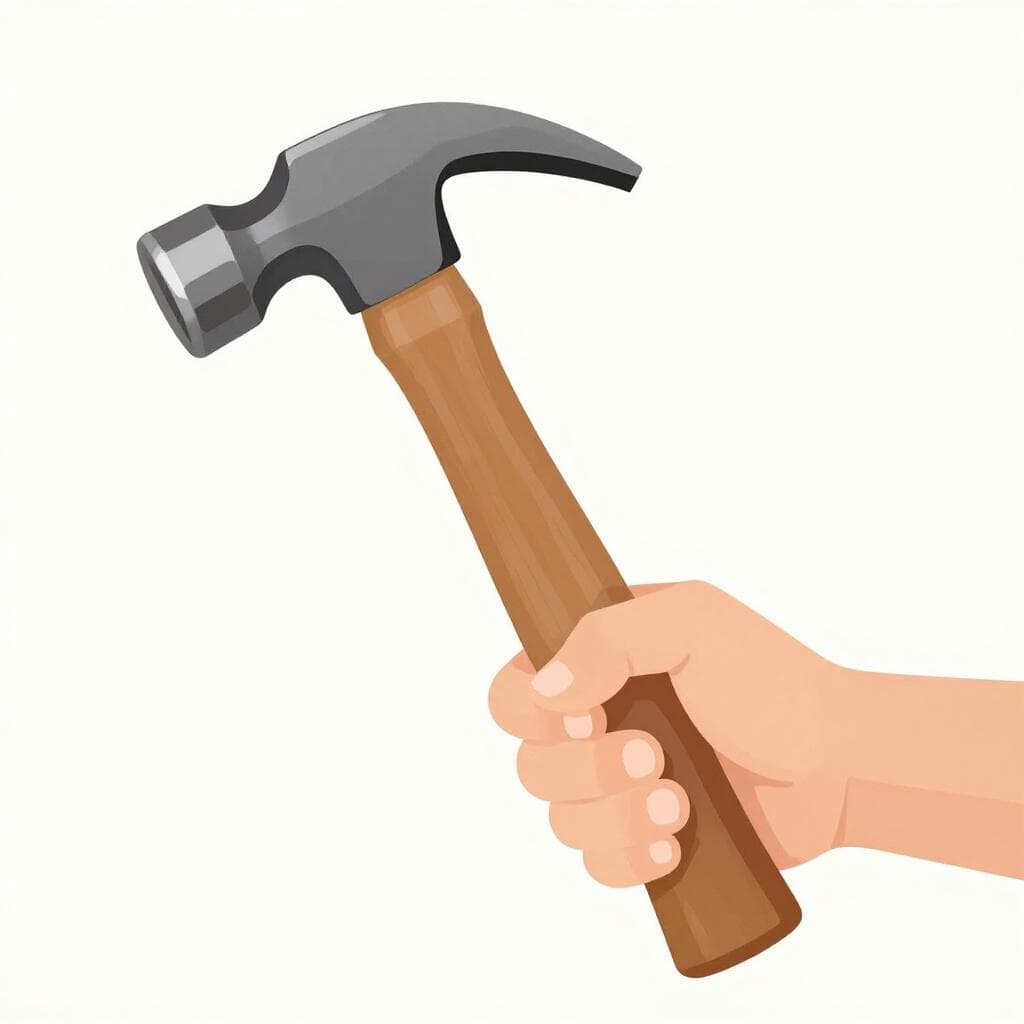
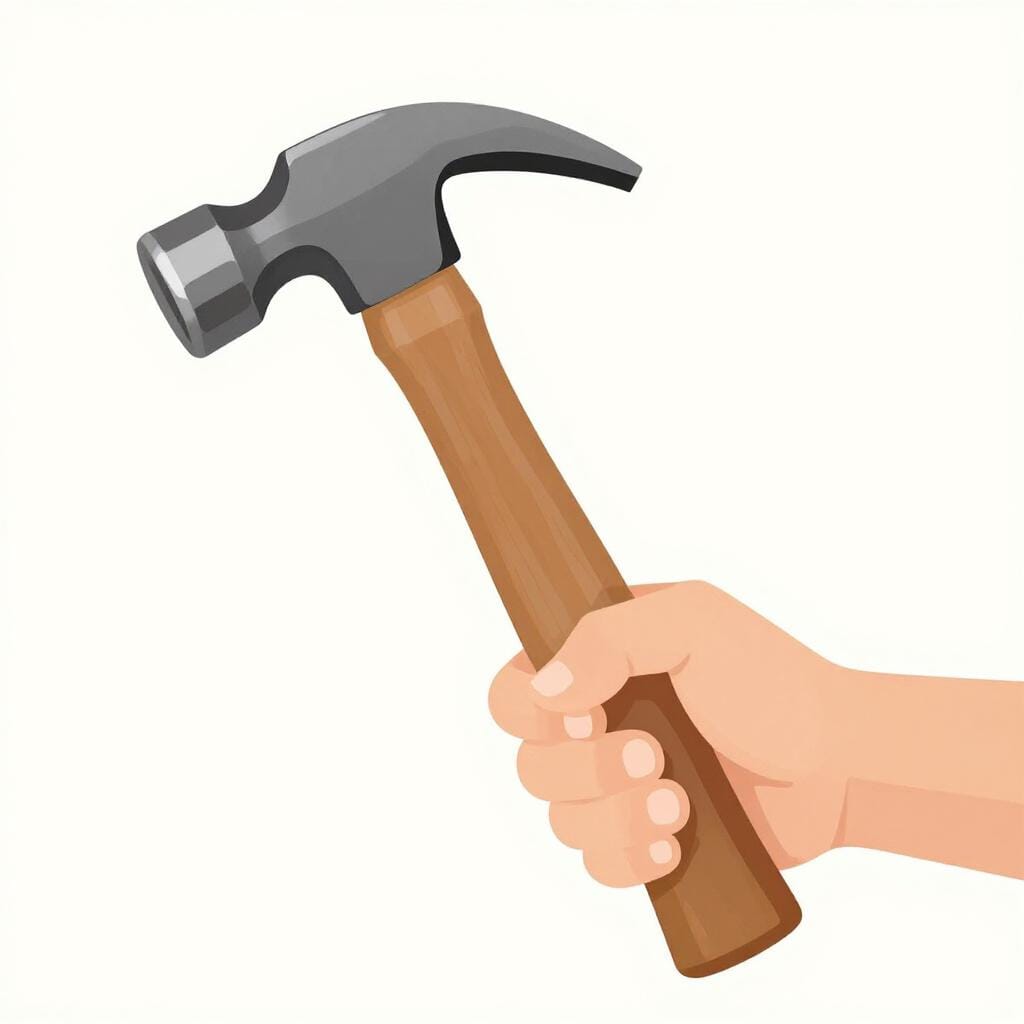
The most common Spanish word for “hilt” is “mango” — use 'mango' when referring to the handle of a sword or knife, or more generally, the handle of any tool or object like a frying pan.
mango
mahn-gohˈmaŋɡo
Examples
El mango del cuchillo está hecho de madera.
The handle of the knife is made of wood.
Ten cuidado, el mango de la sartén quema.
Be careful, the frying pan handle is hot.
Sujeta el martillo por el mango.
Hold the hammer by the handle.
Se rompió el mango de madera del hacha.
The wooden handle of the axe broke.
Mango vs. Asa
Use 'mango' for long handles (like tools or pans) and 'asa' for curved handles (like on a coffee mug or a suitcase).
Gender remains the same
Mistake: “La manga del martillo.”
Correction: El mango del martillo. Even when referring to a tool part, it is always masculine.
guarnición
Examples
La guarnición de la espada era de plata labrada.
The hilt of the sword was made of carved silver.
Mango vs. Guarnición
Learn Spanish with Inklingo
Interactive stories, personalized learning, and more.