Fruits in Spanish
Learning fruit names in Spanish is super useful for everything from ordering at a cafe to chatting about healthy snacks! You'll find that Spanish is pretty straightforward with fruits, often using words very similar to English. Plus, understanding how Spanish handles plurals and gender for these common words will give you a great head start.
Quick Reference
| Spanish | English | Example | Level |
|---|---|---|---|
banana | banana | Comí una banana en el desayuno. | A1 |
coco | coconut | Quiero beber agua de coco, está muy refrescante. | A1 |
fruta | fruit | Me gusta comer mucha fruta fresca en el desayuno. | A1 |
maduro | ripe | El plátano está muy maduro. | A1 |
mango | mango | Me encanta comer mango maduro en el desayuno. | A1 |
manzana | apple | Me gusta comer una manzana después del almuerzo. | A1 |
melón | melon | El melón está muy dulce hoy. | A1 |
naranja | orange | Quiero una naranja dulce para el postre. | A1 |
nueces | walnuts | Puse algunas nueces en mi ensalada para que esté crujiente. | A1 |
nuez | walnut | Me gusta comer yogur con miel y nueces. | A1 |
oliva | olive | El aceite de oliva es la base de la cocina española. | A1 |
pera | pear | Me gusta comer una pera de postre. | A1 |
A1 — Beginner (16 words)

banana
“Comí una banana en el desayuno.”

coconut
“Quiero beber agua de coco, está muy refrescante.”
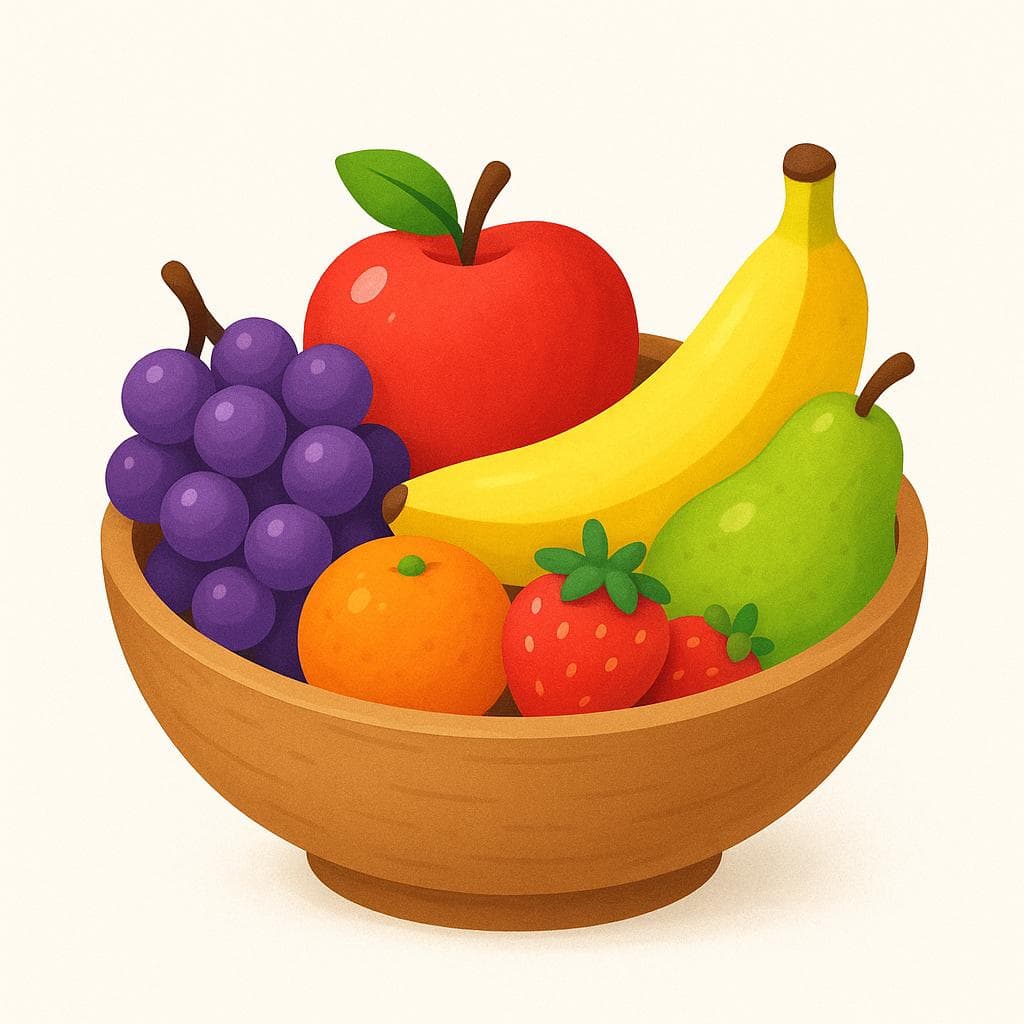
fruit
“Me gusta comer mucha fruta fresca en el desayuno.”

ripe
“El plátano está muy maduro.”
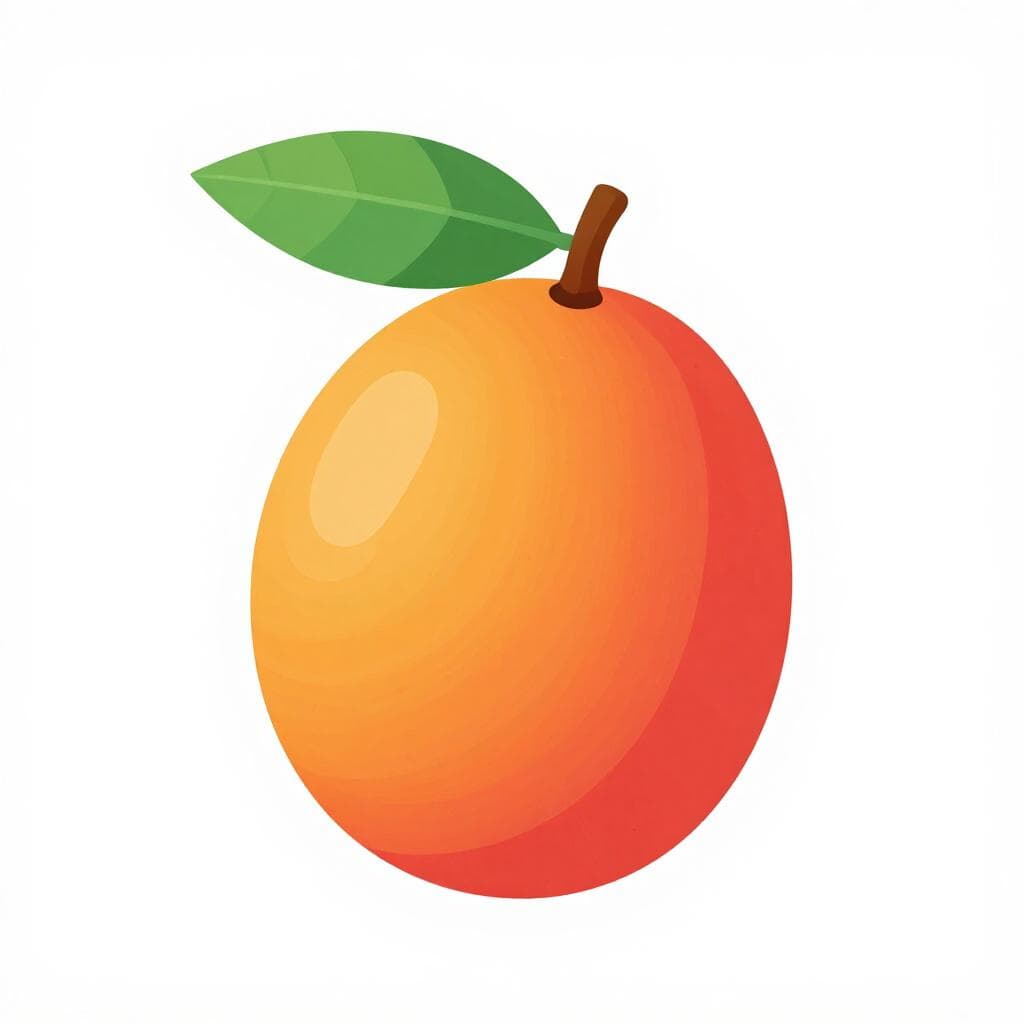
mango
“Me encanta comer mango maduro en el desayuno.”
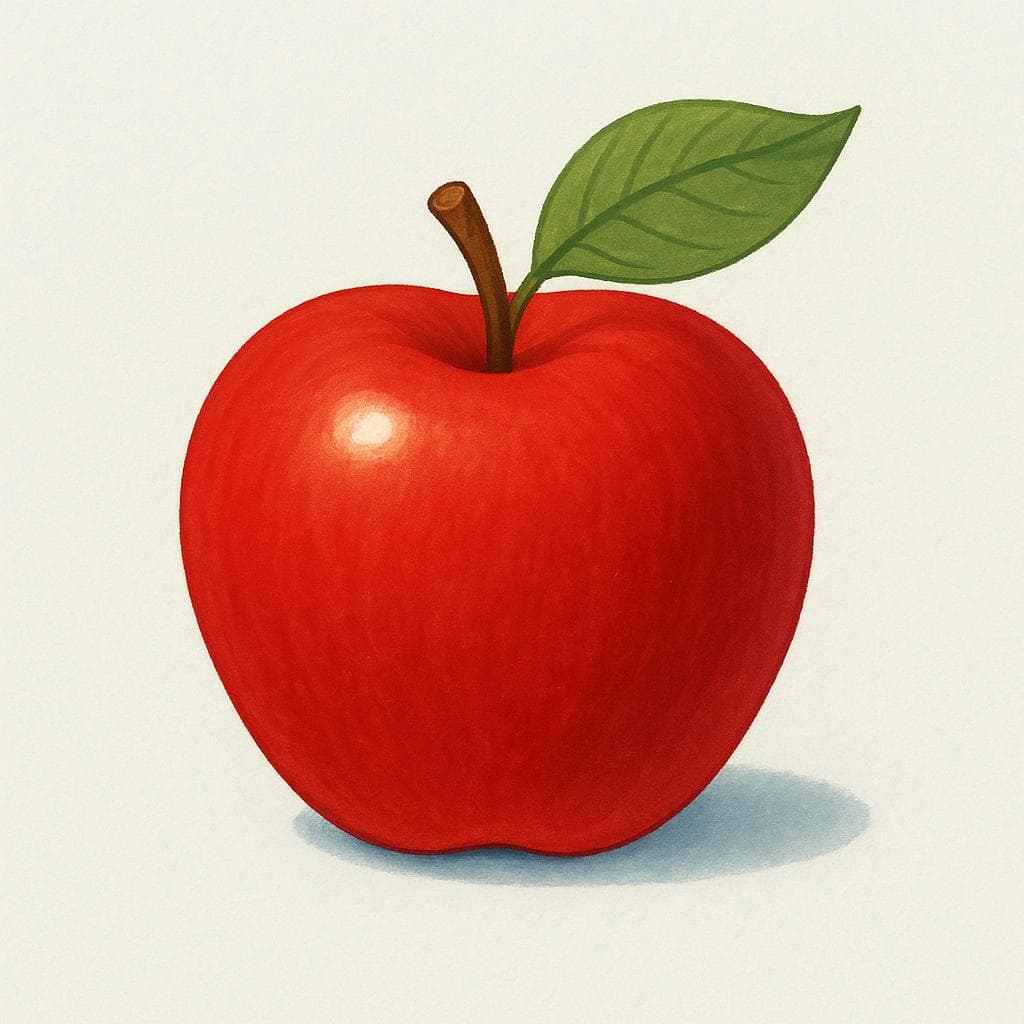
apple
“Me gusta comer una manzana después del almuerzo.”
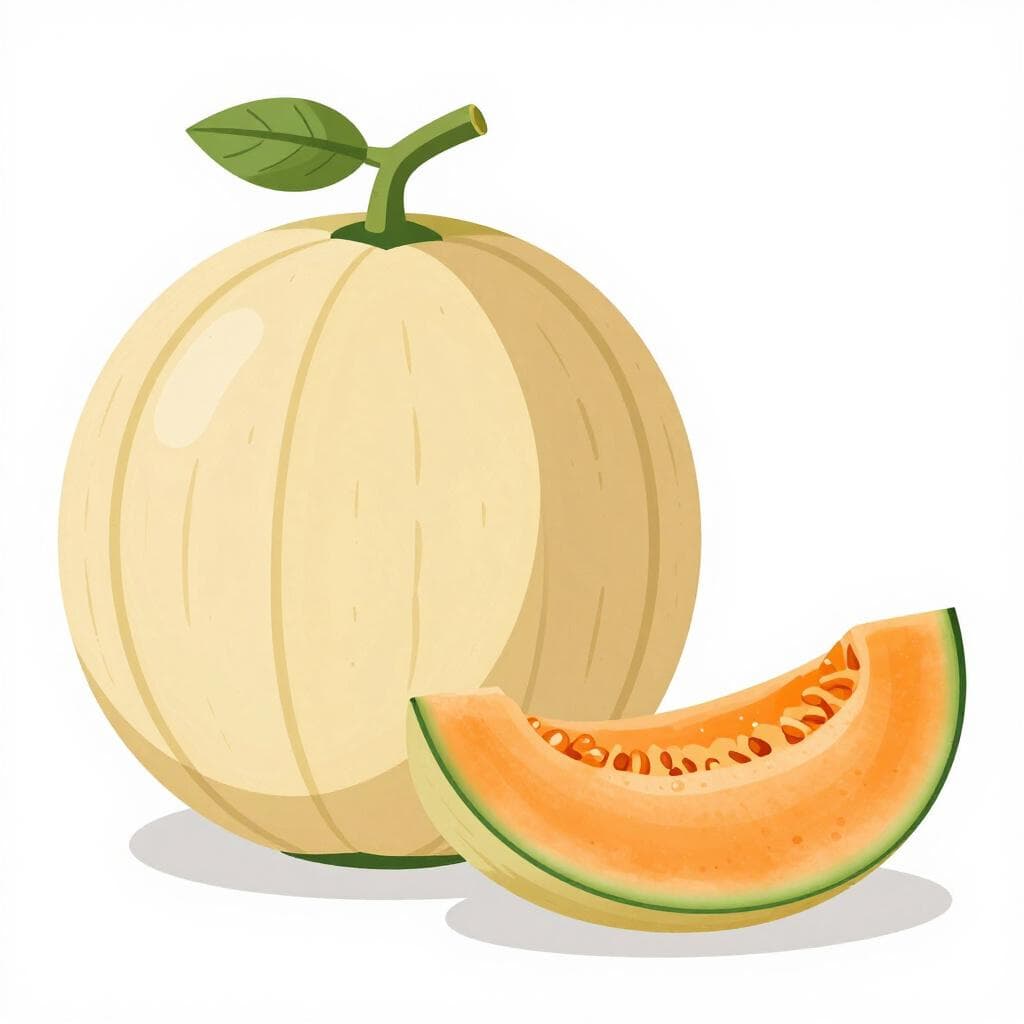
melon
“El melón está muy dulce hoy.”
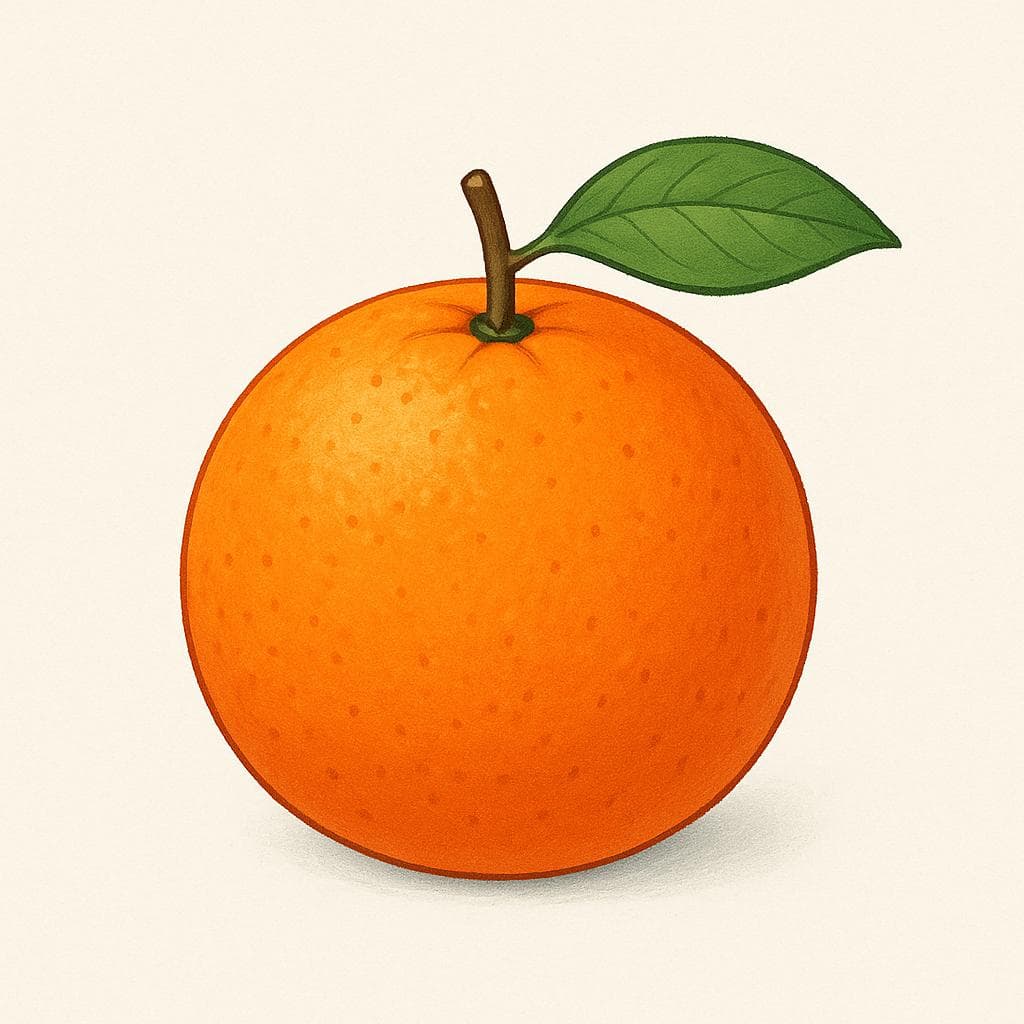
orange
“Quiero una naranja dulce para el postre.”
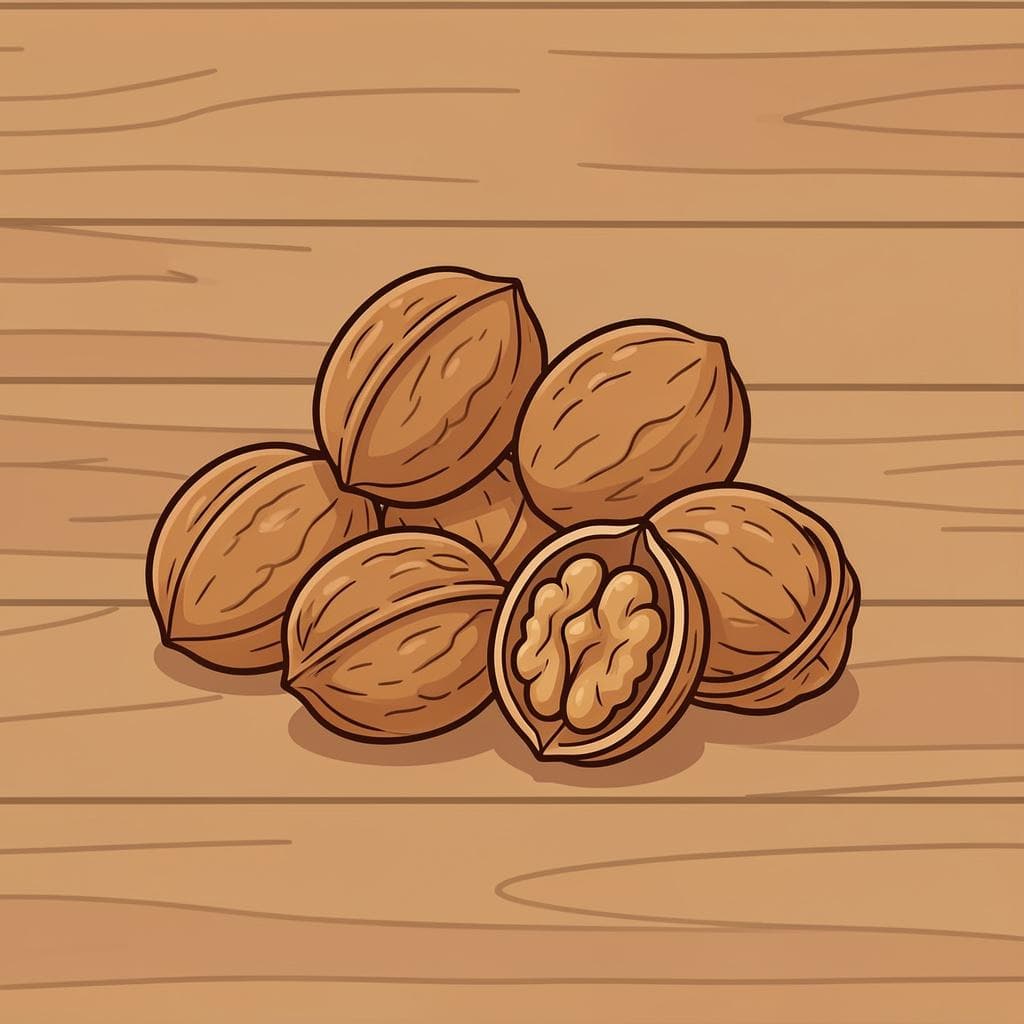
walnuts
“Puse algunas nueces en mi ensalada para que esté crujiente.”

walnut
“Me gusta comer yogur con miel y nueces.”

olive
“El aceite de oliva es la base de la cocina española.”
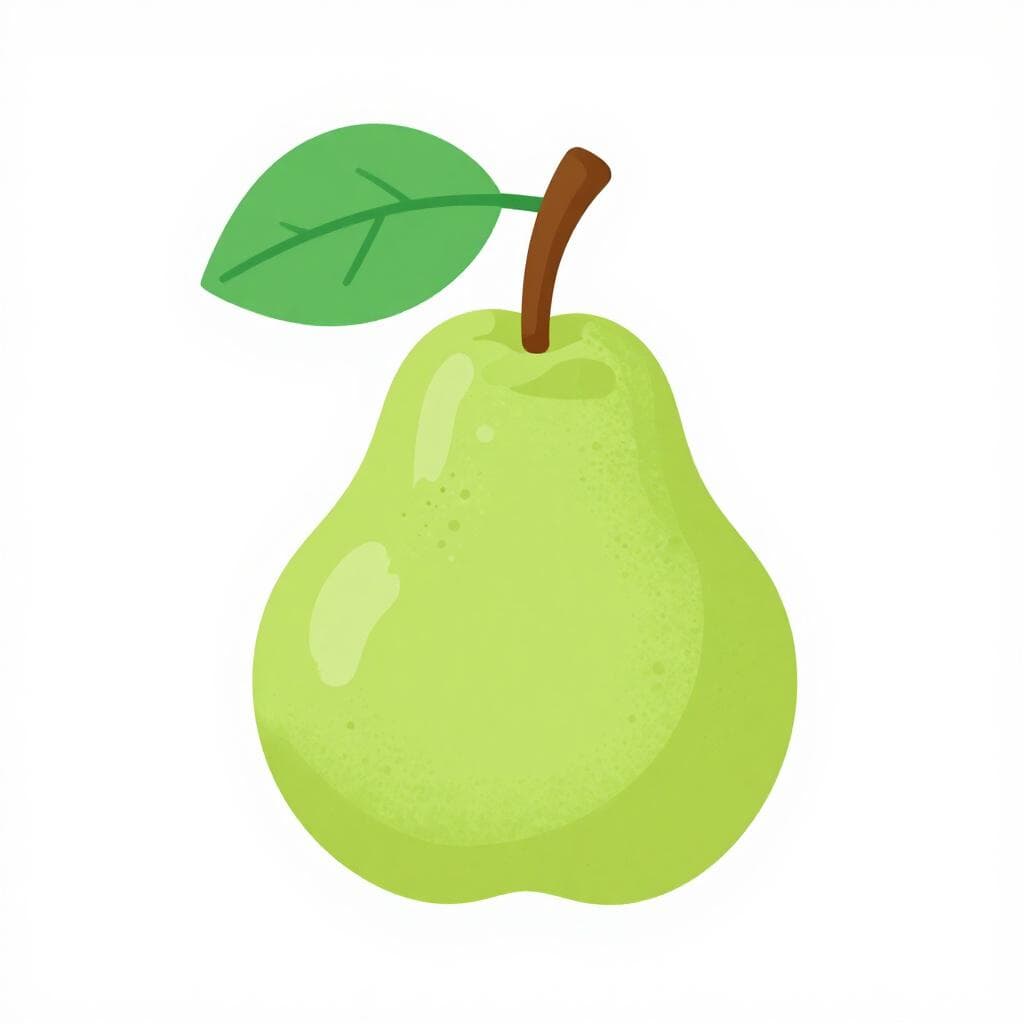
pear
“Me gusta comer una pera de postre.”

pineapple
“Compré una piña muy dulce en el mercado.”

banana
“Me gusta comer un plátano después de hacer ejercicio.”
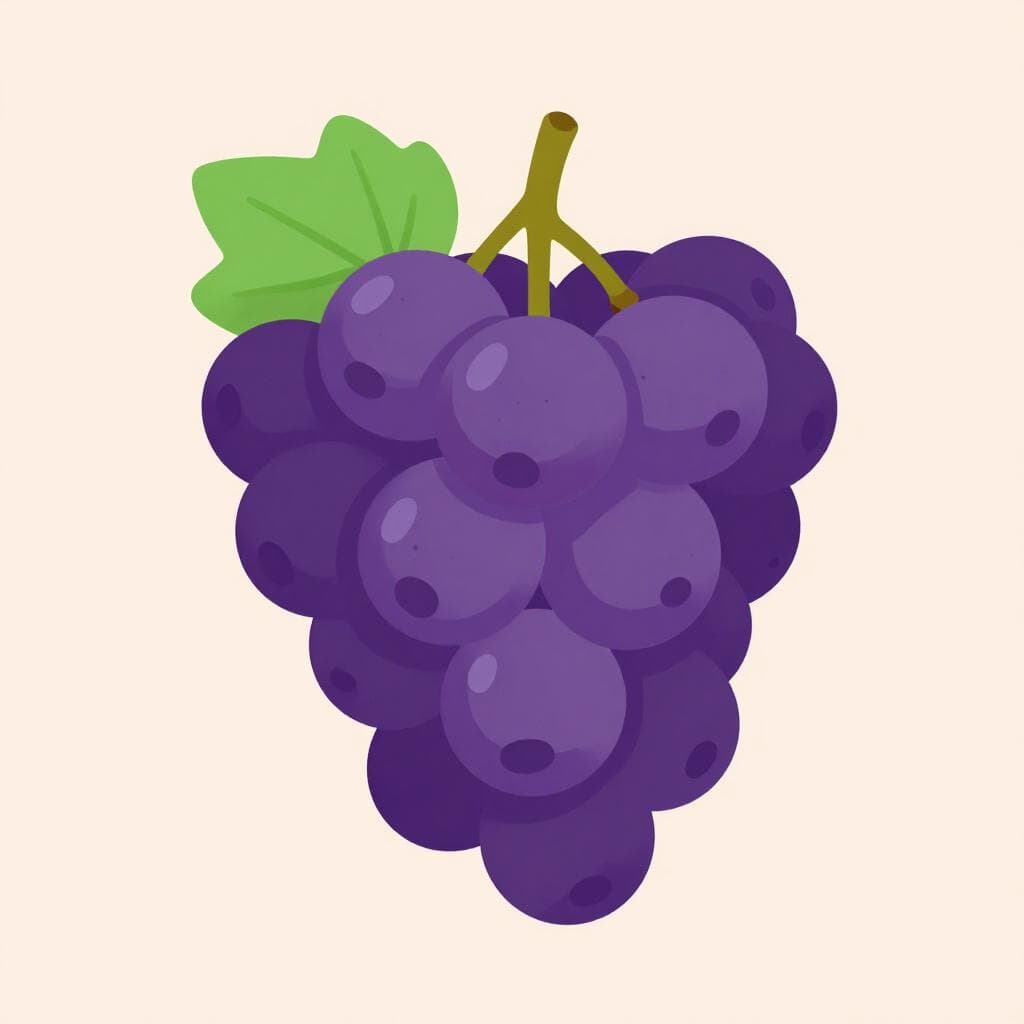
grape
“Me gusta comer una uva verde después de cenar.”

cherry
“Me gusta comer una cereza dulce después de cenar.”
A2 — Elementary (3 words)
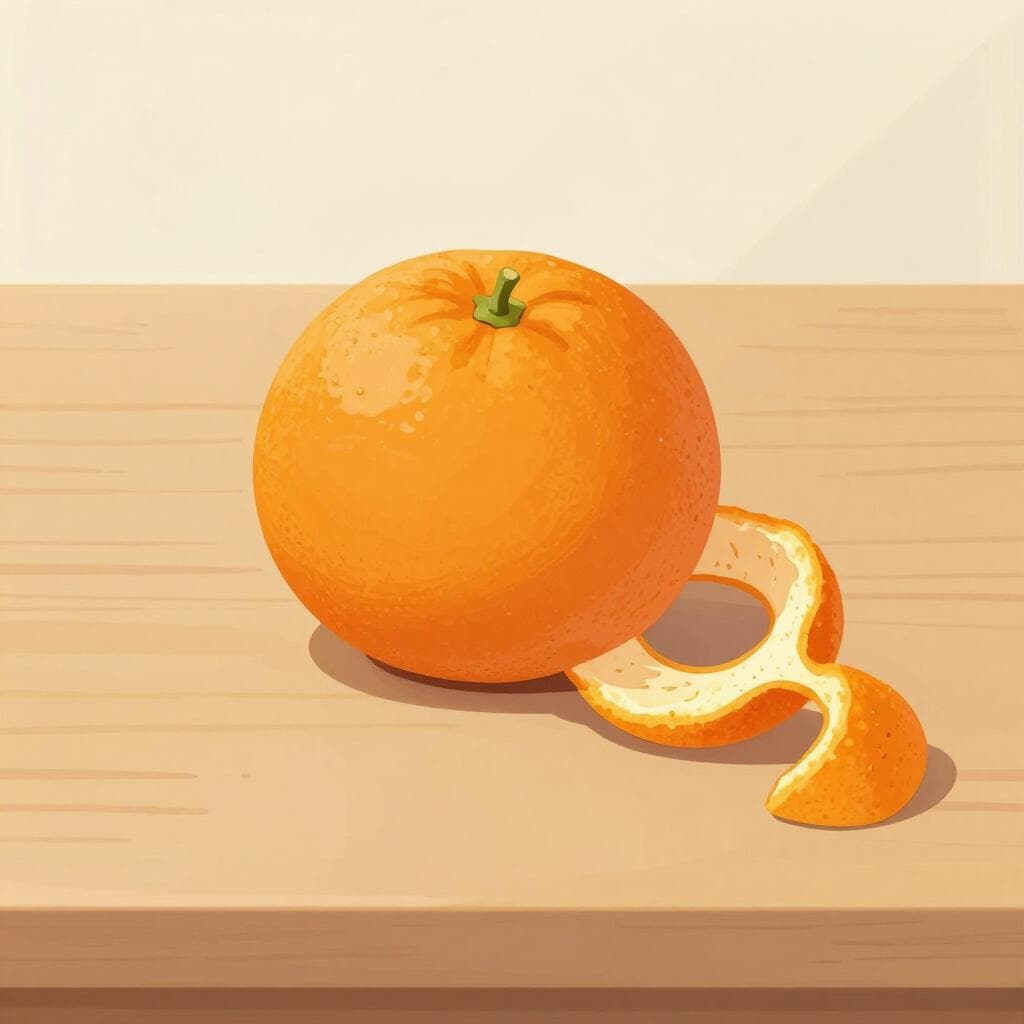
peel
“No te comas la cáscara del plátano.”
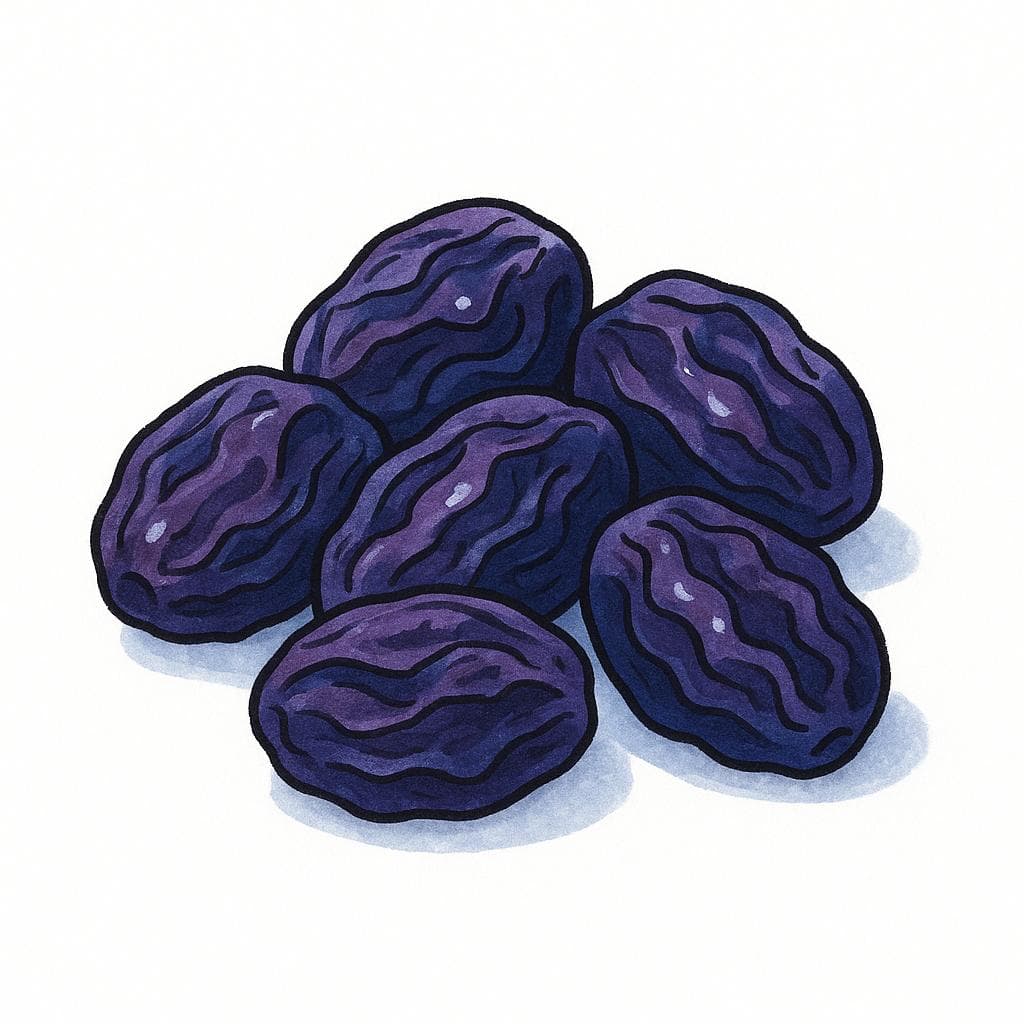
raisins
“No me gustan las galletas con pasas, prefiero las de chocolate.”
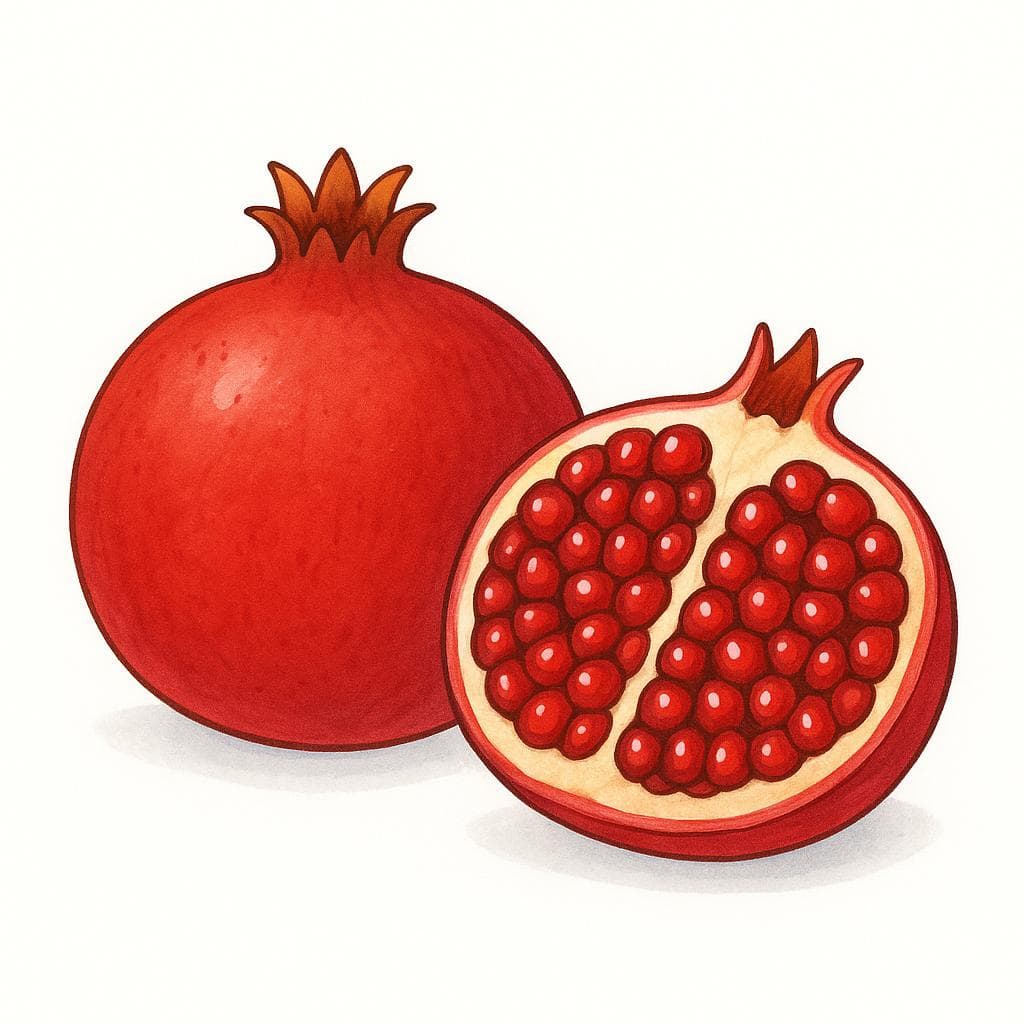
pomegranate
“Me encanta comer ensalada con granada en el otoño.”
B1 — Intermediate (1 words)

cas (tropical fruit)
“¿Has probado el fresco de cas? Es delicioso.”
Grammar Tips
Gender and Plurals
Most fruit names in Spanish are feminine (ending in -a) and follow regular plural rules: add -s if the word ends in a vowel, or -es if it ends in a consonant. For example, 'la manzana' (the apple) becomes 'las manzanas' (the apples).
Ripe and Unripe
The adjective 'maduro' (ripe) and 'verde' (unripe) must agree in gender and number with the fruit. So, 'la banana madura' (the ripe banana) or 'los mangos maduros' (the ripe mangoes).
Peel vs. Fruit
Be aware of 'cáscara' (peel) and 'fruta' (fruit). While similar to English, remember 'cáscara' is feminine ('la cáscara'), and 'fruta' is also feminine ('la fruta').
Common Mistakes
Adjective Agreement
Mistake: “La banana maduro es dulce.”
Correction: La banana madura es dulce. — The adjective 'maduro' must agree in gender with the feminine noun 'banana', so it becomes 'madura'.
Singular/Plural Mix-up
Mistake: “Me gusta las manzanas.”
Correction: Me gustan las manzanas. — When 'gustar' refers to a plural subject ('las manzanas'), the verb must also be plural ('gustan').
Using 'Fruto' Incorrectly
Mistake: “Comí una fruto deliciosa.”
Correction: Comí una fruta deliciosa. — While 'fruto' can mean fruit, 'fruta' is the general term for fruit and is much more common in everyday conversation. 'Fruto' often refers to the product of a plant or a metaphorical outcome.
Cultural Notes
Tropical Delights
Latin America boasts an incredible variety of tropical fruits not commonly found in Europe or North America. Words like 'mamey' or 'guanábana' might be new, but are delicious local favorites!
Market Culture
In many Spanish-speaking countries, fresh fruit is a staple at local markets ('mercados'). It's common to buy fruits seasonally and directly from farmers, often tasting them before you buy!