maduro
“maduro” means “ripe” in Spanish. It has 3 different meanings depending on context:
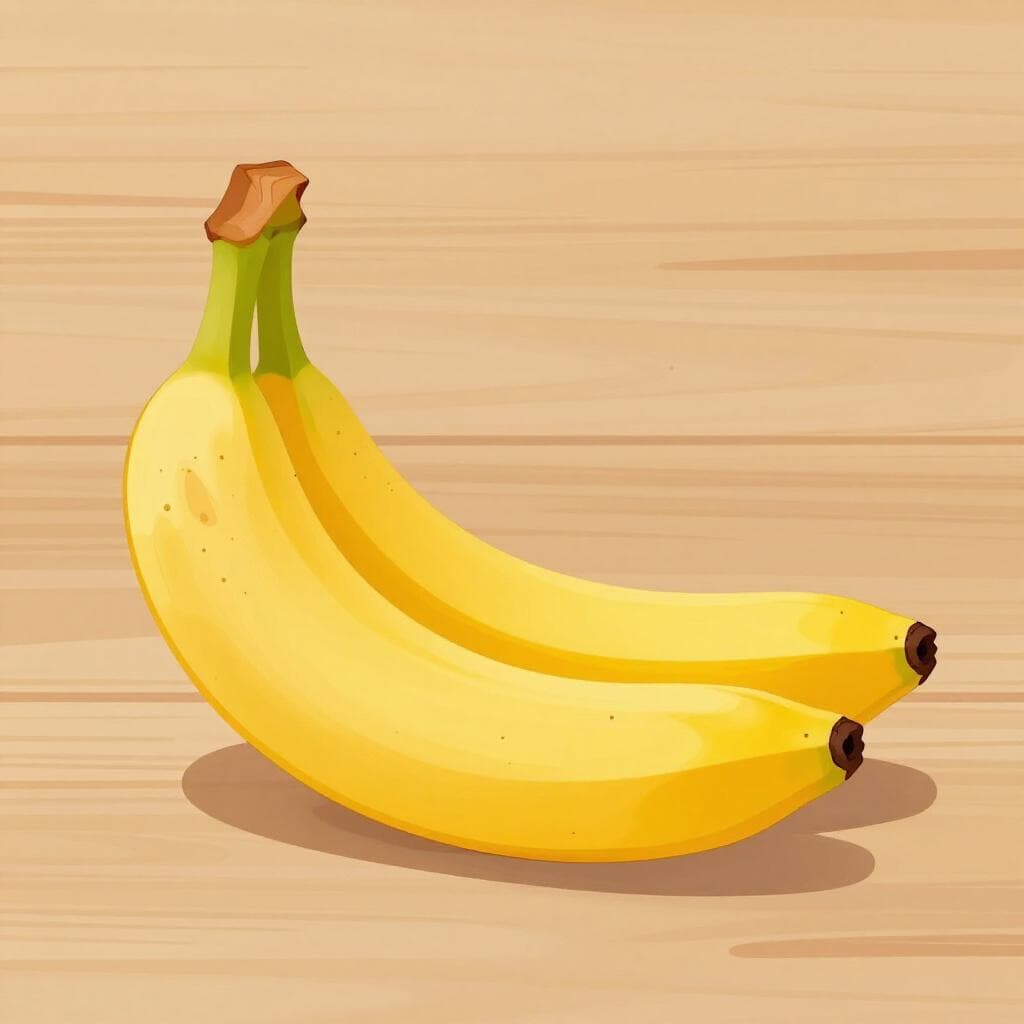


ripe
Also: ready to eat
📝 In Action
El plátano está muy maduro.
A1The banana is very ripe.
No compres esos aguacates, todavía no están maduros.
A2Don't buy those avocados; they aren't ripe yet.
Necesito un tomate maduro para la ensalada.
A2I need a ripe tomato for the salad.
mature
Also: sensible, middle-aged
📝 In Action
Juan es un chico muy maduro para su edad.
B1Juan is a very mature boy for his age.
Tomaron una decisión madura y responsable.
B2They made a mature and responsible decision.
Es un hombre maduro de unos cincuenta años.
B2He is a middle-aged man of about fifty years.
fried ripe plantain
Also: sweet plantain
📝 In Action
Acompañamos el almuerzo con tajadas de maduro.
B1We served the lunch with slices of fried ripe plantain.
¿Prefieres el plátano verde o el maduro?
B1Do you prefer the green plantain or the ripe one?
El maduro frito es mi parte favorita del plato.
B2The fried sweet plantain is my favorite part of the dish.
Vocabulary Collections
Translate to Spanish
✏️ Quick Practice
Quick Quiz: maduro
Question 1 of 3
How do you say 'The banana is ripe'?
📚 More Resources
👥 Word Family▼
📚 Etymology▼
From the Latin word 'maturus', which originally meant 'timely', 'early', or 'coming at the right time'. Over time, it evolved to describe fruit that was ready to harvest and people who were fully developed.
First recorded: 12th century
Cognates (Related words)
💡 Master Spanish
Take your Spanish to the next level. Read 200+ illustrated and narrated Spanish stories tailored to your level with the Inklingo app!
Frequently Asked Questions
Can I use 'maduro' for both men and women?
As an adjective, it changes to match the gender. Use 'maduro' for men/masculine objects and 'madura' for women/feminine objects.
Is 'maduro' offensive when describing an older person?
No, it's actually quite polite. It's similar to calling someone 'mature' or 'distinguished' rather than 'old' (viejo).
Does 'maduro' always mean sweet plantain in every country?
No, while it is common in the Caribbean and Andes, in Spain or Mexico, they usually say 'plátano frito' or 'plátano macho' instead.