How to Say "ripe" in Spanish
The Spanish word for “ripe” is “maduro” — A1 level. This is a very common word in everyday Spanish.
English → SpanishA1
adjectiveA1
referring to fruit or vegetables
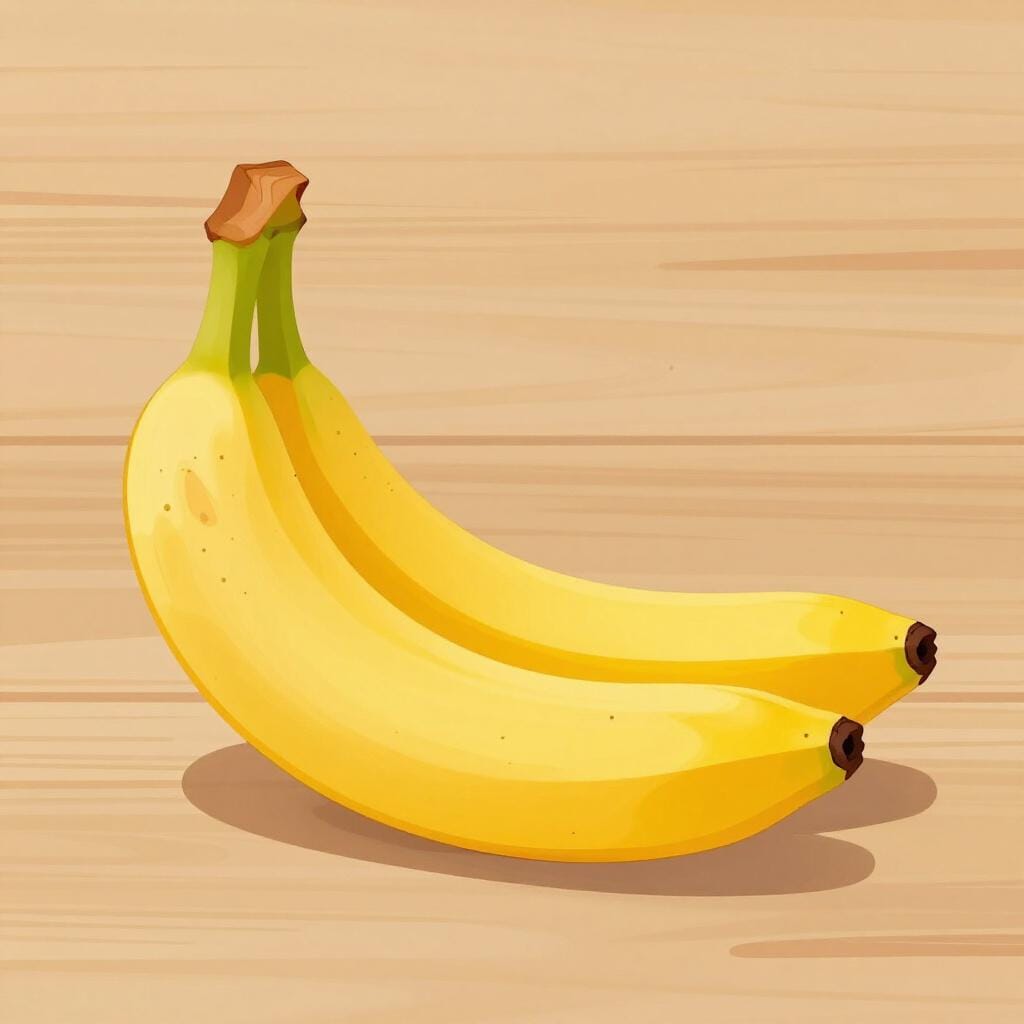
Examples
El plátano está muy maduro.
The banana is very ripe.
No compres esos aguacates, todavía no están maduros.
Don't buy those avocados; they aren't ripe yet.
Necesito un tomate maduro para la ensalada.
I need a ripe tomato for the salad.
Using 'Estar' for Ripeness
When talking about fruit being ripe, always use 'estar' (to be) because ripeness is a state that changes over time.
Ending Changes
Remember to change the ending to 'madura' for feminine words like 'manzana' (apple) or 'fresa' (strawberry).
Don't use 'ser'
Mistake: “La manzana es madura.”
Correction: La manzana está madura. (Use 'está' because the apple didn't start out ripe; it reached that state.)
Related Translations
Learn Spanish with Inklingo
Interactive stories, personalized learning, and more.