inmaduro
“inmaduro” means “unripe” in Spanish. It has 2 different meanings depending on context:
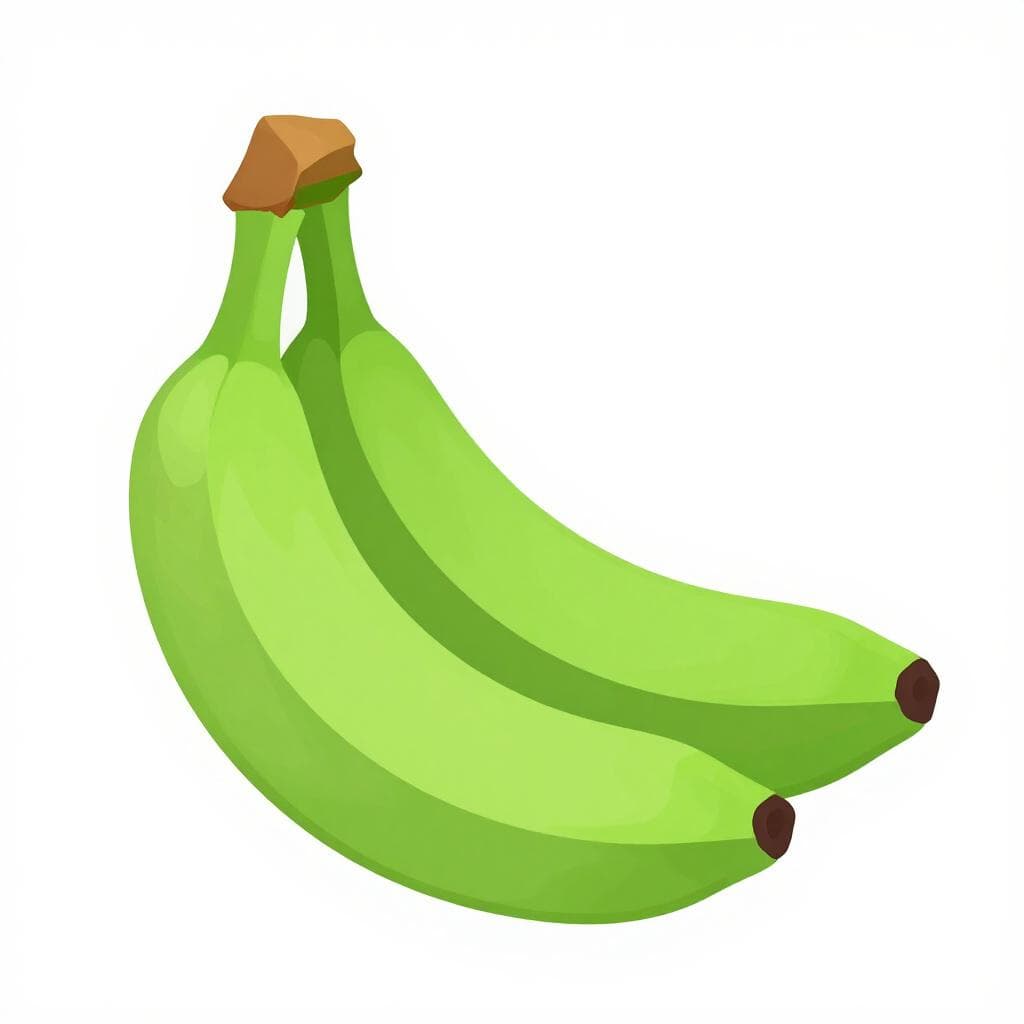

unripe
Also: green
📝 In Action
No comas el plátano, todavía está inmaduro.
A1Don't eat the banana, it is still unripe.
Las manzanas inmaduras son muy ácidas.
A2Unripe apples are very sour.
Cosecharon el trigo cuando aún estaba inmaduro.
B1They harvested the wheat when it was still green.
immature
Also: childish
📝 In Action
Él es muy inmaduro para su edad.
A2He is very immature for his age.
Fue un comentario inmaduro por su parte.
B1It was a childish comment on his part.
A veces actúas de forma inmadura.
B2Sometimes you act in an immature way.
✏️ Quick Practice
Quick Quiz: inmaduro
Question 1 of 3
Which sentence describes a fruit that is NOT ready to eat?
📚 More Resources
👥 Word Family▼
📚 Etymology▼
From Latin 'im-' (not) combined with 'maturus' (ripe or timely). It literally means something that hasn't reached its proper time or state yet.
First recorded: 13th century
Cognates (Related words)
💡 Master Spanish
Take your Spanish to the next level. Read 200+ illustrated and narrated Spanish stories tailored to your level with the Inklingo app!
Frequently Asked Questions
Does 'inmaduro' always have two M's like in English?
No! This is a common trap for English speakers. In Spanish, it is spelled with an 'n' and one 'm': inmaduro.
Can I use 'inmaduro' for a business plan or an idea?
Yes! You can use it to describe an idea that isn't fully thought out or developed yet, just like 'half-baked' in English.
When should I use 'verde' instead of 'inmaduro'?
Use 'verde' for fruit in casual daily talk. Use 'inmaduro' in more formal writing, scientific contexts, or when specifically talking about personality/behavior.