How to Say "green" in Spanish
The most common Spanish word for “green” is “verde” — use 'verde' when referring to the color green, or for things that are literally green in color.

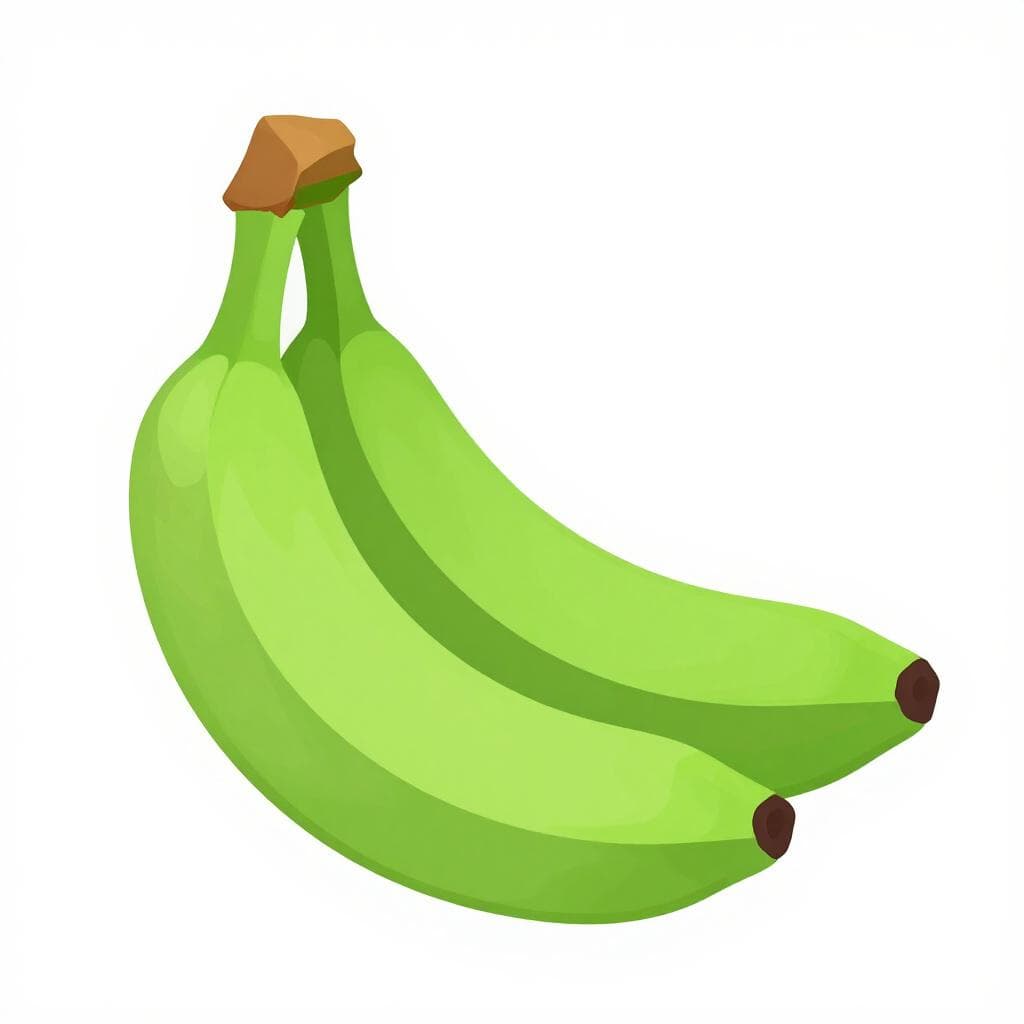

verde
BEHR-dehˈbeɾðe

Examples
Mi coche nuevo es de color verde brillante.
My new car is a bright green color.
Ella siempre lleva ropa verde.
She always wears green clothes.
Necesitamos tomar decisiones más verdes para el planeta.
We need to make more green (environmental) decisions for the planet.
Me gusta más el verde que el amarillo para pintar la sala.
I like green more than yellow for painting the living room.
Adjective Agreement
As an adjective, 'verde' must match the noun it describes. Luckily, it only changes form for singular ('verde') and plural ('verdes'), regardless of whether the noun is masculine or feminine.
Colors as Nouns
When you use a color word by itself as a noun (meaning 'the color'), it is always treated as masculine, regardless of whether it describes a feminine object later.
Gender Confusion
Mistake: “La verde es mi favorito.”
Correction: El verde es mi favorito. (Because the color itself is always masculine when used as a noun.)
verde
Examples
Me gusta más el verde que el amarillo para pintar la sala.
I like green more than yellow for painting the living room.
ecológico
Examples
Mi primo se compró un coche ecológico.
My cousin bought an eco-friendly car.
inmaduro
een-mah-DOO-rohinmaˈðuɾo

Examples
No comas el plátano, todavía está inmaduro.
Don't eat the banana, it is still unripe.
Las manzanas inmaduras son muy ácidas.
Unripe apples are very sour.
Cosecharon el trigo cuando aún estaba inmaduro.
They harvested the wheat when it was still green.
Matching Gender
If you are describing something feminine, like 'la fruta', change the ending to 'a': 'la fruta inmadura'.
Using 'Estar'
When talking about fruit being unripe, we use the verb 'estar' because ripeness is a temporary state that changes over time.
Using 'ser' for fruit
Mistake: “La manzana es inmadura.”
Correction: La manzana está inmadura. Use 'estar' because the fruit will eventually ripen; it's a current condition, not a permanent trait.
hoyo
OH-yohˈo.ʝo

Examples
Hizo un 'hole in one' en el hoyo 18.
He got a 'hole in one' on the 18th hole.
Solo nos quedan tres hoyos para terminar el partido.
We only have three holes left to finish the game.
Color vs. Environmentally Friendly
Learn Spanish with Inklingo
Interactive stories, personalized learning, and more.