How to Say "dirty" in Spanish
The most common Spanish word for “dirty” is “sucio” — use 'sucio' for general physical uncleanliness or when referring to dishonest or unfair behavior.

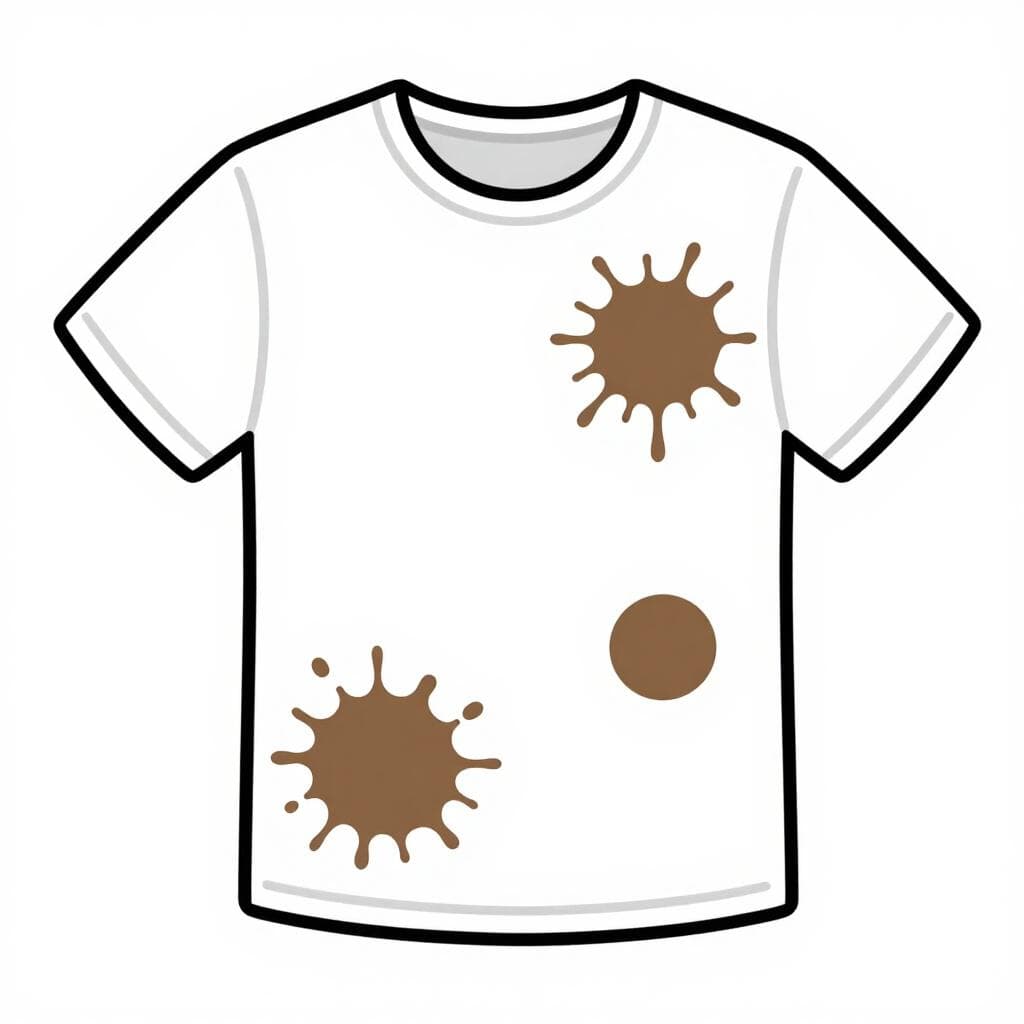

sucio
SOO-thee-oh (Spain) / SOO-see-oh (Latin America)ˈsu.θjo

Examples
Mis zapatos están muy sucios después de caminar en el parque.
My shoes are very dirty after walking in the park.
Necesitas cambiarte; toda tu ropa está sucia.
You need to change; all your clothes are dirty.
El suelo de la cocina estaba sucio con migas y grasa.
The kitchen floor was dirty with crumbs and grease.
Ganó el partido con un juego sucio y muchas trampas.
He won the match with dirty play and lots of cheating.
Adjective Agreement
Since 'sucio' describes nouns, its ending must match the noun. Use 'sucio' (masculine singular), 'sucia' (feminine singular), 'sucios' (masculine plural), or 'sucias' (feminine plural).
Forgetting Gender Agreement
Mistake: “La camisa es sucio.”
Correction: La camisa es sucia. (Always match the adjective to the noun's gender, 'camisa' is feminine.)
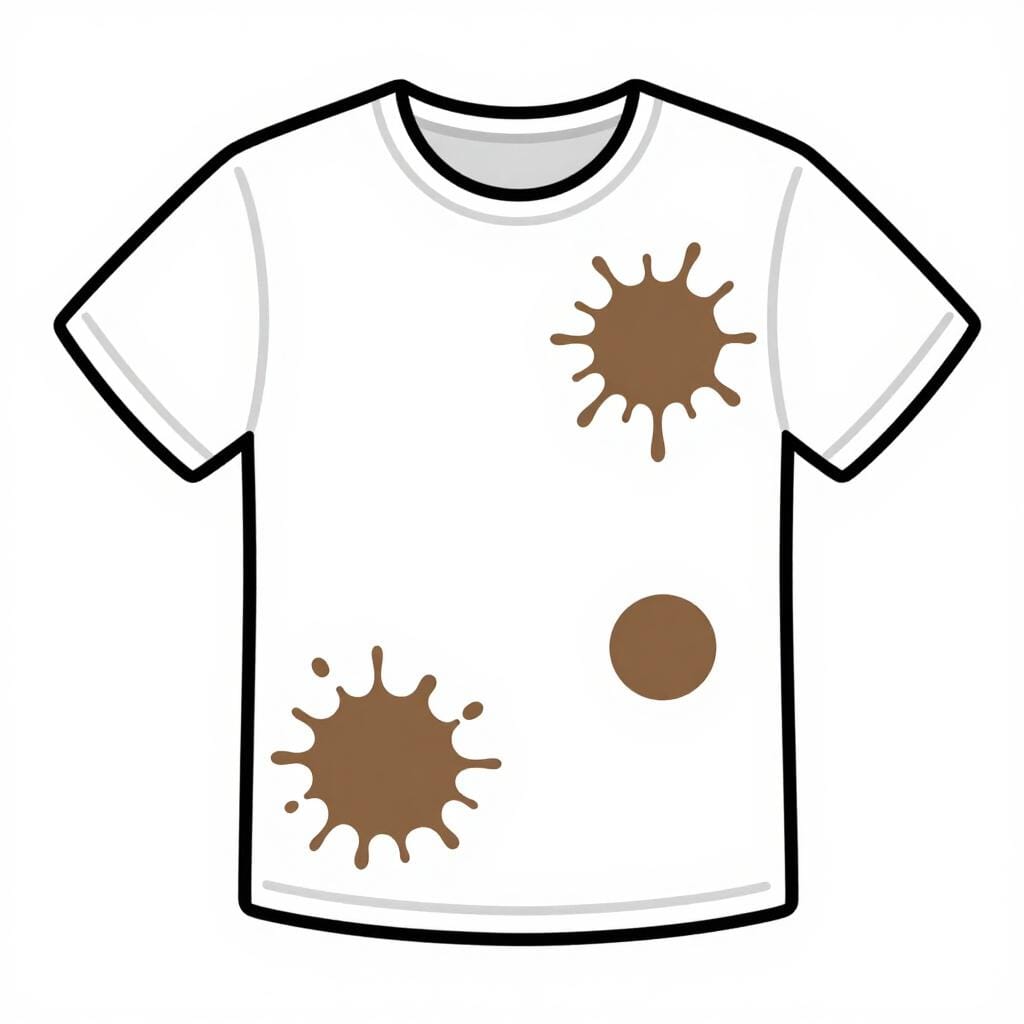
puerco
PWEHR-kohˈpweɾko
Examples
¡Qué puerco está el baño!
How filthy the bathroom is!
No seas puerco y límpiate la cara.
Don't be gross; clean your face.
Me hizo una jugada muy puerca.
He played a very dirty trick on me.
Changing for Gender
When using this as a description, it must match what you are describing. If you describe a room (la habitación), use 'puerca'. If you describe a car (el coche), use 'puerco'.
Using with 'Ser' vs 'Estar'
Use 'ser' if someone is naturally a messy person ('Él es puerco'). Use 'estar' if something is just dirty right now ('El piso está puerco').
Avoiding Offense
Mistake: “Calling a stranger 'puerco'.”
Correction: This is very informal and can be an insult. Only use it with friends or to describe objects unless you mean to be rude!
verde
BEHR-dehˈbeɾðe

Examples
A mi jefe no le gusta que contemos chistes verdes en la oficina.
My boss doesn't like us telling dirty/obscene jokes in the office.
La película tenía diálogos un poco verdes para un público infantil.
The movie had slightly crude dialogue for a child audience.
Physical vs. Moral 'Dirty'
Learn Spanish with Inklingo
Interactive stories, personalized learning, and more.