Vegetables in Spanish
Learning Spanish vegetable vocabulary is super practical for everyday life, whether you're grocery shopping, ordering food, or just chatting about healthy eating. You'll find that many vegetable names are similar to English, but some have unique origins. Plus, knowing these words opens up a whole world of delicious Spanish cuisine!
Quick Reference
| Spanish | English | Example | Level |
|---|---|---|---|
aceituna | olive | Me gusta comer aceitunas con mi ensalada. | A1 |
ajo | garlic | Necesito tres dientes de ajo para la salsa. | A1 |
calabaza | pumpkin | Compramos una calabaza enorme para Halloween. | A1 |
cebolla | onion | Siempre lloro cuando pico cebolla. | A1 |
ensalada | salad | Para el almuerzo, pedí una ensalada de tomate y aguacate. | A1 |
frijol | bean | Me gusta comer arroz con frijoles todos los días. | A1 |
fritas | french fries | Quiero una hamburguesa con doble queso y unas buenas fritas. | A1 |
hongos | mushrooms | Me gusta la pizza con muchos hongos. | A1 |
judía | bean | Quiero un plato de pollo con judías verdes. | A1 |
lechuga | lettuce | Necesito comprar una lechuga para la ensalada. | A1 |
maduro | ripe | El plátano está muy maduro. | A1 |
maíz | corn | En México, el maíz es la base de casi toda la comida. | A1 |
A1 — Beginner (23 words)

olive
“Me gusta comer aceitunas con mi ensalada.”
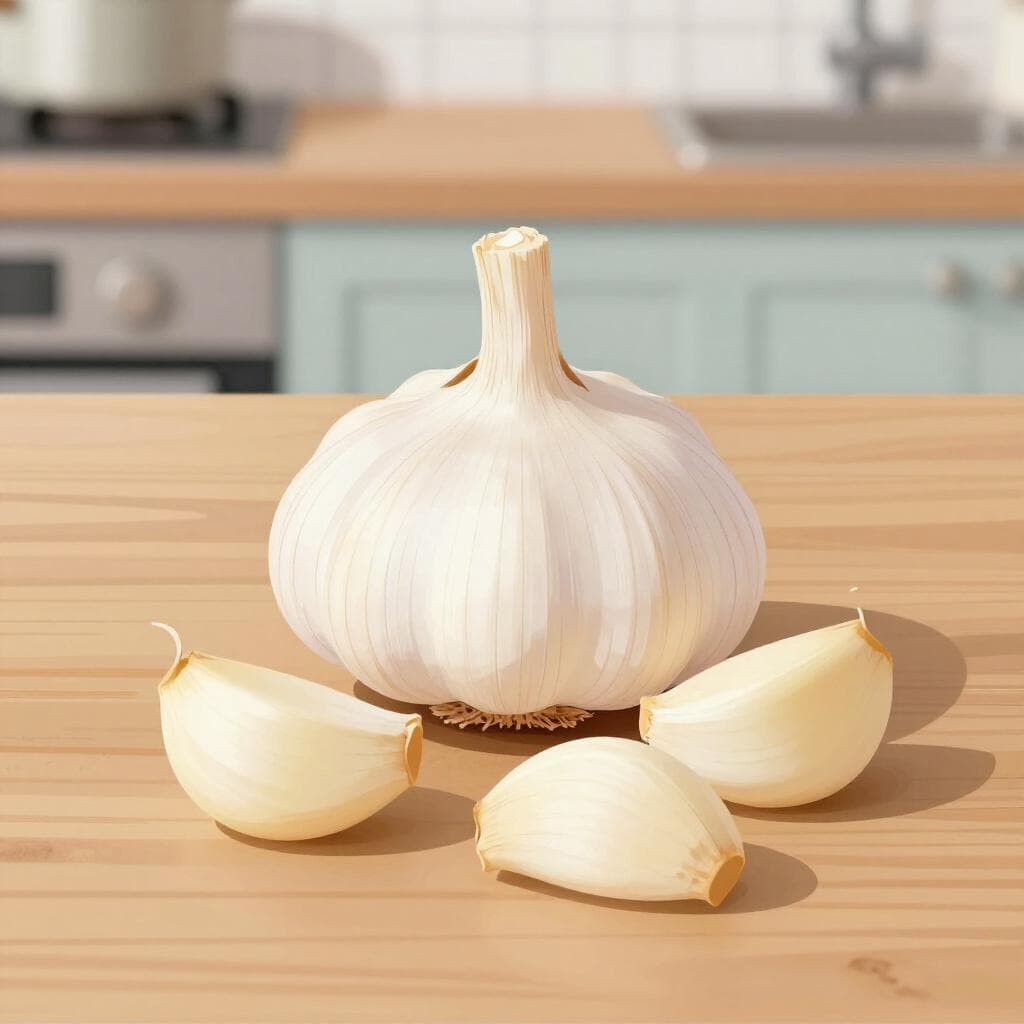
garlic
“Necesito tres dientes de ajo para la salsa.”
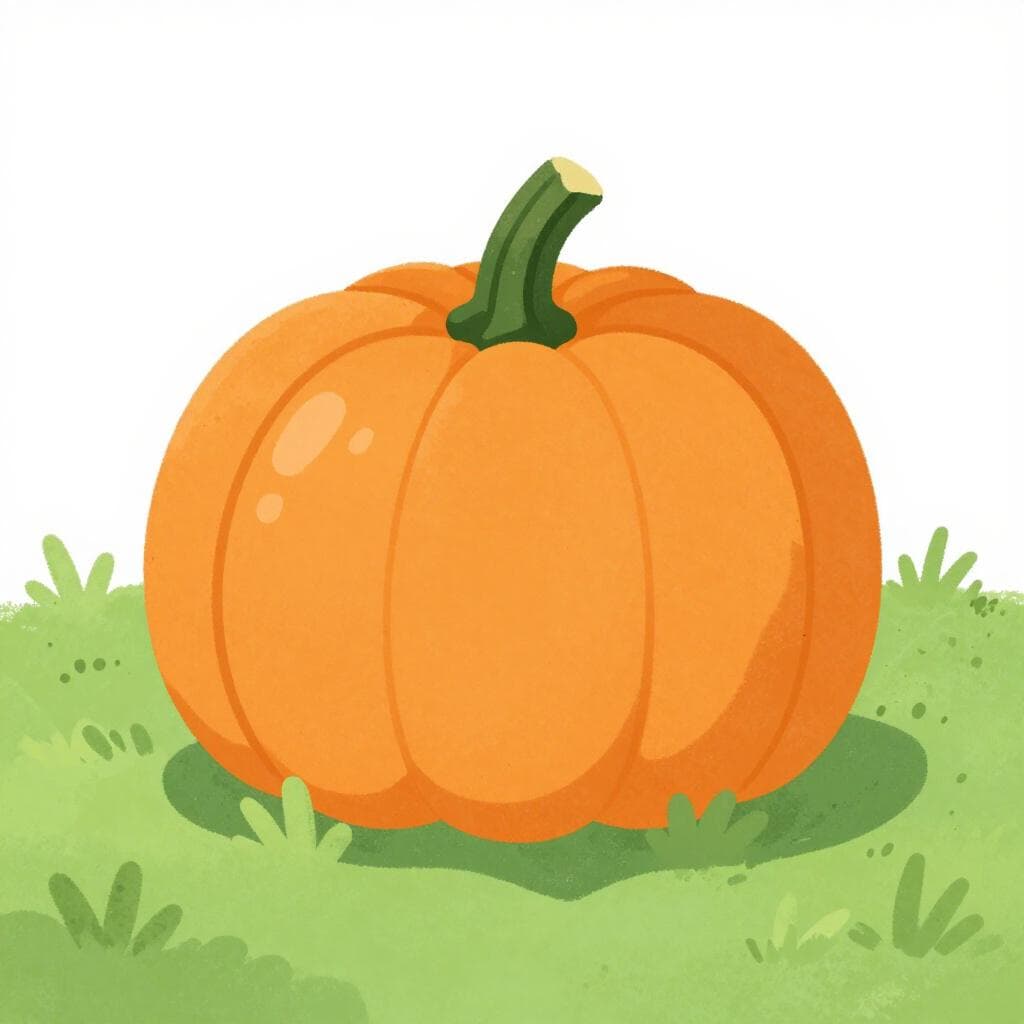
pumpkin
“Compramos una calabaza enorme para Halloween.”

onion
“Siempre lloro cuando pico cebolla.”

salad
“Para el almuerzo, pedí una ensalada de tomate y aguacate.”

bean
“Me gusta comer arroz con frijoles todos los días.”

french fries
“Quiero una hamburguesa con doble queso y unas buenas fritas.”

mushrooms
“Me gusta la pizza con muchos hongos.”
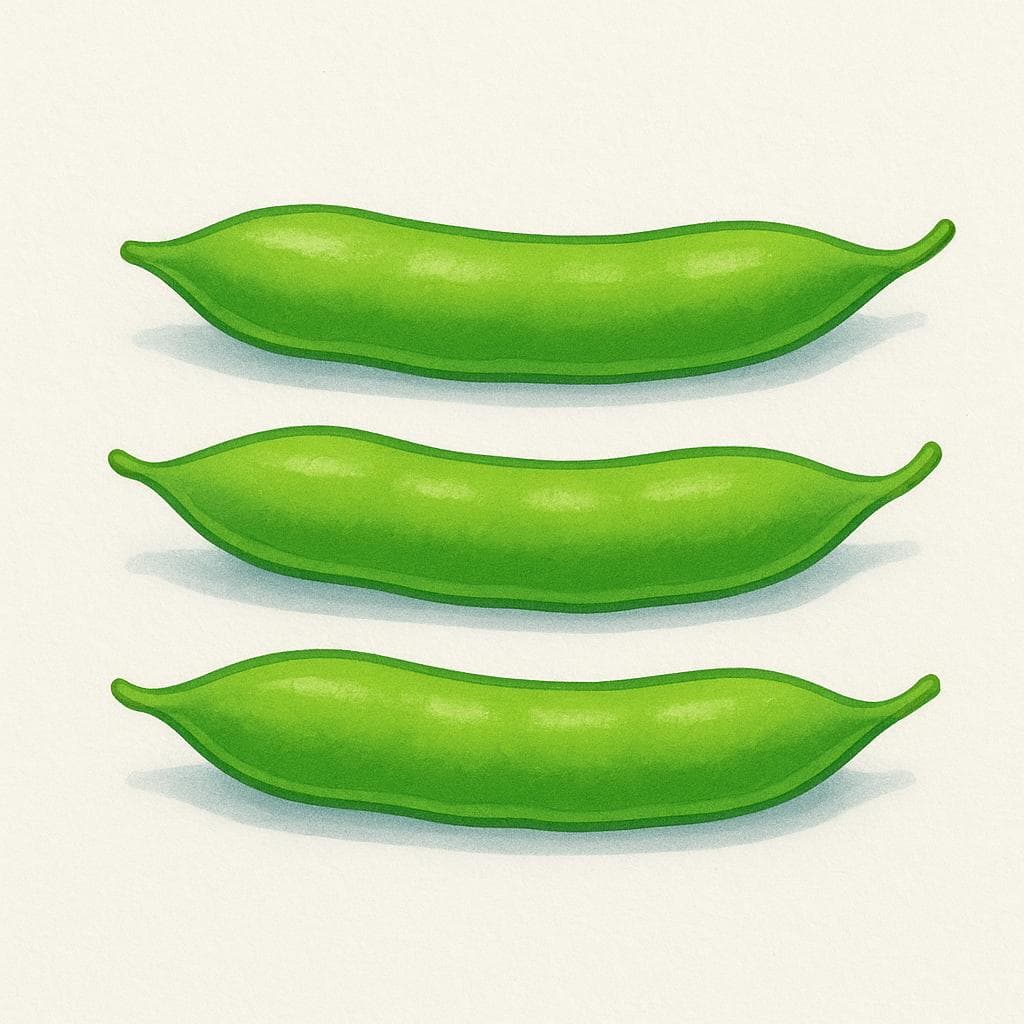
bean
“Quiero un plato de pollo con judías verdes.”

lettuce
“Necesito comprar una lechuga para la ensalada.”
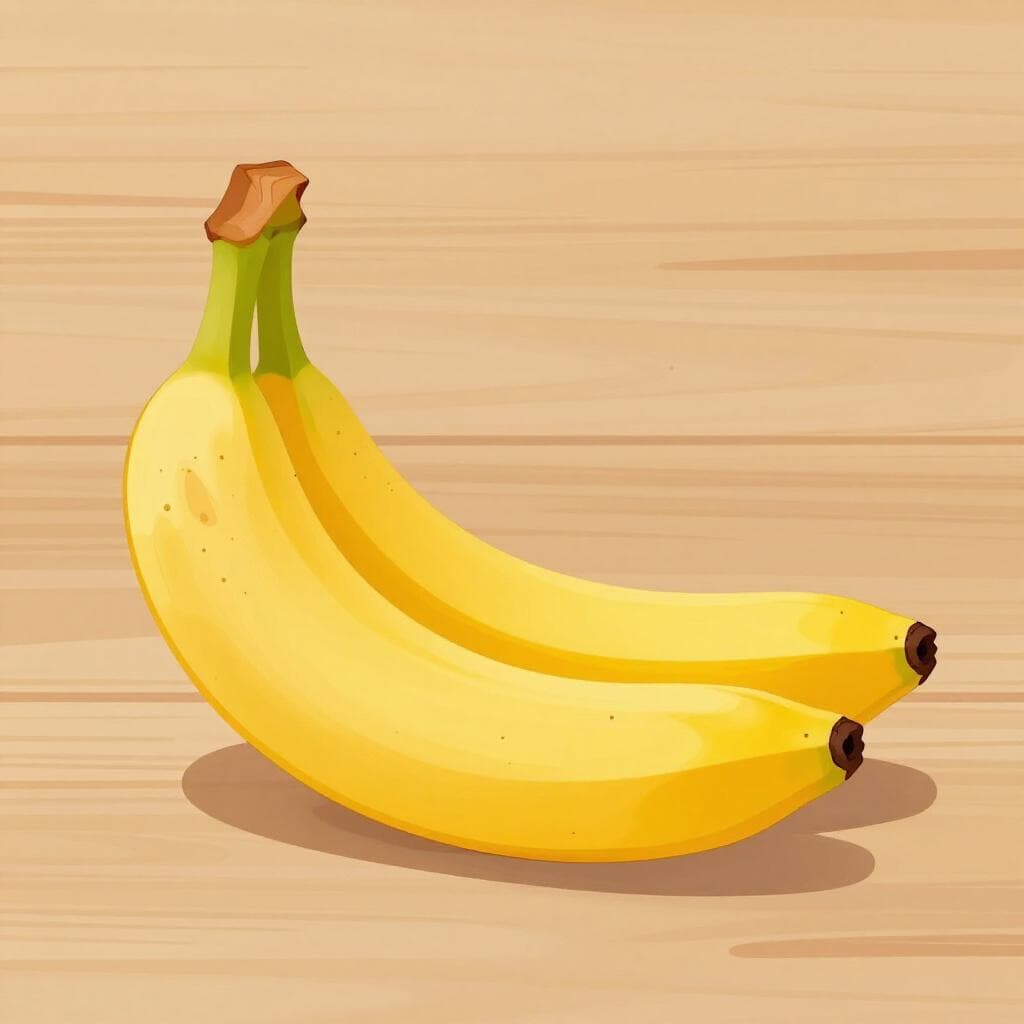
ripe
“El plátano está muy maduro.”

corn
“En México, el maíz es la base de casi toda la comida.”

potato
“¿Quieres papas fritas con tu hamburguesa?”
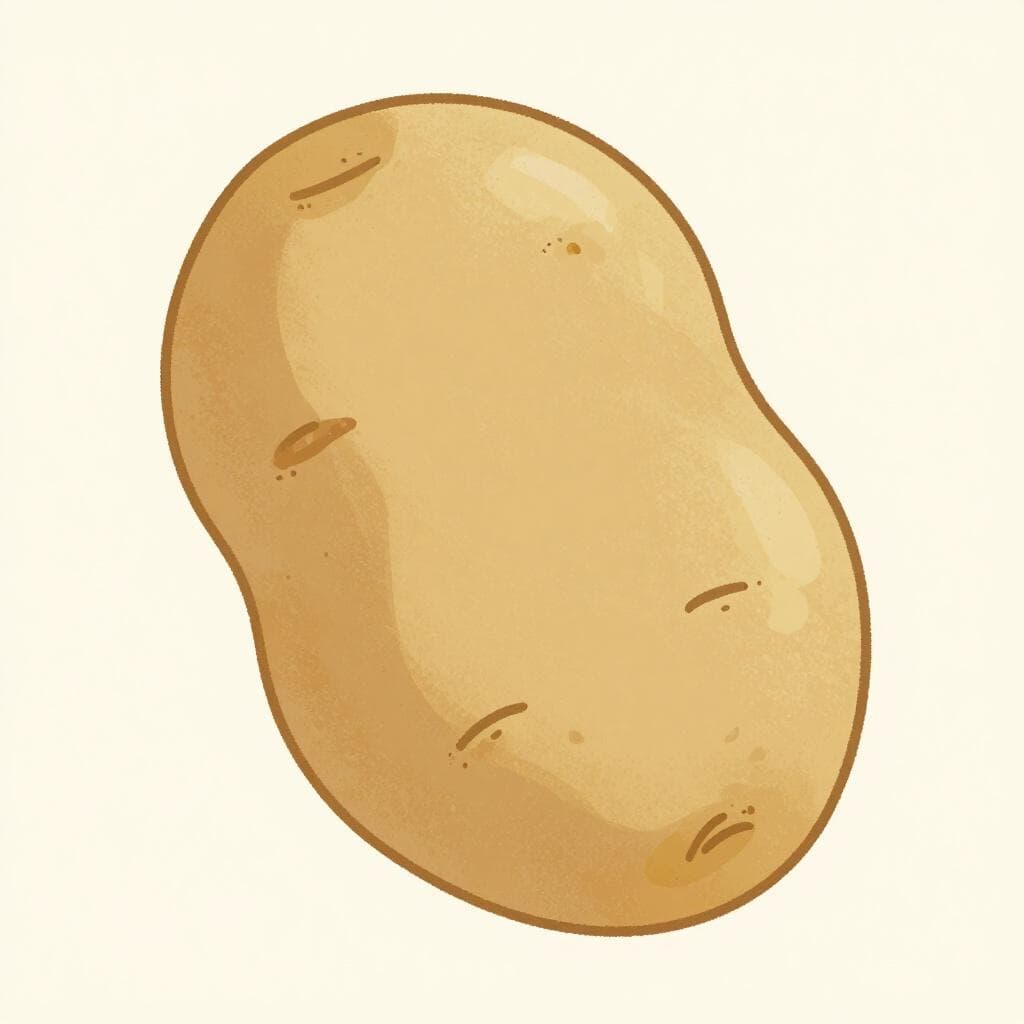
potato
“Quiero una patata asada para cenar.”
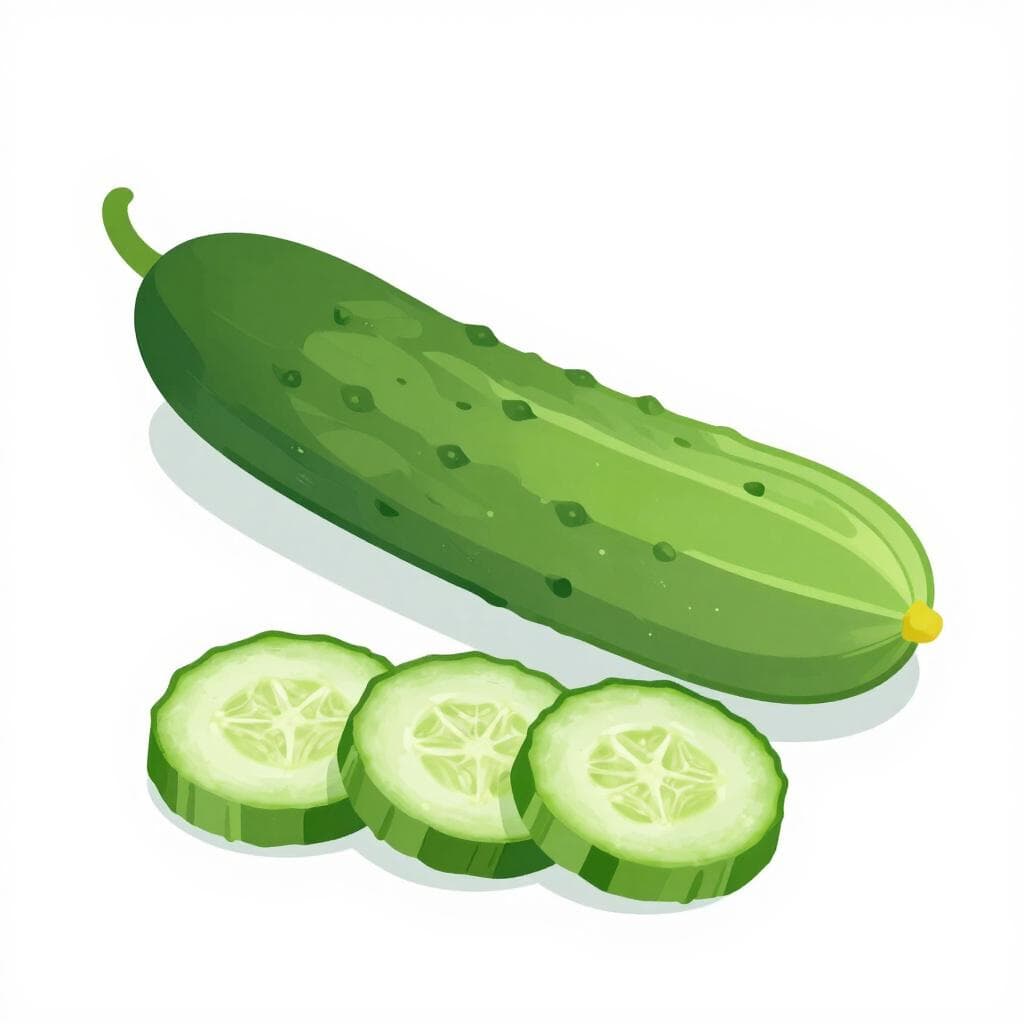
cucumber
“Me gusta comer ensalada de pepino en verano.”

pepper
“Quiero un pimiento rojo para la ensalada.”

mashed potatoes
“El puré de patatas está muy cremoso.”

tomato
“Necesito un tomate para hacer la salsa.”
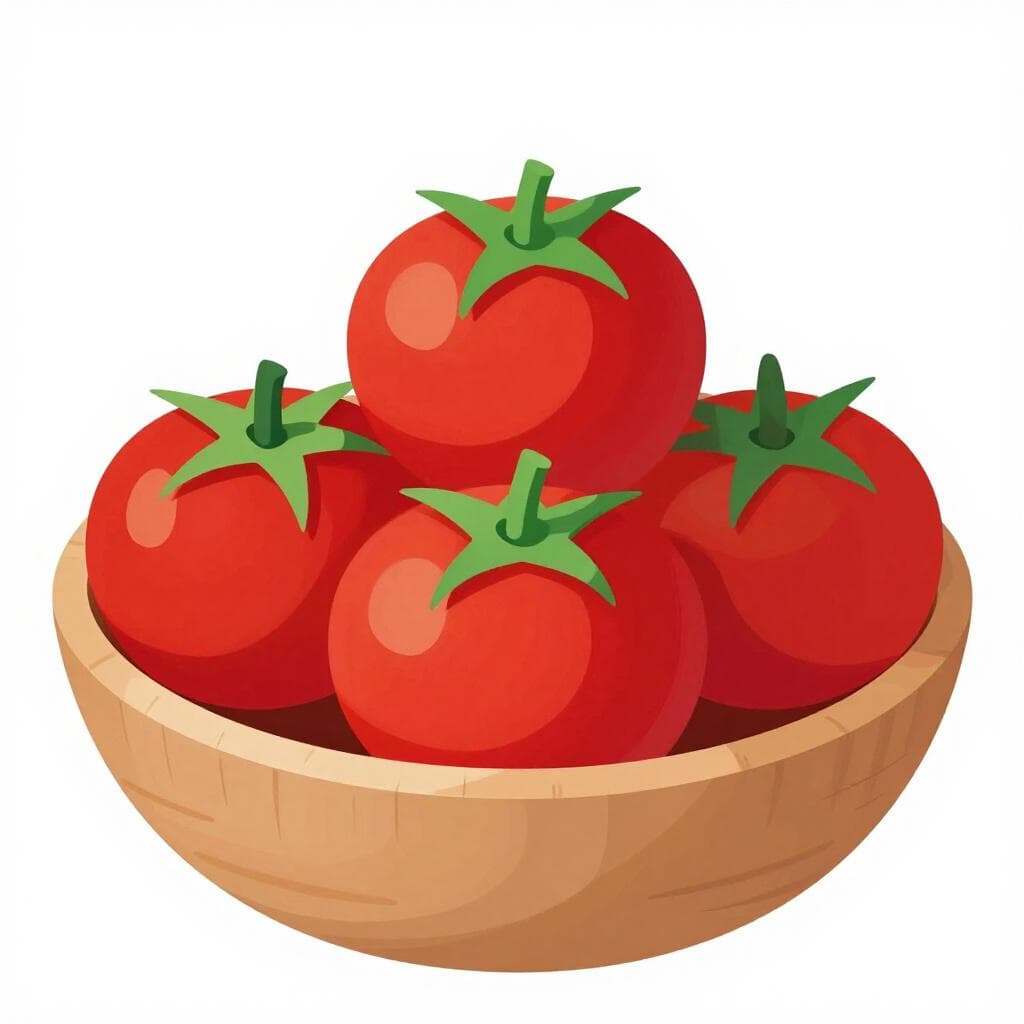
tomatoes
“Necesito comprar tres tomates grandes para la ensalada.”

plant-based
“Prefiero usar aceite vegetal para cocinar.”

vegetables
“Me gusta comer muchas verduras.”
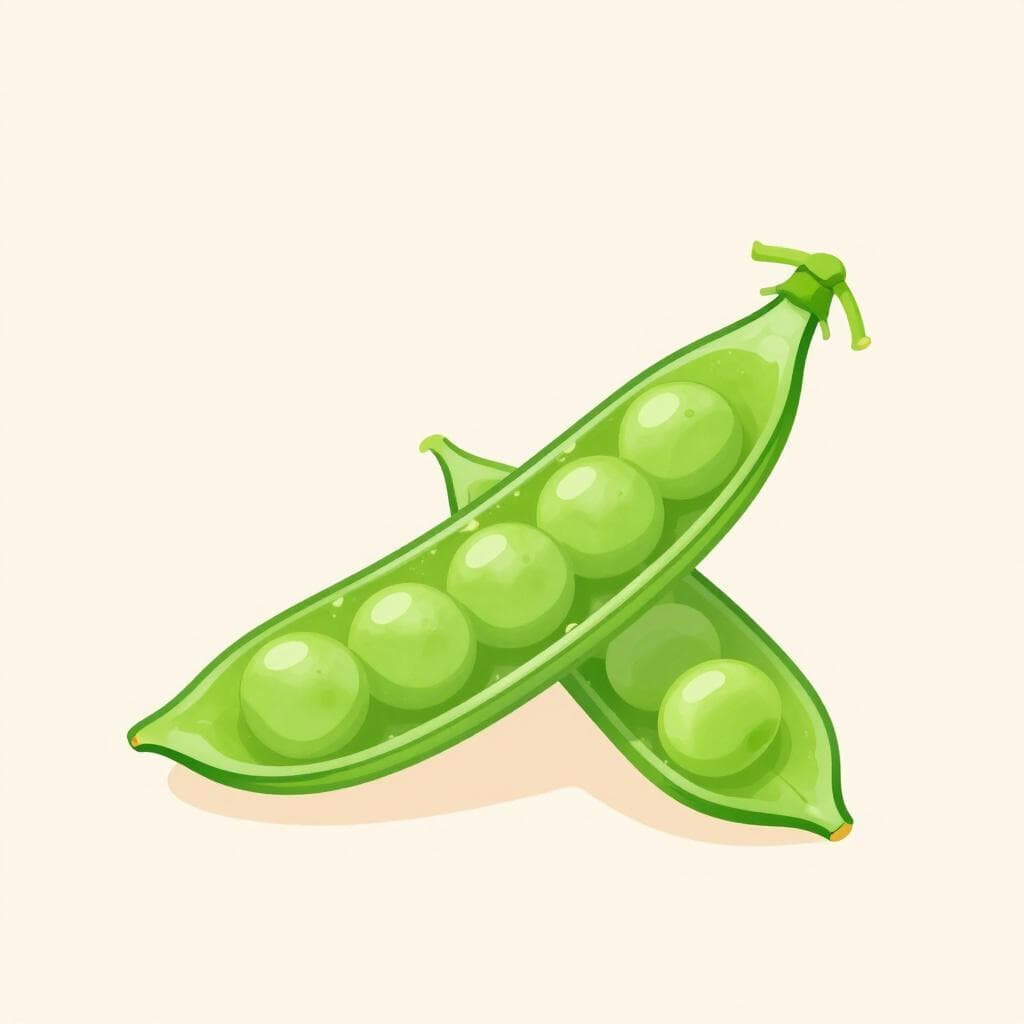
pea
“No me gustan los guisantes.”

vegetable garden
“Mi abuelo tiene un huerto con muchos tomates.”
A2 — Elementary (4 words)
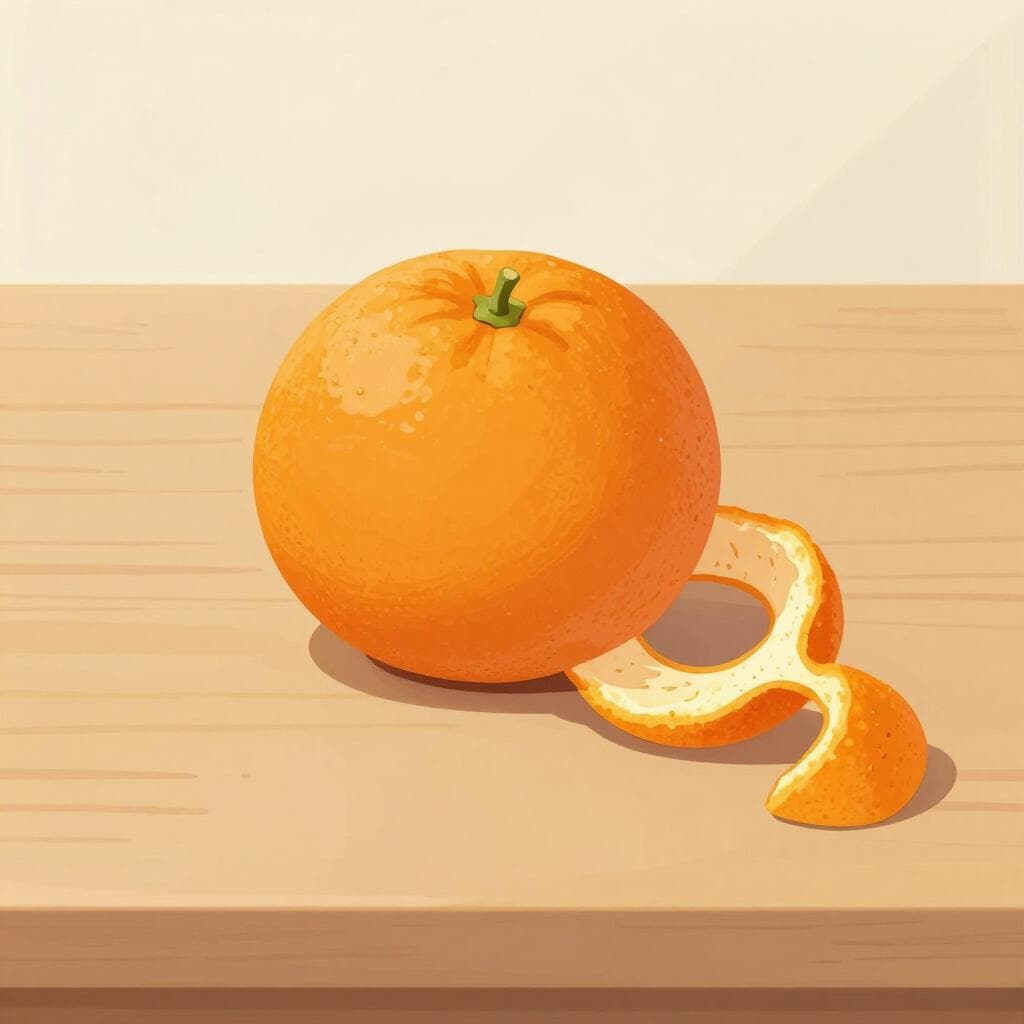
peel
“No te comas la cáscara del plátano.”

mushroom
“Me encanta el risotto de setas.”

soy
“La leche de soya es una buena alternativa.”
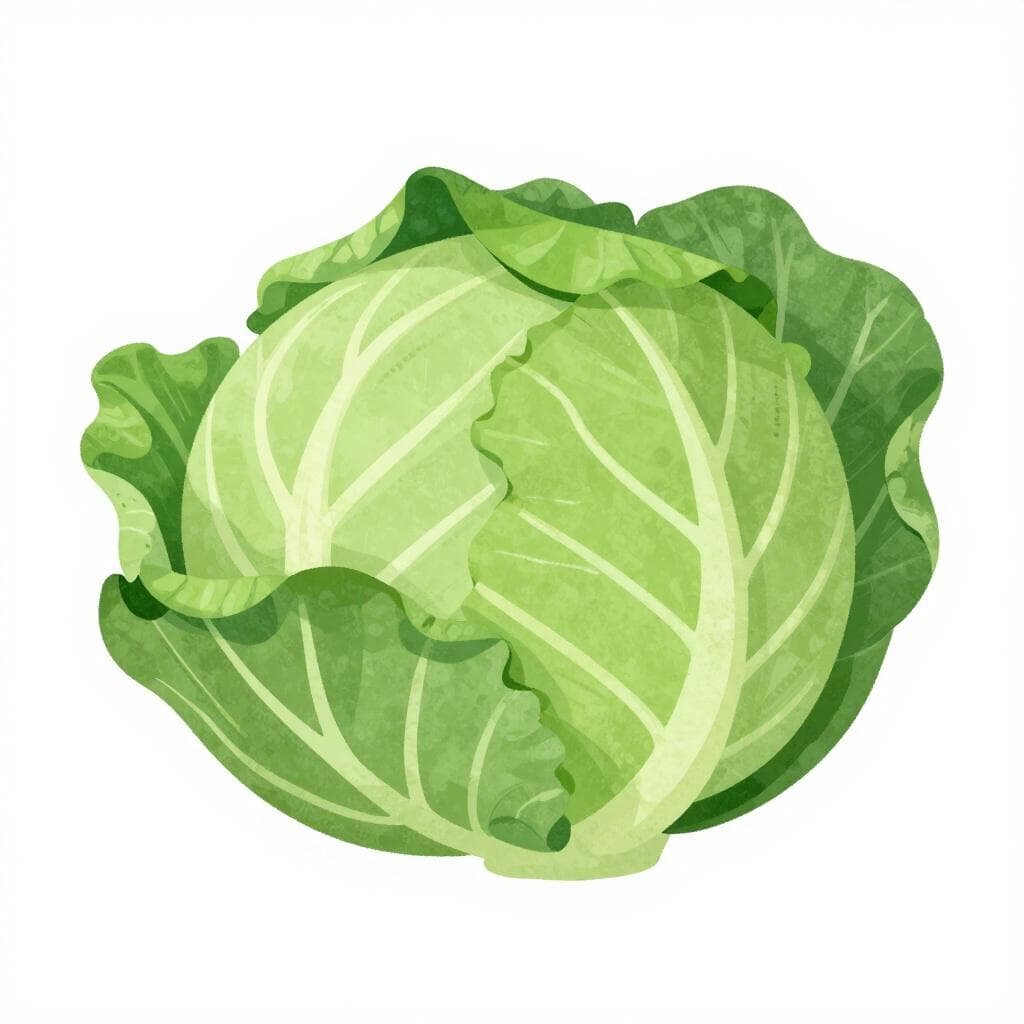
cabbage
“La col es muy buena para la salud.”
Grammar Tips
Gender and Pluralization
Most vegetable nouns in Spanish are masculine (el tomate, el brócoli) or feminine (la zanahoria, la cebolla). Remember to match articles and adjectives! Plurals are usually formed by adding -s or -es, like 'los tomates' or 'las cebollas'.
Parts vs. Whole
Sometimes, you might refer to a part of a vegetable. For instance, 'la cáscara' means peel or rind, while 'la semilla' means seed. English often uses possessives or compound nouns, but Spanish might use separate words.
Collective Nouns
Words like 'lechuga' (lettuce) or 'coliflor' (cauliflower) refer to the whole plant. If you want to talk about individual leaves or florets, you'd use more specific terms or phrases.
Common Mistakes
Adjective Placement
Mistake: “Compré unas zanahorias muy largas.”
Correction: Compré unas zanahorias muy largas. - In Spanish, descriptive adjectives like 'largas' (long) typically come AFTER the noun they modify, unlike in English where they usually precede it.
Gender Agreement
Mistake: “Necesito un limón amarillo.”
Correction: Necesito un limón amarillo. - 'Limón' is masculine, so the article 'un' and the adjective 'amarillo' must also be masculine. If it were 'una naranja' (feminine), it would be 'una naranja amarilla'.
Singular vs. Plural
Mistake: “Me gusta comer las ensaladas.”
Correction: Me gusta comer las ensaladas. - While 'ensalada' (salad) is often used in the plural when referring to different types of salads or salads in general, if you're referring to a single salad being eaten, you'd use the singular: 'Me gusta comer la ensalada'.
Cultural Notes
Mediterranean Diet Staples
Vegetables like tomatoes, peppers, onions, and garlic are foundational to the Mediterranean diet, especially in Spain. You'll see them in iconic dishes like gazpacho, paella, and sofritos.
Regional Variety
While many vegetables are common everywhere, some regions might specialize in certain crops. For example, potatoes are a huge staple in many parts of Latin America, with countless varieties.