vegetal
“vegetal” means “plant-based” in Spanish. It has 2 different meanings depending on context:

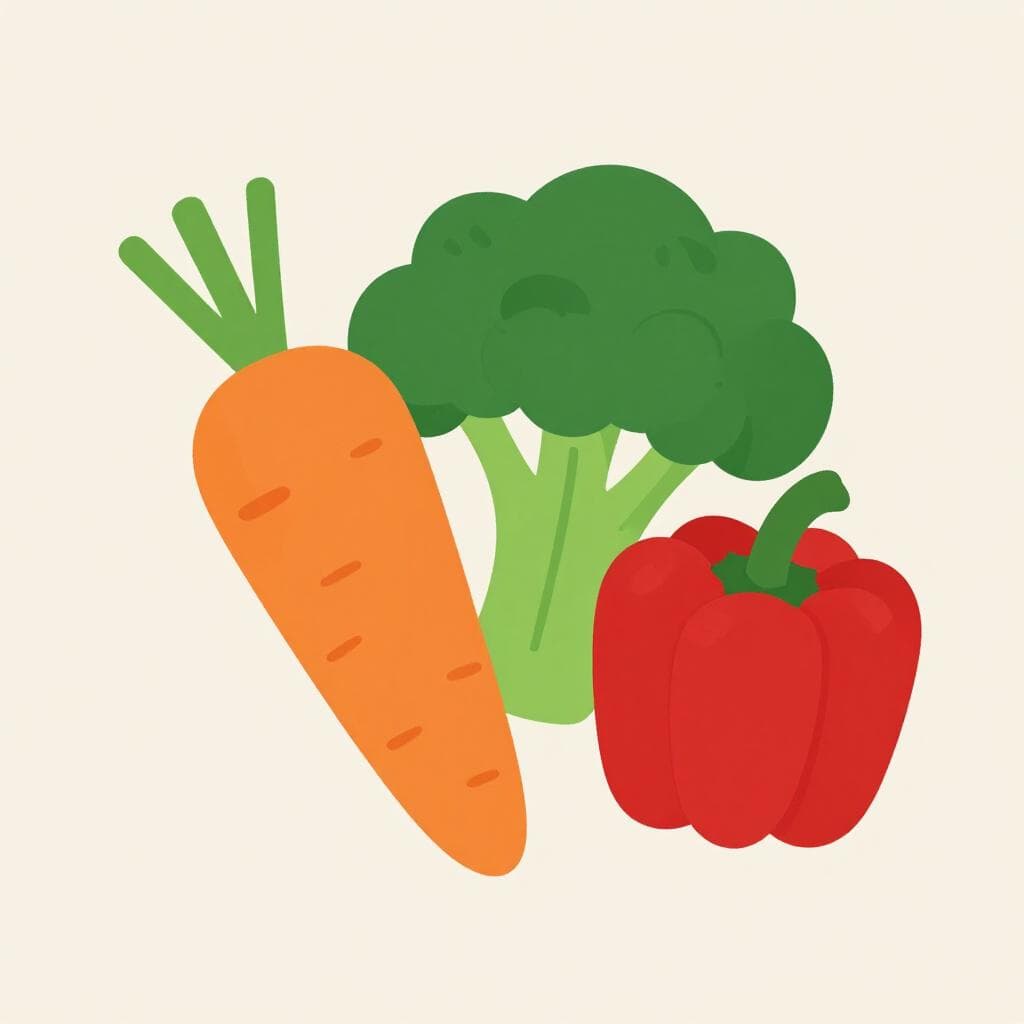
plant-based, vegetable
Also: botanical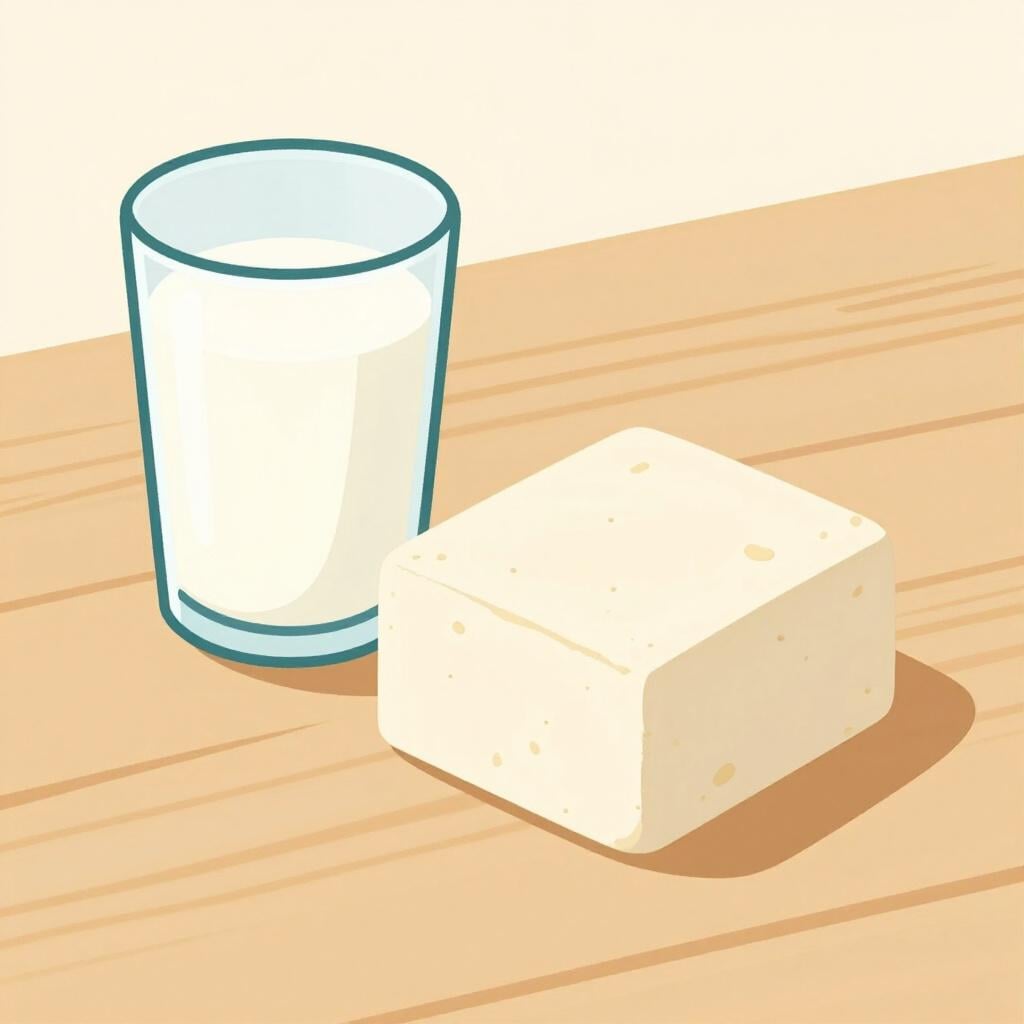
📝 In Action
Prefiero usar aceite vegetal para cocinar.
A1I prefer to use vegetable oil for cooking.
Esta hamburguesa es de origen vegetal.
A2This burger is plant-based.
El reino vegetal incluye miles de especies diferentes.
B1The plant kingdom includes thousands of different species.
vegetable, plant
Also: greenery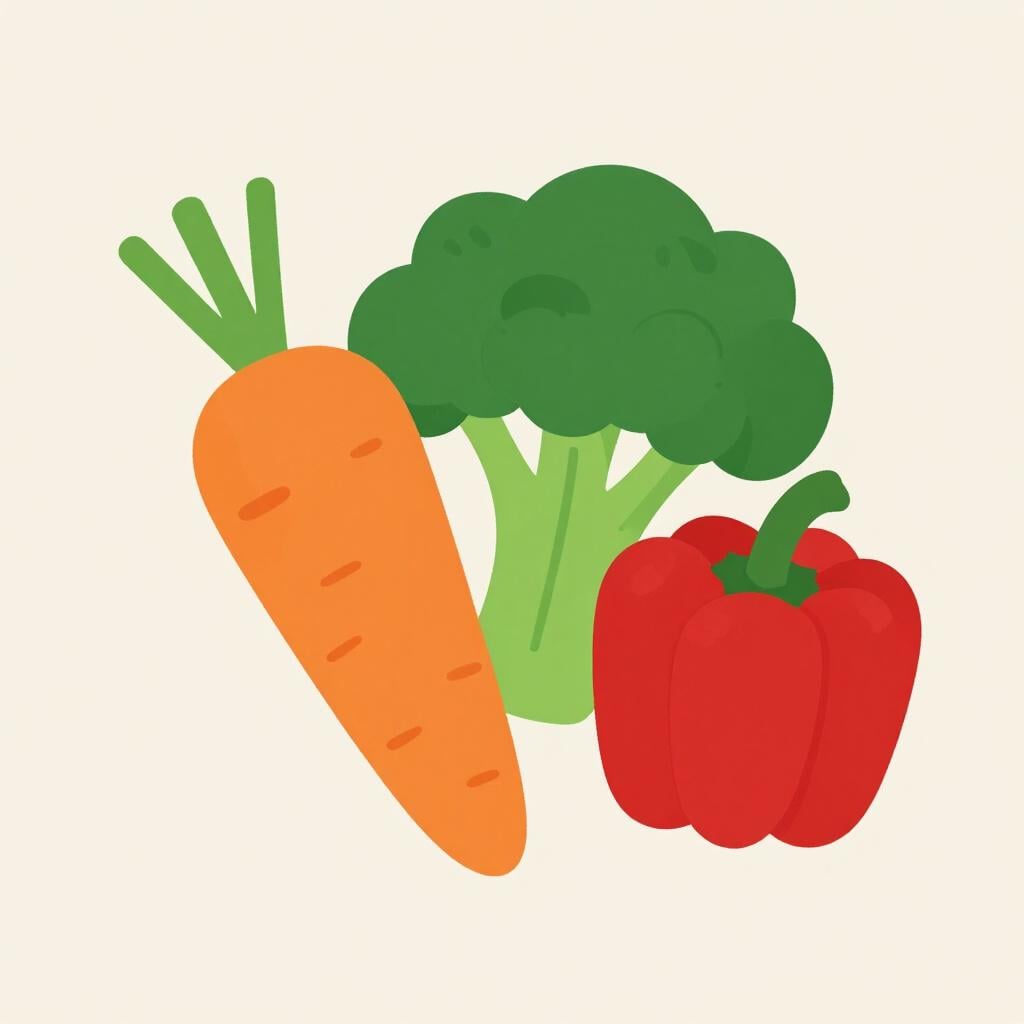
📝 In Action
Los vegetales son una parte importante de la dieta.
A1Vegetables are an important part of the diet.
El biólogo estudia los vegetales que crecen en el desierto.
B1The biologist studies the plants that grow in the desert.
Quiero un sandwich con muchos vegetales frescos.
A1I want a sandwich with lots of fresh vegetables.
Vocabulary Collections
Translate to Spanish
✏️ Quick Practice
Quick Quiz: vegetal
Question 1 of 3
Which of these is the correct way to say 'vegetable oil'?
📚 More Resources
👥 Word Family▼
📚 Etymology▼
Comes from the Latin word 'vegetalis', which meant 'animating' or 'enlivening'. It shares the same root as 'vigorous', referring to the healthy growth of plants.
First recorded: 15th century
Cognates (Related words)
💡 Master Spanish
Take your Spanish to the next level. Read 200+ illustrated and narrated Spanish stories tailored to your level with the Inklingo app!
Frequently Asked Questions
Is 'vegetal' always masculine?
As a noun meaning 'a plant/vegetable', yes, it is masculine (el vegetal). As an adjective, it doesn't change its form, so it works with both masculine and feminine nouns.
What's the difference between 'vegetal' and 'verdura'?
'Vegetal' is a broader, more biological term for any plant. 'Verdura' specifically refers to the vegetables we eat, especially green ones.
Does a 'sandwich vegetal' mean it is vegan?
Not necessarily! In Spain and some Latin American countries, a 'sandwich vegetal' often contains mayonnaise, hard-boiled eggs, or even tuna. Always double-check if you are vegan!