mineral
“mineral” means “mineral” in Spanish. It has 2 different meanings depending on context:
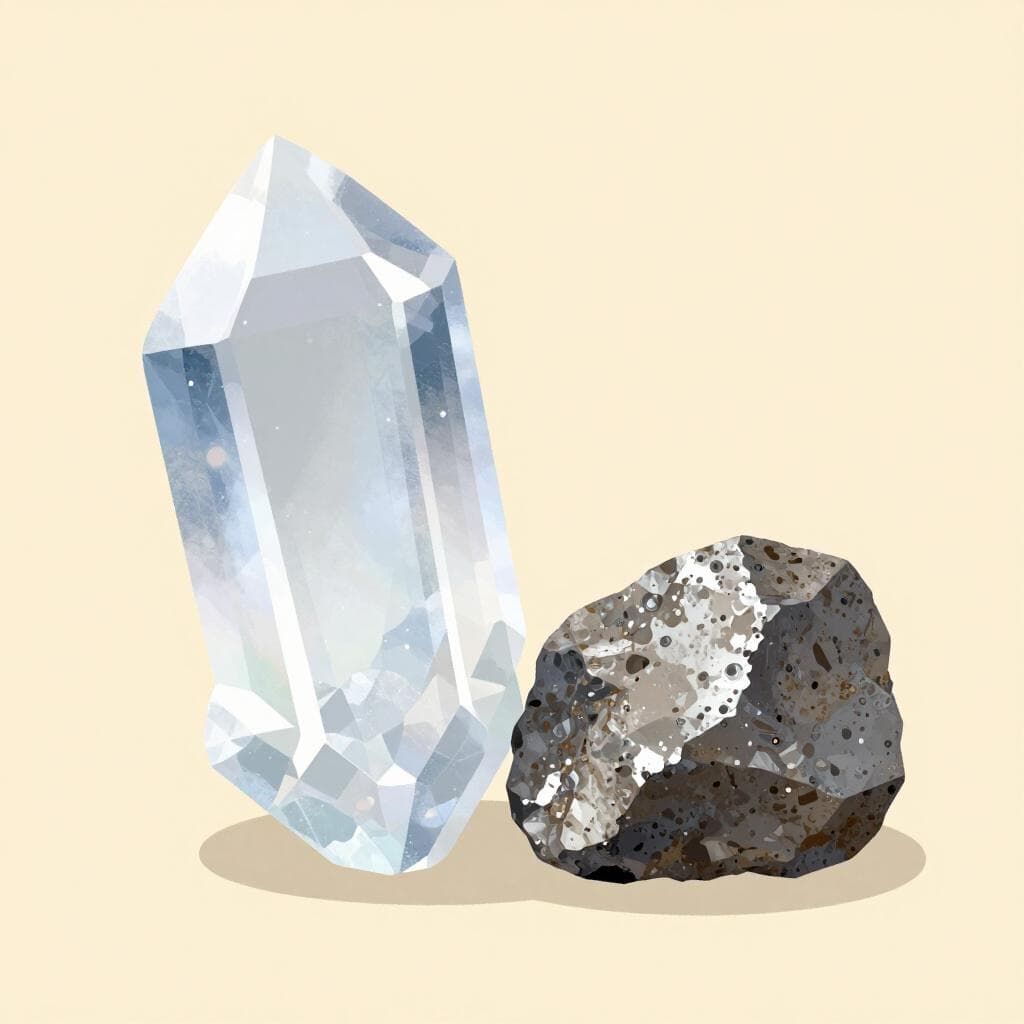

mineral
Also: ore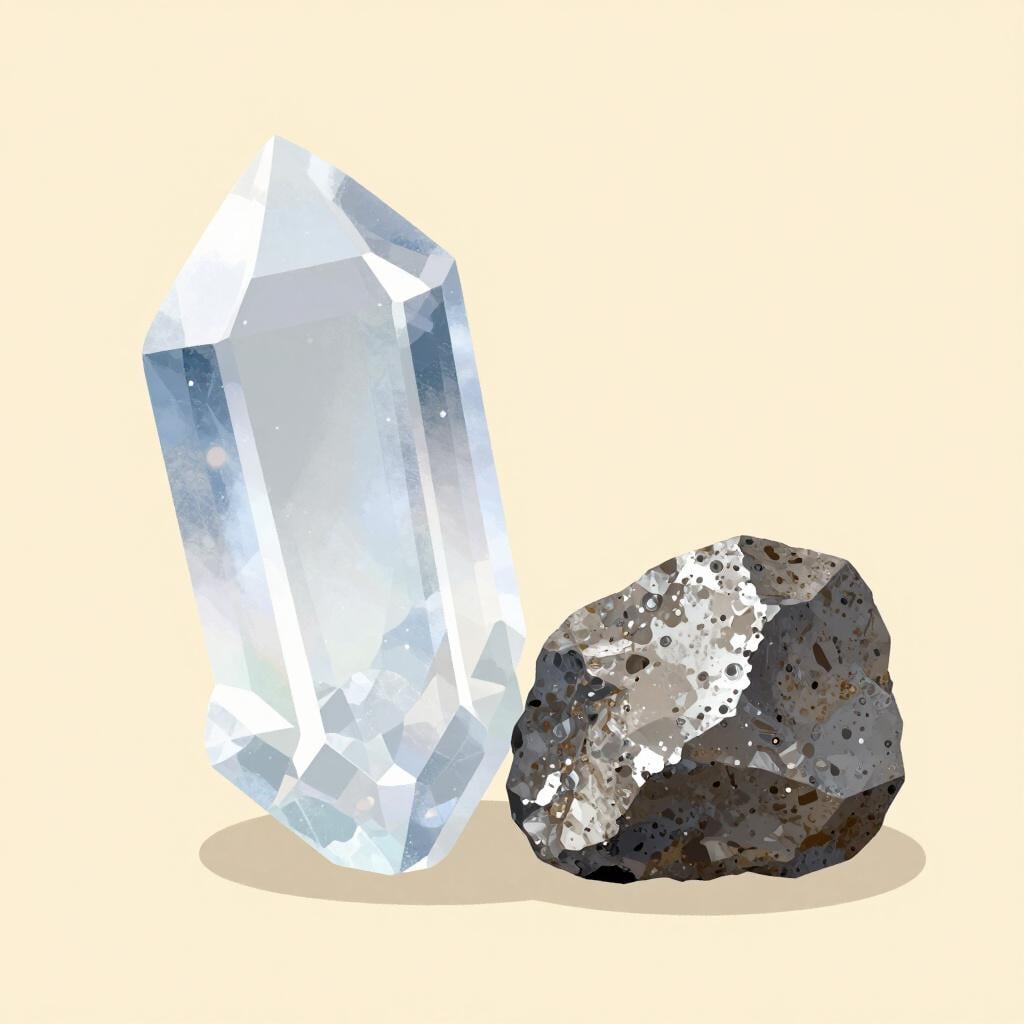
📝 In Action
El calcio es un mineral importante para los huesos.
A1Calcium is an important mineral for bones.
Esta zona es rica en mineral de hierro.
B1This area is rich in iron ore.
Los científicos descubrieron un nuevo mineral en el volcán.
B2Scientists discovered a new mineral in the volcano.
mineral

📝 In Action
Quiero una botella de agua mineral, por favor.
A1I want a bottle of mineral water, please.
El reino mineral incluye todas las cosas que no están vivas.
B1The mineral kingdom includes all things that are not alive.
Este protector solar tiene filtros minerales.
B2This sunscreen has mineral filters.
✏️ Quick Practice
Quick Quiz: mineral
Question 1 of 3
Which of these is the correct way to say 'mineral waters' in Spanish?
📚 More Resources
👥 Word Family▼
📚 Etymology▼
From the Medieval Latin word 'minerale', which came from 'minera', meaning a 'mine' or 'ore'. It originally described anything dug up from the earth.
First recorded: 13th century
Cognates (Related words)
💡 Master Spanish
Take your Spanish to the next level. Read 200+ illustrated and narrated Spanish stories tailored to your level with the Inklingo app!
Frequently Asked Questions
Does 'mineral' change for feminine nouns?
No. Unlike many Spanish adjectives that end in 'o', 'mineral' is the same for both masculine and feminine nouns. For example: 'el aceite mineral' and 'el agua mineral'.
How do I say 'sparkling water' using this word?
You say 'agua mineral con gas'. If you want still water, you say 'agua mineral sin gas'.
Is 'mineral' used for vitamins too?
Yes, just like in English, 'minerales' refers to the inorganic nutrients like iron, magnesium, and calcium found in food.