Spices & Condiments in Spanish
Enhance your Spanish cooking and dining experiences with this essential vocabulary for spices and condiments! Knowing these words will not only help you order food or follow recipes but also understand the rich flavors that define Spanish and Latin American cuisine. From a pinch of salt to a dash of hot sauce, these terms are key to unlocking delicious culinary conversations.
Quick Reference
| Spanish | English | Example | Level |
|---|---|---|---|
aceite | oil | Necesito un poco de aceite de oliva para la ensalada. | A1 |
ajo | garlic | Necesito tres dientes de ajo para la salsa. | A1 |
canela | cinnamon | Me gusta ponerle un poco de canela a mi café. | A1 |
clavo | nail | Necesito un martillo y un clavo para colgar este cuadro. | A1 |
especies | spices | Esta receta lleva muchas especies exóticas. | A2 |
hierbas | herbs | Cocino con hierbas frescas de mi jardín. | A1 |
mantequilla | butter | Quiero pan tostado con mantequilla para el desayuno. | A1 |
mostaza | mustard | Pásame la mostaza para mi perro caliente, por favor. | A1 |
picante | spicy | Esta salsa roja es demasiado picante para mí. | A1 |
pimienta | pepper | Pásame la sal y la pimienta, por favor. | A1 |
pizca | pinch | Añade una pizca de sal a la sopa. | A2 |
sal | salt | La sopa necesita un poco más de sal. | A1 |
A1 — Beginner (13 words)
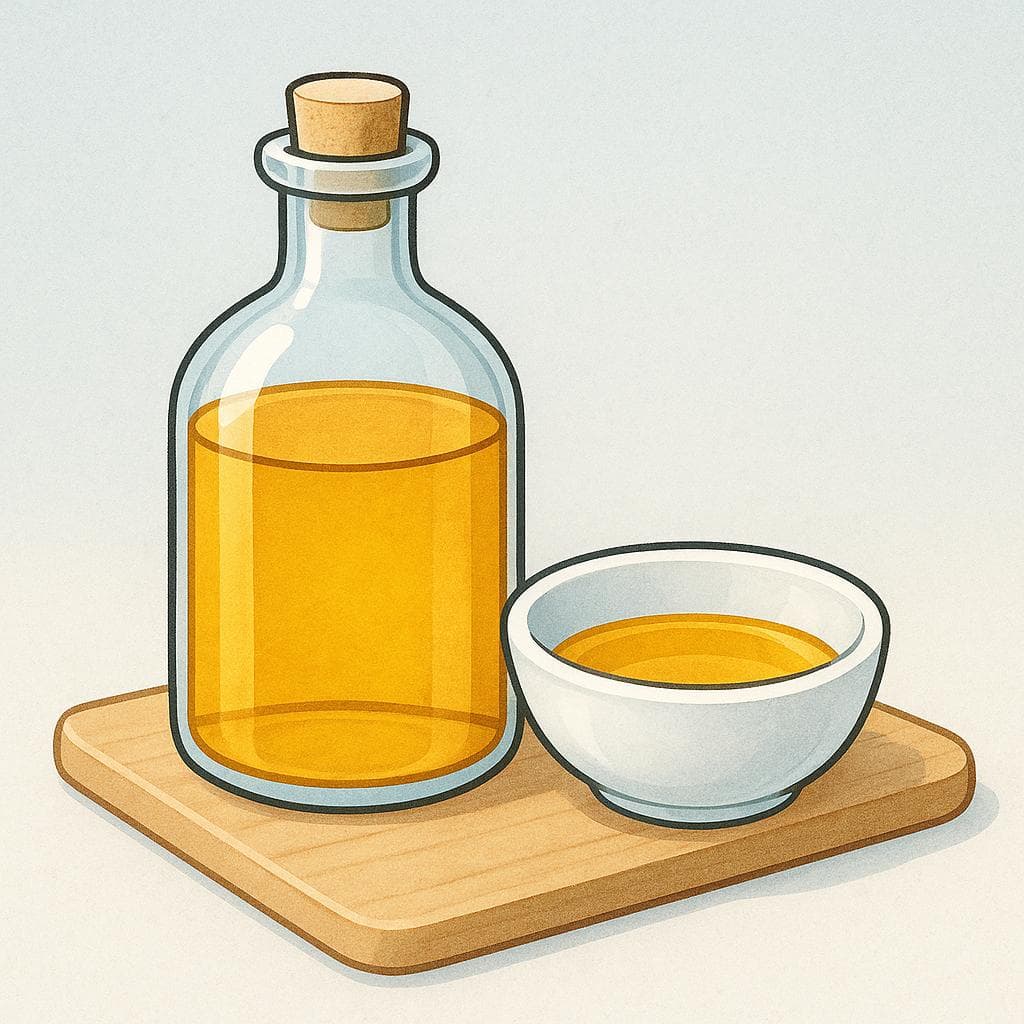
oil
“Necesito un poco de aceite de oliva para la ensalada.”
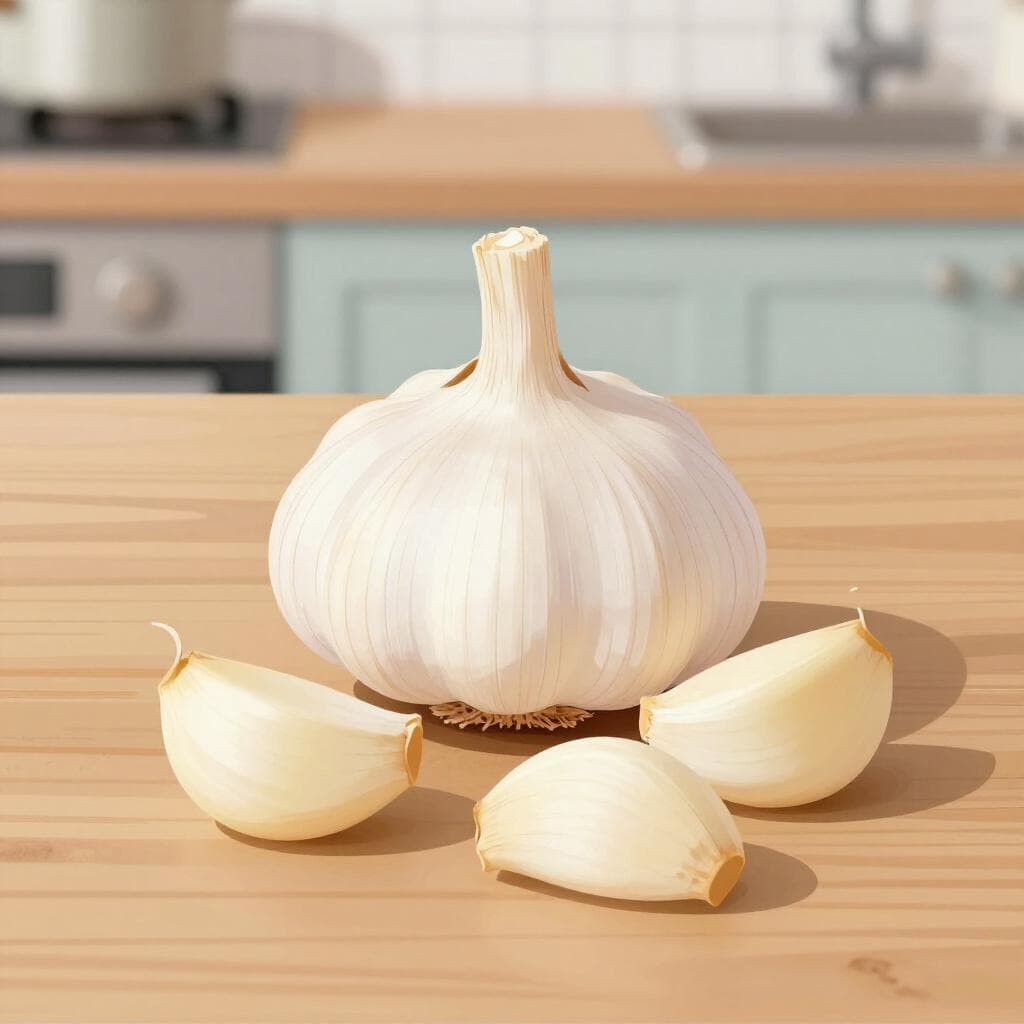
garlic
“Necesito tres dientes de ajo para la salsa.”
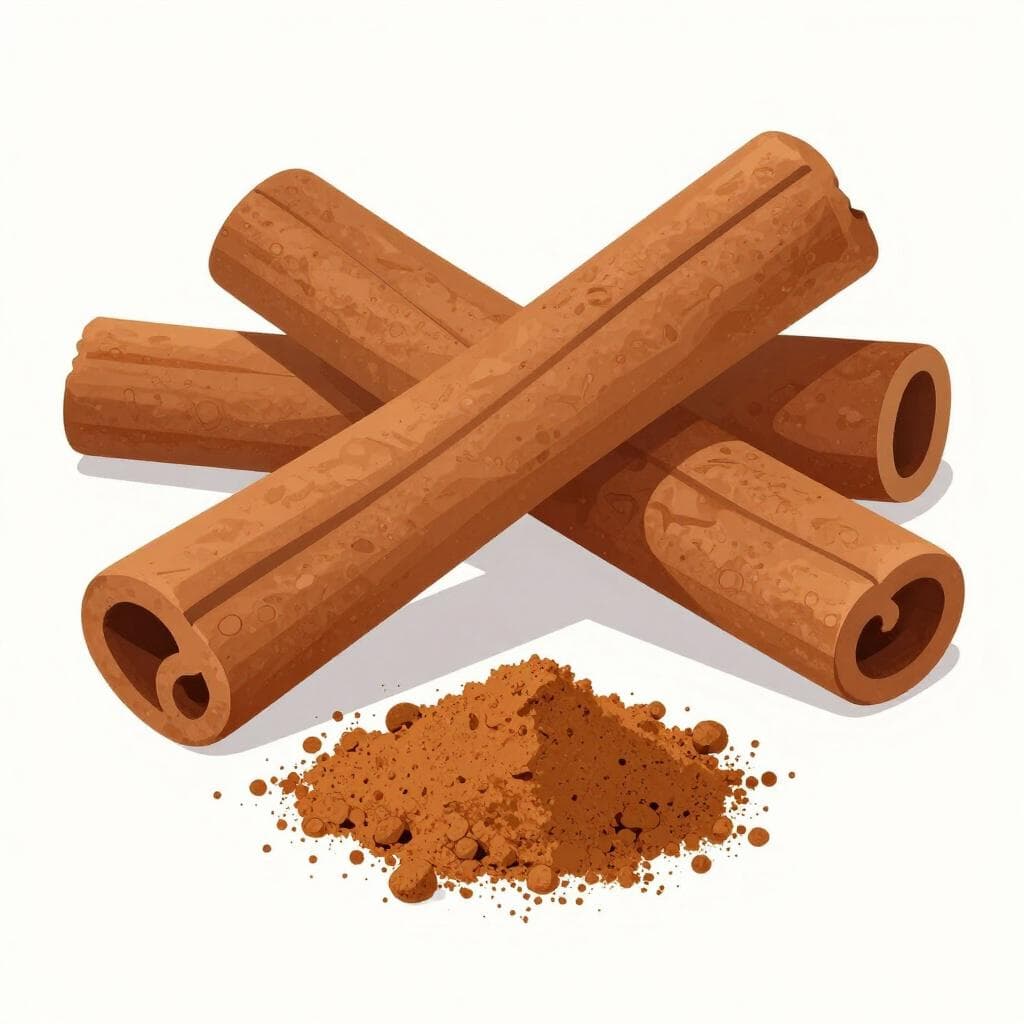
cinnamon
“Me gusta ponerle un poco de canela a mi café.”

nail
“Necesito un martillo y un clavo para colgar este cuadro.”
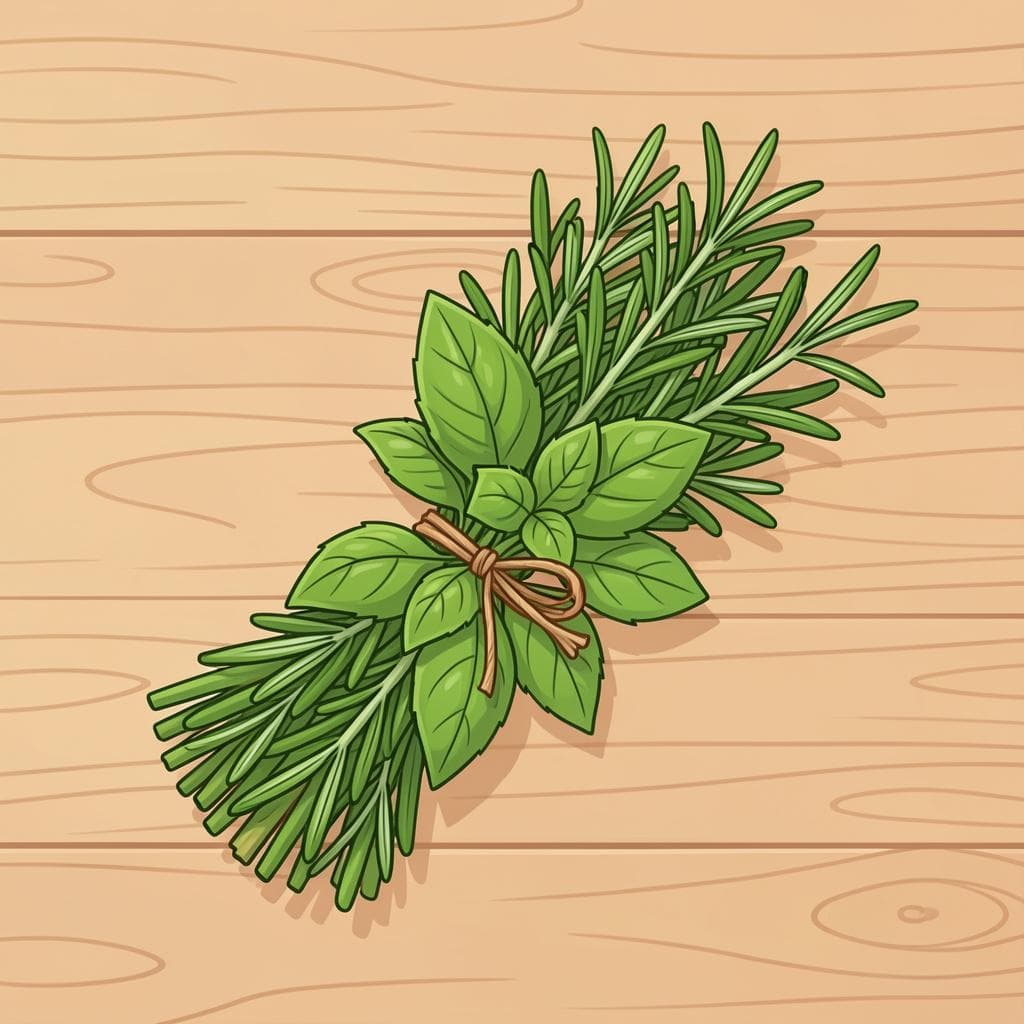
herbs
“Cocino con hierbas frescas de mi jardín.”
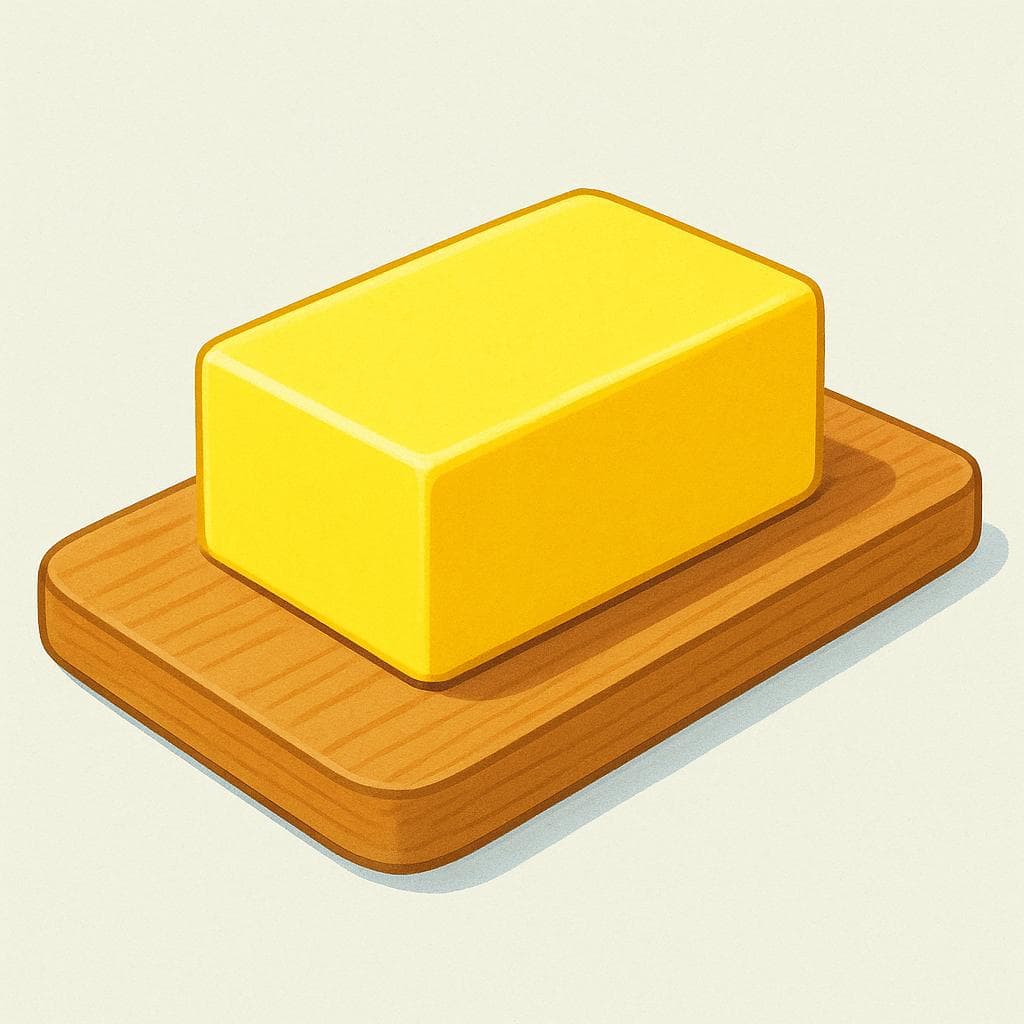
butter
“Quiero pan tostado con mantequilla para el desayuno.”
mustard
“Pásame la mostaza para mi perro caliente, por favor.”
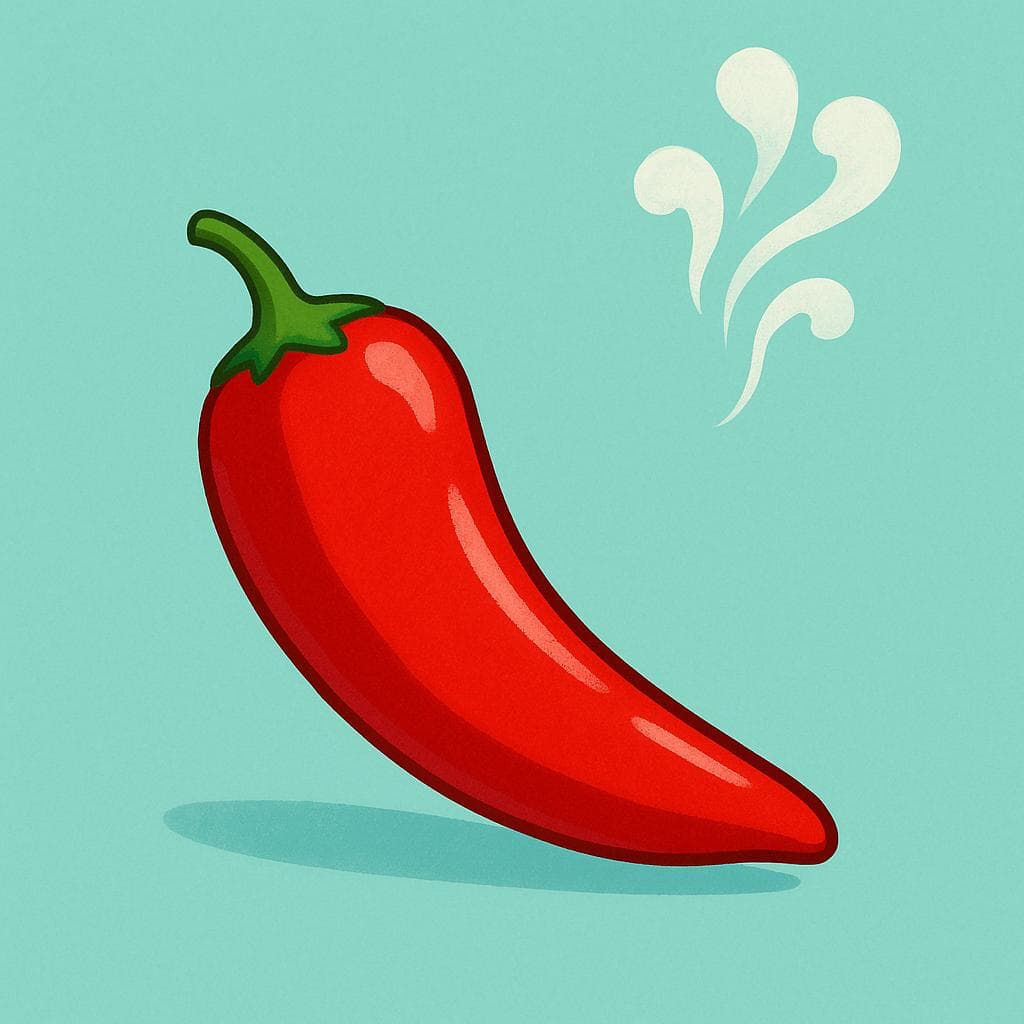
spicy
“Esta salsa roja es demasiado picante para mí.”
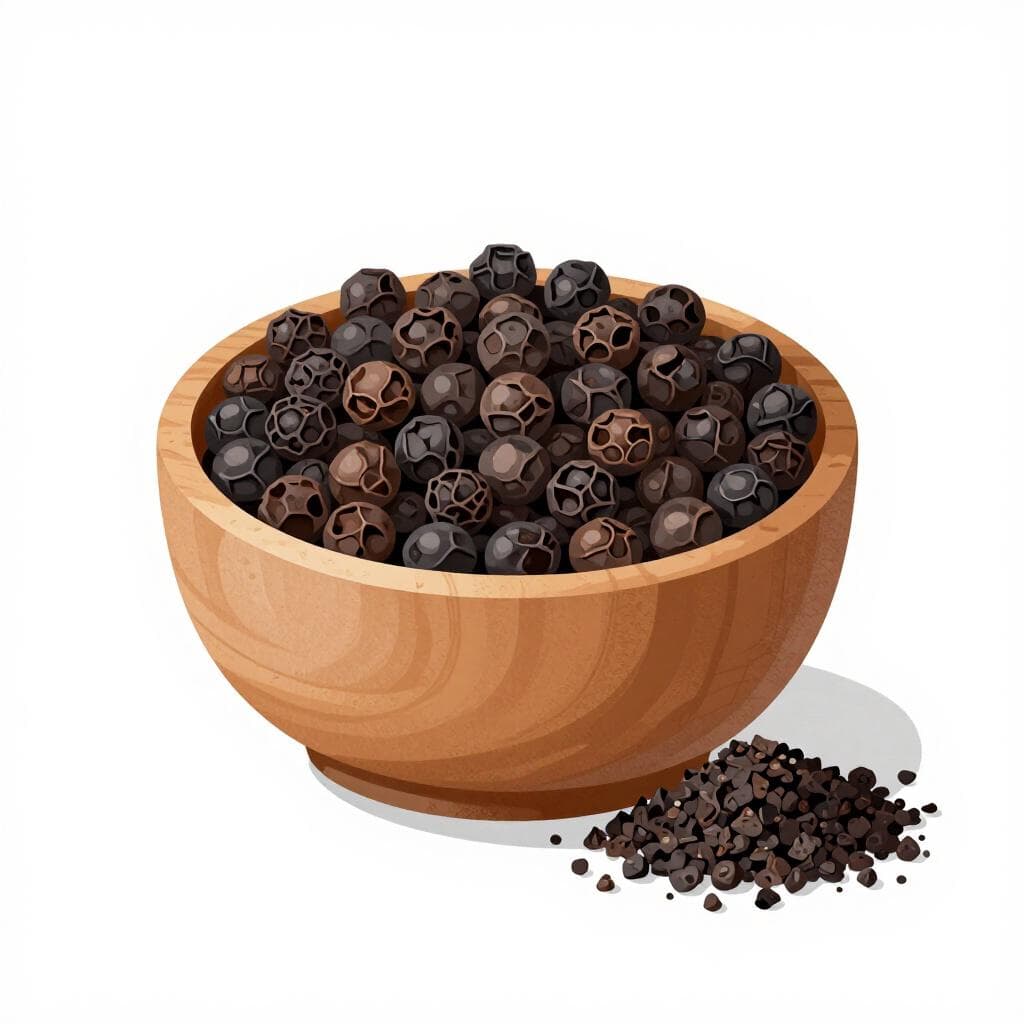
pepper
“Pásame la sal y la pimienta, por favor.”
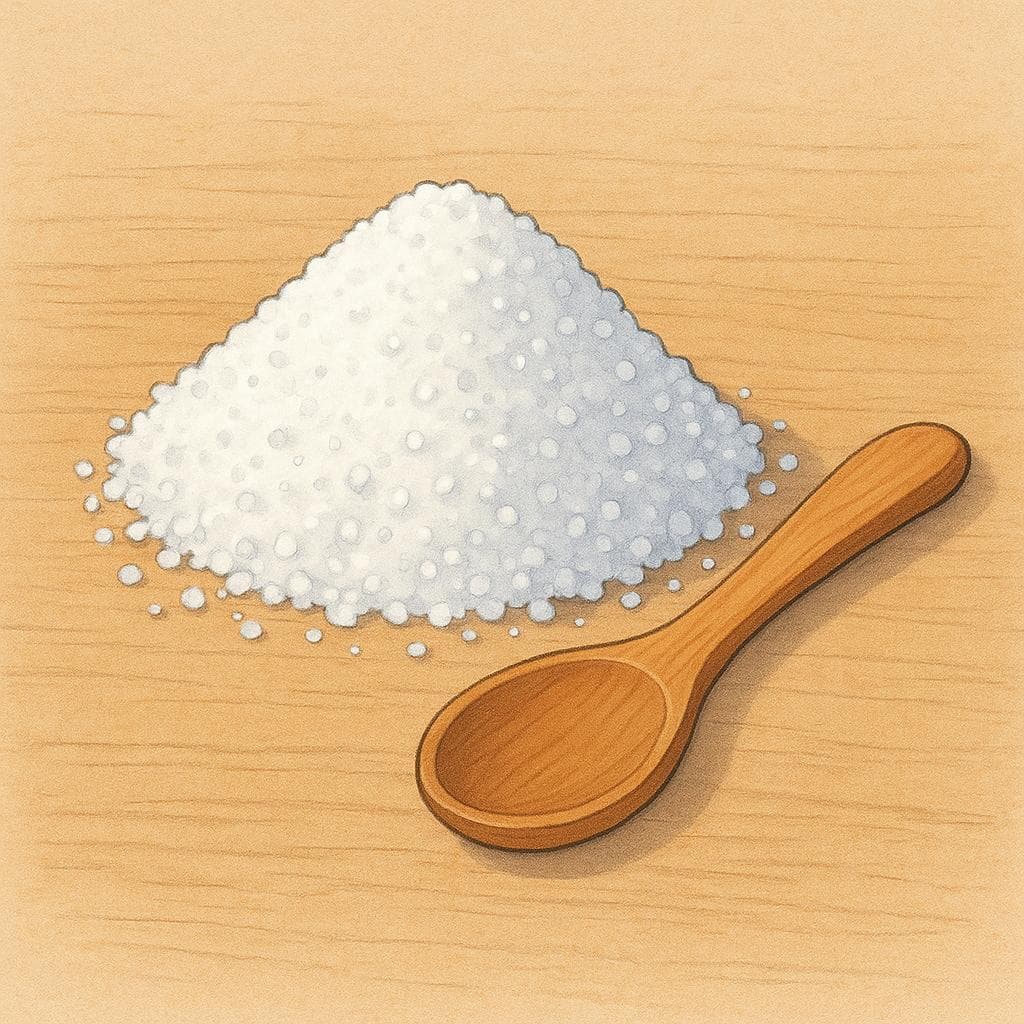
salt
“La sopa necesita un poco más de sal.”
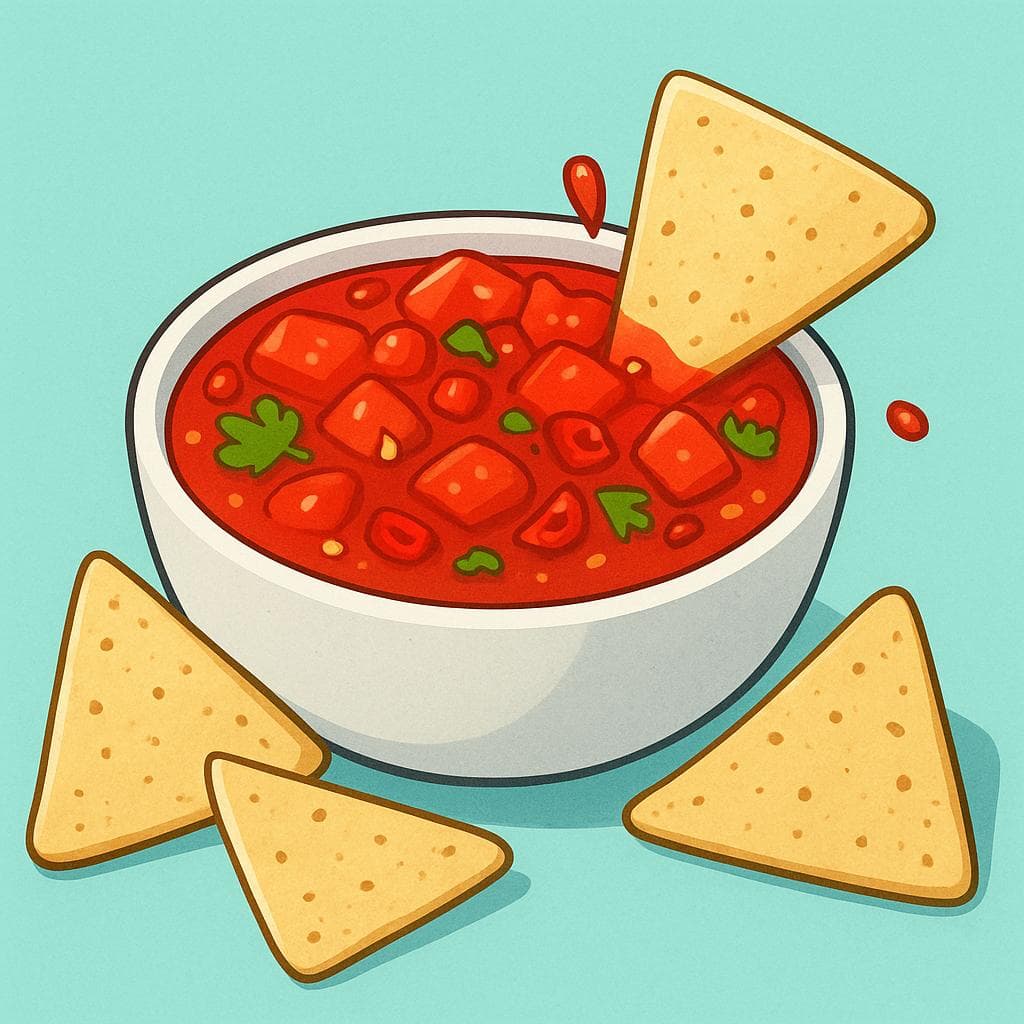
sauce
“La salsa de tomate es esencial para la pasta.”
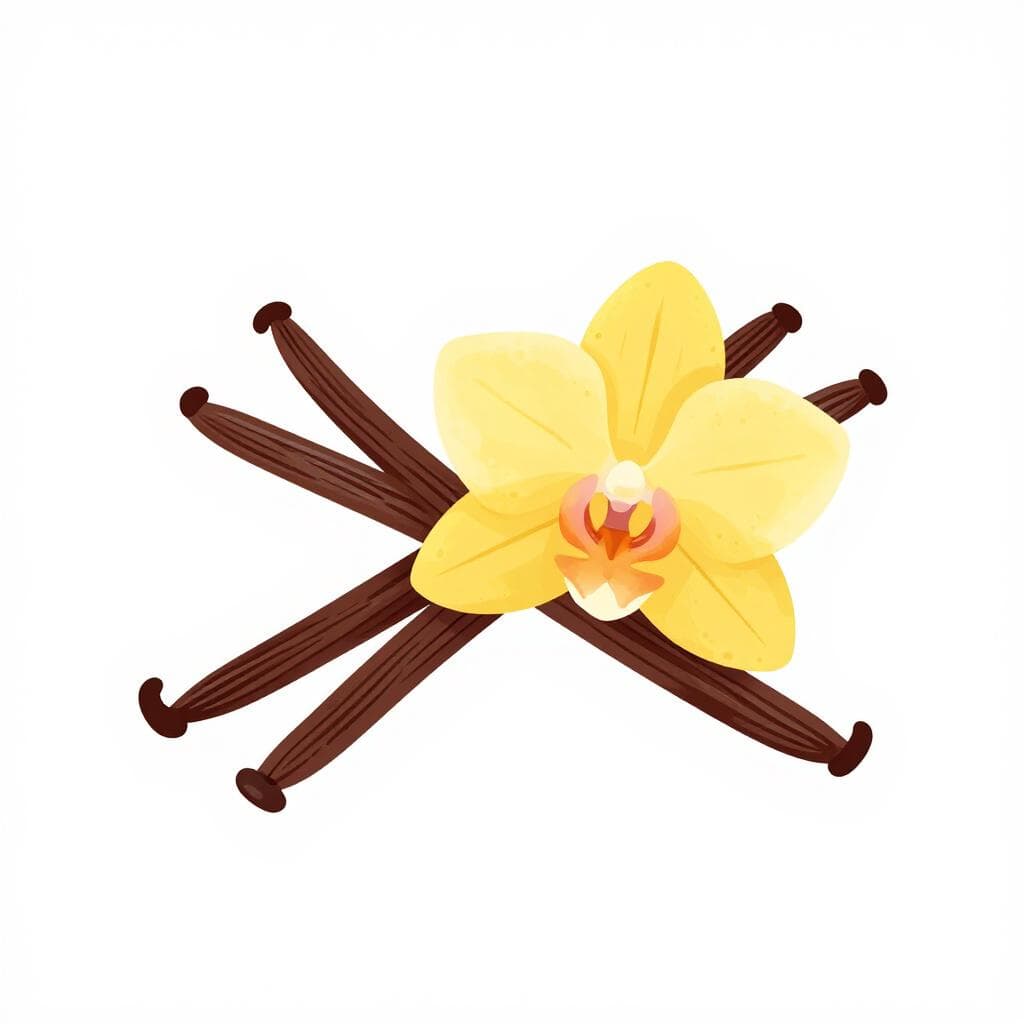
vanilla
“Me gustaría un helado de vainilla, por favor.”
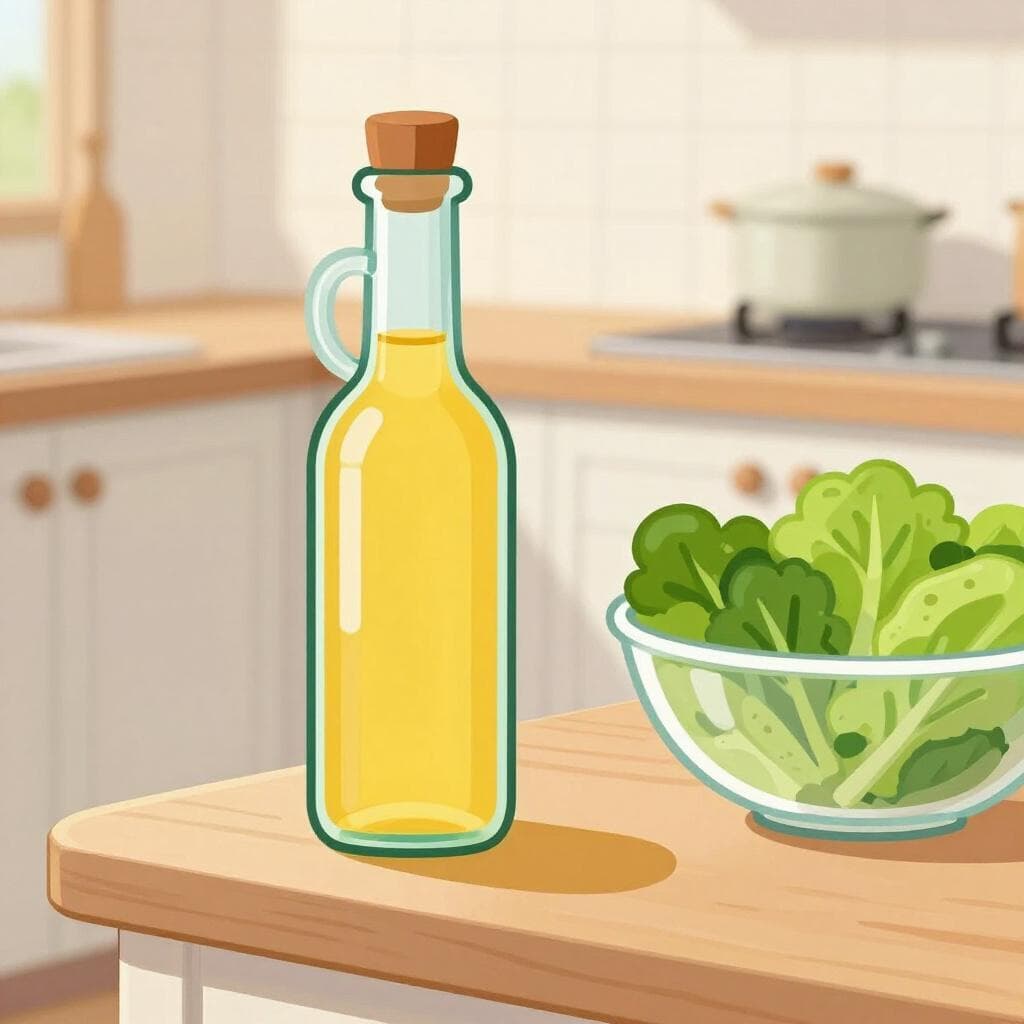
vinegar
“Prefiero la ensalada con mucho vinagre y poca sal.”
A2 — Elementary (4 words)

spices
“Esta receta lleva muchas especies exóticas.”
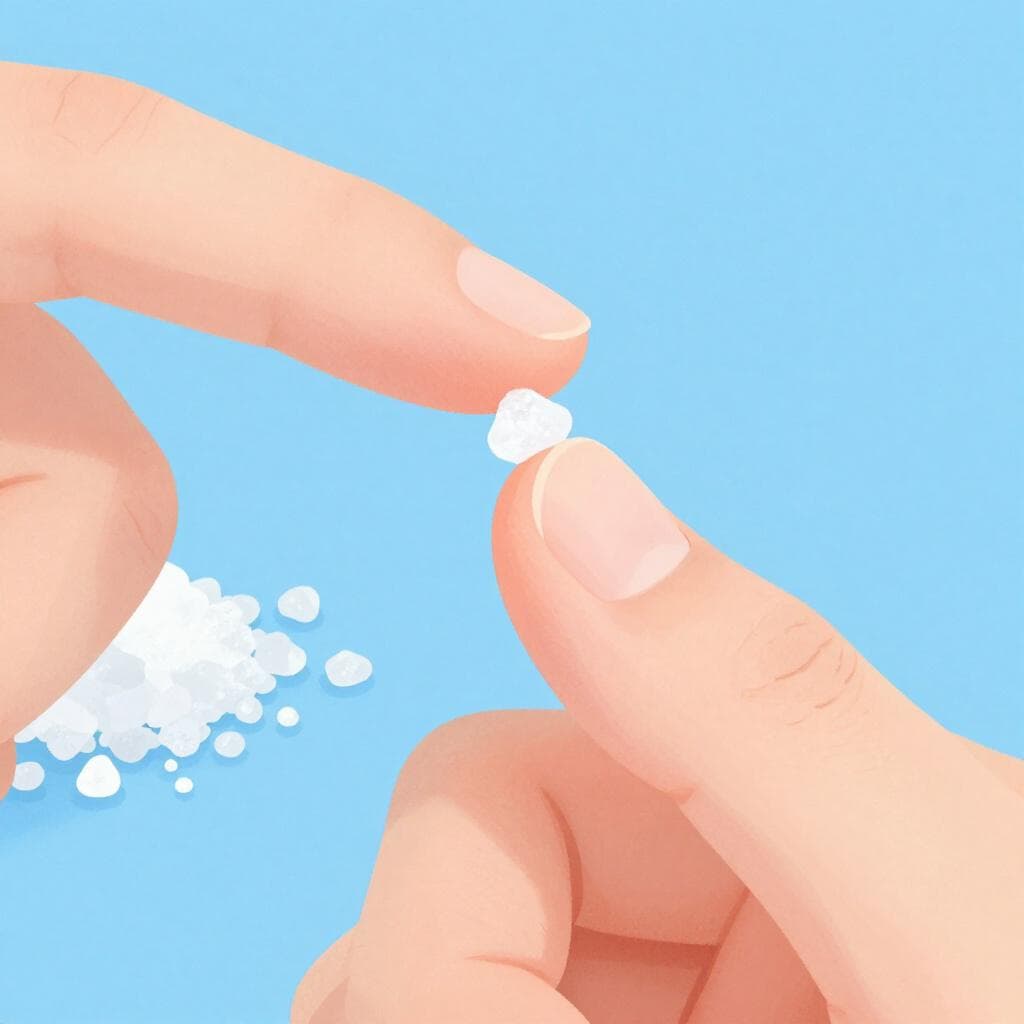
pinch
“Añade una pizca de sal a la sopa.”
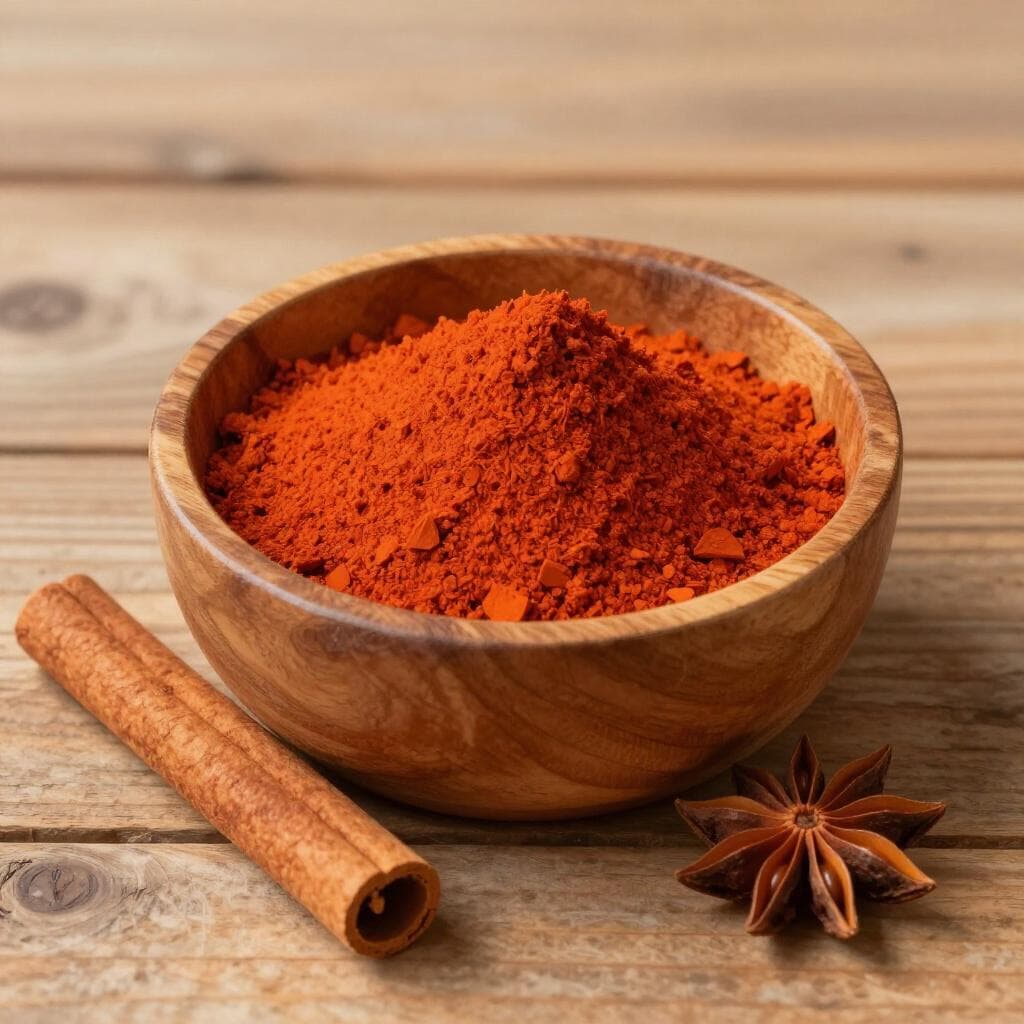
spice
“La canela es mi especia favorita para el café.”

bay leaf
“Pon una hoja de laurel en la salsa para que tenga más sabor.”
Grammar Tips
Gender and Number Agreement
Most nouns for spices and condiments in Spanish have a gender, like 'la pimienta' (feminine) or 'el clavo' (masculine). Remember to make adjectives agree, for example, 'la salsa picante' (the spicy sauce). Plurals are usually formed by adding -s or -es, like 'las especias'.
Using 'Pizca'
The word 'pizca' means 'pinch' and is a common way to express small quantities. It's a feminine noun: 'una pizca de sal' (a pinch of salt). You can also use it figuratively, like 'una pizca de humor' (a pinch of humor).
'Especia' vs. 'Especies'
Be mindful of singular vs. plural! 'La especia' refers to a single spice (e.g., 'la canela es una especia'), while 'las especias' refers to spices in general or multiple types of spices (e.g., 'me gustan las especias exóticas').
Common Mistakes
Adjective Placement
Mistake: “Me gusta la picante salsa.”
Correction: Me gusta la salsa picante. — In Spanish, descriptive adjectives like 'picante' (spicy) usually come *after* the noun they modify.
Singular vs. Plural Spices
Mistake: “Necesito una especia para la receta.”
Correction: Necesito especias para la receta. — Unless you are referring to one specific spice, it's more common to use the plural 'especias' when talking about spices needed for a recipe in general.
Incorrect Article with 'Pizca'
Mistake: “Necesito el pizca de sal.”
Correction: Necesito una pizca de sal. — 'Pizca' is a feminine noun, so it requires the feminine indefinite article 'una' (a/an), not the masculine 'el' (the).
Cultural Notes
Regional Spice Preferences
While Spain uses a variety of herbs and spices, many Latin American cuisines are known for their bolder use of chiles and specific regional blends. For example, 'ají' (a type of chili pepper) is fundamental in many South American dishes, whereas 'pimentón' (paprika) is a staple in Spain.
The Role of 'Salsa'
In Spanish, 'salsa' simply means 'sauce'. It can refer to anything from a simple tomato sauce to a complex mole. The context is key, and the type of salsa is often specified, like 'salsa de tomate' (tomato sauce) or 'salsa picante' (hot sauce).