especia
“especia” means “spice” in Spanish (culinary flavoring derived from seeds, bark, or roots).
spice
Also: seasoning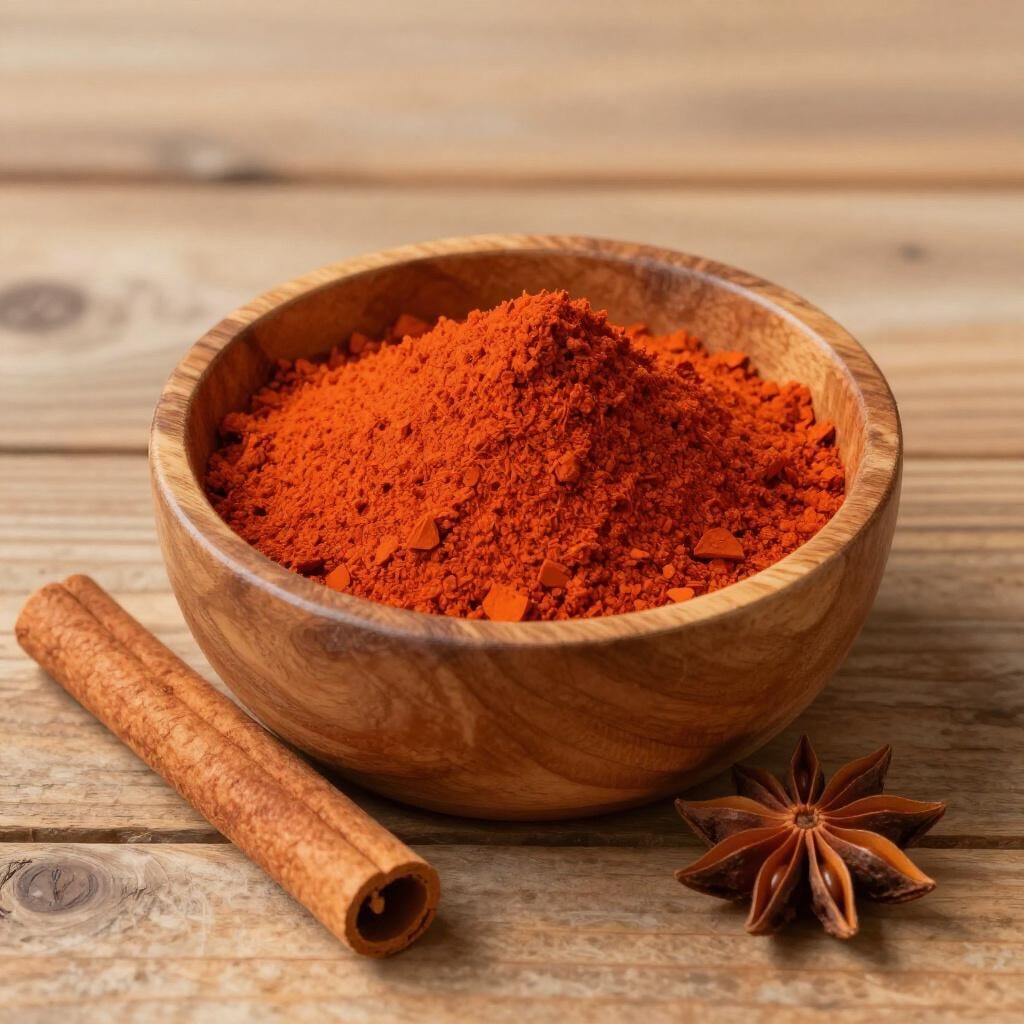
📝 In Action
La canela es mi especia favorita para el café.
A1Cinnamon is my favorite spice for coffee.
Tienes que comprar más especias en el mercado.
A2You have to buy more spices at the market.
Esta receta utiliza una mezcla de especias muy exóticas.
B1This recipe uses a mix of very exotic spices.
Translate to Spanish
✏️ Quick Practice
Quick Quiz: especia
Question 1 of 3
Which word would you use to describe cinnamon in your kitchen?
📚 More Resources
👥 Word Family▼
🎵 Rhymes▼
📚 Etymology▼
From the Latin word 'species,' which originally meant 'appearance' or 'kind.' In the Middle Ages, it came to refer to valuable goods or 'types' of luxury items, specifically the dried flavorings we call spices today.
First recorded: 13th century
Cognates (Related words)
💡 Master Spanish
Take your Spanish to the next level. Read 200+ illustrated and narrated Spanish stories tailored to your level with the Inklingo app!
Frequently Asked Questions
What is the difference between 'especia' and 'condimento'?
They are very similar! 'Especia' specifically refers to things like pepper, cinnamon, or cloves. 'Condimento' is a broader term that includes spices but also things like salt, vinegar, or mustard.
How do I say 'spice rack' in Spanish?
The most common way is 'especiero' or 'estante de especias'.
Does 'especia' ever mean 'species' in Spanish?
No. In modern Spanish, 'especia' is only for cooking. The word for a biological species or 'type' of something is 'especie'.