How to Say "spice" in Spanish
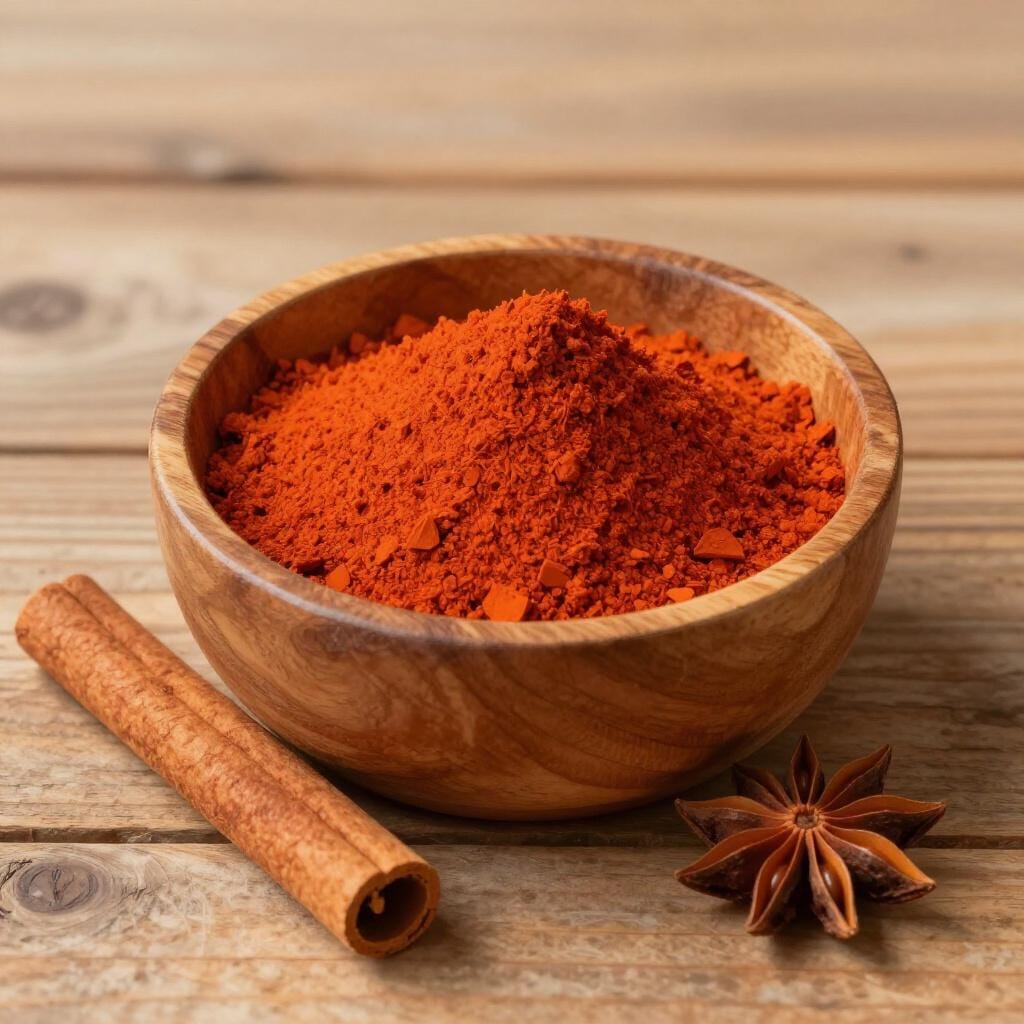
The most common Spanish word for “spice” is “especia” — use 'especia' when referring to the dried seeds, fruits, roots, bark, or other plant parts used for flavoring, coloring, or preserving food.
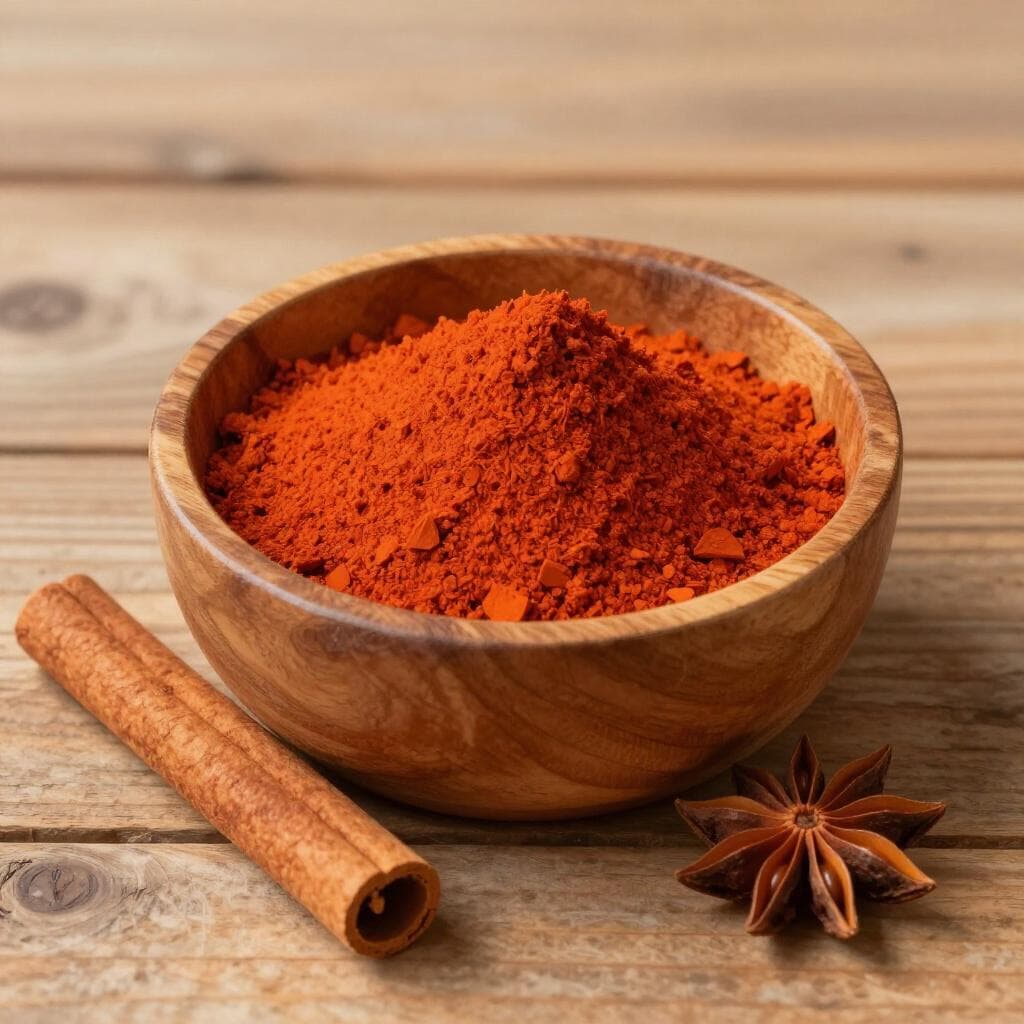
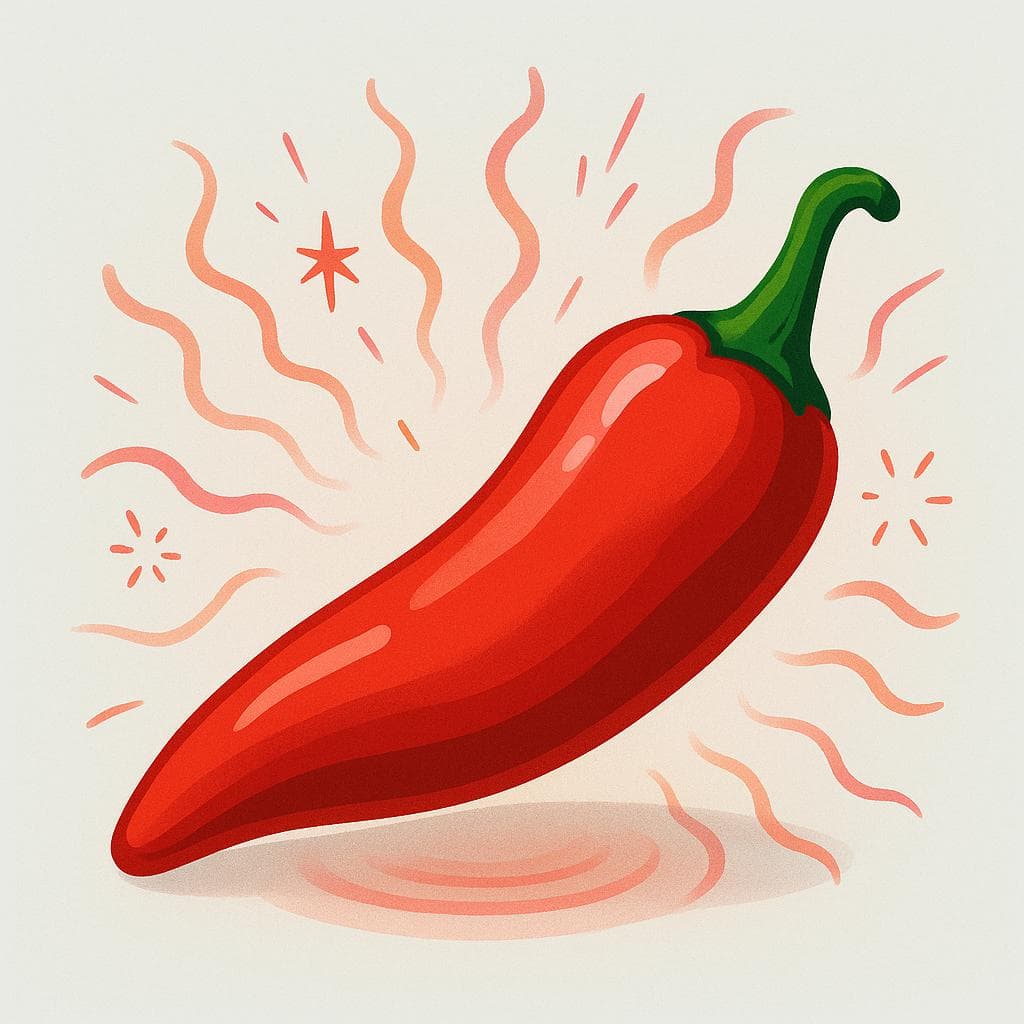
especia
es-PEH-syahesˈpeθja
Examples
Me encanta añadir un poco de especia a mis guisos.
I love adding a little spice to my stews.
La canela es mi especia favorita para el café.
Cinnamon is my favorite spice for coffee.
Tienes que comprar más especias en el mercado.
You have to buy more spices at the market.
Esta receta utiliza una mezcla de especias muy exóticas.
This recipe uses a mix of very exotic spices.
Feminine Noun
This word is feminine, so you always use 'la' or 'una'. In the plural, it becomes 'las especias'.
Describing Spices
When you want to say food is 'spiced' or 'spicy,' you usually use the related adjective 'especiado' (flavorful with spices) or 'picante' (hot/burning).
Especia vs. Especie
Mistake: “Using 'especie' to mean 'spice'.”
Correction: Use 'especia' for cooking. 'Especie' means 'species' or 'type' (like a species of animal).
Especia vs. Hierba
Mistake: “Calling fresh cilantro an 'especia'.”
Correction: In Spanish, 'especias' usually refers to dried seeds/roots/bark (like pepper or cloves), while 'hierbas' refers to the green leafy parts of plants.
salsa
SAHL-sahˈsalsa
Examples
Su discurso le dio mucha salsa al evento.
His speech added a lot of spice/flair to the event.
El nuevo entrenador le puso mucha salsa al equipo.
The new coach added a lot of spice/flair to the team.
A esta reunión le falta un poco de salsa.
This meeting is missing a bit of excitement.
Figurative Use
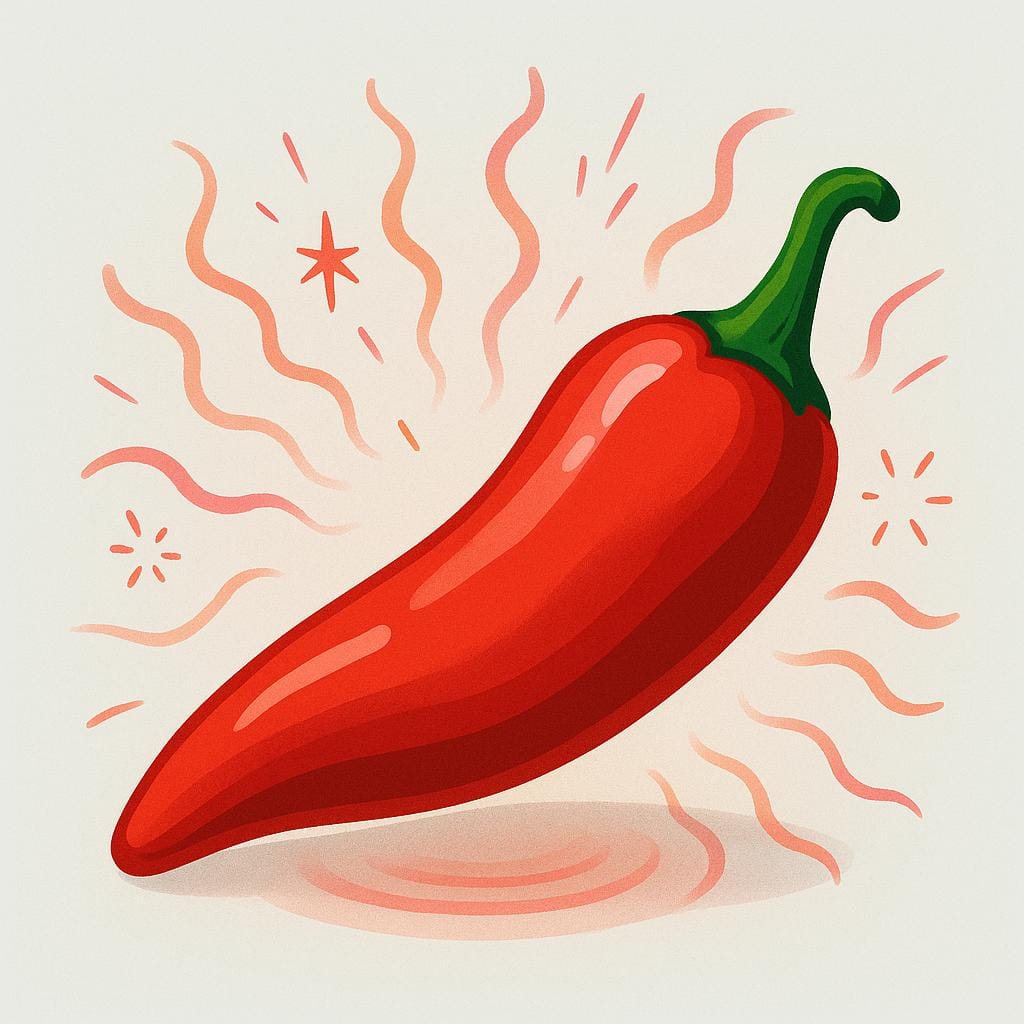
This meaning is an extension of the food definition, suggesting something that makes life or an activity more flavorful or interesting.
Culinary vs. Figurative Use
Related Translations
Learn Spanish with Inklingo
Interactive stories, personalized learning, and more.