ajo
“ajo” means “garlic” in Spanish. It has 2 different meanings depending on context:
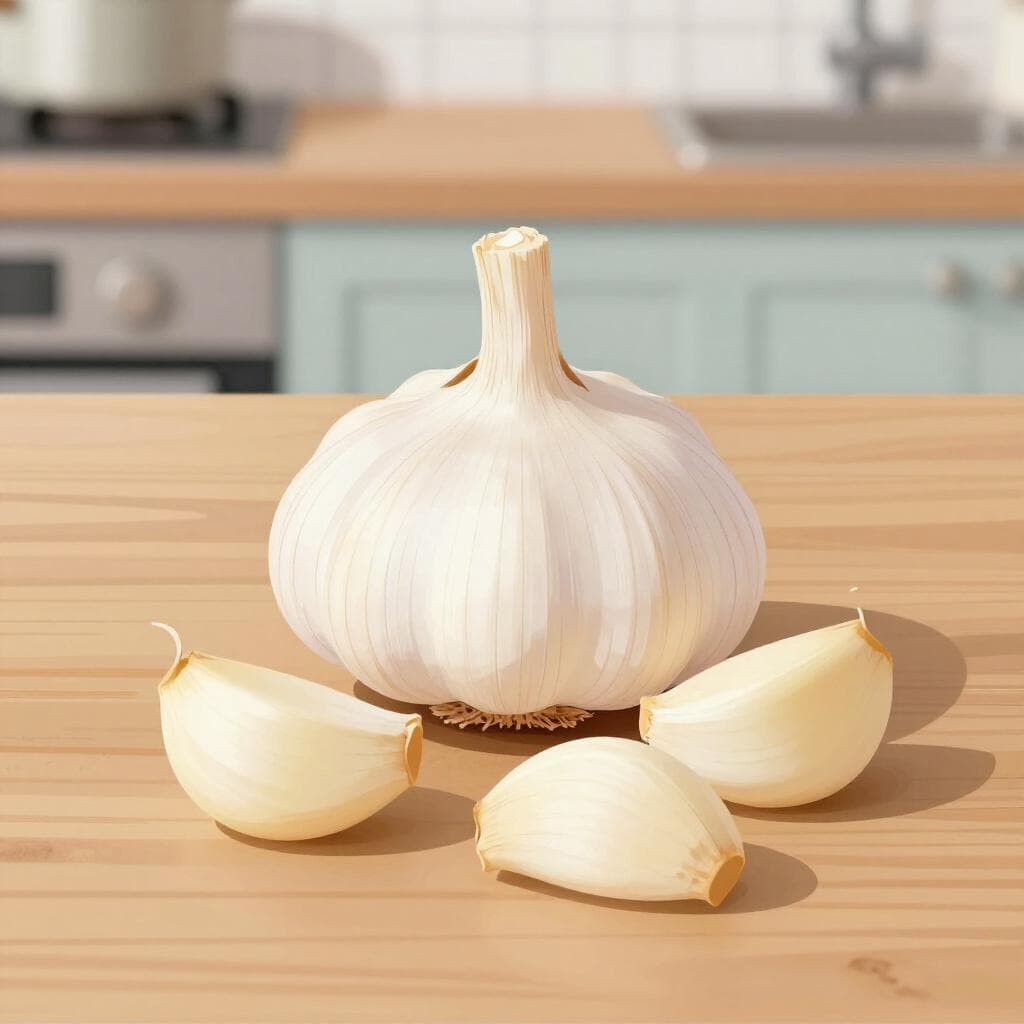

garlic
Also: clove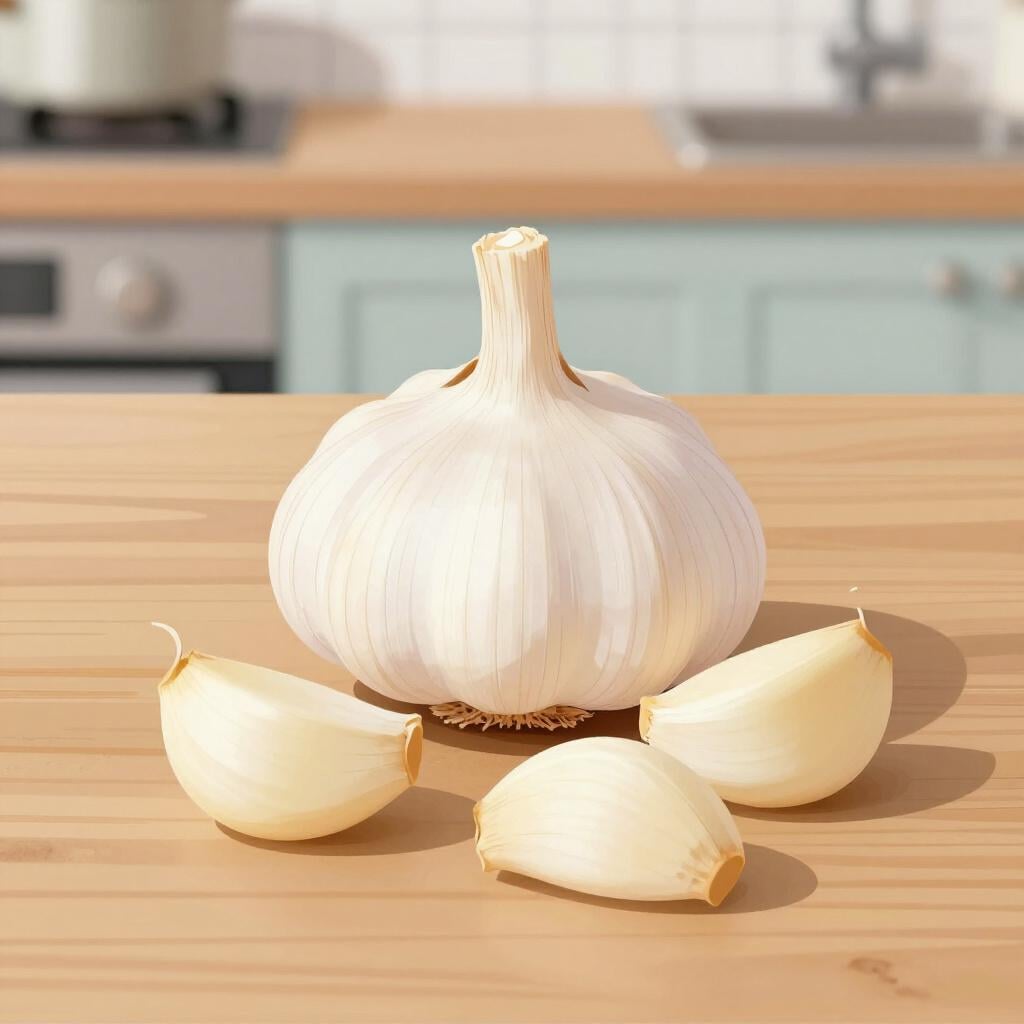
📝 In Action
Necesito tres dientes de ajo para la salsa.
A1I need three cloves of garlic for the sauce.
El ajo es muy bueno para la salud.
A1Garlic is very good for your health.
No me gusta el olor a ajo en las manos.
A2I don't like the smell of garlic on my hands.
I wear out
Also: I tarnish
📝 In Action
Yo ajo mi ropa si la lavo con agua muy caliente.
C1I wear out my clothes if I wash them with very hot water.
Subjunctive
Imperfect Subjunctive
Present Subjunctive
Indicative
Preterite
Imperfect
Present
Vocabulary Collections
Translate to Spanish
🗣️ Practice in a Tongue Twister
✏️ Quick Practice
Quick Quiz: ajo
Question 1 of 2
How do you say 'a clove of garlic' in Spanish?
📚 More Resources
👥 Word Family▼
📚 Etymology▼
From the Latin word 'allium', which also meant garlic. The 'll' sound in Latin eventually shifted to the 'j' sound in modern Spanish.
First recorded: 10th century
Cognates (Related words)
💡 Master Spanish
Take your Spanish to the next level. Read 200+ illustrated and narrated Spanish stories tailored to your level with the Inklingo app!
Frequently Asked Questions
Is 'ajo' ever used as a bad word?
In some countries like Spain, people say '¡Ajo!' as a polite way to start saying '¡Carajo!' (a swear word) but stopping themselves halfway. It's like saying 'Shoot!' instead of a stronger word.
What is the difference between 'ajo' and 'ajó'?
'Ajo' is garlic or 'I wear out'. 'Ajó' is the past tense form: 'he/she/it wore out'.