How to Say "clove" in Spanish
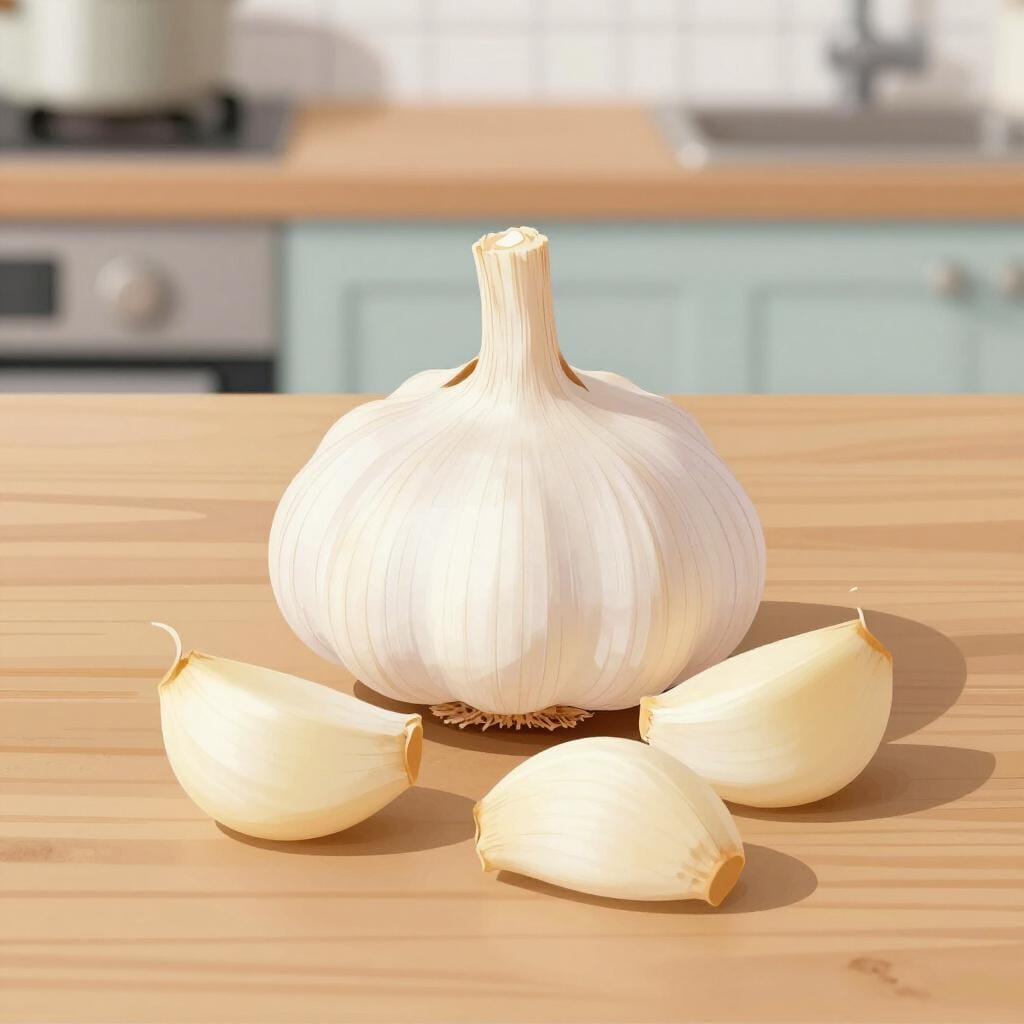
The most common Spanish word for “clove” is “ajo” — use 'ajo' to refer to a segment of a garlic bulb, often specified as 'diente de ajo'.
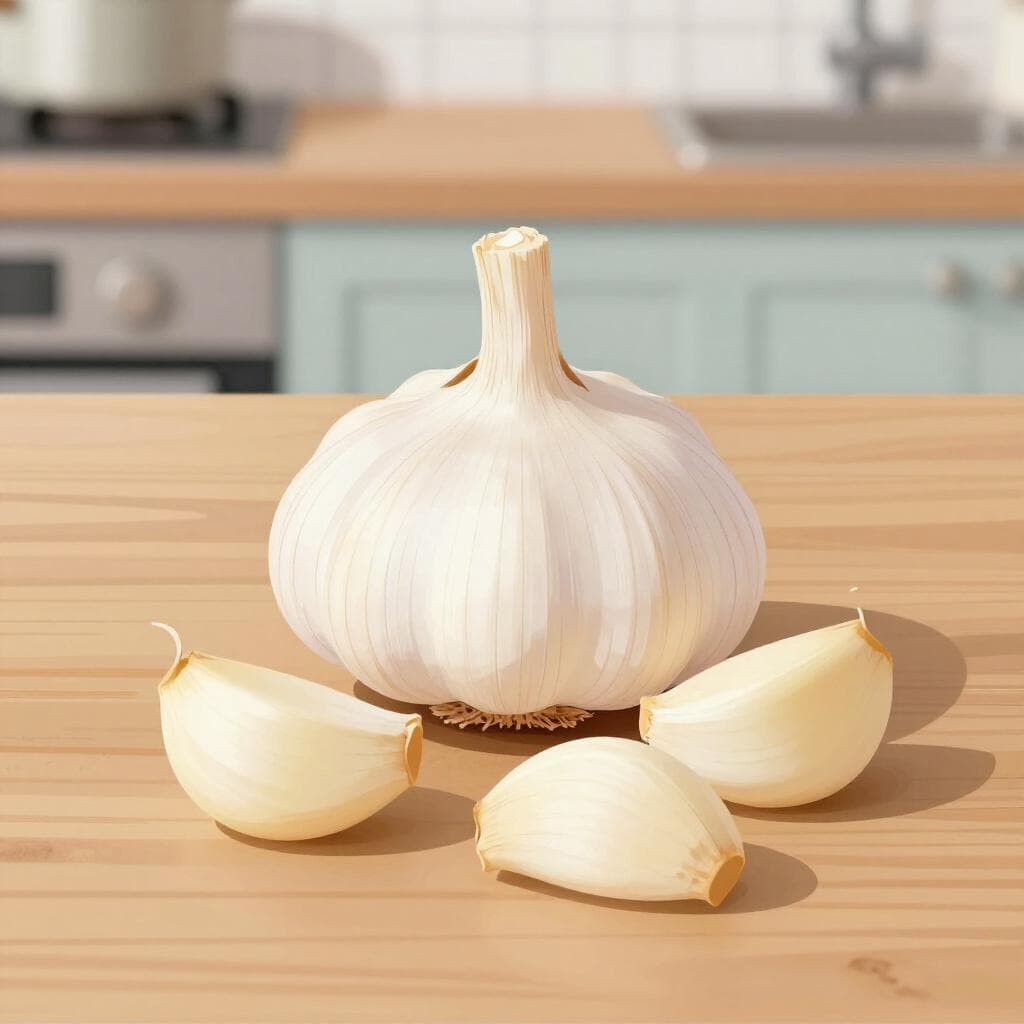

ajo
ah-hoˈaxo
Examples
Necesito tres dientes de ajo para la salsa.
I need three cloves of garlic for the sauce.
El ajo es muy bueno para la salud.
Garlic is very good for your health.
No me gusta el olor a ajo en las manos.
I don't like the smell of garlic on my hands.
Using 'Ajo' as a Countable Object
In Spanish, we usually count garlic by 'dientes' (teeth/cloves) or 'cabezas' (heads/bulbs) rather than saying 'one garlic' or 'two garlics'.
Garlic vs. Garlic Clove
Mistake: “Dame un ajo.”
Correction: Dame un diente de ajo.
clavo
KLAH-bohˈklaβo

Examples
Añade dos clavos de olor a la carne.
Add two cloves to the meat.
El clavo es muy bueno para el dolor de muelas.
Clove is very good for toothaches.
The 'Spice' Descriptor
While 'clavo' alone can mean the spice, Spanish speakers almost always say 'clavo de olor' (nail of scent) to distinguish it from the metal tool.
Garlic vs. Spice
Related Translations
Learn Spanish with Inklingo
Interactive stories, personalized learning, and more.