clavo
“clavo” means “nail” in Spanish. It has 3 different meanings depending on context:

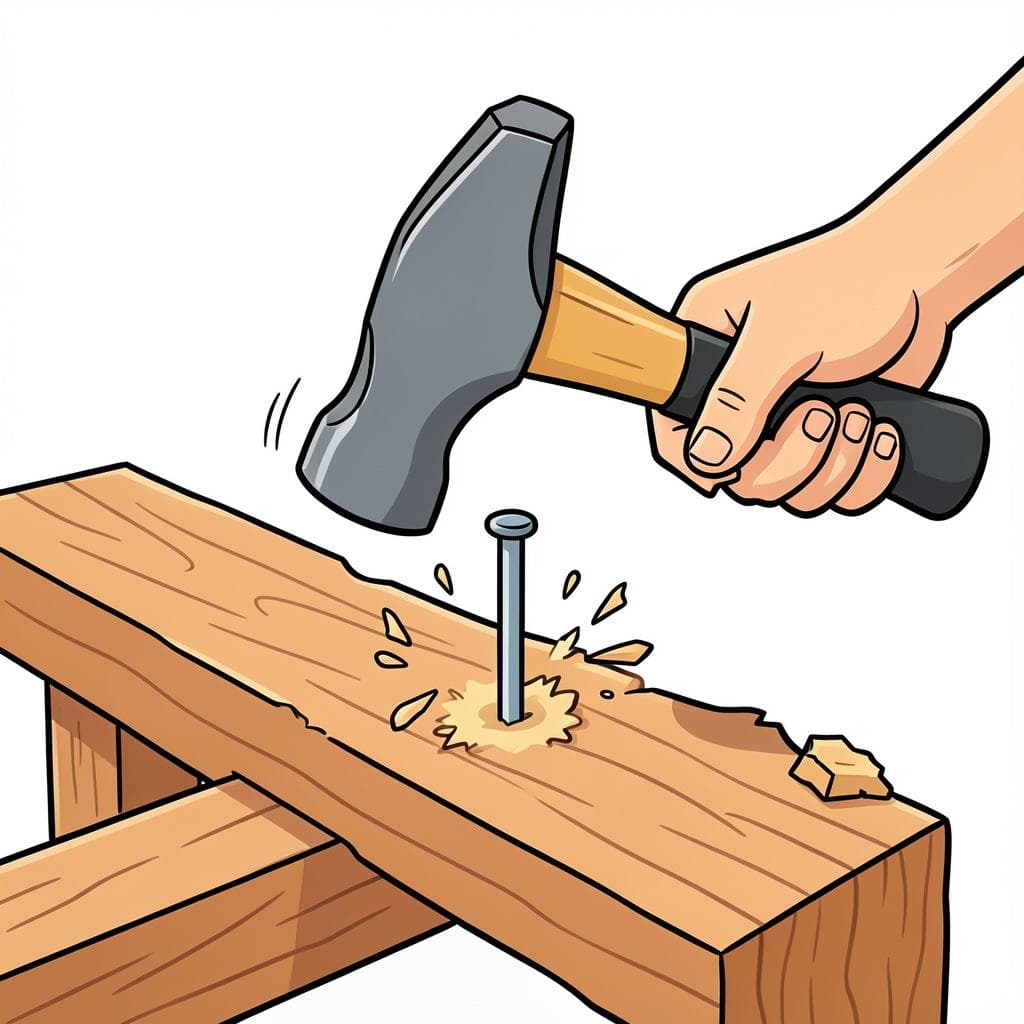
nail
Also: spike
📝 In Action
Necesito un martillo y un clavo para colgar este cuadro.
A1I need a hammer and a nail to hang this picture.
Ten cuidado con ese clavo oxidado.
A2Be careful with that rusty nail.

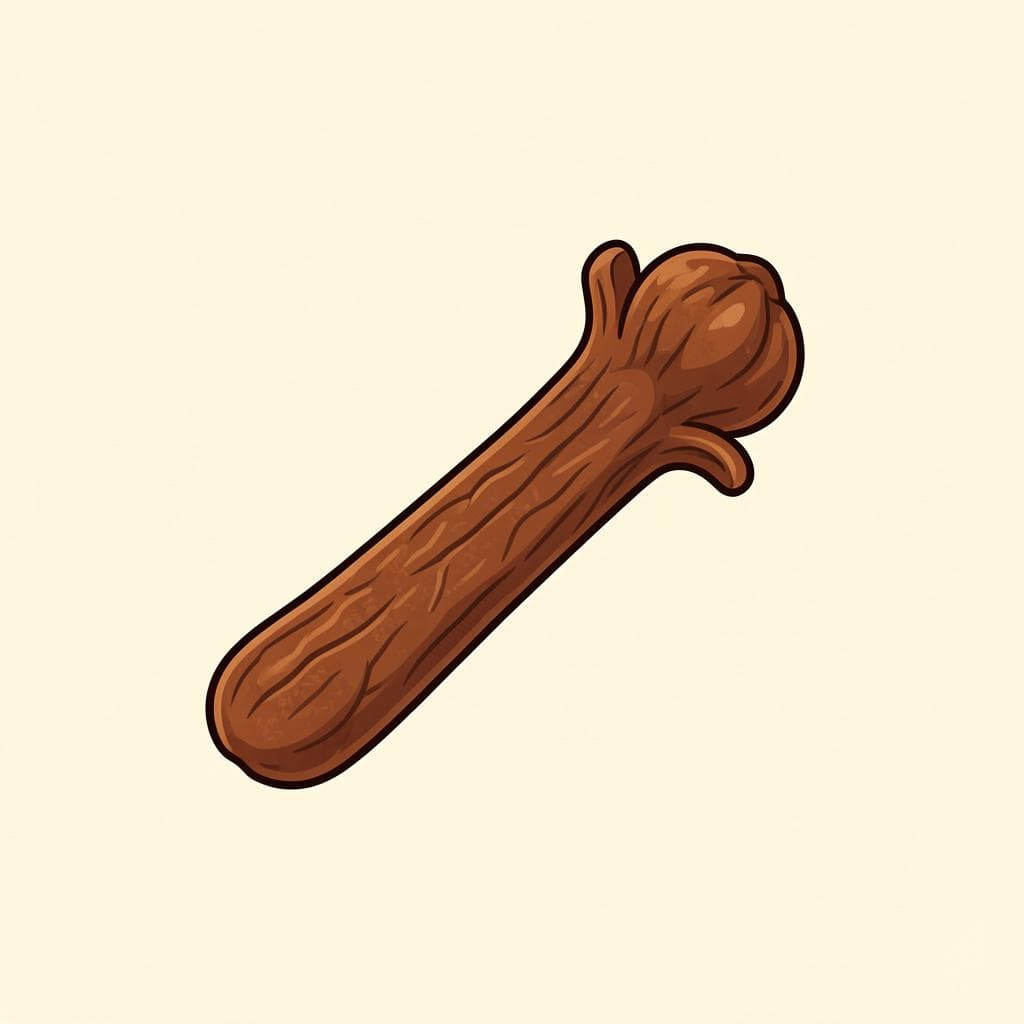
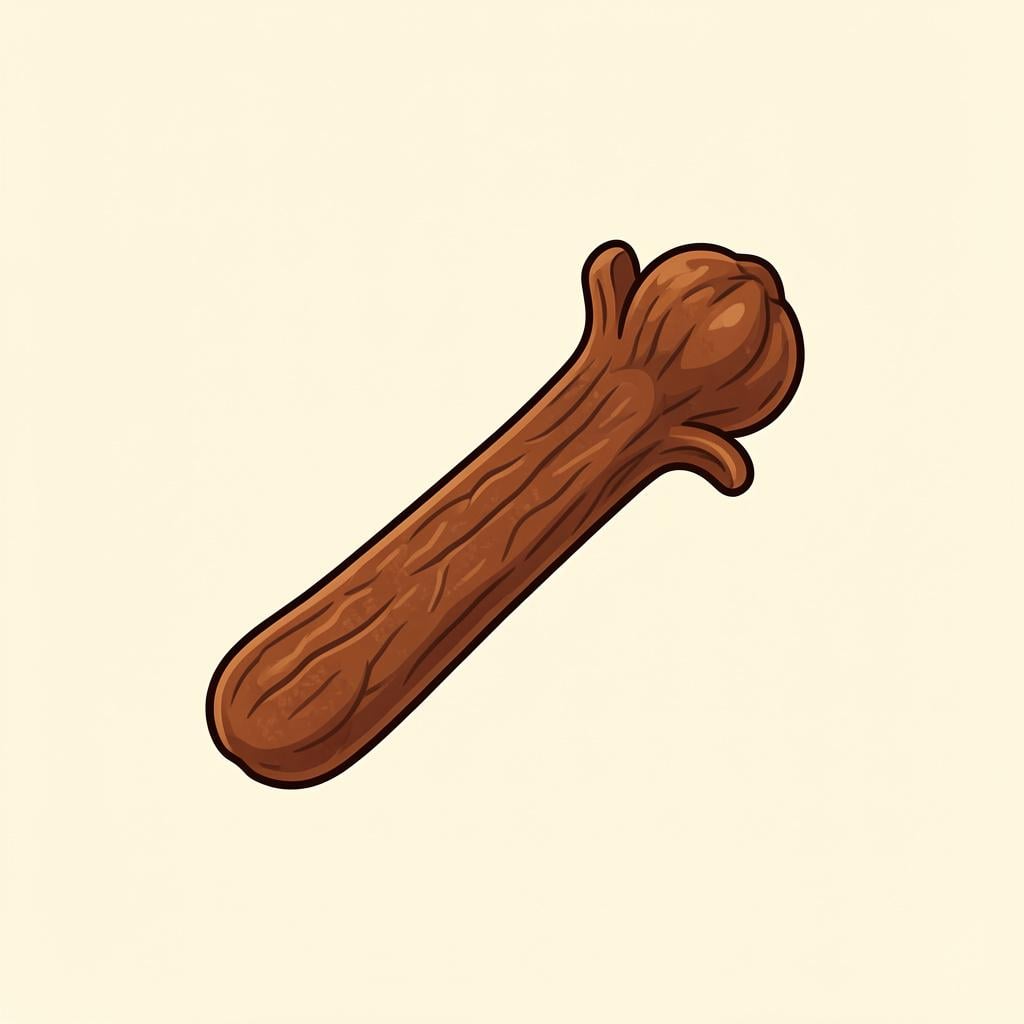
clove
📝 In Action
Añade dos clavos de olor a la carne.
B1Add two cloves to the meat.
El clavo es muy bueno para el dolor de muelas.
B2Clove is very good for toothaches.
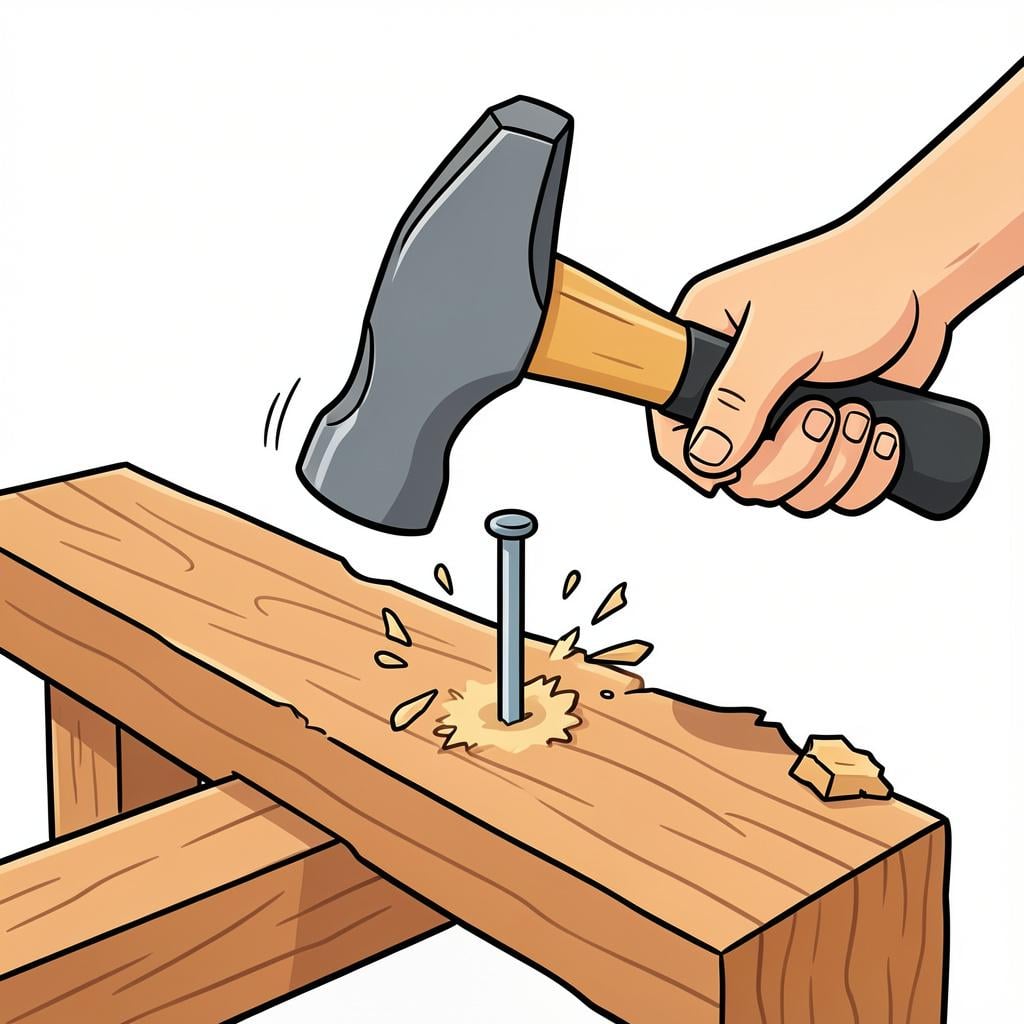
I nail, I drive in
📝 In Action
Yo clavo la madera mientras tú la sostienes.
A2I am nailing the wood while you hold it.
Subjunctive
Imperfect Subjunctive
Present Subjunctive
Indicative
Preterite
Imperfect
Present
Translate to Spanish
🗣️ Practice in a Tongue Twister
✏️ Quick Practice
Quick Quiz: clavo
Question 1 of 2
If someone says '¡Diste en el clavo!', what do they mean?
📚 More Resources
👥 Word Family▼
📚 Etymology▼
From the Latin word 'clavus', which referred to a metal nail or a purple stripe on a tunic. The spice was named later because of its physical resemblance to the metal object.
First recorded: 10th century
Cognates (Related words)
💡 Master Spanish
Take your Spanish to the next level. Read 200+ illustrated and narrated Spanish stories tailored to your level with the Inklingo app!
Frequently Asked Questions
Is 'clavo' used for a clove of garlic?
No. For garlic, Spanish uses the word 'diente' (tooth), as in 'un diente de ajo'.
Can 'clavo' mean a problem?
In some informal contexts in Latin America, 'un clavo' can refer to a difficult situation, a debt, or even a 'white elephant'—something hard to get rid of.