How to Say "spike" in Spanish
The most common Spanish word for “spike” is “clavo” — use 'clavo' when referring to a metal fastener, typically used with a hammer, to join pieces of wood or attach something to a wall.
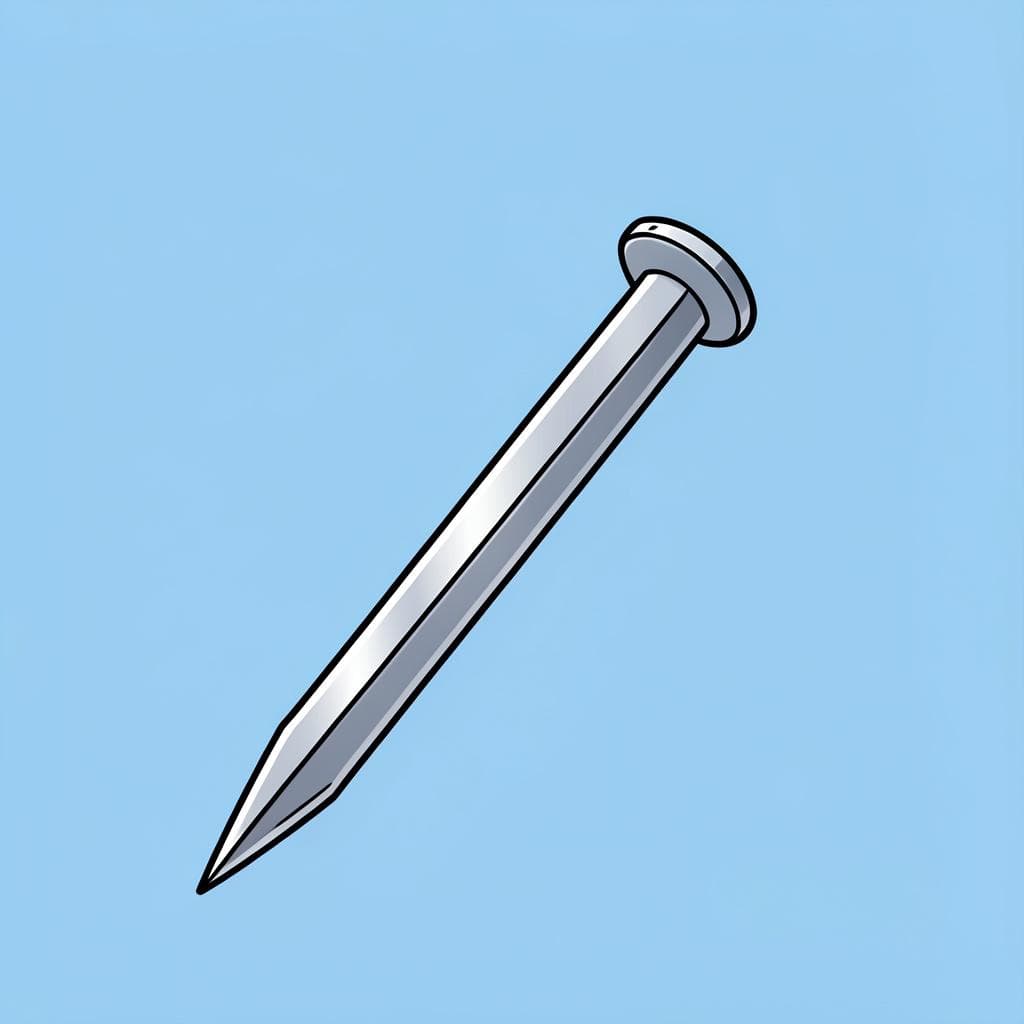
clavo
KLAH-bohˈklaβo
Examples
Necesito un clavo grande para fijar esta tabla.
I need a big nail to fix this board.
Necesito un martillo y un clavo para colgar este cuadro.
I need a hammer and a nail to hang this picture.
Ten cuidado con ese clavo oxidado.
Be careful with that rusty nail.
Always Masculine
Even though it ends in 'o', which is common for masculine words, remember that 'clavo' never changes to 'clava' when referring to hardware.
remate
reh-MAH-tehreˈmate
Examples
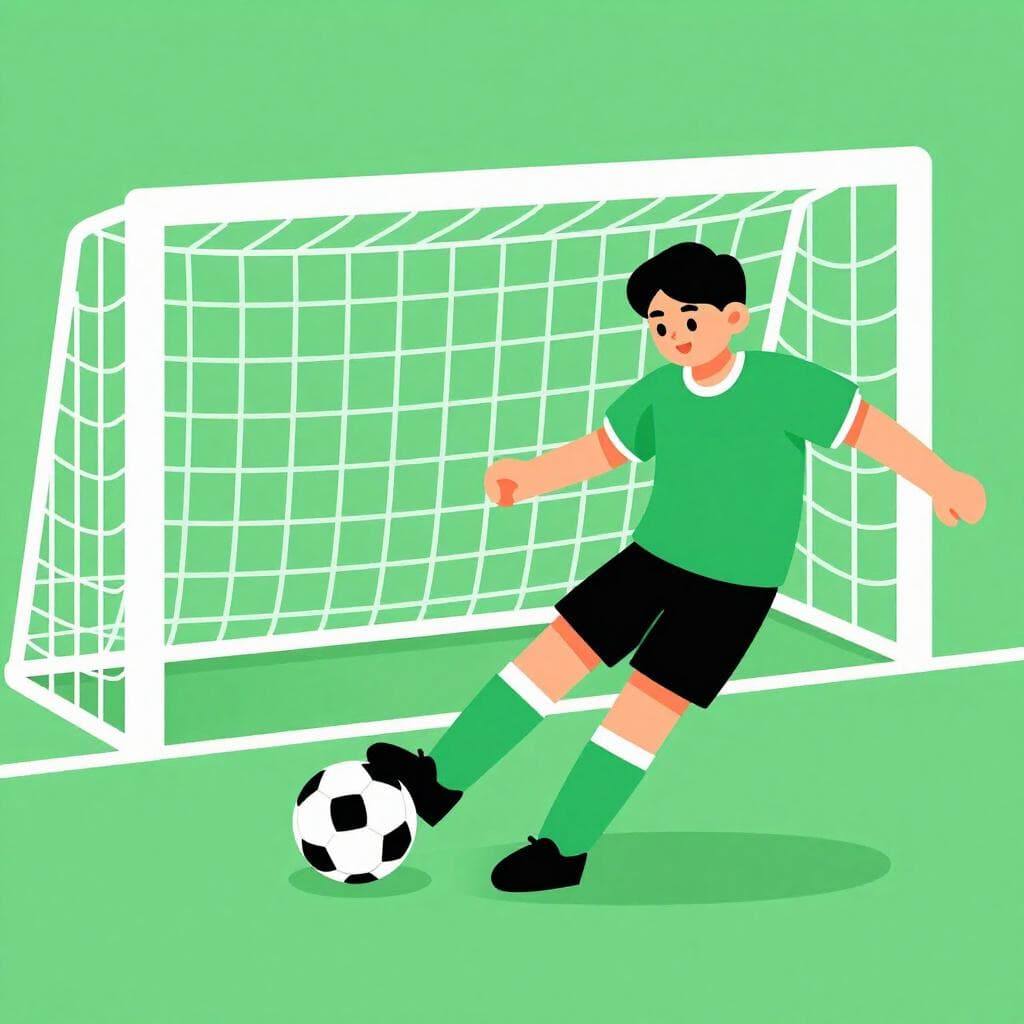
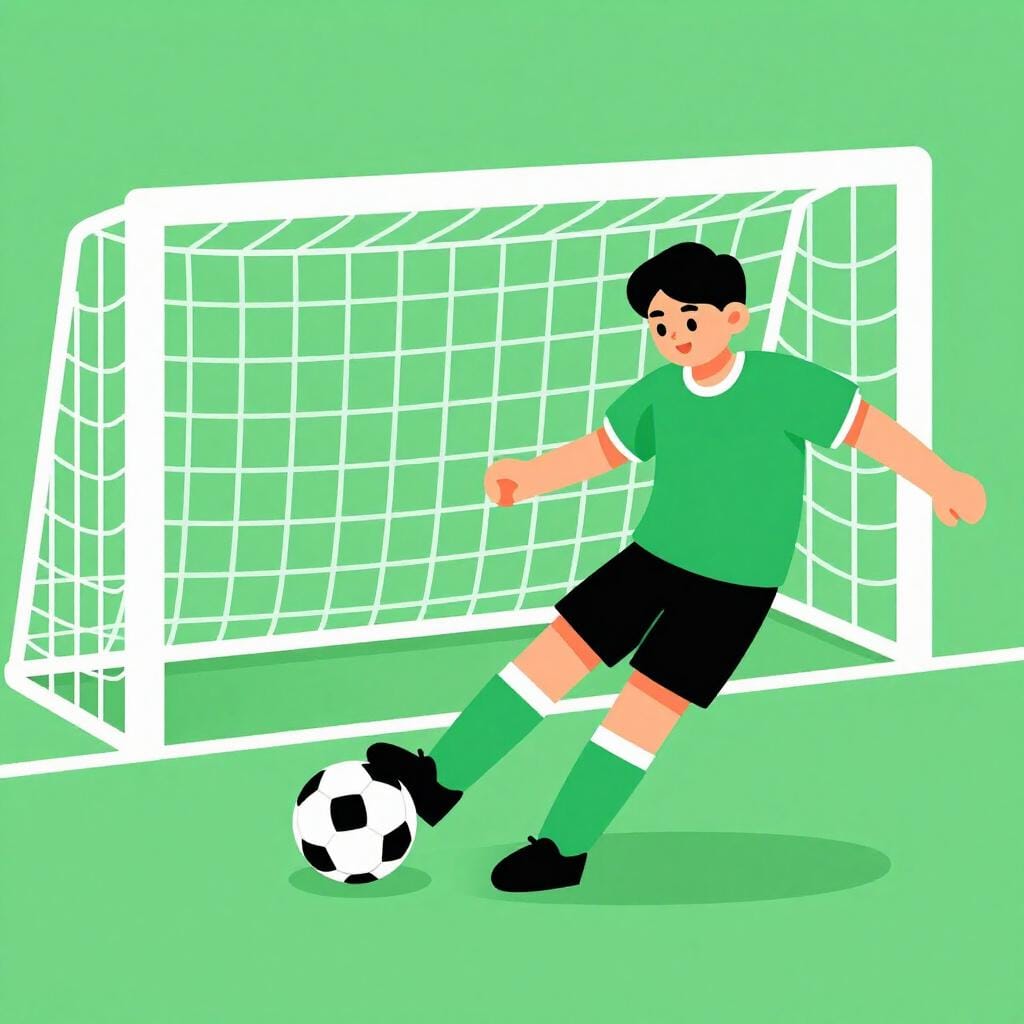
El jugador anotó un remate imparable para ganar el punto.
The player scored an unstoppable spike to win the point.
Fue un remate de cabeza espectacular.
It was a spectacular header.
El portero detuvo el remate de Messi.
The goalkeeper stopped Messi's shot.
El equipo ganó gracias a un remate potente en el último minuto.
The team won thanks to a powerful shot in the last minute.
Action vs. Result
While 'rematar' is the action of shooting, 'el remate' is the actual shot itself.
Not just feet
Mistake: “Thinking 'remate' only refers to kicking a ball.”
Correction: It refers to any final strike toward a goal, including using your head or your hands in volleyball.
disparo
dees-PAH-rohdisˈpaɾo
Examples
Hubo un disparo repentino en el precio de las acciones.
There was a sudden spike in the stock price.
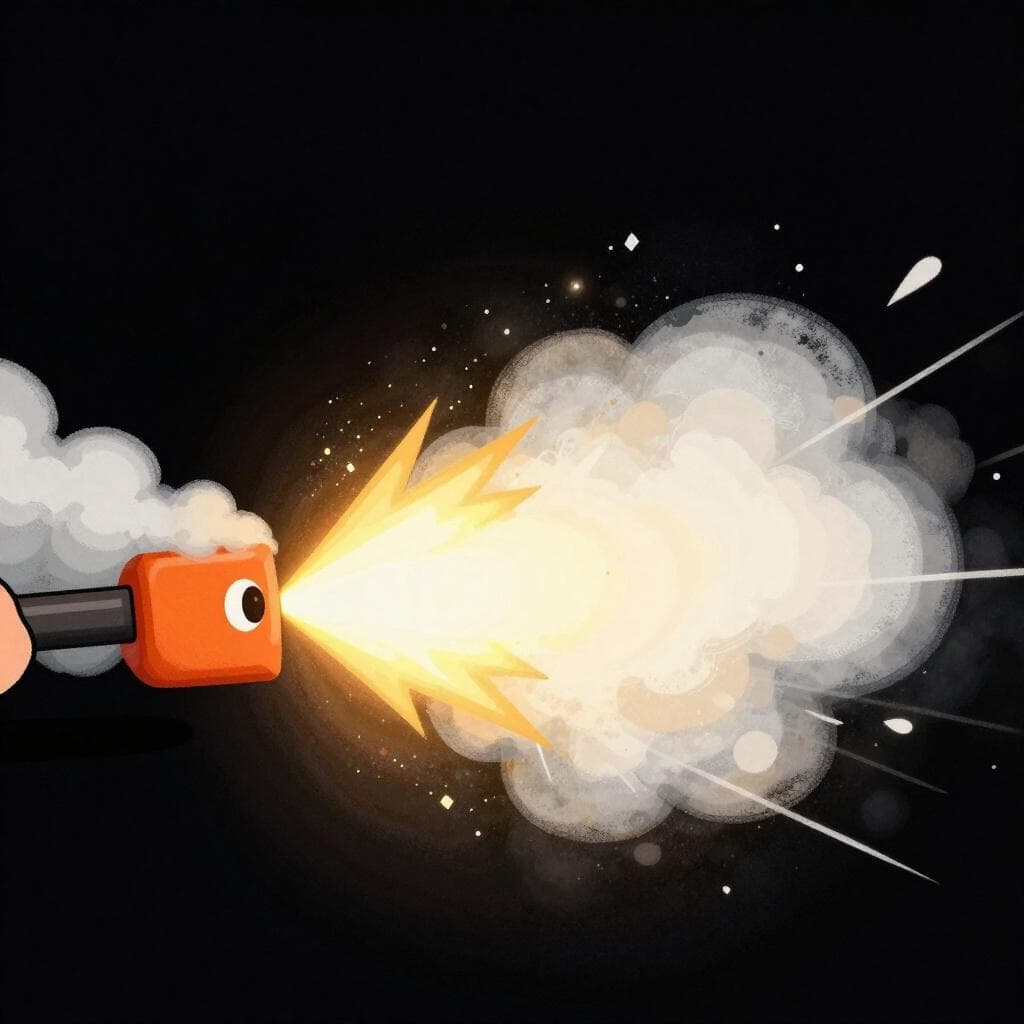
Se oyó un disparo en la distancia y todos se asustaron.
A shot was heard in the distance and everyone got scared.
El disparo de los precios del petróleo afectó la economía.
The spike in oil prices affected the economy.
Necesitamos practicar el tiro al blanco, ¿cuántos disparos quedan?
We need to practice target shooting, how many shots are left?
Gender Check
Since 'disparo' ends in -o, it is a masculine noun and always uses 'el' (el disparo) or 'un' (un disparo).
Confusing Noun and Verb
Mistake: “Using 'disparo' (the noun) when you mean the action of shooting (the infinitive verb 'disparar').”
Correction: Remember 'disparo' is the *result* or *act* (the shot), while 'disparar' is the *action* (to shoot).
Nail vs. Sharp Increase
Related Translations
Learn Spanish with Inklingo
Interactive stories, personalized learning, and more.