renovar
“renovar” means “to renew” in Spanish. It has 2 different meanings depending on context:


to renew
Also: to extend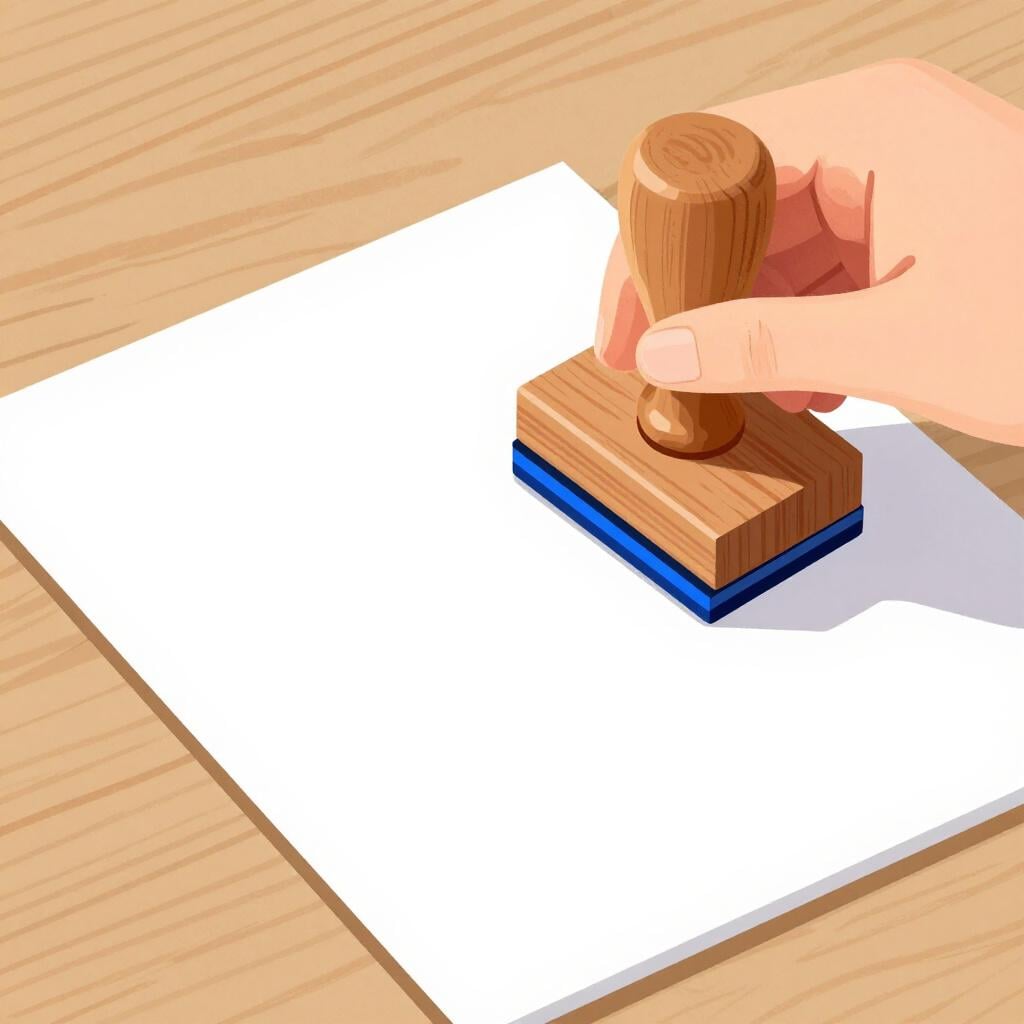
📝 In Action
Tengo que renovar mi pasaporte el mes que viene.
A2I have to renew my passport next month.
Queremos renovar nuestro contrato de alquiler.
B1We want to renew our rental contract.
Si no renuevas la suscripción, perderás el acceso.
B1If you don't renew the subscription, you will lose access.
to renovate, to remodel
Also: to replace
📝 In Action
Vamos a renovar la cocina este verano.
B1We are going to renovate the kitchen this summer.
La oficina necesita renovar sus equipos informáticos.
B2The office needs to replace its computer equipment.
Han renovado todo el mobiliario del hotel.
B2They have replaced all the furniture in the hotel.
Subjunctive
Imperfect Subjunctive
Present Subjunctive
Indicative
Preterite
Imperfect
Present
Translate to Spanish
✏️ Quick Practice
Quick Quiz: renovar
Question 1 of 3
Which form is correct for 'I renew' in the present tense?
📚 More Resources
👥 Word Family▼
📚 Etymology▼
From Latin 'renovāre', which combines 're-' (again) and 'novāre' (to make new). It's directly related to the word 'nuevo'.
First recorded: 13th century
Cognates (Related words)
💡 Master Spanish
Take your Spanish to the next level. Read 200+ illustrated and narrated Spanish stories tailored to your level with the Inklingo app!
Frequently Asked Questions
Can I use 'renovar' for energy?
Yes! 'Energía renovable' means renewable energy. You can also 'renovar energías' figuratively to mean 'to recharge your batteries' after a rest.
What is the difference between 'renovar' and 'reformar'?
'Renovar' usually implies making something like new or replacing it (like furniture), while 'reformar' often refers to construction work or changing the structure of a building.
Does it change in the past tense?
No. In the preterite past (e.g., renové, renovaste), the 'o' stays as an 'o'. The change to 'ue' only happens in the present tense.