How to Say "to renovate" in Spanish
The most common Spanish word for “to renovate” is “reformar” — use 'reformar' when you are talking about making changes or improvements to buildings or rooms, often involving structural or decorative updates.

Use 'reformar' when you are talking about making changes or improvements to buildings or rooms, often involving structural or decorative updates.
Learn more →
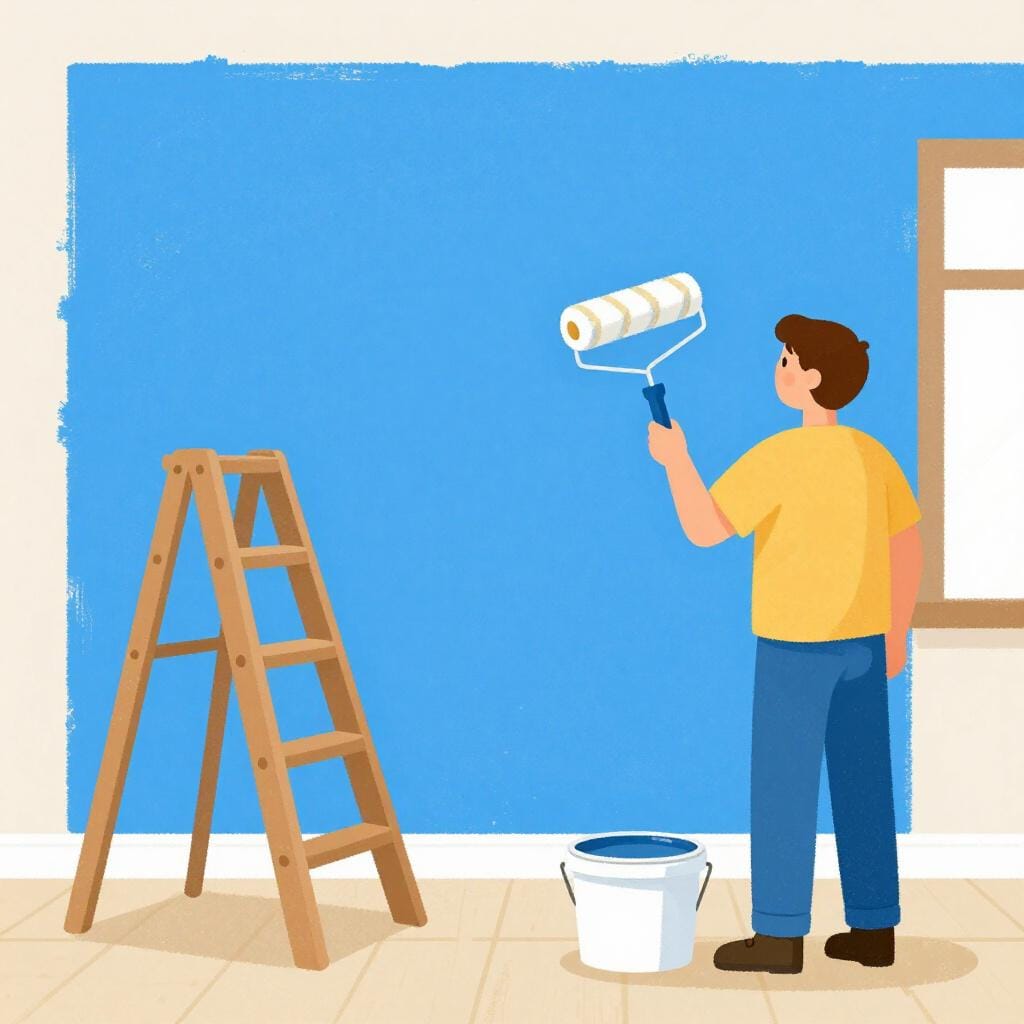
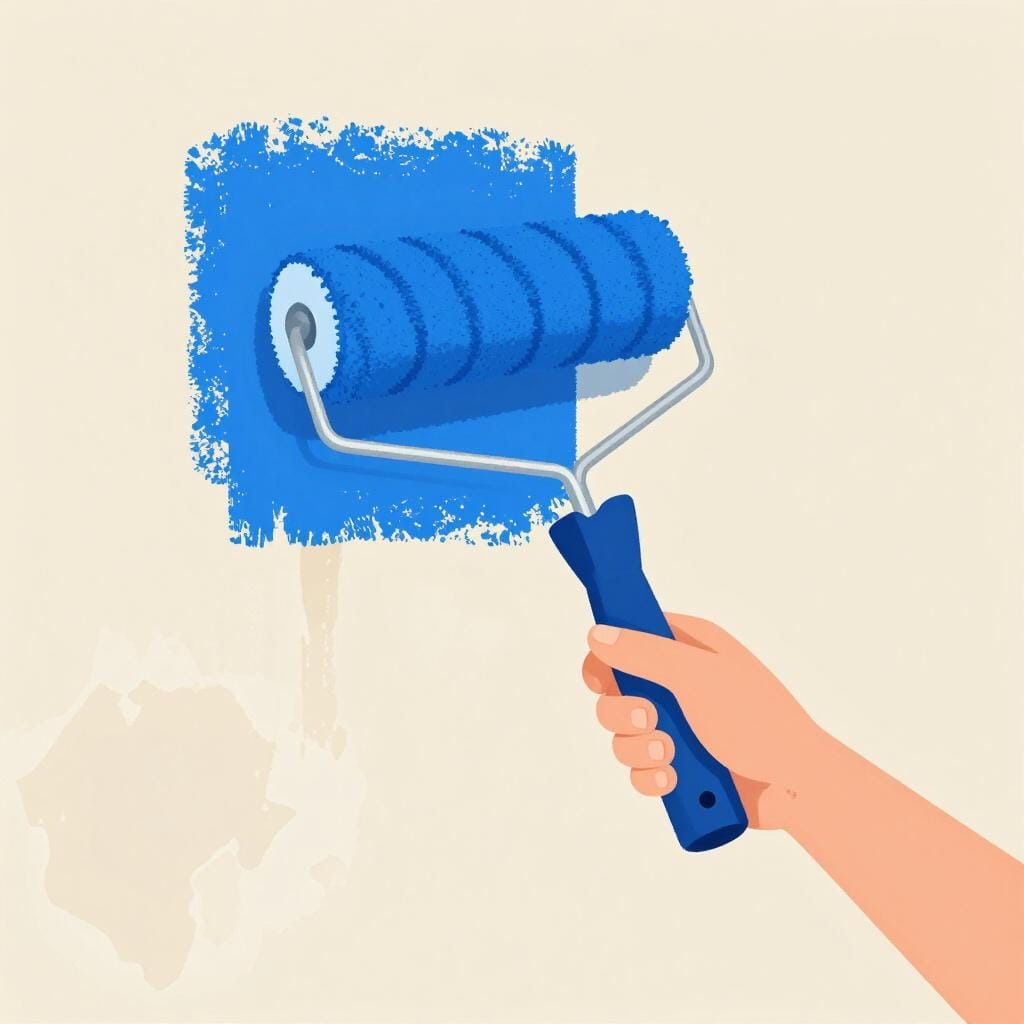
Use 'renovar' when referring to updating or modernizing buildings or rooms, often implying making them look new or more functional.
Learn more →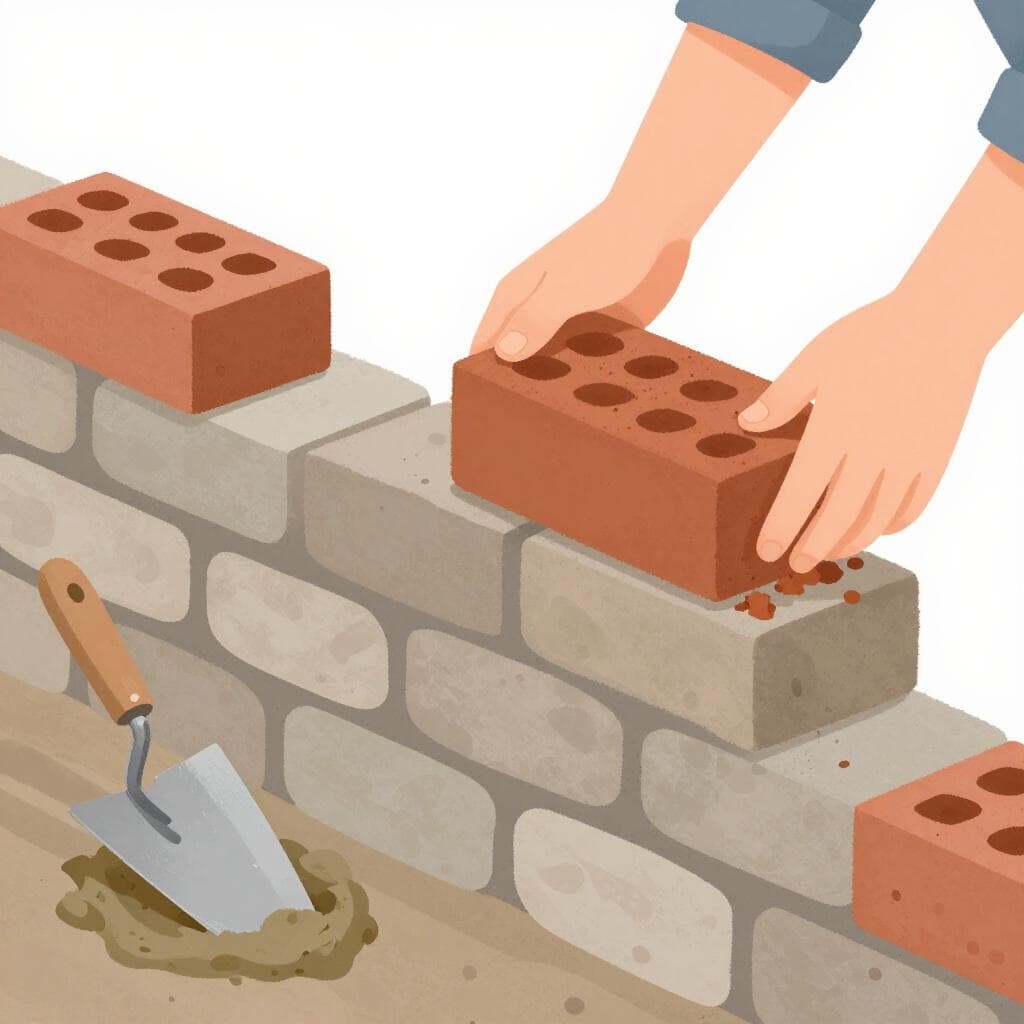
Use 'reconstruir' specifically when the original structure has been damaged or destroyed and needs to be built again, like a bridge after a disaster.
Learn more →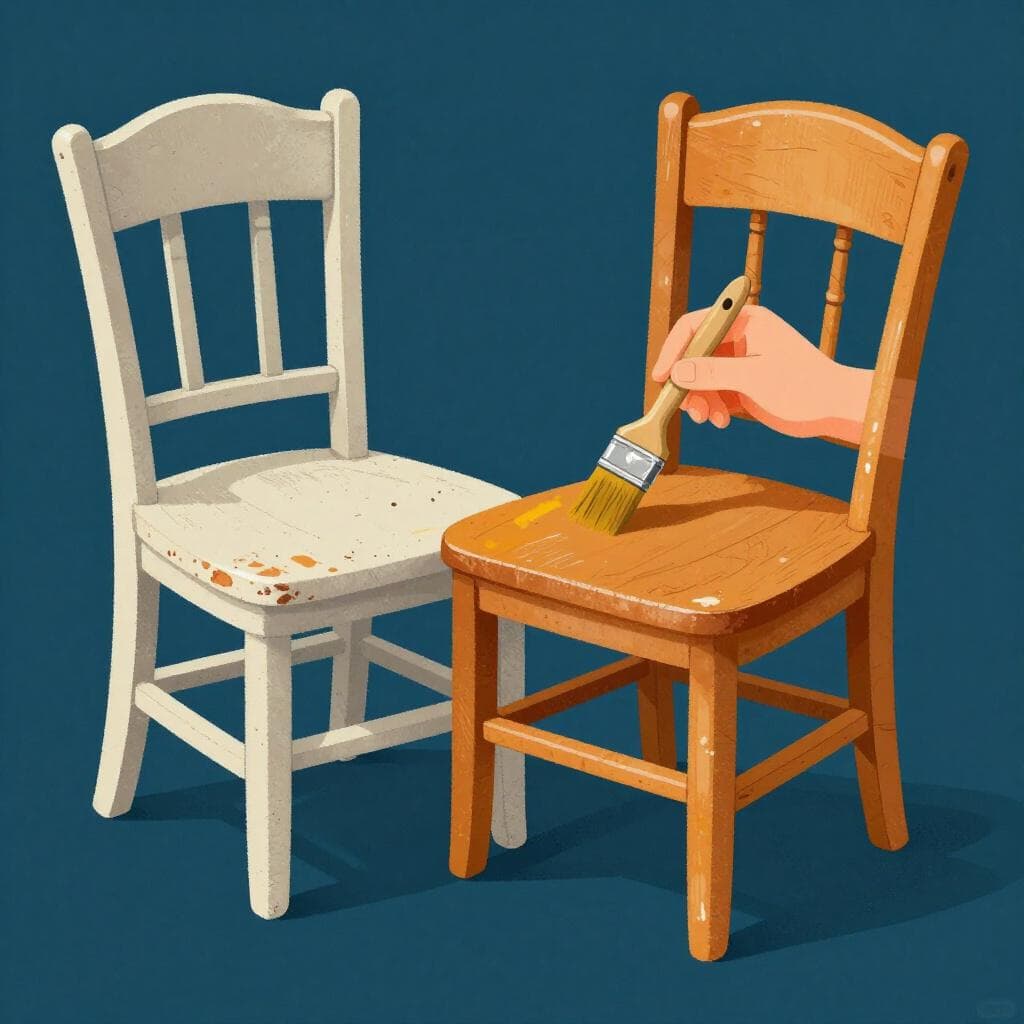
Use 'restaurar' when the focus is on bringing something old, like furniture or a building, back to its original condition or preserving its historical integrity.
Learn more →rreh-for-MARrefoɾˈmaɾ
Examples
Queremos reformar la cocina el próximo verano.
We want to renovate the kitchen next summer.
Han reformado el viejo teatro y ahora es un centro cultural.
They have remodeled the old theater and now it is a cultural center.
Es más barato reformar esta casa que comprar una nueva.
It is cheaper to renovate this house than to buy a new one.
Regular Pattern
This verb follows the standard rules for all verbs ending in -ar. No surprise spelling changes here!
Reformar vs. Renovar
Mistake: “Using 'renovar' when you mean you are knocking down walls.”
Correction: Use 'reformar' for structural or physical changes to a building; use 'renovar' for things like renewing a passport or giving something a fresh look without construction.
reh-noh-BARrenoˈbaɾ
Examples
Vamos a renovar la cocina este verano.
We are going to renovate the kitchen this summer.
La oficina necesita renovar sus equipos informáticos.
The office needs to replace its computer equipment.
Han renovado todo el mobiliario del hotel.
They have replaced all the furniture in the hotel.
Renovar vs Reformar
In Spain, 'reformar' is often used for structural changes in a house, while 'renovar' focuses on making things look new or modern again.
Confusing with 'Remodel'
Mistake: “Voy a remodelar mi cuarto.”
Correction: While 'remodelar' exists, 'renovar' or 'reformar' are much more common in natural Spanish for home projects.
re-kon-stru-EERrekonstɾuˈiɾ
Examples
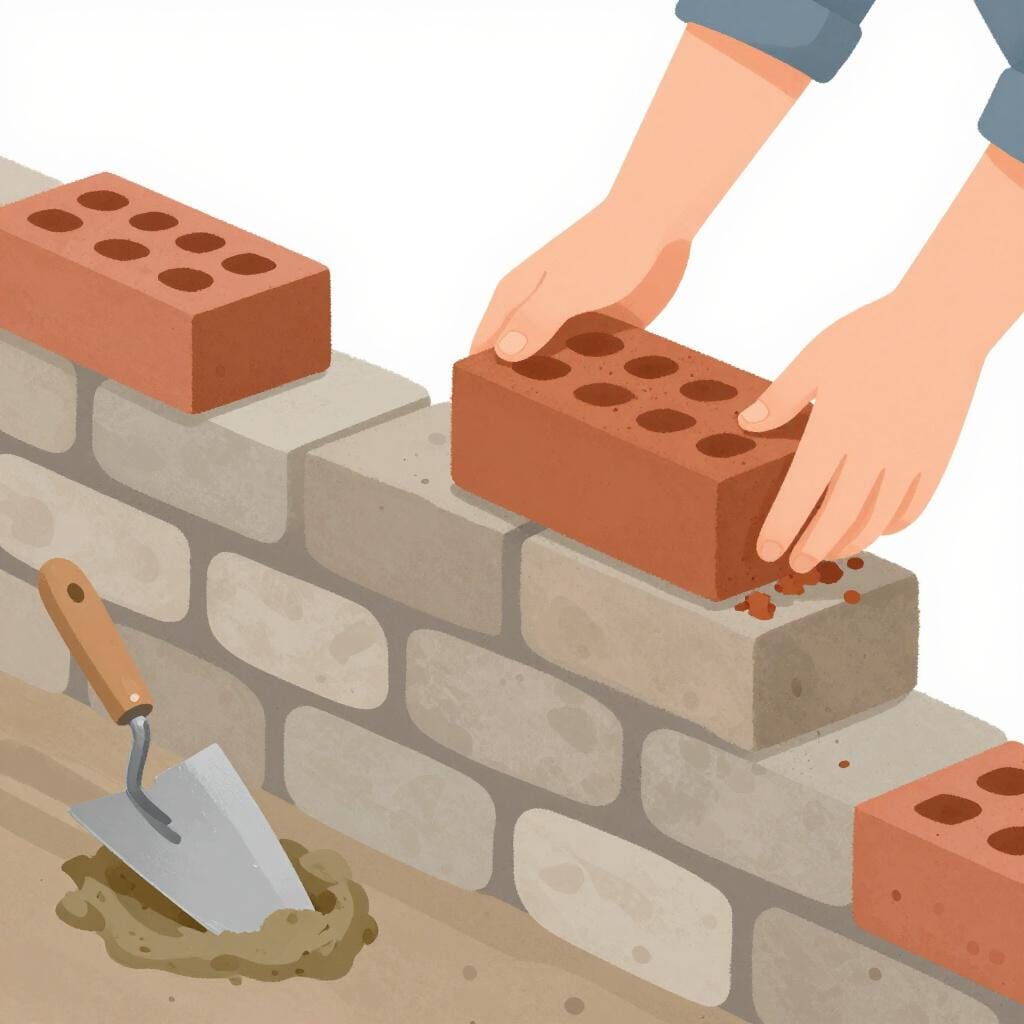
Tuvieron que reconstruir el puente después de la inundación.
They had to rebuild the bridge after the flood.
Estamos reconstruyendo nuestra casa de la infancia.
We are rebuilding our childhood home.
The Added 'Y'
For verbs like this that end in -uir, you add a 'y' before certain endings (like -o, -es, -e) to keep the sound smooth.
Missing the 'Y'
Mistake: “Yo reconstruo”
Correction: Yo reconstruyo (always add the 'y' in the present unless it's the 'we' form).
res-tou-RAHRres.tauˈɾaɾ
Examples
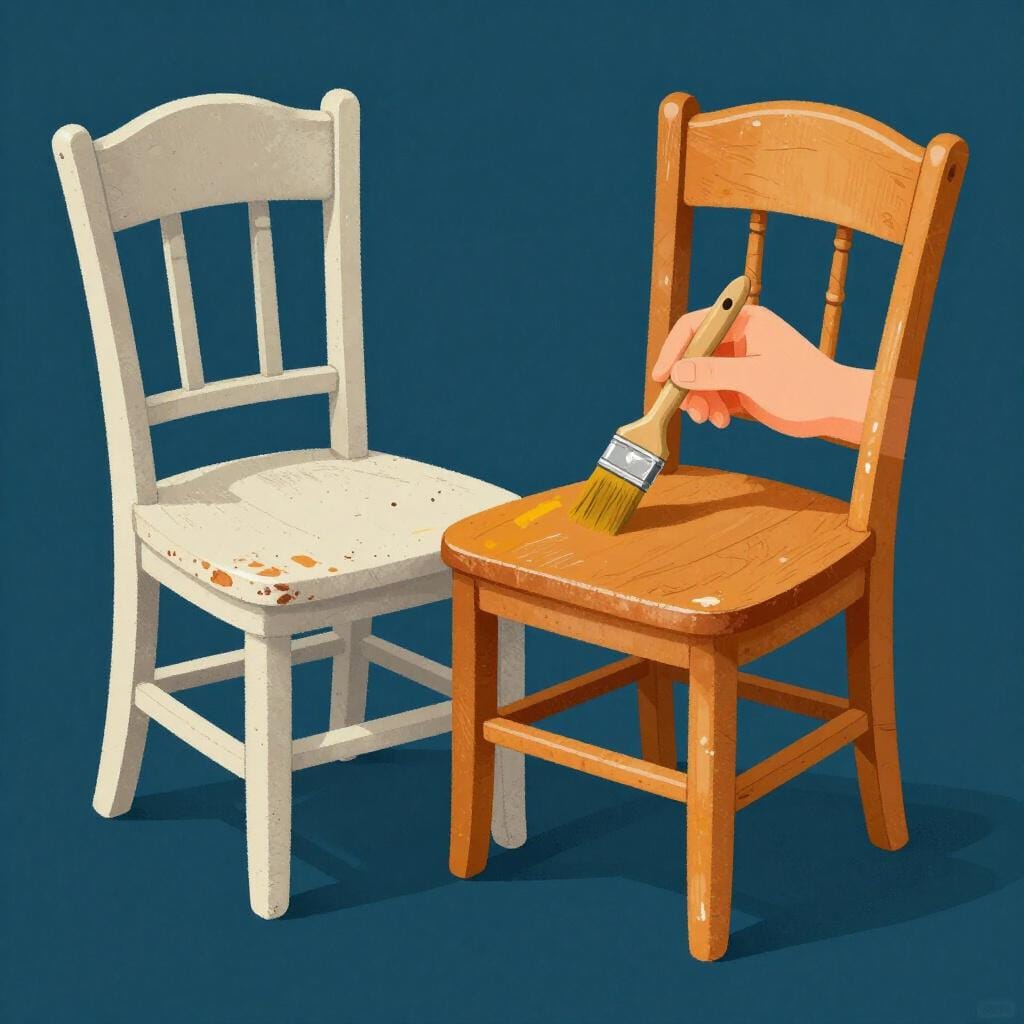
Mi abuelo quiere restaurar su mesa de madera vieja.
My grandfather wants to restore his old wooden table.
Están restaurando las pinturas antiguas de la iglesia.
They are restoring the old paintings in the church.
Es un experto en restaurar coches clásicos.
He is an expert at restoring classic cars.
A Regular Pattern
This verb follows the standard rules for all verbs ending in -ar. If you know how to conjugate 'hablar,' you can conjugate 'restaurar' perfectly!
Using the Past Participle
The form 'restaurado' is often used like an adjective to describe something that has already been fixed, as in 'un piano restaurado' (a restored piano).
Restoring vs. Fixing
Mistake: “Using 'restaurar' for a broken lightbulb.”
Correction: Use 'arreglar' for simple fixes. 'Restaurar' is for bringing something back to its original beauty or historical state.
Reformar vs. Renovar
Learners often confuse 'reformar' and 'renovar' because both can apply to updating rooms. 'Reformar' often implies more significant changes, possibly structural, while 'renovar' suggests making something new or more modern again.
Related Translations
Learn Spanish with Inklingo
Interactive stories, personalized learning, and more.