How to Say "to rebuild" in Spanish
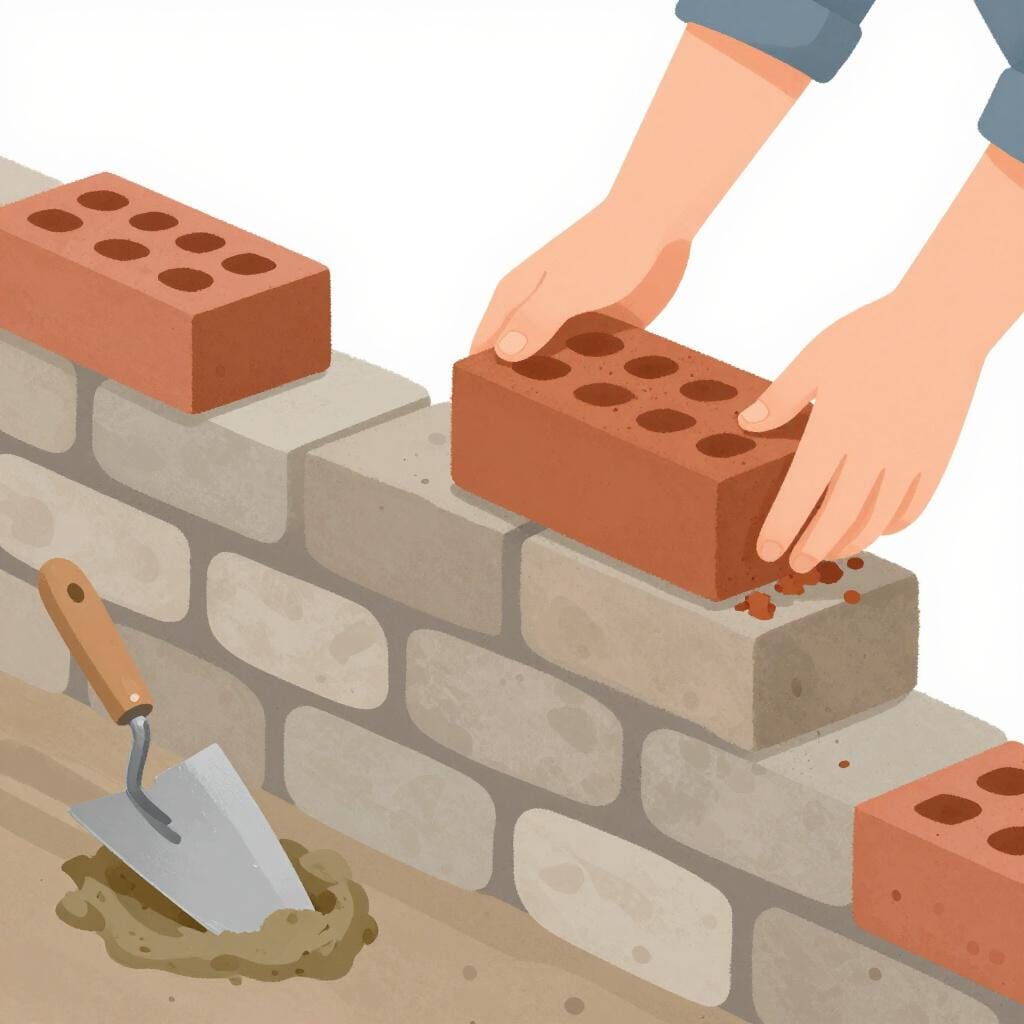
The most common Spanish word for “to rebuild” is “reconstruir” — use 'reconstruir' when referring to the physical act of repairing or building something again after damage, or to analyze and piece together past events.
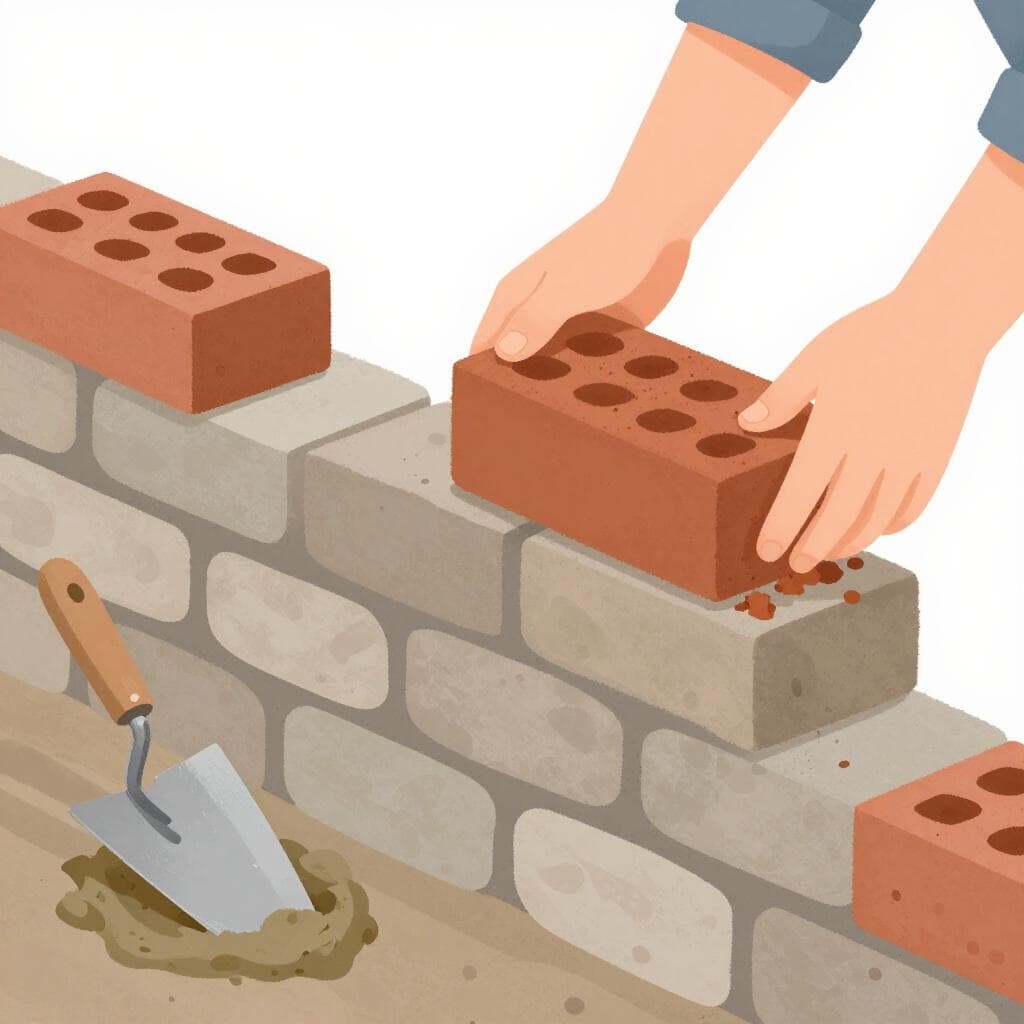
Use 'reconstruir' when referring to the physical act of repairing or building something again after damage, or to analyze and piece together past events.
Learn more →
Choose 'rehacer' when the meaning is to do something again, often to improve it or correct mistakes, rather than rebuilding something that was destroyed.
Learn more →re-kon-stru-EERrekonstɾuˈiɾ
Examples
Tuvieron que reconstruir el puente después de la inundación.
They had to rebuild the bridge after the flood.
Estamos reconstruyendo nuestra casa de la infancia.
We are rebuilding our childhood home.
La policía intentó reconstruir los hechos del crimen.
The police tried to reconstruct the events of the crime.
Después del divorcio, ella tuvo que reconstruir su vida.
After the divorce, she had to rebuild her life.
The Added 'Y'
For verbs like this that end in -uir, you add a 'y' before certain endings (like -o, -es, -e) to keep the sound smooth.
Abstract Usage
Just like in English, you can use this word for non-physical things like 'the truth' or 'a relationship'.
Missing the 'Y'
Mistake: “Yo reconstruo”
Correction: Yo reconstruyo (always add the 'y' in the present unless it's the 'we' form).
re-ah-SEHRreaˈθer

Examples
El profesor me pidió rehacer el ejercicio.
The teacher asked me to redo the exercise.
Tuvimos que rehacer los planos porque había un error.
We had to redo the blueprints because there was an error.
Después del incendio, tuvieron que rehacer la casa por completo.
After the fire, they had to completely rebuild the house.
Hidden Irregularity
This word works exactly like the verb 'hacer' (to do/make). Just add 're-' to the beginning of any conjugation of 'hacer'.
Past Participle
The past form used with 'haber' (I have redone) is 'rehecho'. Don't say 'rehacido'!
The 'Z' trap
Mistake: “Él rehació el trabajo.”
Correction: Él rehizo el trabajo. (Because the past form of 'hacer' is 'hizo', not 'hació'.)
Reconstruir vs. Rehacer
Learners often confuse 'reconstruir' and 'rehacer'. Remember that 'reconstruir' implies bringing back something that was damaged or destroyed, like a building. 'Rehacer' is more about repeating an action or task, like redoing homework.
Related Translations
Learn Spanish with Inklingo
Interactive stories, personalized learning, and more.