How to Say "to recover" in Spanish
The most common Spanish word for “to recover” is “recuperar” — use this for regaining something lost or stolen, like an object, money, or health, or for getting better after an illness or shock.

Use this for regaining something lost or stolen, like an object, money, or health, or for getting better after an illness or shock.
Learn more →
This is the go-to word when someone is feeling better after being sick.
Learn more →
Use this when referring to recovering from a significant illness or a major setback, especially in an economic or personal sense.
Learn more →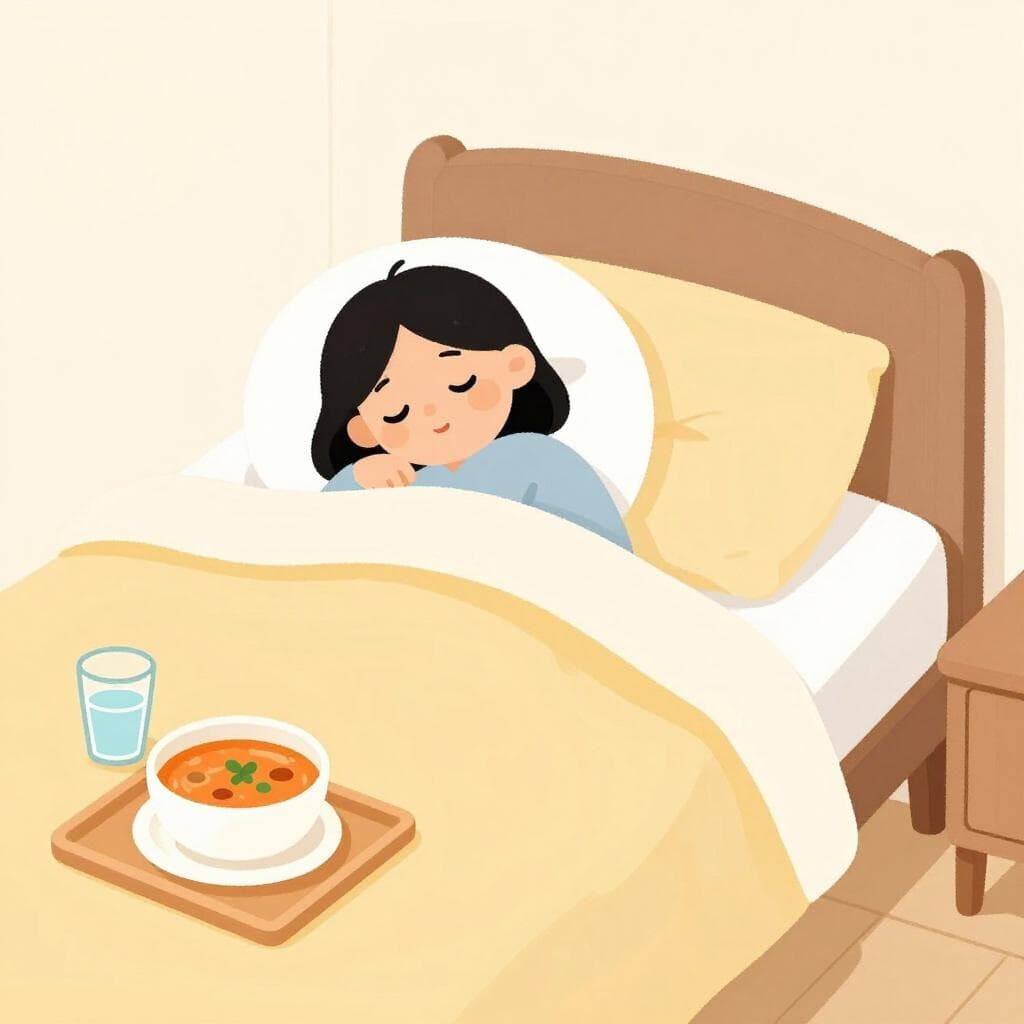
Choose this when someone is getting better from an illness, shock, or a difficult event, implying a return to normal.
Learn more →
This applies when a patient or someone in a critical state starts to show signs of improvement or consciousness after an event like fainting or surgery.
Learn more →Use this specific verb when you are talking about redeeming items that were pawned, like jewelry or belongings.
Learn more →
This means to start over or rebuild one's life, strength, or composure after a significant disruption.
Learn more →
This verb is used for regaining health, especially after serious illness or surgery, implying a return to a stable condition.
Learn more →
Use this specifically for getting back a lost physical object that you had to search for.
Learn more →reh-koo-peh-RAHRre.ku.peˈɾaɾ

Examples
Perdí mi cartera, pero logré recuperarla gracias a la policía.
I lost my wallet, but I managed to recover it thanks to the police.
¿Cuándo vamos a recuperar el dinero que prestamos?
When are we going to get back the money we lent?
Necesito recuperar mis archivos después de que la computadora falló.
I need to retrieve my files after the computer failed.
Mi abuela se está recuperando de la cirugía muy bien.
My grandmother is recovering from the surgery very well.
Direct Object
When using 'recuperar', the thing you get back (the direct object) almost always comes immediately after the verb.
The 'Se' Requirement
When talking about a person getting better or regaining their health, you must use the reflexive form 'recuperarse' (me recupero, te recuperas, se recupera, etc.).
Using 'De'
If you mention what you are recovering from (an illness, a shock), you must use the preposition 'de' (from): 'recuperarse de la gripe' (to recover from the flu).
Confusing 'recuperar' and 'volver'
Mistake: “Quiero volver mi libro. (I want to return/come back my book.)”
Correction: Quiero recuperar mi libro. ('Volver' means 'to return' in the sense of 'to go back' or 'to give something back' to its owner, but 'recuperar' means to get something lost back for yourself.)
Forgetting the 'Se'
Mistake: “Espero que tú recuperes pronto. (I hope you recover soon.)”
Correction: Espero que te recuperes pronto. (When referring to health, the 'se' form is required.)
meh-ho-RARme.xo.ˈɾaɾ

Examples
Espero que te mejores pronto.
I hope you get well soon.
Mi abuelo se está mejorando en el hospital.
My grandfather is recovering in the hospital.
Después de descansar, me mejoré mucho.
After resting, I felt much better.
Using 'Se'
When talking about personal health recovery, we usually add pronouns like 'me,' 'te,' or 'se' to indicate the person is improving their own condition.
Forgetting the pronoun
Mistake: “Espero que mejores pronto.”
Correction: Espero que te mejores pronto. While people will understand you, adding 'te' makes it sound more natural when wishing someone health.
leh-vahn-TAR-mehleβanˈtaɾme

Examples
Después de la crisis, fue difícil levantarme económicamente.
After the crisis, it was difficult to recover economically.
Si caigo, siempre encuentro la fuerza para levantarme.
If I fall, I always find the strength to bounce back.
Figurative Use
This meaning is often used with phrases describing difficulty, like 'una caída' (a fall) or 'una enfermedad' (an illness), implying a return to a stable state.
rreh-poh-nehrre.poˈneɾ
Examples
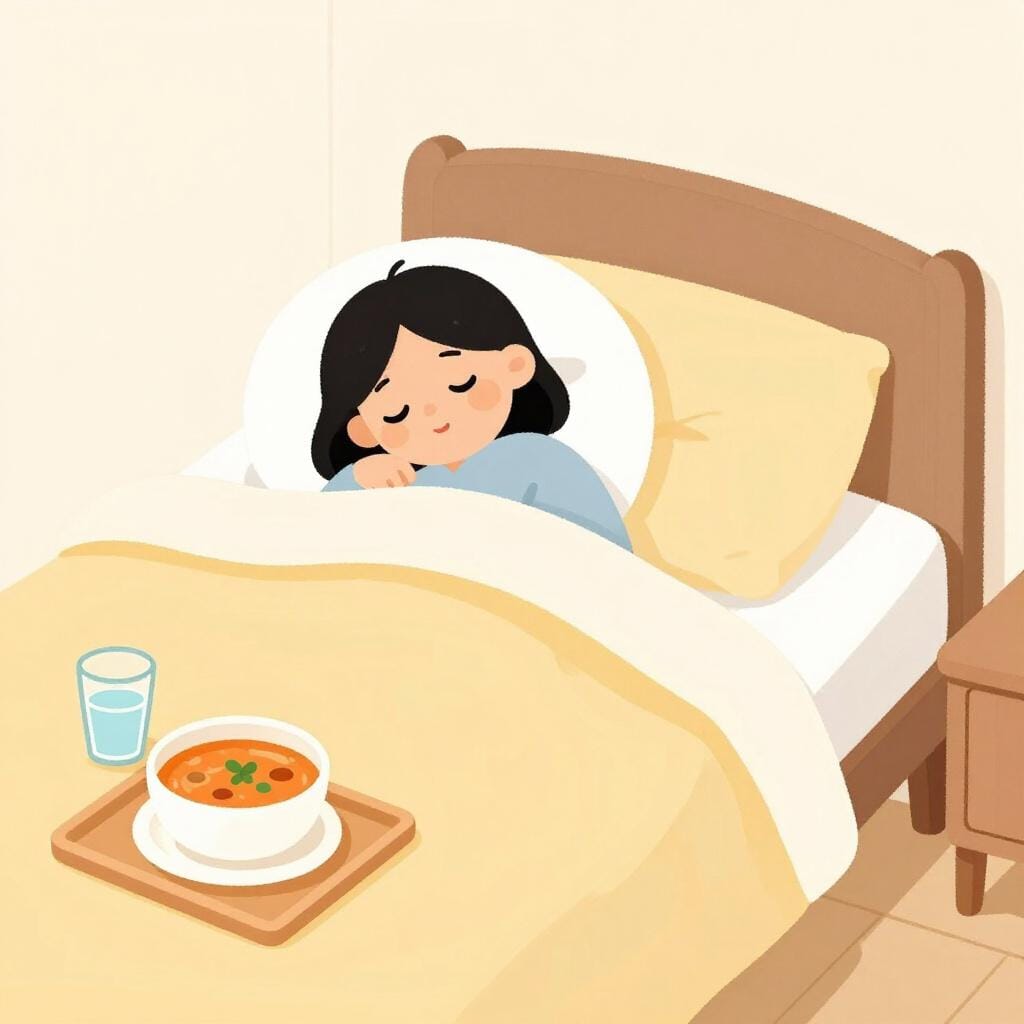
Se está reponiendo de una operación difícil.
He is recovering from a difficult operation.
Tardó unos minutos en reponerse del susto.
It took him a few minutes to recover from the scare.
Using 'se'
When talking about health or feelings, you must add 'se' (reponerse). This shows the action is happening to the person themselves.
re-ak-syo-NARreaksjoˈnar

Examples
El paciente finalmente reaccionó después del desmayo.
The patient finally came to after fainting.
Afortunadamente, el herido reaccionó camino al hospital.
Fortunately, the injured person regained consciousness on the way to the hospital.
Action vs State
This word describes the moment someone starts to move or wake up, not the state of being awake.
desempeñar
Examples
Por fin pude desempeñar las joyas de mi abuela.
I was finally able to redeem my grandmother's jewelry (from the pawn shop).
re-ah-SEHRreaˈθer

Examples
Se mudó a otra ciudad para rehacer su vida.
She moved to another city to start her life over.
Después de la derrota, el equipo tardó en rehacerse.
After the defeat, it took the team a while to recover.
The Reflexive Form
When talking about recovering emotionally or gaining back strength, we often add 'se' to the end (rehacerse).
res-tah-bleh-SEHRrestableˈseɾ
Examples
Mi abuelo se está restableciendo de su operación.
My grandfather is recovering from his surgery.
Espero que te restablezcas pronto.
I hope you get well soon.
Ella se restableció por completo después de unos días de descanso.
She recovered completely after a few days of rest.
Using 'Se'
When talking about a person getting better, you must use reflexive pronouns (me, te, se, etc.). It describes a change that happens to the person.
Forgetting the 'Se'
Mistake: “Él restableció ayer.”
Correction: Él se restableció ayer. Without the 'se', the sentence sounds like he restored something else, not his own health.
rre-ko-brarrekoˈβɾaɾ

Examples
Después de buscar por horas, logré recobrar mis llaves.
After searching for hours, I managed to recover my keys.
El paciente está empezando a recobrar las fuerzas.
The patient is starting to regain his strength.
Esperamos que la ciudad recobre su antigua belleza.
We hope the city regains its former beauty.
A perfectly regular verb
You don't have to worry about weird spelling changes here! It follows the exact same pattern as common verbs like 'hablar'.
Using it with feelings
In Spanish, we often 'recobrar' things like hope (esperanza) or calm (calma), just like we recover physical items.
Don't confuse with 'Recordar'
Mistake: “Recobré su nombre.”
Correction: Recordé su nombre. Use 'recordar' to remember a thought, and 'recobrar' to get a physical object or physical state back.
Recuperar vs. Mejorar
The most common confusion is between 'recuperar' and 'mejorar.' Remember, 'recuperar' is for regaining something lost (object, health, money) or bouncing back from shock, while 'mejorar' is specifically for feeling physically better after being sick.
Related Translations
Learn Spanish with Inklingo
Interactive stories, personalized learning, and more.