How to Say "to restore" in Spanish
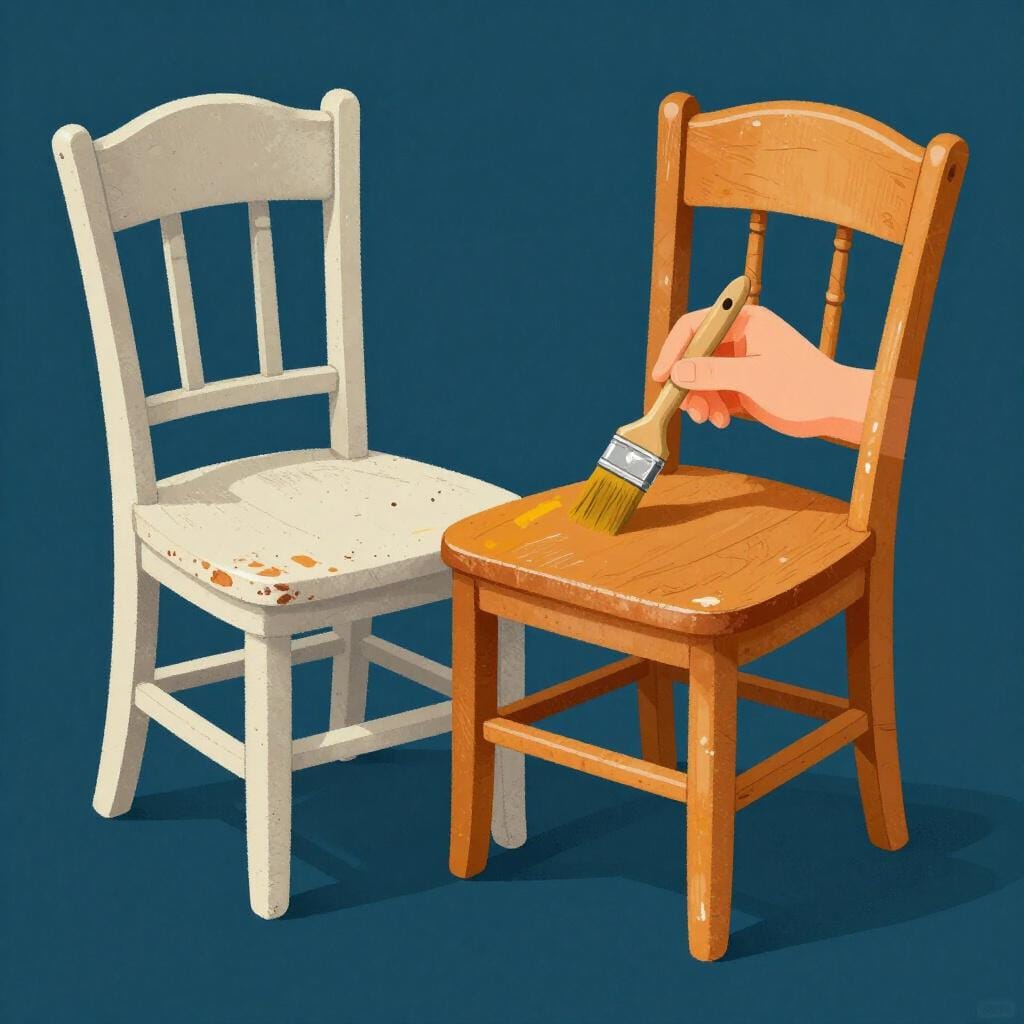
The most common Spanish word for “to restore” is “restaurar” — use this word when physically repairing an object to bring it back to its original condition, like furniture or artwork.
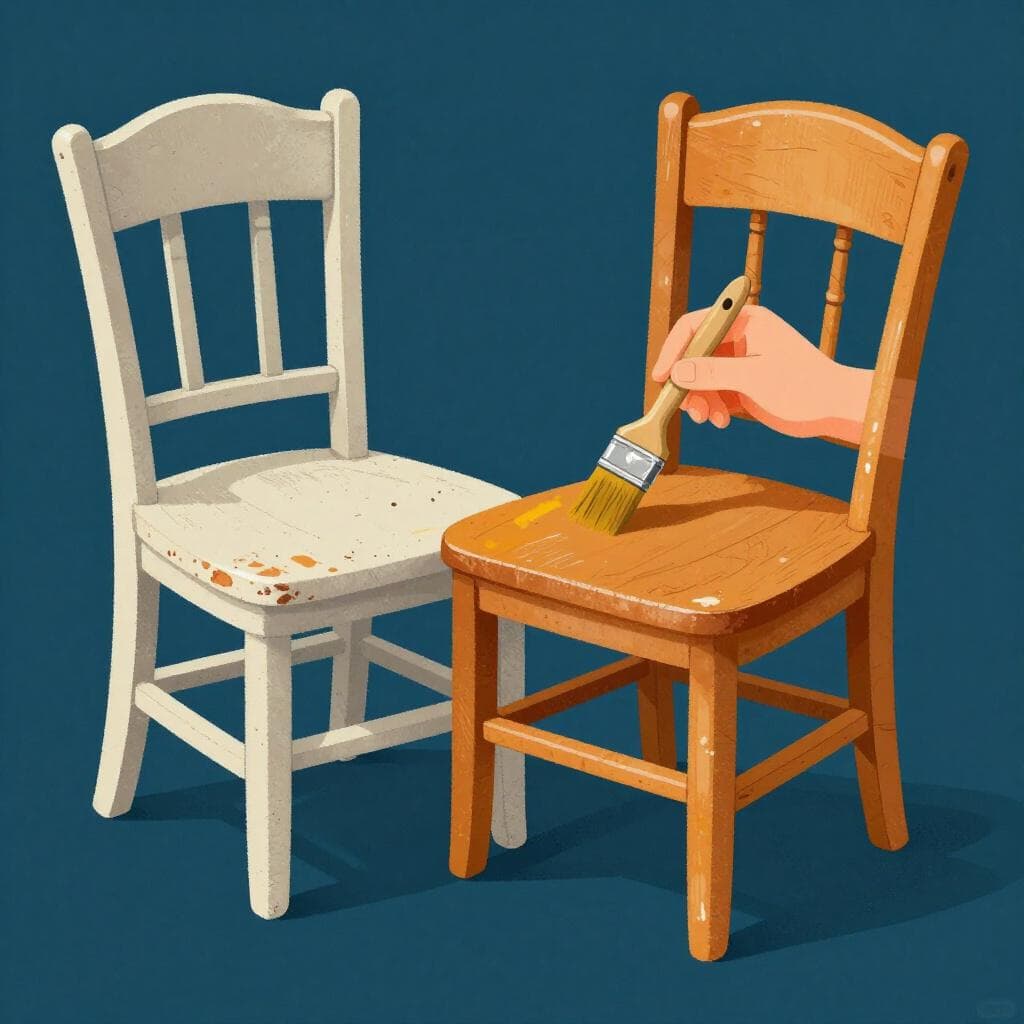
Use this word when physically repairing an object to bring it back to its original condition, like furniture or artwork.
Learn more →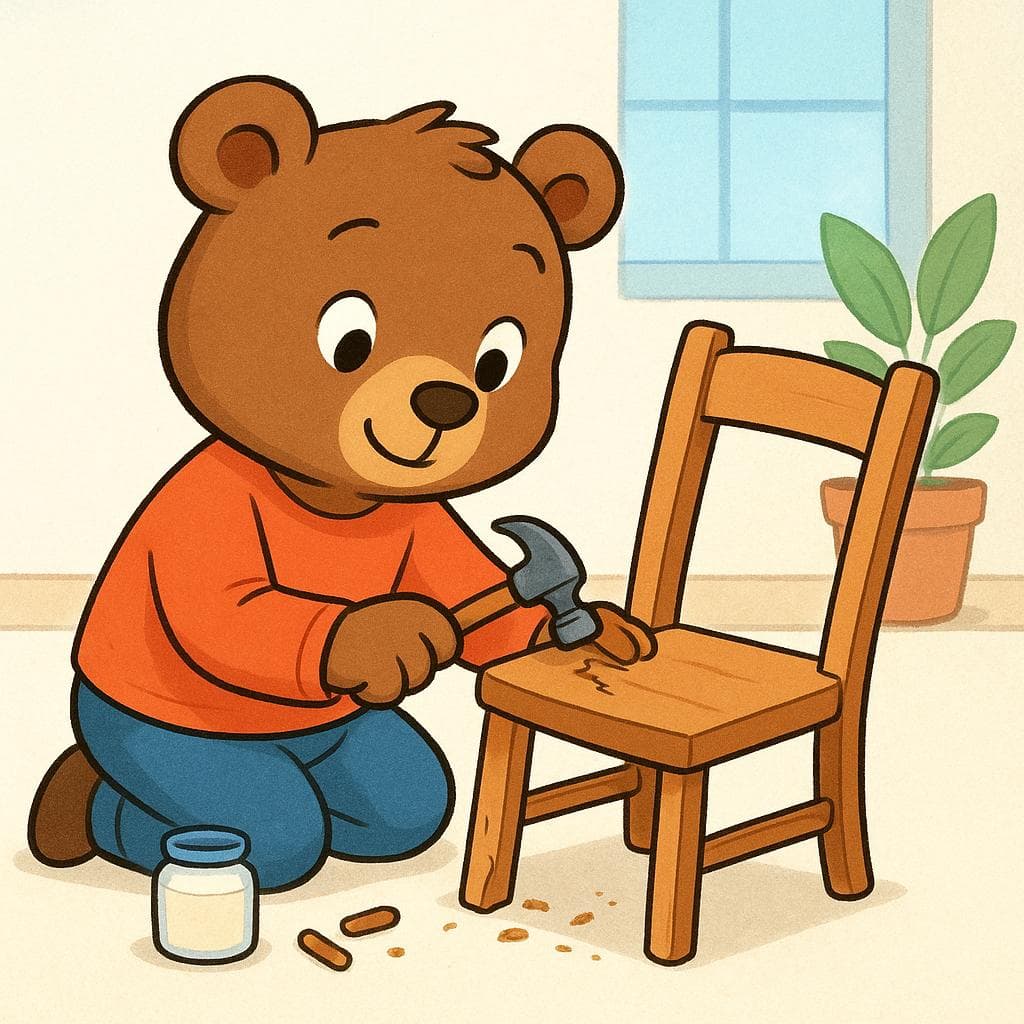
This is a common word for fixing or mending things that are broken or damaged, especially buildings or everyday objects.
Learn more →
Use this when bringing something valuable back to its former state or condition, often applied to cultural heritage like monuments or traditions.
Learn more →
Choose this word when returning something to a previous state of order, balance, or functionality, often abstract concepts like order or peace.
Learn more →
Use this metaphorical term to describe bringing something back to popularity or a former good state, like reviving a fashion trend or a dying business.
Learn more →res-tou-RAHRres.tauˈɾaɾ
Examples
Mi abuelo quiere restaurar su mesa de madera vieja.
My grandfather wants to restore his old wooden table.
Están restaurando las pinturas antiguas de la iglesia.
They are restoring the old paintings in the church.
Es un experto en restaurar coches clásicos.
He is an expert at restoring classic cars.
El ejército intervino para restaurar el orden.
The army intervened to restore order.
A Regular Pattern
This verb follows the standard rules for all verbs ending in -ar. If you know how to conjugate 'hablar,' you can conjugate 'restaurar' perfectly!
Using the Past Participle
The form 'restaurado' is often used like an adjective to describe something that has already been fixed, as in 'un piano restaurado' (a restored piano).
Abstract Objects
Unlike the physical sense, this use of the verb is followed by abstract nouns like 'peace' (la paz) or 'order' (el orden).
Restoring vs. Fixing
Mistake: “Using 'restaurar' for a broken lightbulb.”
Correction: Use 'arreglar' for simple fixes. 'Restaurar' is for bringing something back to its original beauty or historical state.
Restaurar vs. Reinstaurar
Mistake: “Thinking they are completely different words.”
Correction: They are very similar! 'Restaurar' is more common, while 'reinstaurar' is specifically for putting a law or system back in place.
reh-pah-RAHRre.paˈɾaɾ
Examples
Necesito reparar mi coche antes del viaje.
I need to repair my car before the trip.
El técnico vino a reparar la lavadora esta mañana.
The technician came to fix the washing machine this morning.
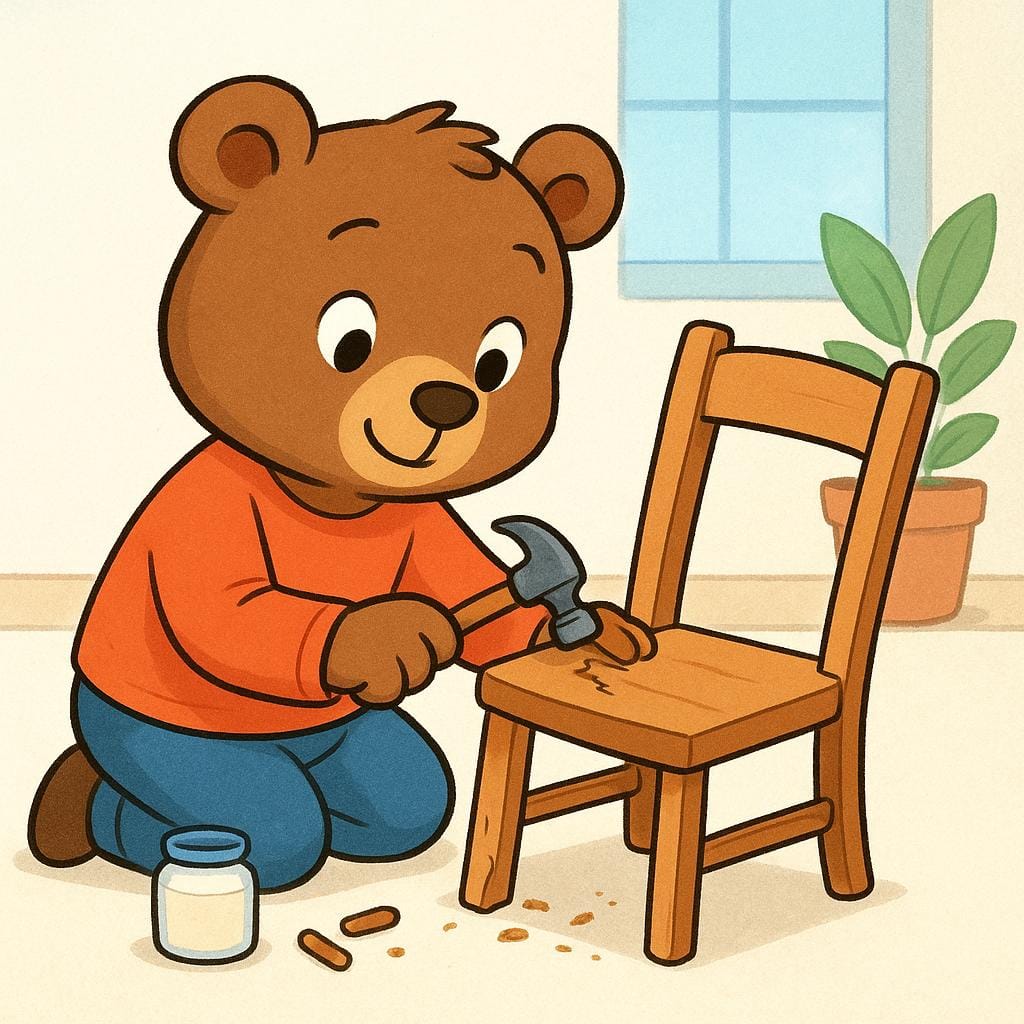
Repararon la silla rota con un poco de pegamento fuerte.
They mended the broken chair with some strong glue.
Direct Action Verb
Like many -ar verbs, 'reparar' describes a direct action on an object (the thing being fixed). You just need the subject (who is fixing) and the direct object (what is being fixed).
Confusing 'reparar' and 'arreglar'
Mistake: “Using 'arreglar' only for physical objects.”
Correction: While both mean 'to fix,' 'arreglar' is more general and informal, used for objects, situations, and even people ('arreglarse' means 'to get ready'). 'Reparar' usually focuses specifically on restoring something broken.
reh-koo-peh-RAHRre.ku.peˈɾaɾ

Examples
El museo está trabajando para recuperar la pintura original.
The museum is working to restore the original painting.
Tuvimos que trabajar extra para recuperar el tiempo perdido.
We had to work extra to make up for the lost time.
El equipo necesita recuperar su prestigio después de tantas derrotas.
The team needs to reclaim its prestige after so many defeats.
Abstract Use
In this sense, 'recuperar' often takes abstract ideas as its object: 'prestige,' 'time,' 'tradition,' or 'control.'
res-tah-bleh-SEHRrestableˈseɾ

Examples
El gobierno espera restablecer el orden pronto.
The government hopes to restore order soon.
Es necesario restablecer las comunicaciones en la zona del desastre.
It is necessary to re-establish communications in the disaster area.
Después de la pelea, intentaron restablecer su amistad.
After the fight, they tried to restore their friendship.
The 'ZC' Rule
For verbs ending in -ecer, the 'c' changes to 'zc' in the 'Yo' form of the present. This ensures the sound remains soft before the 'o'.
Formal Tone
This word is more formal than 'volver a poner'. Use it when talking about official systems, laws, or health.
Spelling Error
Mistake: “Yo restableco”
Correction: Yo restablezco. Remember to add the 'z' before the 'c' when the verb ending starts with 'o' or 'a'.
res-tou-RAHRres.tauˈɾaɾ
Examples
El ejército intervino para restaurar el orden.
The army intervened to restore order.
Mi abuelo quiere restaurar su mesa de madera vieja.
My grandfather wants to restore his old wooden table.
Están restaurando las pinturas antiguas de la iglesia.
They are restoring the old paintings in the church.
Es un experto en restaurar coches clásicos.
He is an expert at restoring classic cars.
A Regular Pattern
This verb follows the standard rules for all verbs ending in -ar. If you know how to conjugate 'hablar,' you can conjugate 'restaurar' perfectly!
Using the Past Participle
The form 'restaurado' is often used like an adjective to describe something that has already been fixed, as in 'un piano restaurado' (a restored piano).
Abstract Objects
Unlike the physical sense, this use of the verb is followed by abstract nouns like 'peace' (la paz) or 'order' (el orden).
Restoring vs. Fixing
Mistake: “Using 'restaurar' for a broken lightbulb.”
Correction: Use 'arreglar' for simple fixes. 'Restaurar' is for bringing something back to its original beauty or historical state.
Restaurar vs. Reinstaurar
Mistake: “Thinking they are completely different words.”
Correction: They are very similar! 'Restaurar' is more common, while 'reinstaurar' is specifically for putting a law or system back in place.
reh-soo-see-TAHRresusiˈtaɾ
Examples
El diseñador quiere resucitar la moda de los años ochenta.
The designer wants to revive the fashion of the eighties.
Sus palabras resucitaron mi esperanza.
Her words revived my hope.
Lograron resucitar el proyecto después de tres años de pausa.
They managed to revive the project after a three-year break.
Using 'Revive' for Ideas
When you use this for ideas or fashion, it acts just like the English word 'revive'.
Confusing with 'Recordar'
Mistake: “Resucité que tenía una cita.”
Correction: Recordé que tenía una cita. Resucitar means bringing something back into existence, not just remembering it.
Restaurar vs. Reparar
Learners often confuse 'restaurar' and 'reparar.' Remember that 'restaurar' implies returning something to its original, often antique, state, while 'reparar' is a more general term for fixing something broken.
Related Translations
Learn Spanish with Inklingo
Interactive stories, personalized learning, and more.