How to Say "to hold" in Spanish
The most common Spanish word for “to hold” is “tomar” — use 'tomar' when literally taking or holding someone's hand, often in a gesture of guidance or affection.

Use 'tomar' when literally taking or holding someone's hand, often in a gesture of guidance or affection.
Learn more →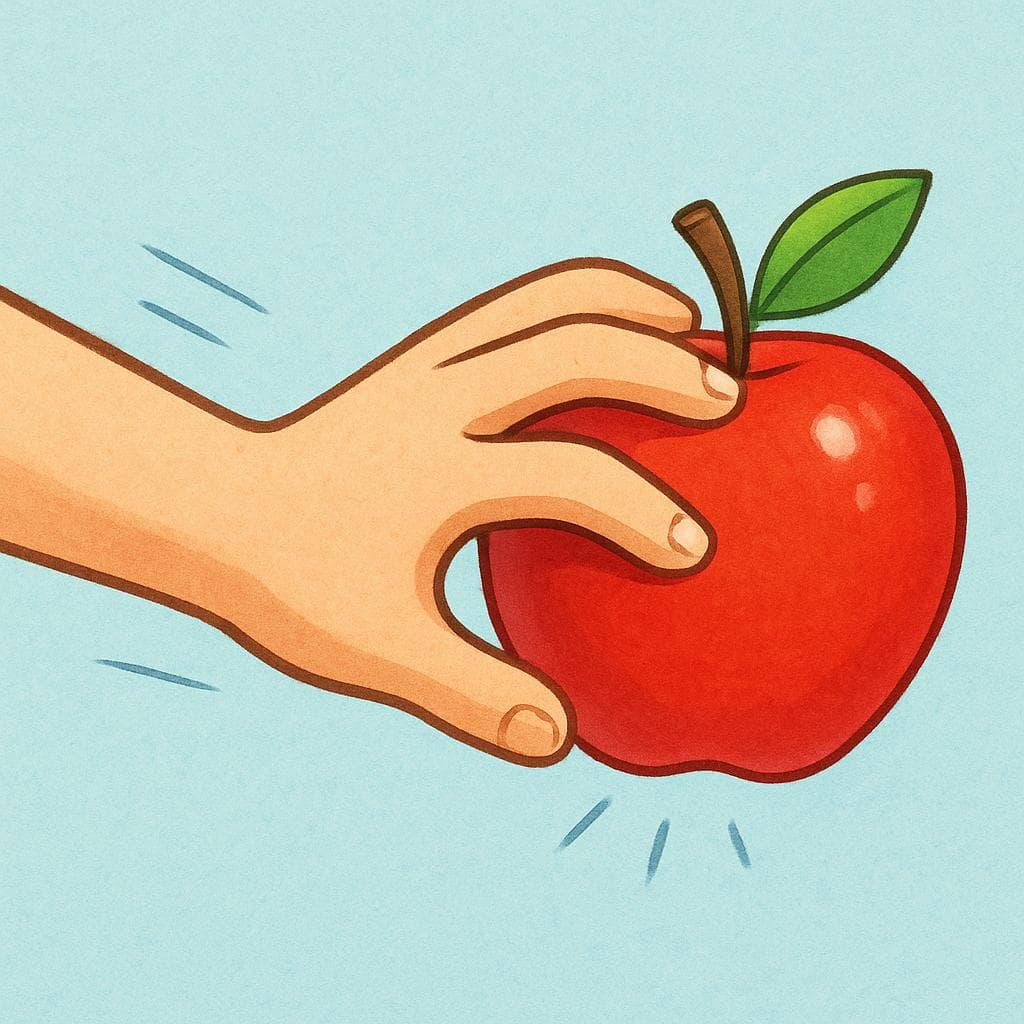
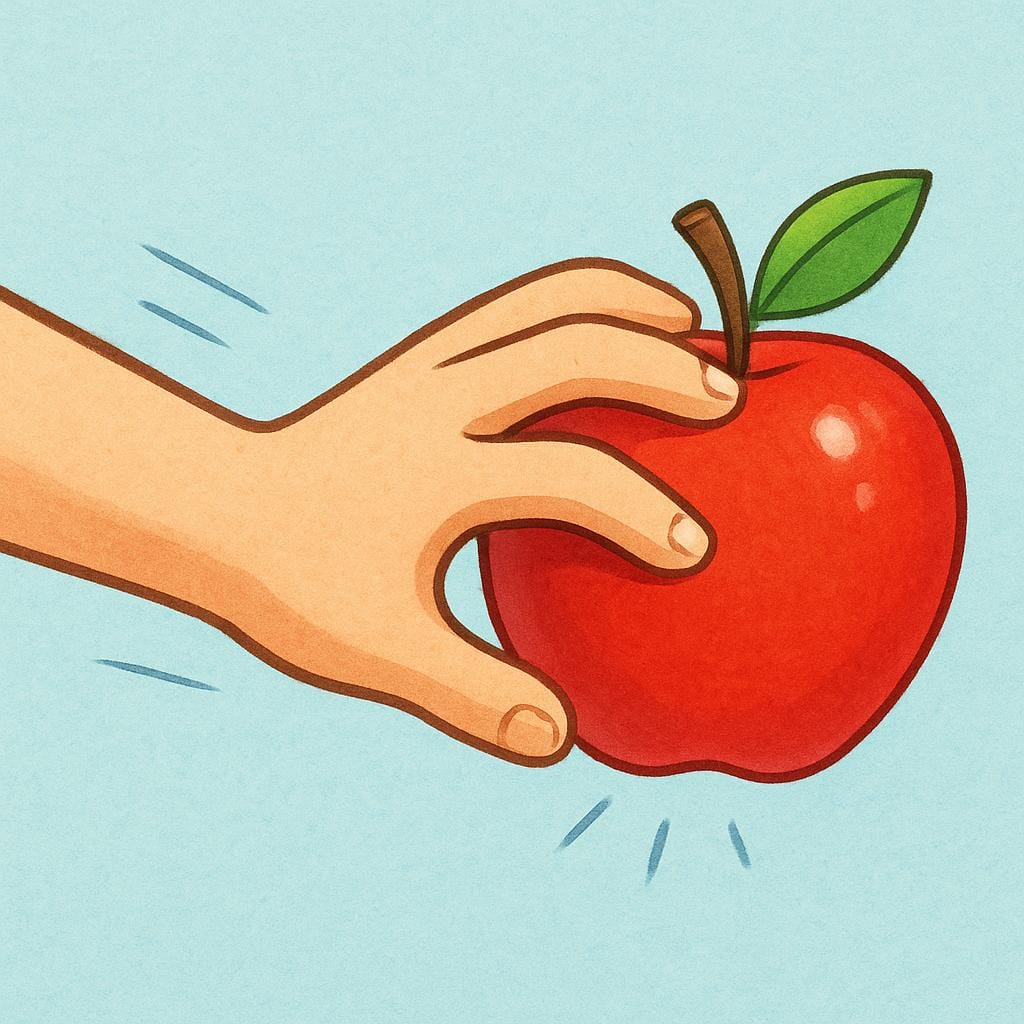
Use 'agarrar' for the physical act of gripping or seizing an object firmly with your hand.
Learn more →
Use 'sujetar' when physically gripping or holding something steady, often to prevent it from moving or falling.
Learn more →
Use 'ocupar' to indicate holding a physical seat or a formal position or office.
Learn more →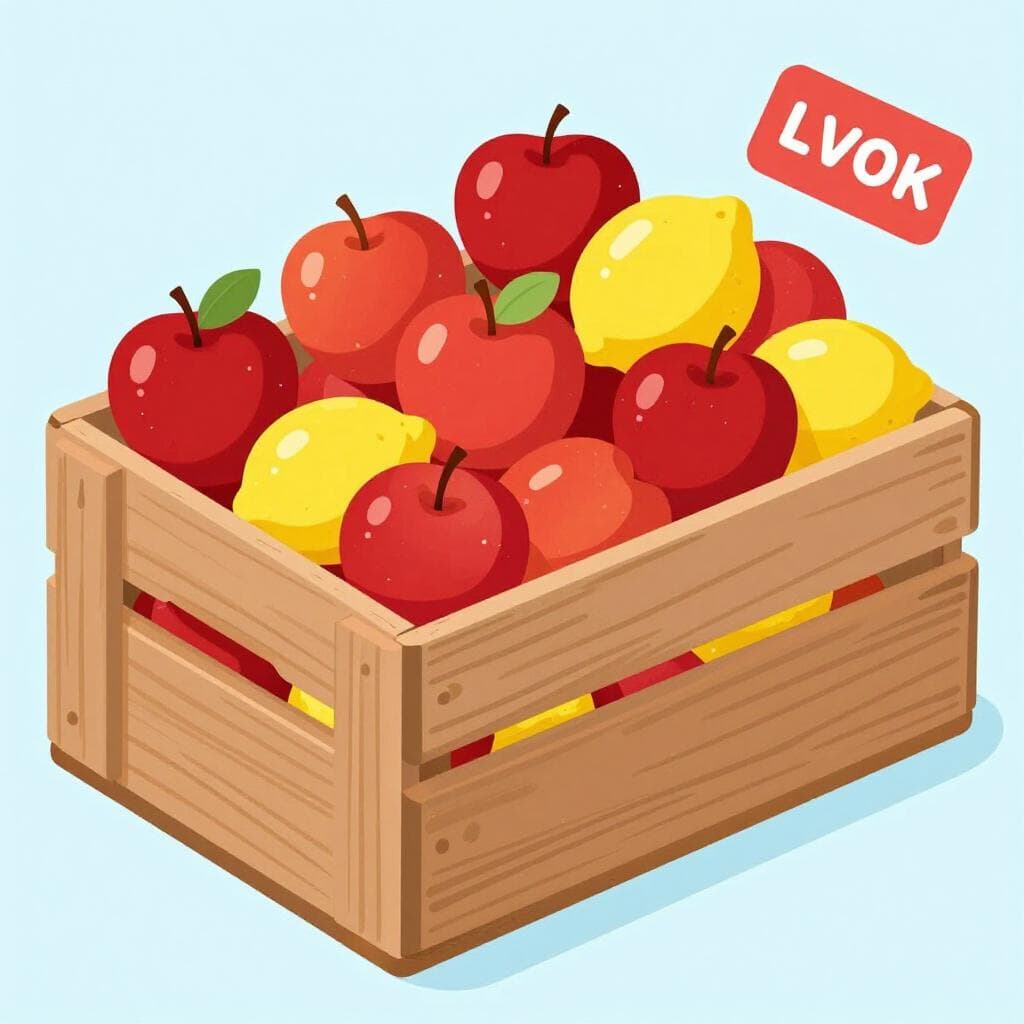
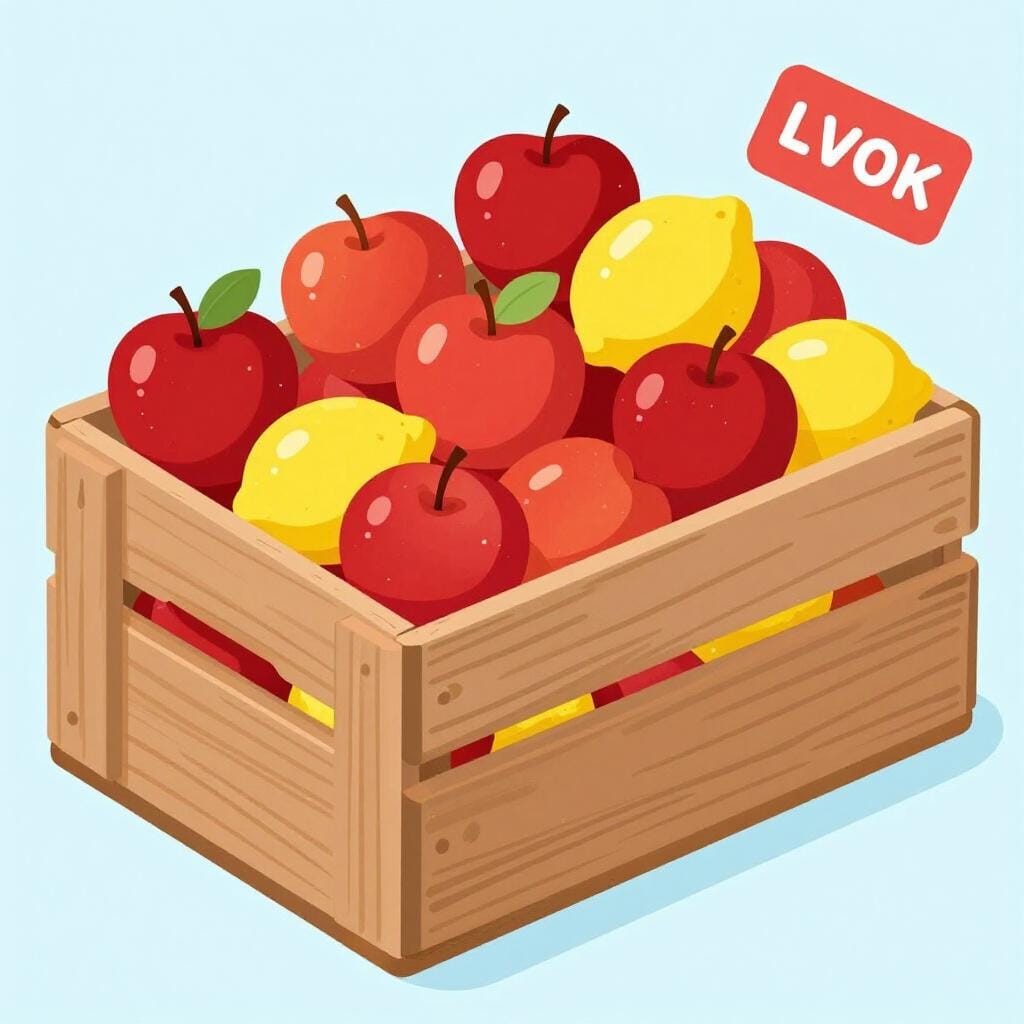
Use 'contener' when referring to something having the capacity to hold or contain other items within it.
Learn more →Use 'desempeñar' when referring to holding or fulfilling a specific job, role, or position.
Learn more →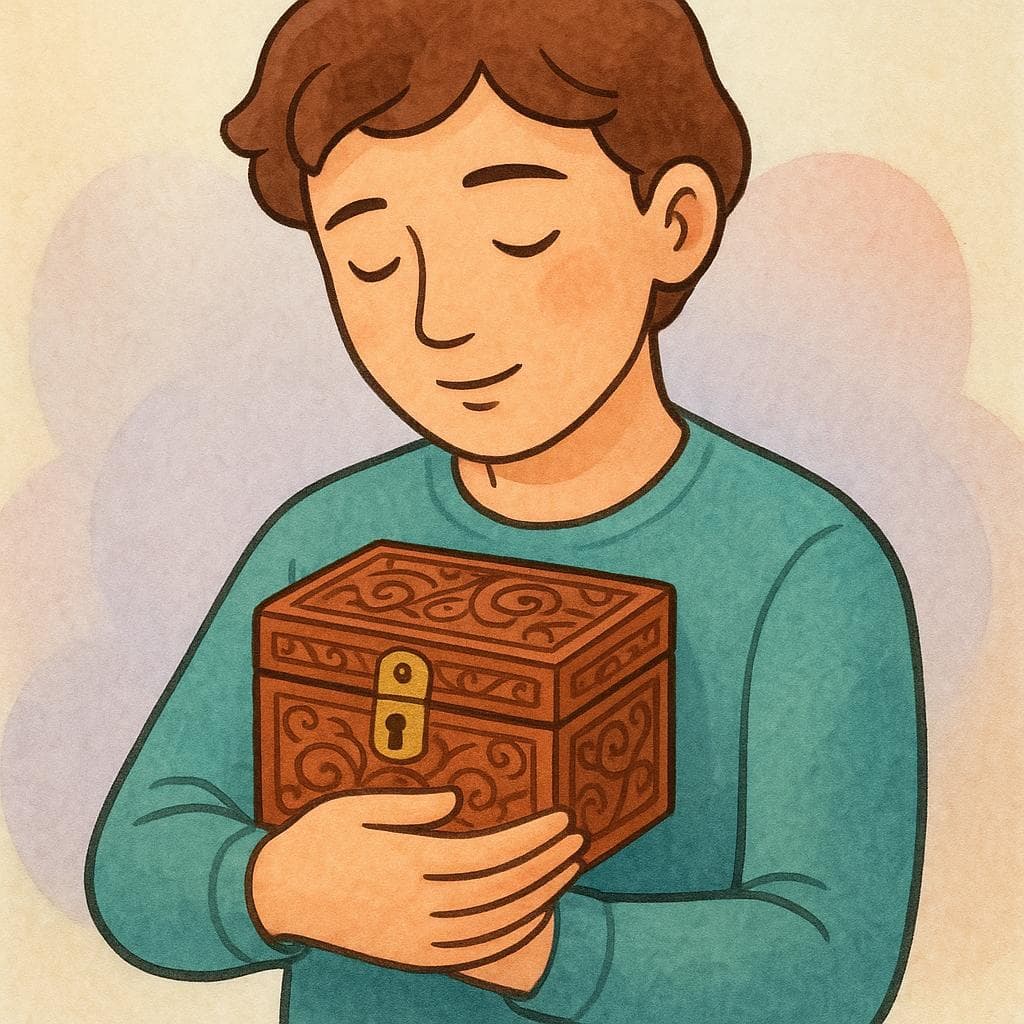
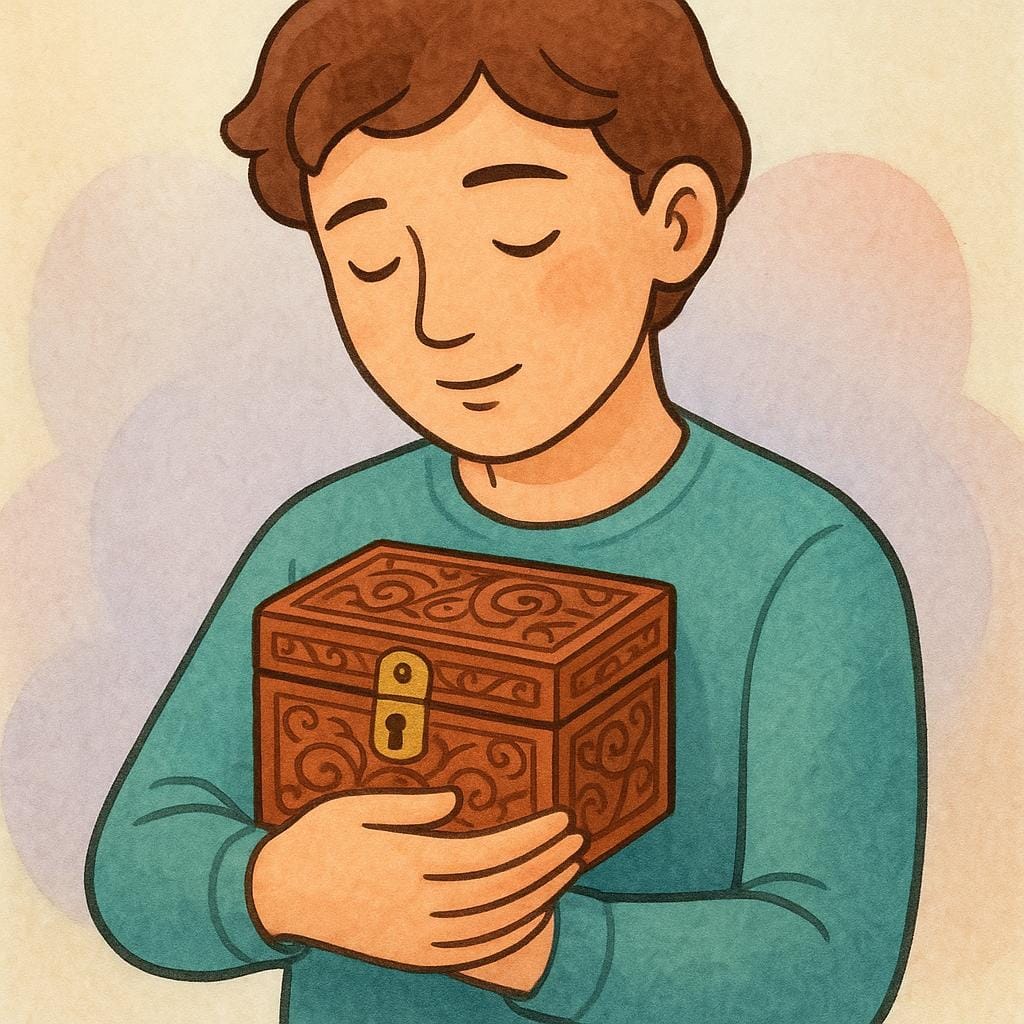
Use 'guardar' when holding onto something non-physical, like a secret, a feeling, or silence.
Learn more →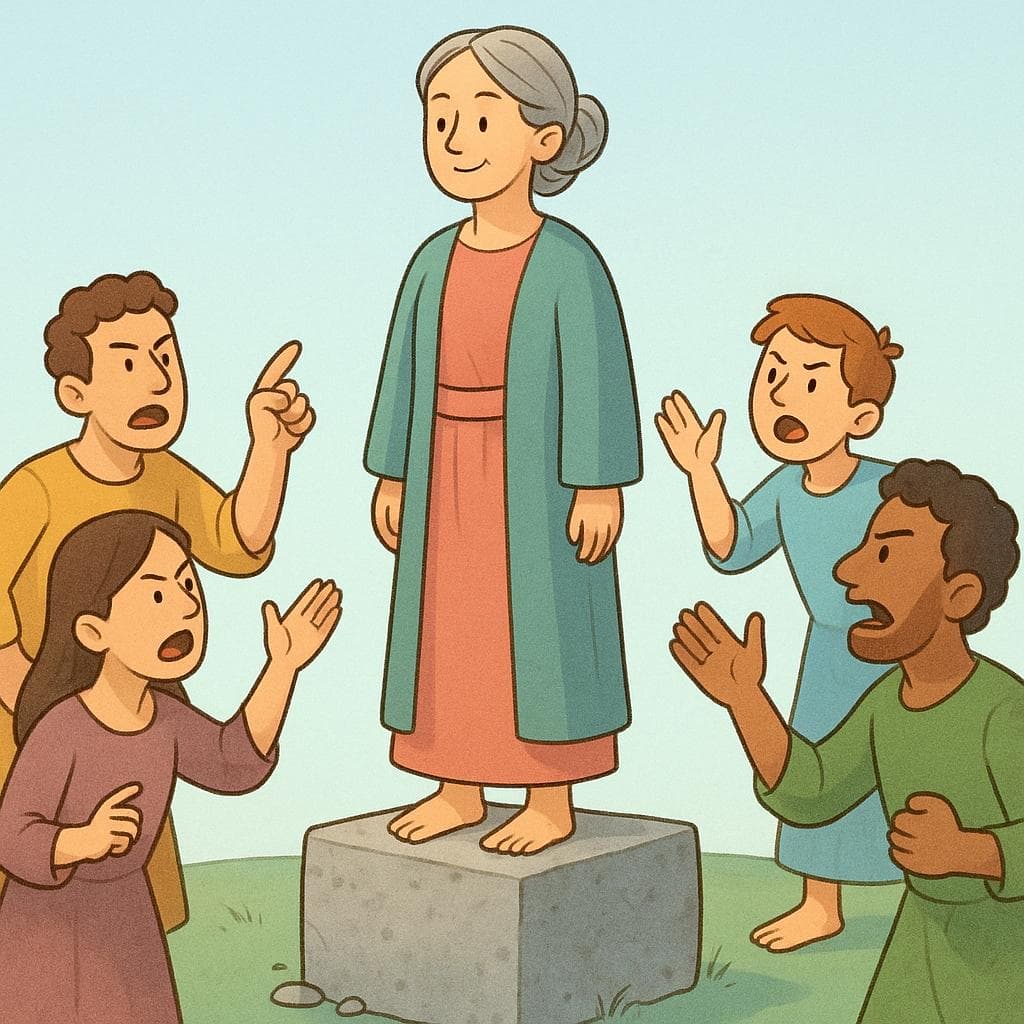
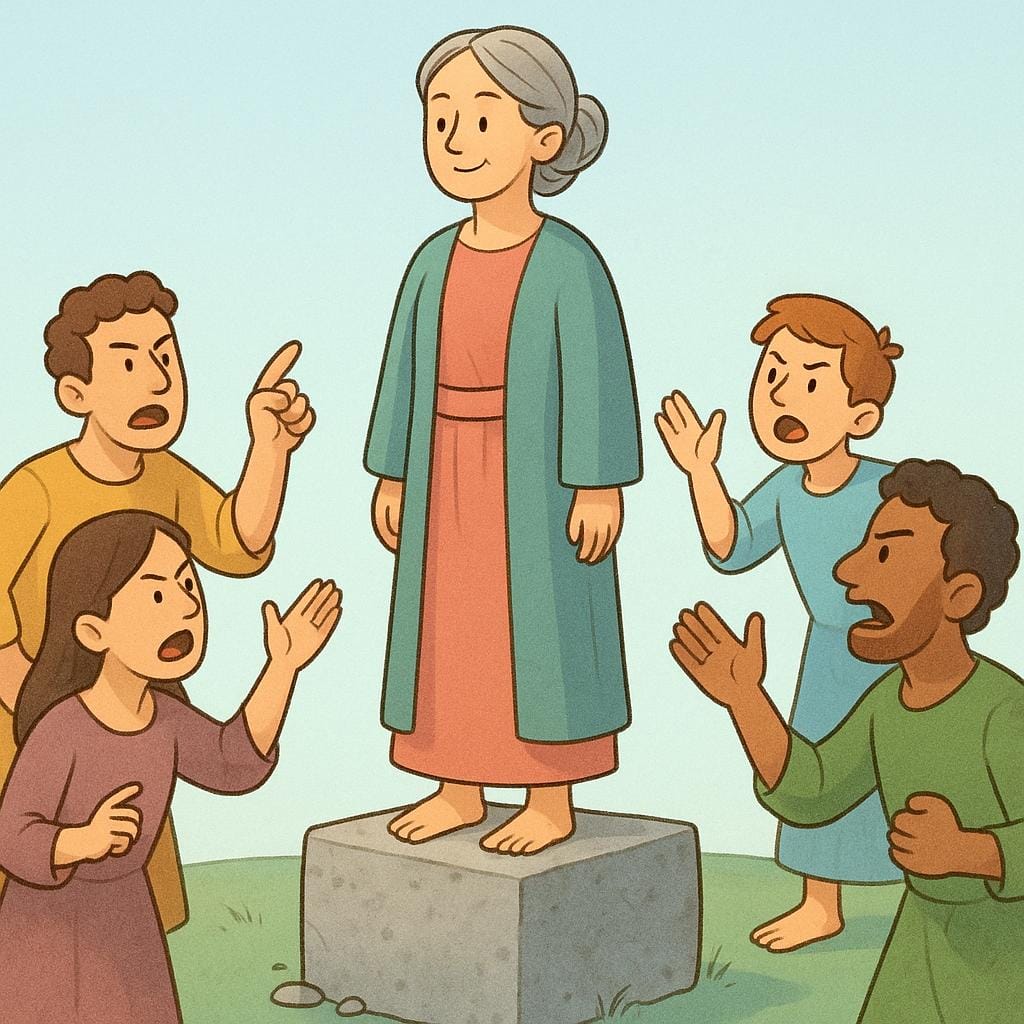
Use 'mantener' when someone holds or upholds a belief, opinion, or statement.
Learn more →
Use 'encerrar' when a place or object holds or contains something hidden, like a secret, mystery, or emotion.
Learn more →
Use 'ostentar' to describe holding a high rank, title, or position, often implying prestige or display.
Learn more →toh-MAHRtoˈmaɾ

Examples
Toma mi mano si tienes miedo.
Take my hand if you're scared.
Por favor, toma un folleto de la mesa.
Please, take a brochure from the table.
Tomó las llaves y salió de la casa.
He took the keys and left the house.
'Tomar' vs. 'Llevar'
Mistake: “Voy a tomarte al aeropuerto.”
Correction: Voy a llevarte al aeropuerto. Use 'llevar' when you mean 'to take' someone or something *to* a place. Use 'tomar' for grabbing or getting something.
ah-gah-RRAHRaɣaˈraɾ
Examples
Agarré el paraguas antes de salir porque estaba lloviendo.
I grabbed the umbrella before leaving because it was raining.
Por favor, agarra mi mano, el suelo está resbaladizo.
Please, hold my hand, the floor is slippery.
Direct Action Verb
This verb is transitive, meaning the action always directly affects an object (what you grab or hold). Think: 'I grab [the thing].'
soo-heh-tarsuxeˈtaɾ

Examples
Por favor, sujeta esto un momento.
Please, hold this for a moment.
Ella sujetaba el paraguas con fuerza por el viento.
She was holding the umbrella tightly because of the wind.
Es difícil sujetar al bebé mientras escribo.
It is difficult to hold the baby while I am writing.
Holding onto things
When you want to say 'hold onto something' (like a railing), add '-se' to the end of the word to make it 'sujetarse' and use the word 'de' before the object.
Sujetar vs. Sostener
Mistake: “Using 'sujetar' when you mean to support weight from underneath.”
Correction: Use 'sostener' for supporting weight (like a pillar holding a roof) and 'sujetar' for gripping or preventing movement.
oh-koo-PAHRo.kuˈpaɾ

Examples
¿Este asiento está ocupado?
Is this seat taken (occupied)?
Mi trabajo ocupa la mayor parte de mi día.
My job takes up the majority of my day.
La mesa tan grande ocupa demasiado espacio en la cocina.
The large table occupies too much space in the kitchen.
El presidente ocupa el cargo por cuatro años.
The president holds the post for four years.
Direct Use
This meaning uses the standard verb form and directly acts on a thing (space, time, or a seat) without needing extra prepositions.
Professional Context
When talking about jobs, 'ocupar' means you currently hold that role. It is transitive, meaning the job title is the direct receiver of the action.
kon-te-nerkonteˈneɾ
Examples
Esta caja contiene libros viejos.
This box contains old books.
El refresco contiene mucho azúcar.
The soda contains a lot of sugar.
El documento contiene información importante.
The document contains important information.
The 'Tener' Connection
This word is just the word 'tener' (to have) with 'con-' at the beginning. It follows all the same weird spelling changes as 'tener'.
Present Tense Spelling
Mistake: “yo contengo (correct), yo conteno (incorrect)”
Correction: Just like you say 'yo tengo', you must say 'yo contengo' with a 'g' sound.
desempeñar
Examples
Ella desempeña el cargo de directora con mucha eficiencia.
She holds the position of director very efficiently.
gwar-DARɡwaɾˈðaɾ
Examples
Te prometo que voy a guardar tu secreto.
I promise you that I am going to keep your secret.
Debes guardar silencio en la biblioteca.
You must observe (keep) silence in the library.
El equipo guardó un minuto de silencio en honor al fallecido.
The team held a minute of silence in honor of the deceased.
Keeping Abstract Things
When dealing with abstract nouns like 'secreto' (secret), 'silencio' (silence), or 'rencor' (grudge), 'guardar' means to actively retain or maintain that state.
man-teh-NEHRmanteˈneɾ
Examples
El científico mantiene que su teoría es correcta.
The scientist maintains that his theory is correct.
A pesar de la evidencia, el acusado mantuvo su inocencia.
Despite the evidence, the defendant maintained his innocence.
Stating a Belief
This use of 'mantener' is almost always followed by 'que' to introduce the belief or statement you are holding onto. For example, 'Mantengo que es la mejor opción' (I maintain that it's the best option).
en-seh-RRARenseˈraɾ

Examples
Ese cofre encierra un gran secreto.
That chest holds a great secret.
Sus palabras encierran una profunda tristeza.
Her words contain a deep sadness.
El proyecto encierra muchos riesgos para la empresa.
The project involves many risks for the company.
Abstract Subjects
When used this way, the 'subject' (the thing doing the containing) is often an object or a concept, like 'his silence' or 'the document'.
Using 'Incluir' instead
Mistake: “El libro incluye un secreto.”
Correction: El libro encierra un secreto. While 'incluir' is okay, 'encerrar' sounds more poetic and suggests the secret is hidden or deep inside.
oh-sten-TAHRostenˈtaɾ

Examples
Ella ostenta el cargo de vicepresidenta desde el año pasado.
She has held the position of vice president since last year.
El atleta todavía ostenta el récord mundial de salto de longitud.
The athlete still holds the world record for the long jump.
Nadie más en la familia ha ostentado un título nobiliario.
No one else in the family has held a noble title.
Formal contexts only
You will mostly see this in the news or formal documents. In daily speech, people just use 'tener' (to have).
Using it for physical objects
Mistake: “Ostento un libro en mi mano.”
Correction: Sujeto un libro en mi mano.
Physical Grip vs. Holding a Position
Learners often confuse verbs for physical holding ('agarrar', 'sujetar') with those for holding positions ('desempeñar', 'ocupar', 'ostentar'). Remember that 'agarrar' and 'sujetar' refer to using your hands, while the others are about roles or status.
Related Translations
Learn Spanish with Inklingo
Interactive stories, personalized learning, and more.