How to Say "to take" in Spanish
The most common Spanish word for “to take” is “tomar” — use 'tomar' for the general actions of grabbing, getting, or picking up something, as well as for transportation and abstract actions like making decisions or taking medicine.











tomar
toh-MAHRtoˈmaɾ
Examples
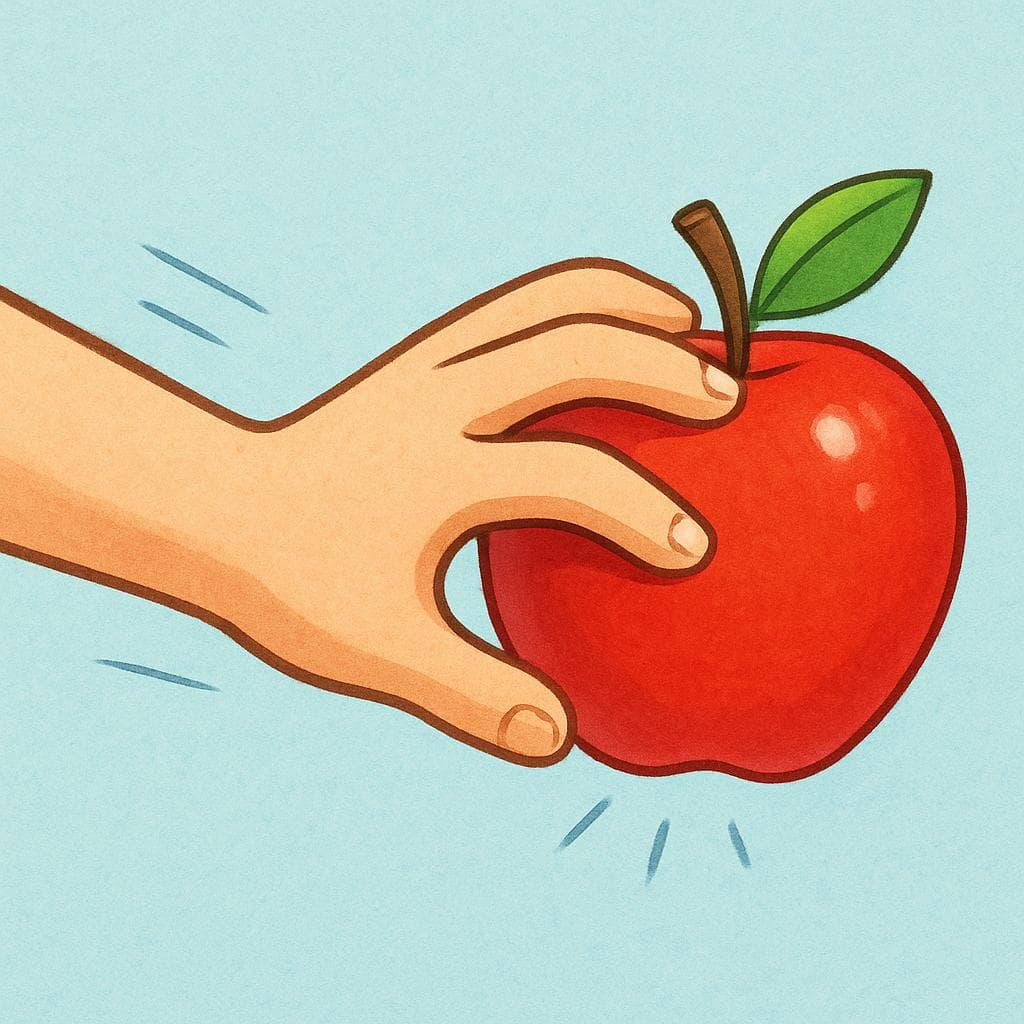
Toma mi mano si tienes miedo.
Take my hand if you're scared.
Por favor, toma un folleto de la mesa.
Please, take a brochure from the table.
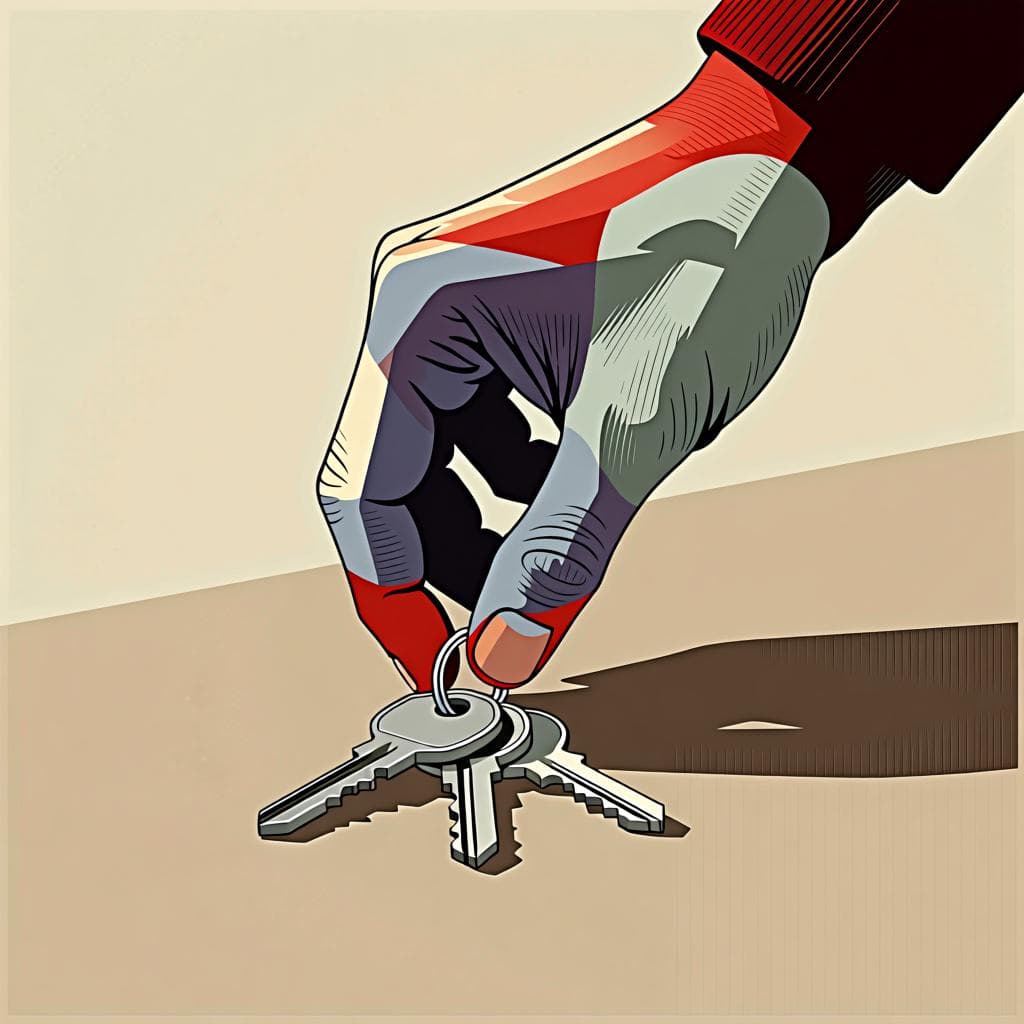
Tomó las llaves y salió de la casa.
He took the keys and left the house.
Tengo que tomar el autobús para ir al trabajo.
I have to take the bus to go to work.
'Tomar' vs. 'Llevar'
Mistake: “Voy a tomarte al aeropuerto.”
Correction: Voy a llevarte al aeropuerto. Use 'llevar' when you mean 'to take' someone or something *to* a place. Use 'tomar' for grabbing or getting something.
coger
ko-kherkoˈxeɾ

Examples
Por favor, coge ese libro de la mesa.
Please, grab that book from the table.
Necesitas coger la herramienta con firmeza.
You need to take hold of the tool firmly.
Si no te apuras, vas a perder el tren, ¡cógelo ya!
If you don't hurry up, you're going to miss the train, catch it now!
Creo que cogí un resfriado por el frío de anoche.
I think I caught a cold because of the cold last night.
The G to J Shift
In Spanish, the sound of the letter 'g' changes to 'j' whenever it comes before the vowels 'a' or 'o'. This is why 'yo' changes from 'coger' to 'cojo' (instead of 'cogo').
Transportation Verbs
In Spain, 'coger' is the standard way to talk about getting on or taking any form of public transport (bus, taxi, train). In Latin America, you must use 'tomar' or 'agarrar'.
llevar
yeh-VARʝeˈβaɾ

Examples
Siempre llevo un paraguas en mi mochila.
I always carry an umbrella in my backpack.
¿Puedes llevar estos platos a la cocina, por favor?
Can you take these plates to the kitchen, please?
El cartero lleva un paquete para ti.
The mailman is carrying a package for you.
Llevar vs. Traer: The Classic Mix-up
Llevar means to take something away from where you are, like taking a gift to a party. Traer means to bring something to where you are, like bringing a dish to your own home for dinner. Think: 'llevar leaves, traer comes here'.
Using 'Llevar' for 'To Bring'
Mistake: “Voy a llevar la pizza a tu casa. (Said while you are already at the friend's house)”
Correction: Voy a traer la pizza a tu casa. (If someone is bringing it to your current location). Use 'llevar' only when you are taking something somewhere else.
tomarse
toh-MAHR-sehtoˈmaɾse

Examples
Me tomo un café todas las mañanas.
I drink a coffee every morning.
¿Te tomaste la pastilla?
Did you take your pill?
Necesito tomarme un descanso.
I need to take a break.
Se tomaron su tiempo para decidir.
They took their time to decide.
The 'Personal' Touch
Using 'me' or 'te' with 'tomar' (making it 'tomarse') often implies you are consuming the whole thing or doing it for your own enjoyment.
Spending Time
When you use 'tomarse' with time, it means you are allowing yourself a certain amount of time for a specific purpose.
Missing the pronoun
Mistake: “Tomo un café.”
Correction: Say 'Me tomo un café' when talking about a specific drink you are having right now.
agarrar
ah-gah-RRAHRaɣaˈraɾ
Examples
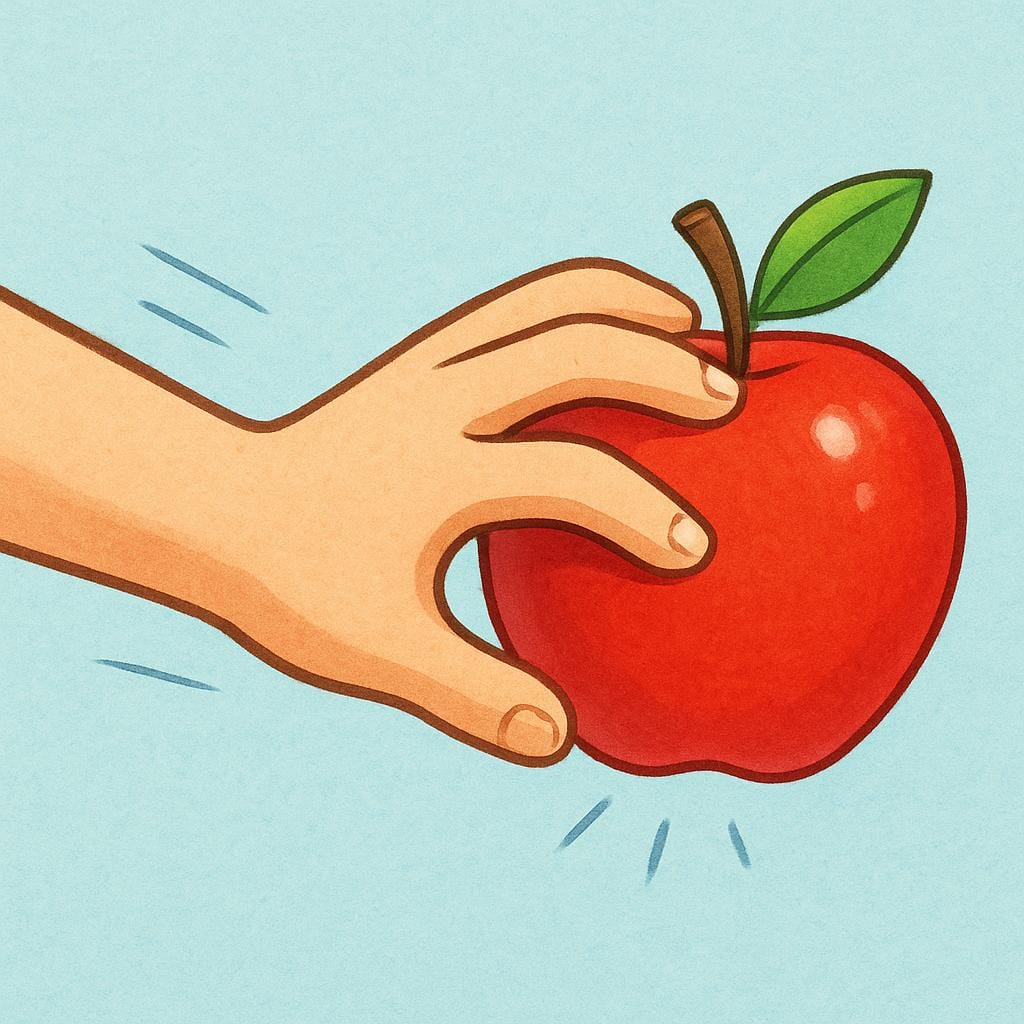
Agarré el paraguas antes de salir porque estaba lloviendo.
I grabbed the umbrella before leaving because it was raining.
Por favor, agarra mi mano, el suelo está resbaladizo.
Please, hold my hand, the floor is slippery.
Direct Action Verb
This verb is transitive, meaning the action always directly affects an object (what you grab or hold). Think: 'I grab [the thing].'
dar
dar'daɾ

Examples
Vamos a dar una fiesta el sábado.
We're going to throw a party on Saturday.
El profesor da clases de historia.
The professor gives/teaches history classes.
Me gusta dar un paseo por el parque por la tarde.
I like to take a walk in the park in the afternoon.
servir
ser-VEERseɾˈβiɾ

Examples
Por favor, sírvete un poco más de ensalada.
Please, help yourself to a little more salad.
Me serví una porción grande de pastel.
I helped myself to a large slice of cake.
No esperen, pueden servirse cuando quieran.
Don't wait, you can help yourselves whenever you want.
The Reflexive Form
When you use 'servir' with the reflexive pronoun (me, te, se, nos, os, se), it means the action is directed back at the person, resulting in the meaning 'to help oneself.'
Confusing Reflexive and Non-Reflexive
Mistake: “Me sirvo la comida. (If you mean 'I serve the food' to someone else.)”
Correction: Yo sirvo la comida. (If you are the waiter.) / Me sirvo la comida. (If you are taking food for yourself.)
sacar
sah-KARsaˈkaɾ

Examples
¿Puedes sacarnos una foto, por favor?
Can you take a photo of us, please?
Me encanta sacar fotos del atardecer.
I love to take pictures of the sunset.
cursar
koor-SAHRkuɾˈsaɾ

Examples
Ella está cursando el tercer año de medicina.
She is in her third year of medical school.
Decidí cursar esta asignatura el próximo semestre.
I decided to take this subject next semester.
Para ser abogado, debes cursar el grado de Derecho.
To be a lawyer, you must study a law degree.
Study vs. Enroll
While 'estudiar' means the physical act of learning, 'cursar' is used specifically for the official act of being enrolled in and attending a series of classes or a specific school year.
No Preposition Needed
Unlike some English phrases like 'study for,' you usually use 'cursar' directly with the subject or degree: 'cursar medicina,' not 'cursar en medicina.'
Using 'cursar' for exams
Mistake: “Voy a cursar para mi examen de mañana.”
Correction: Voy a estudiar para mi examen de mañana. Use 'estudiar' for the active preparation of a test; 'cursar' refers to the whole subject or year.
seguir
seh-GEERseˈɣiɾ
Examples
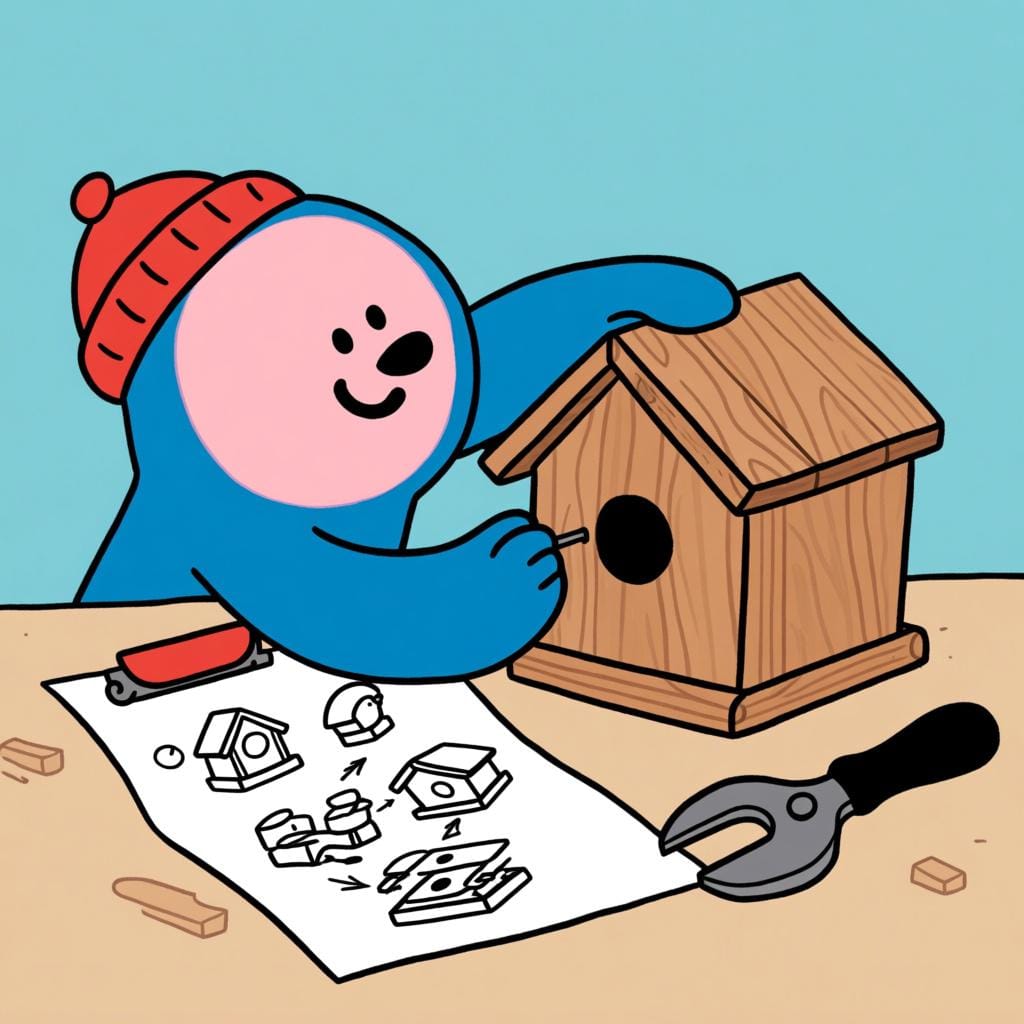
Para montar el mueble, tienes que seguir las instrucciones.
To assemble the furniture, you have to follow the instructions.
Siempre sigo los consejos de mi madre.
I always follow my mother's advice.
Ella quiere seguir una carrera en medicina.
She wants to pursue a career in medicine.
tirar
tee-RAHRtiˈɾaɾ

Examples
El cazador tuvo que tirar para defenderse.
The hunter had to shoot to defend himself.
¿Puedes tirarme una foto con mi teléfono?
Can you take a picture of me with my phone?
El ladrón tiró al aire para asustarlos.
The thief shot into the air to scare them.
Photo Usage
In many regions, 'tomar una foto' or 'sacar una foto' is more universally understood for taking pictures, but 'tirar una foto' is very common in places like Mexico and Central America.
adoptar
ah-dohp-TAHRaðopˈtaɾ

Examples
El gobierno va a adoptar nuevas medidas contra la contaminación.
The government is going to adopt new measures against pollution.
No deberías adoptar esa actitud tan negativa.
You shouldn't adopt such a negative attitude.
La empresa decidió adoptar una nueva estrategia de ventas.
The company decided to adopt a new sales strategy.
Abstract Nouns
Unlike the family sense, this version of 'adoptar' usually connects directly to words like 'medidas' (measures) or 'normas' (rules) without needing 'a'.
Overusing 'tomar'
Mistake: “El jefe tomó una actitud difícil.”
Correction: El jefe adoptó una actitud difícil. While 'tomar' is okay, 'adoptar' sounds more professional when describing a mindset.
encajar
en-kah-HARen.kaˈxaɾ

Examples
Encajó la crítica con mucha madurez.
He took the criticism with a lot of maturity.
El equipo encajó tres goles en la primera parte.
The team conceded three goals in the first half.
Le costó encajar la noticia del despido.
It was hard for him to take the news of the firing.
Emotional Reaction
This use of 'encajar' often describes how well someone processes difficult or negative information.
aceptar
ah-sep-TARaθepˈtaɾ

Examples
¿Aceptas mi ayuda con la mudanza?
Do you accept my help with the move?
Ella aceptó el trabajo inmediatamente.
She accepted the job immediately.
Nunca acepto tarjetas de crédito, solo efectivo.
I never accept credit cards, only cash.
Direct Action Verb
Aceptar is straightforward, it directly acts upon the thing being accepted. For instance, 'Yo acepto el dinero' (I accept the money).
Confusing 'Aceptar' and 'Estar de acuerdo'
Mistake: “Using 'aceptar' when agreeing with an opinion: 'Acepto con tu idea.'”
Correction: Use 'Estar de acuerdo': 'Estoy de acuerdo con tu idea.' (I agree with your idea). 'Aceptar' is usually for offers or things, not opinions.
General vs. Specific Actions
Learn Spanish with Inklingo
Interactive stories, personalized learning, and more.