How to Say "to grab" in Spanish
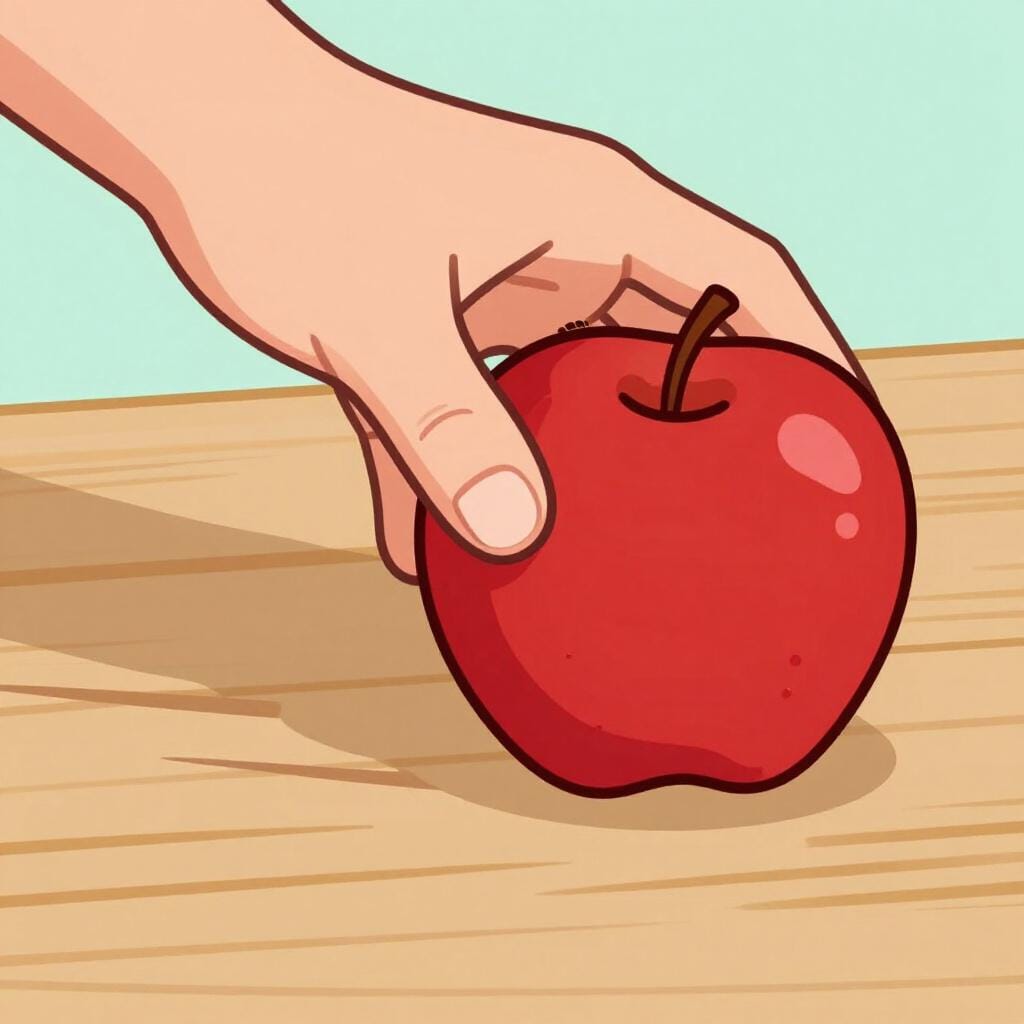
The most common Spanish word for “to grab” is “coger” — use 'coger' for the most general and common way to 'grab' or 'take' something quickly, like picking up an object.




coger
ko-kherkoˈxeɾ

Examples
Por favor, coge ese libro de la mesa.
Please, grab that book from the table.
Necesitas coger la herramienta con firmeza.
You need to take hold of the tool firmly.
The G to J Shift
In Spanish, the sound of the letter 'g' changes to 'j' whenever it comes before the vowels 'a' or 'o'. This is why 'yo' changes from 'coger' to 'cojo' (instead of 'cogo').
agarrar
ah-gah-RRAHRaɣaˈraɾ

Examples
Agarré el paraguas antes de salir porque estaba lloviendo.
I grabbed the umbrella before leaving because it was raining.
Por favor, agarra mi mano, el suelo está resbaladizo.
Please, hold my hand, the floor is slippery.
Direct Action Verb
This verb is transitive, meaning the action always directly affects an object (what you grab or hold). Think: 'I grab [the thing].'
pillar
pee-YARpiˈʎaɾ

Examples
¡Corre, que no me pillas!
Run, you can't catch me!
Tengo que pillar el autobús de las ocho.
I have to catch the eight o'clock bus.
Pilla las llaves antes de salir.
Grab the keys before leaving.
Using 'Pillar' for Transport
In Spain, 'pillar' is often used instead of 'tomar' or 'coger' for catching a bus or train in casual speech.
Pillar vs. Coger
Mistake: “Using 'pillar' for making a phone call.”
Correction: Use 'coger el teléfono' (to answer) or 'llamar' (to call). 'Pillar' is for catching something moving or grabbing it.
arrebatar
ah-rre-bah-TAHRareβaˈtaɾ
Examples
El ladrón le arrebató el bolso en plena calle.
The thief snatched her purse in the middle of the street.
No dejes que te arrebaten tus sueños.
Don't let them take your dreams away from you.
Le arrebató el juguete a su hermano menor.
He grabbed the toy away from his younger brother.
Who it was taken from
When you snatch something from someone, you use the small word 'le' or 'a' before the person to show who lost the item.
Sudden Action
Unlike 'tomar' (to take), this word always implies that the action was very fast, unexpected, or aggressive.
Confusing with 'Coger'
Mistake: “Coger el bolso (to mean snatching).”
Correction: Use 'arrebatar' if there is force or violence involved; 'coger' is just for picking things up normally.
General vs. Forceful Grab
Related Translations
Learn Spanish with Inklingo
Interactive stories, personalized learning, and more.