guardar
“guardar” means “to put away” in Spanish. It has 3 different meanings depending on context:
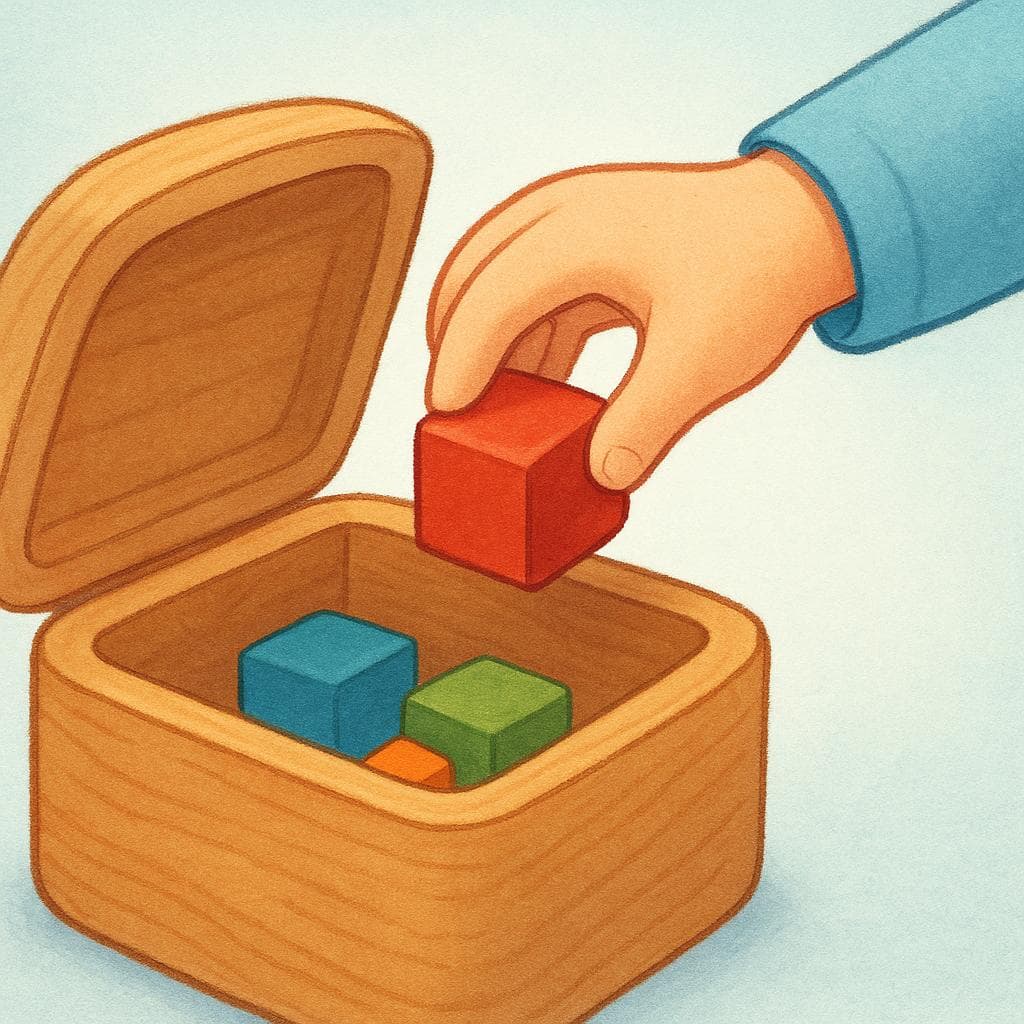

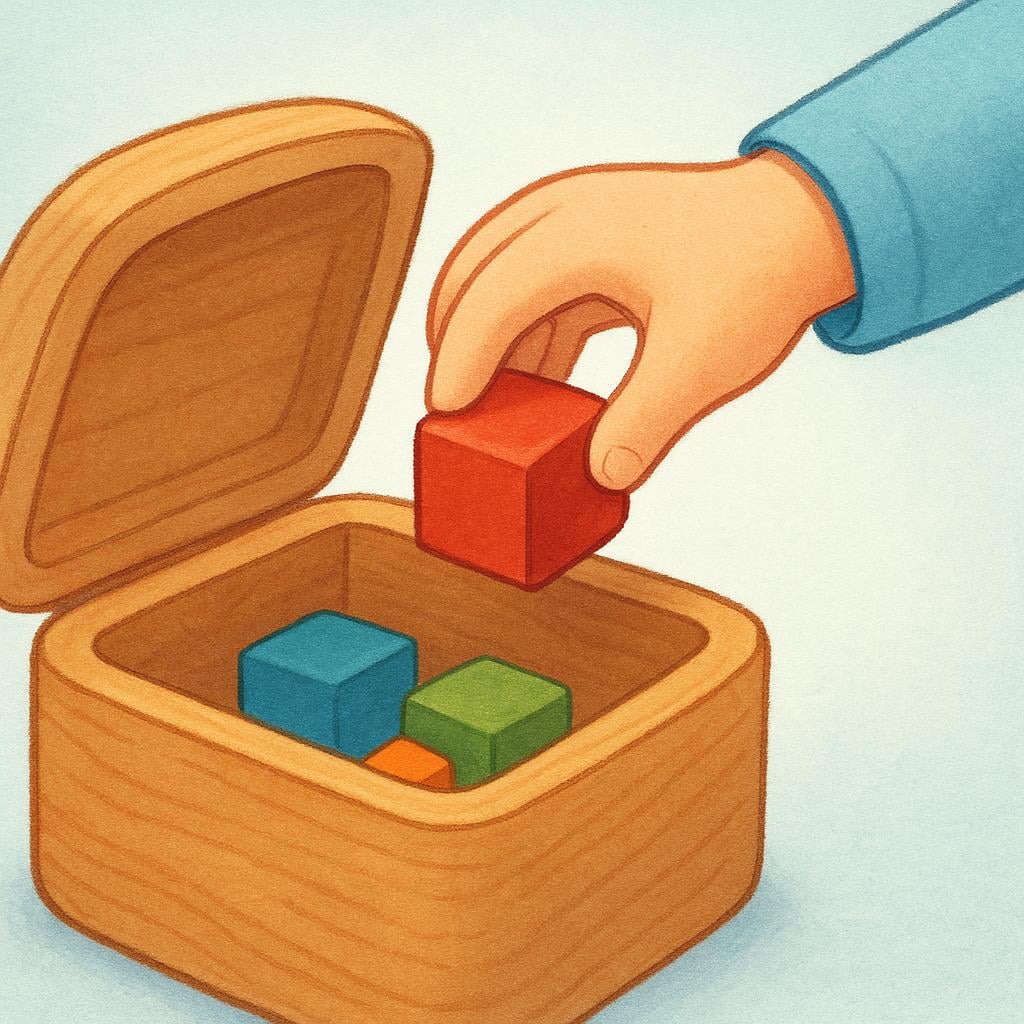
to put away, to storeAlso: to keep
📝 In Action
Ella siempre guarda las llaves en el mismo cajón.
A1She always keeps the keys in the same drawer (puts them away).
¿Dónde guardaste la aspiradora?
A2Where did you store the vacuum cleaner?
Guarda el cambio, lo necesitarás más tarde.
A1Keep the change, you will need it later.
Word Connections
to saveAlso: to bookmark

📝 In Action
Tienes que guardar el archivo antes de apagar la computadora.
A2You have to save the file before turning off the computer.
Guarda este enlace para leerlo más tarde.
B1Save this link (or bookmark it) to read later.
Word Connections
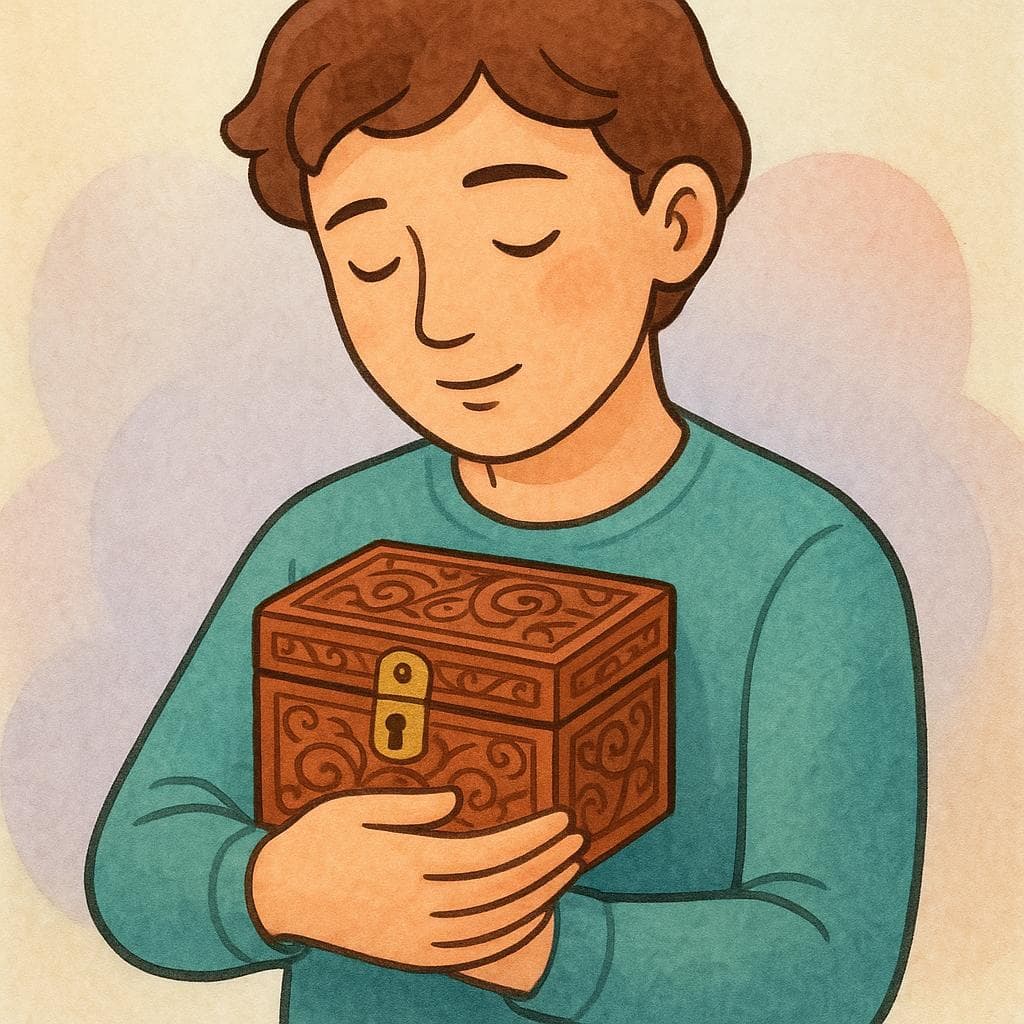
to keep, to observeAlso: to hold
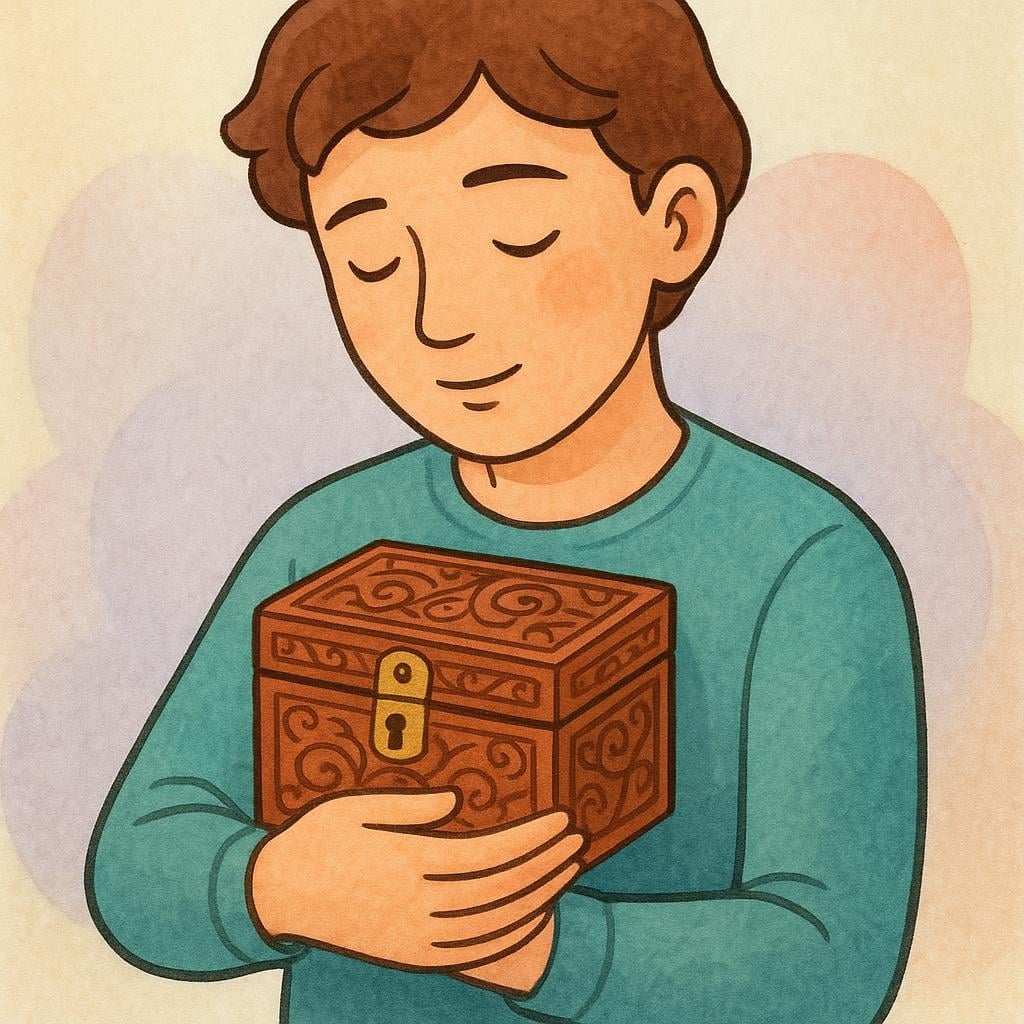
📝 In Action
Te prometo que voy a guardar tu secreto.
B1I promise you that I am going to keep your secret.
Debes guardar silencio en la biblioteca.
B2You must observe (keep) silence in the library.
El equipo guardó un minuto de silencio en honor al fallecido.
B2The team held a minute of silence in honor of the deceased.
Word Connections
Indicative
Present
Imperfect
Preterite
Subjunctive
Present Subjunctive
Imperfect Subjunctive
🔀 Commonly Confused With
Translate to Spanish
Words that translate to "guardar" in Spanish:
✏️ Quick Practice
Quick Quiz: guardar
Question 1 of 2
Which English verb is NOT a primary translation for 'guardar'?
📚 More Resources
👥 Word Family
📚 Etymology
The word comes from the Germanic language family, specifically from the Gothic *wardôn*, meaning 'to watch' or 'to protect.' It entered Spanish via Vulgar Latin, keeping its core meaning of keeping something safe or protected.
First recorded: 10th century
Cognates (Related words)
💡 Master Spanish
Take your Spanish to the next level. Read 200+ illustrated and narrated Spanish stories tailored to your level with the Inklingo app!
Frequently Asked Questions
Is 'guardar' reflexive? (Can I use 'guardarse'?)
Yes, 'guardarse' is used, usually to mean 'to keep something for oneself' or 'to reserve something.' For example, 'Guárdate las críticas' (Keep the criticisms to yourself).
How is 'guardar' different from 'mantener'?
'Guardar' usually implies putting something away for safekeeping or initiating the act of keeping (like putting keys in a drawer). 'Mantener' means to maintain a state or condition, like 'mantener la calma' (to keep calm).