desgastar
“desgastar” means “to wear down” in Spanish. It has 2 different meanings depending on context:

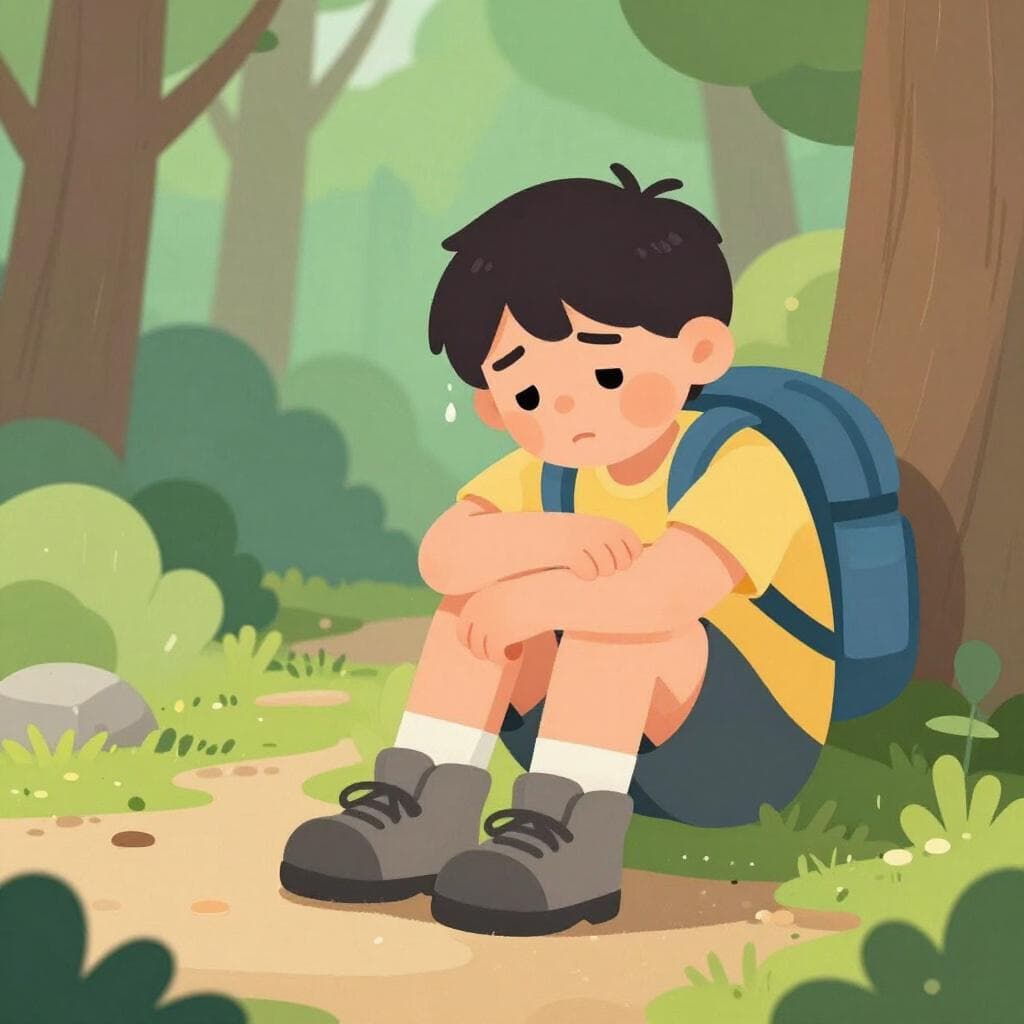
to wear down
Also: to wear out, to erode
📝 In Action
Caminar mucho por el asfalto desgasta la suela de los zapatos.
A2Walking a lot on asphalt wears down the soles of your shoes.
El viento y la lluvia desgastan las piedras de la montaña.
B1The wind and rain wear away the mountain rocks.
Debes cambiar los neumáticos cuando se empiecen a desgastar.
B2You should change the tires when they start to wear out.
to exhaust
Also: to weaken, to erode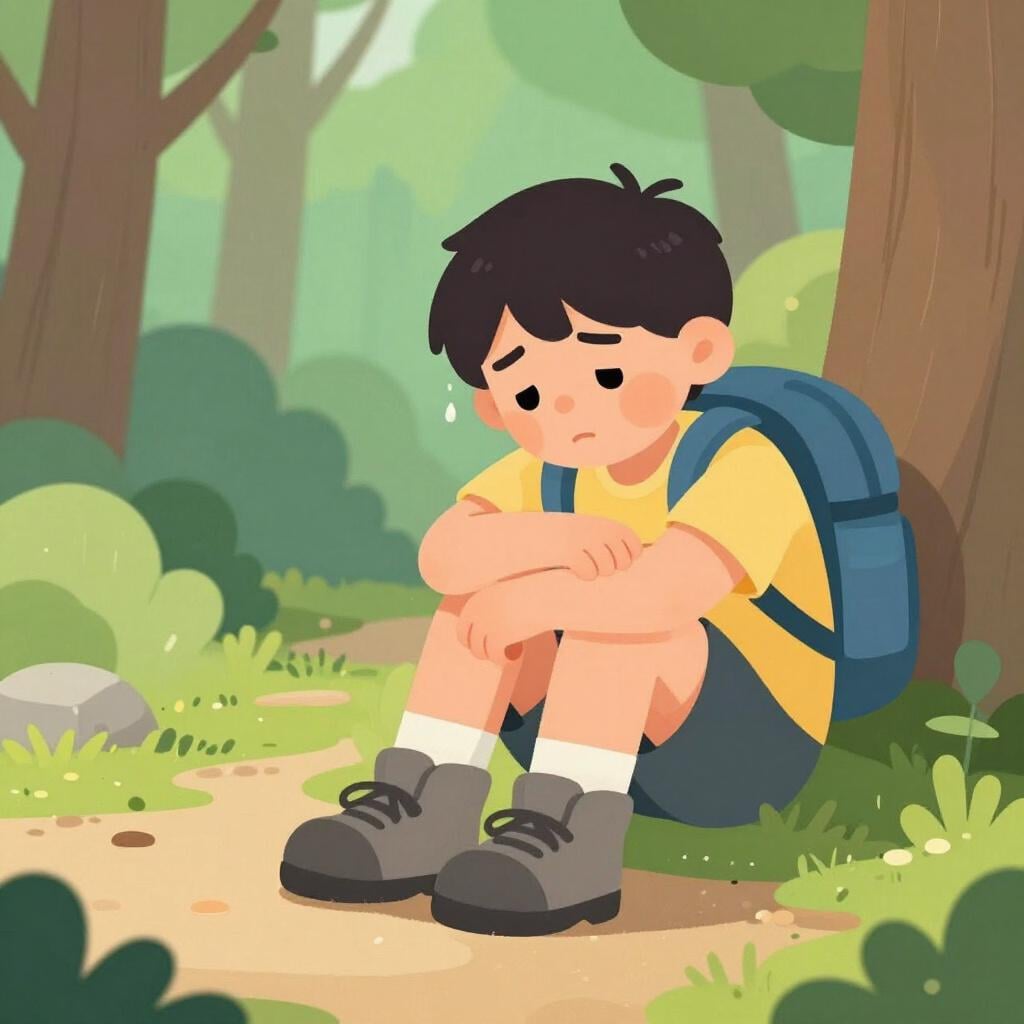
📝 In Action
Tantos problemas acabaron por desgastar nuestra relación.
B2So many problems ended up wearing down our relationship.
La oposición intenta desgastar al gobierno actual.
C1The opposition is trying to weaken the current government.
El estrés constante desgasta la salud mental.
B2Constant stress wears down mental health.
Subjunctive
Imperfect Subjunctive
Present Subjunctive
Indicative
Preterite
Imperfect
Present
Translate to Spanish
✏️ Quick Practice
Quick Quiz: desgastar
Question 1 of 3
Which of these things would you 'desgastar'?
📚 More Resources
👥 Word Family▼
📚 Etymology▼
From the prefix 'des-' (expressing reversal or intensity) and the verb 'gastar' (to spend/consume), which comes from Latin 'vastare' (to lay waste).
First recorded: 13th century
Cognates (Related words)
💡 Master Spanish
Take your Spanish to the next level. Read 200+ illustrated and narrated Spanish stories tailored to your level with the Inklingo app!
Frequently Asked Questions
What is the difference between 'gastar' and 'desgastar'?
'Gastar' usually means to spend money or to use a resource. 'Desgastar' implies a physical or emotional deterioration—something is being worn away or becoming thinner/weaker.
Can I use 'desgastar' for people?
Yes, but usually metaphorically. If you say someone is 'desgastado', you mean they look physically or emotionally drained by life or work.
Does it only apply to old things?
Not necessarily, but it always describes a process of something losing its 'newness' or integrity through friction, use, or time.