How to Say "to erode" in Spanish
The most common Spanish word for “to erode” is “desgastar” — use this word for natural or physical processes that wear something down over time, like friction on objects, or for the deterioration of relationships and trust.

desgastar
des-gahs-TARdezɣasˈtaɾ
Examples
Caminar mucho por el asfalto desgasta la suela de los zapatos.
Walking a lot on asphalt wears down the soles of your shoes.
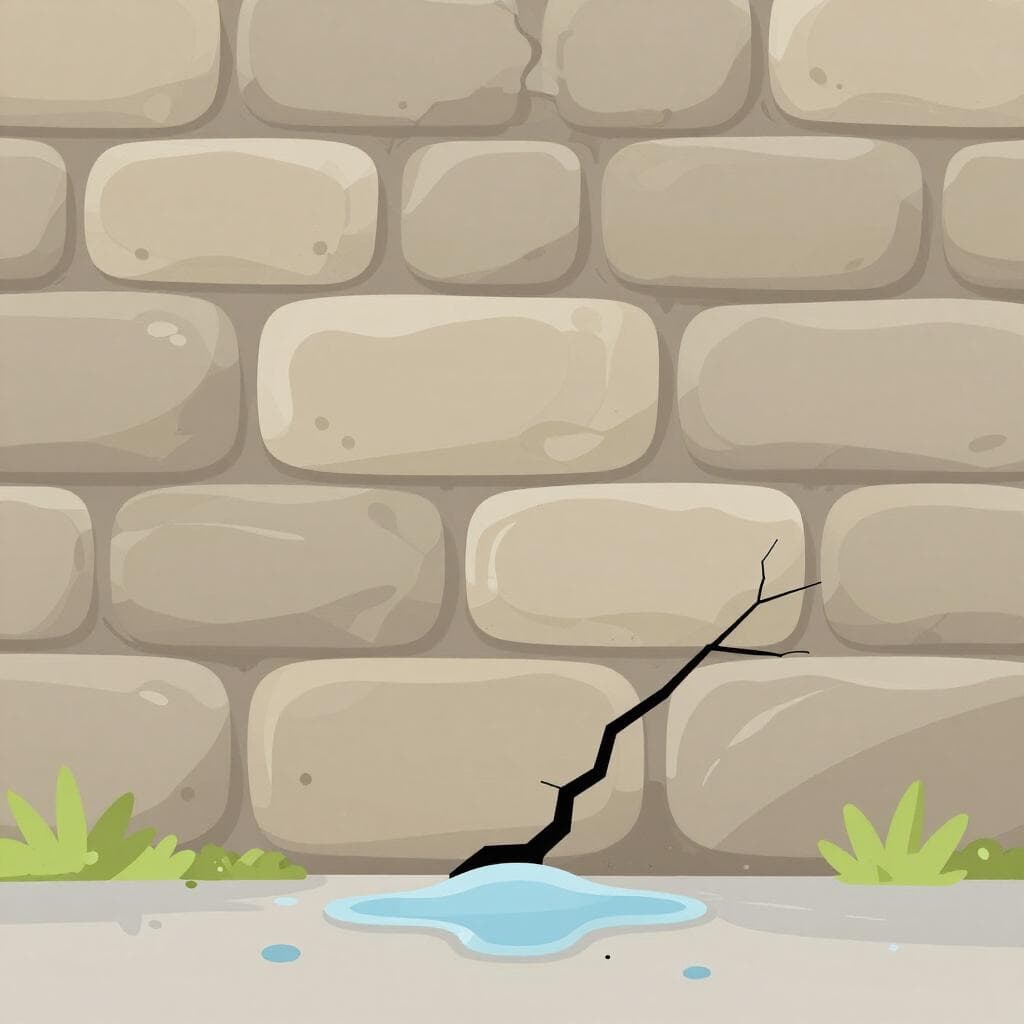
El viento y la lluvia desgastan las piedras de la montaña.
The wind and rain wear away the mountain rocks.
Debes cambiar los neumáticos cuando se empiecen a desgastar.
You should change the tires when they start to wear out.
Tantos problemas acabaron por desgastar nuestra relación.
So many problems ended up wearing down our relationship.
Natural Wear and Tear
Use 'desgastar' when something slowly disappears or loses its shape because you use it a lot, rather than breaking it suddenly.
Things doing it to themselves
When an object gets worn out over time without someone doing it on purpose, we often add 'se' (desgastarse). For example: 'Las piezas se desgastan' (The parts wear out).
Metaphorical Erosion
Just like wind wears away stone, you can use 'desgastar' to describe abstract things like authority or love fading away due to friction.
Desgastar vs. Usar
Mistake: “Uso mis zapatos y ahora están rotos.”
Correction: He desgastado mis zapatos de tanto caminar. Use 'desgastar' to specifically highlight that the condition of the item has deteriorated through use.
Desgastar vs. Cansar
Mistake: “El trabajo me desgasta.”
Correction: El trabajo me cansa (if you are just tired) vs. El trabajo me está desgastando (if it is slowly destroying your spirit or health over months). Use 'desgastar' for long-term, structural exhaustion.
desmoronar
des-mo-ro-nardesmoɾoˈnaɾ
Examples
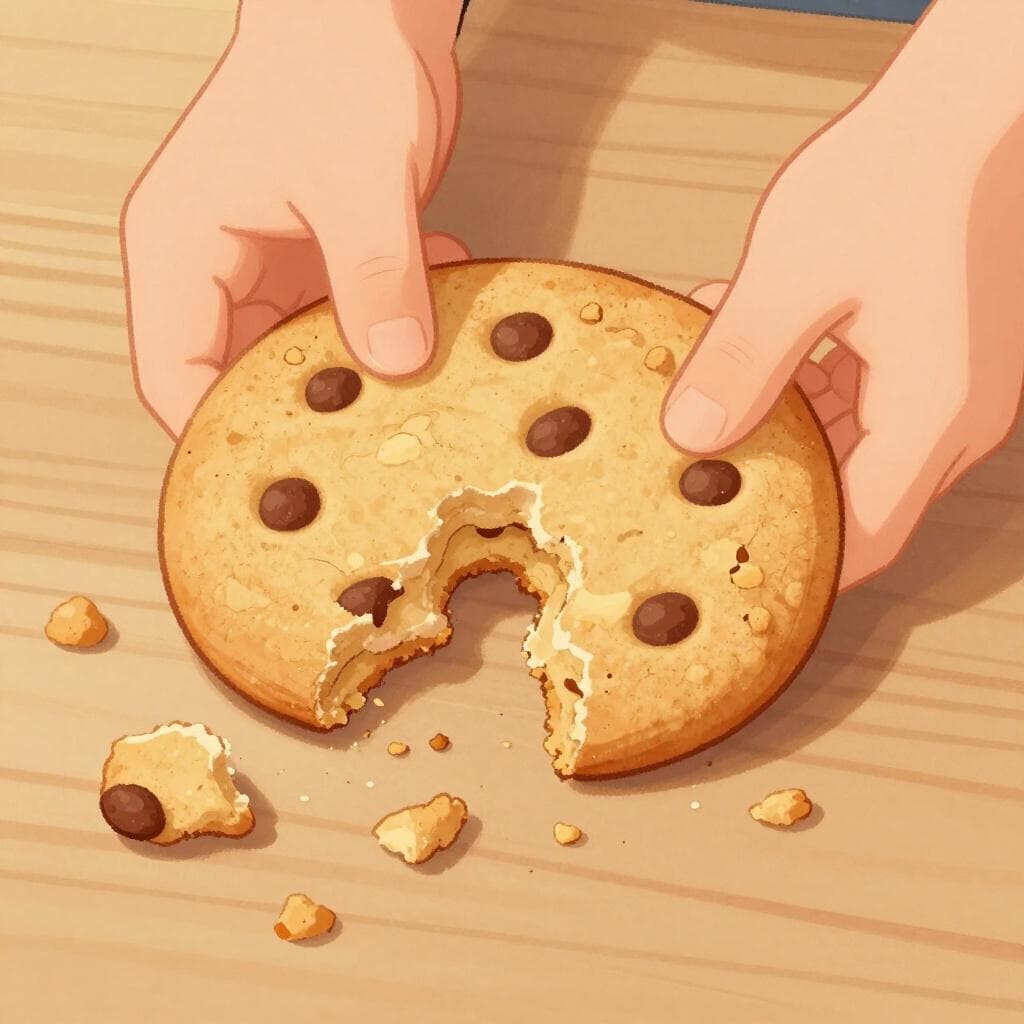
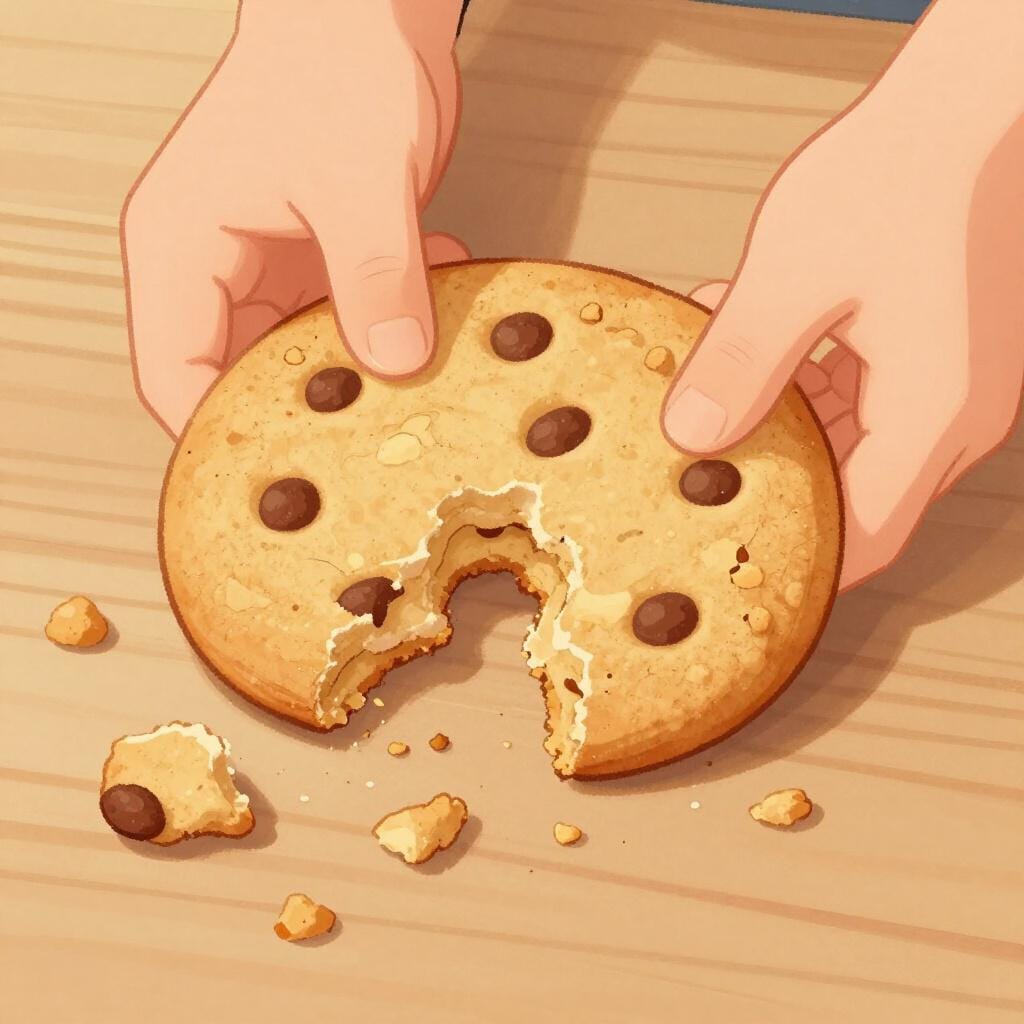
Ten cuidado al tocar la galleta o la vas a desmoronar.
Be careful when touching the cookie or you are going to crumble it.
La lluvia comenzó a desmoronar la orilla del río.
The rain began to erode the riverbank.
Sus mentiras terminaron por desmoronar la confianza de la familia.
His lies ended up undermining the family's trust.
Doing vs. Happening
Use 'desmoronar' when someone is actively breaking something down. Use 'desmoronarse' (adding the little word 'se') when something is falling apart on its own, like an old building or a person's emotions.
The 'Des-' Prefix
The 'des-' at the start often means 'undoing' or 'reversing'. In this case, it's like reversing a solid structure into tiny pieces.
Breaking vs. Crumbling
Mistake: “Using 'desmoronar' for a broken glass.”
Correction: Say 'romper' for a glass. Use 'desmoronar' only for things that turn into many tiny crumbs or dust, like bread or dry dirt.
minar
mee-NAHRmiˈnaɾ
Examples
Sus constantes mentiras acabaron por minar mi confianza.
His constant lies eventually undermined my trust.
La enfermedad minó sus fuerzas en pocos meses.
The illness sapped his strength in a few months.
No dejes que los comentarios negativos minen tu moral.
Don't let negative comments undermine your morale.
Abstract Use
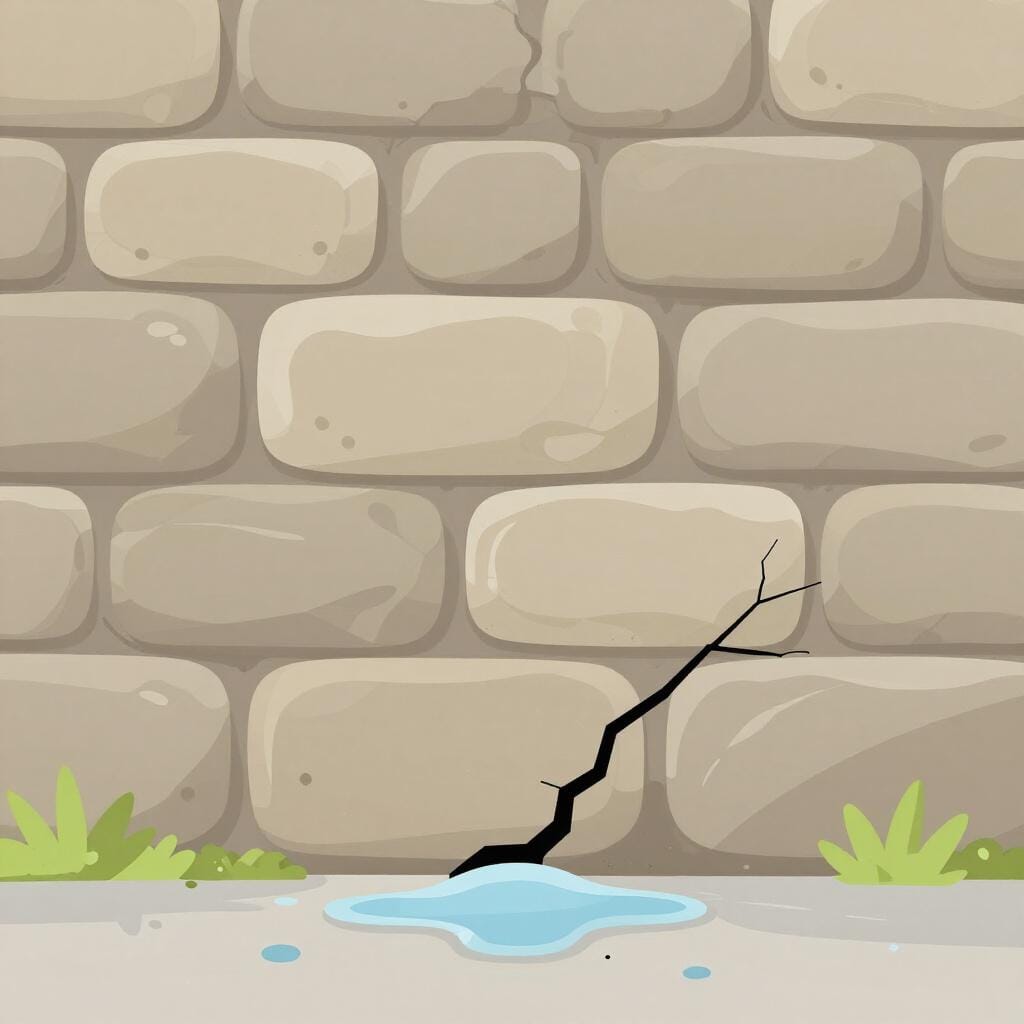
This meaning uses 'minar' metaphorically, describing a process where something is being hollowed out or weakened from the inside, just like a physical mine.
morder
mor-DEHRmoɾˈðeɾ
Examples
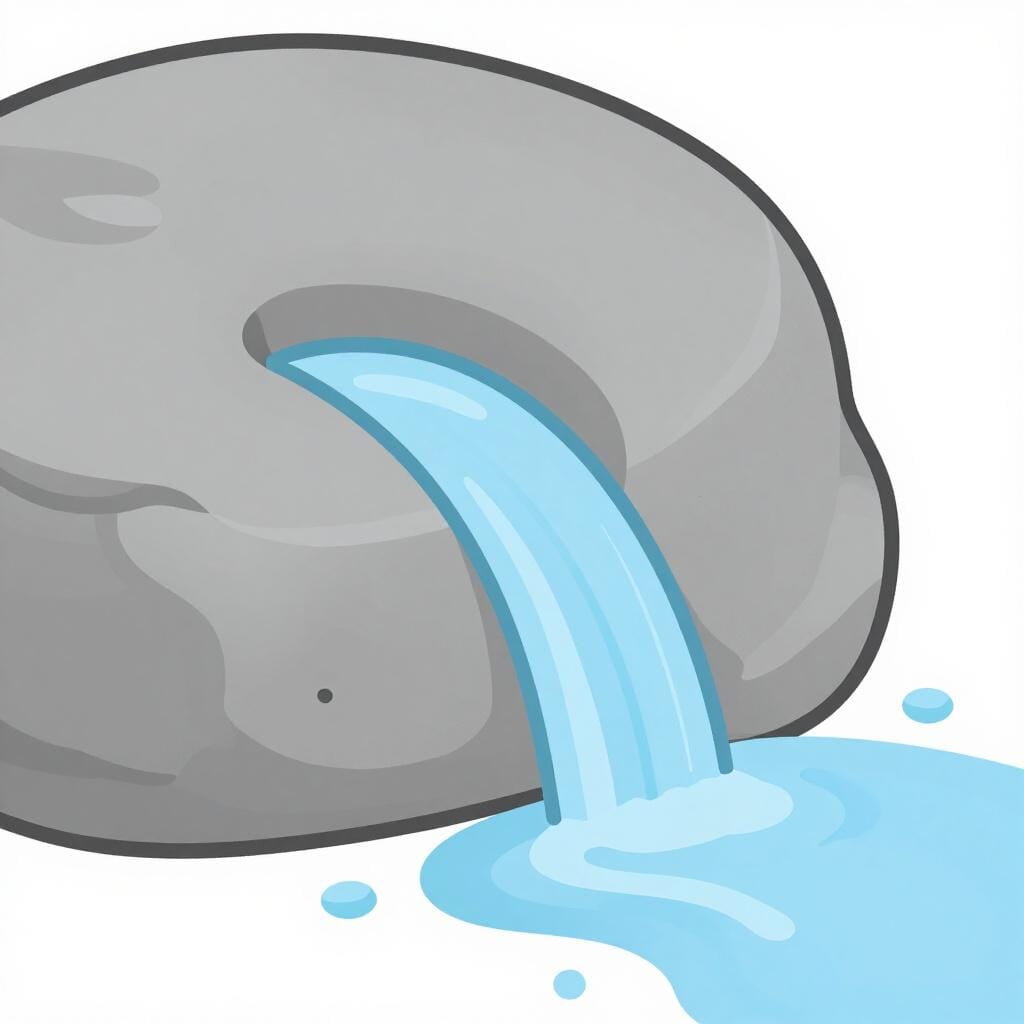
El mar muerde la base del acantilado cada año más.
The sea eats away at the base of the cliff more every year.
El óxido ha empezado a morder el metal de la puerta.
The rust has started to eat away at the metal of the door.
Figurative Language
In this sense, 'morder' acts just like 'to eat away' in English. It describes a slow, persistent destruction.
Desgastar vs. Desmoronar
Related Translations
Learn Spanish with Inklingo
Interactive stories, personalized learning, and more.