How to Say "to crumble" in Spanish
The most common Spanish word for “to crumble” is “desmoronar” — use 'desmoronar' when you are actively breaking something solid into small pieces or crumbs, or when a solid object is breaking apart into pieces.
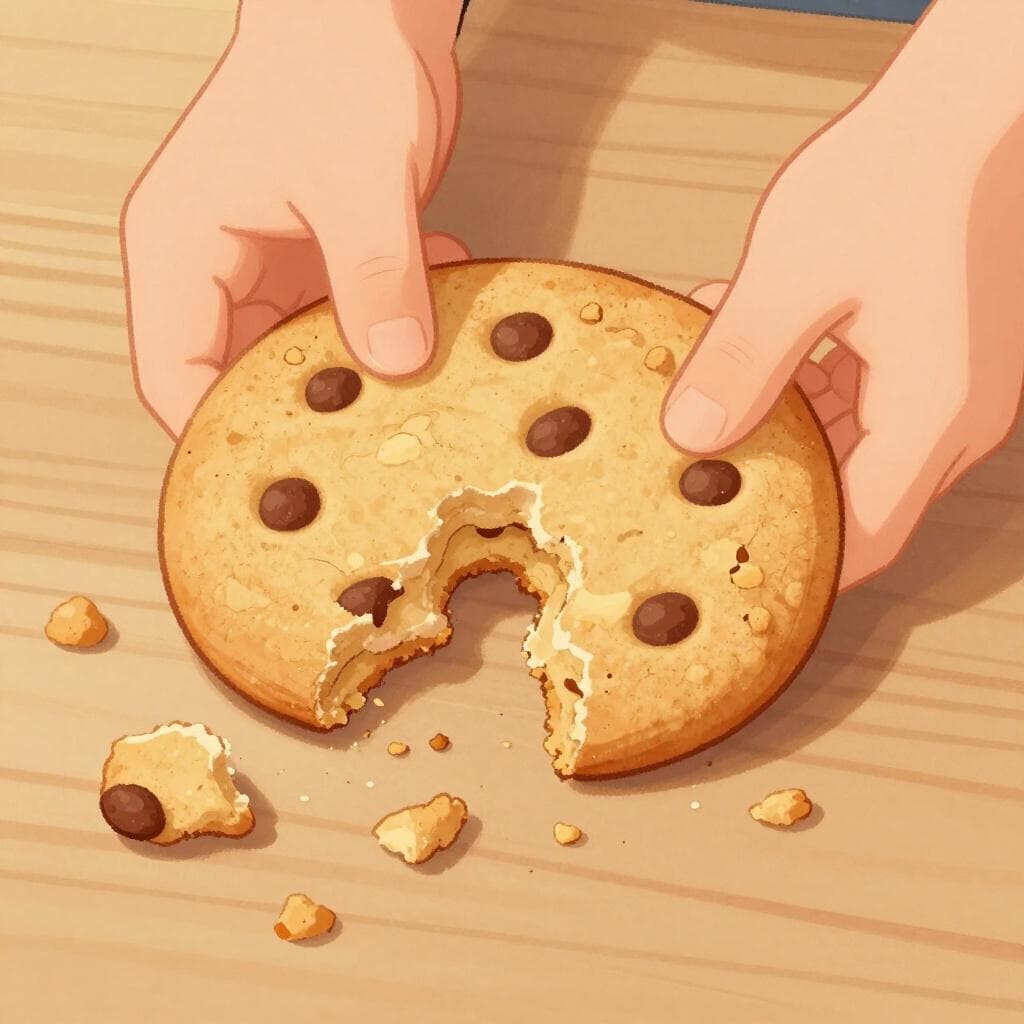
Use 'desmoronar' when you are actively breaking something solid into small pieces or crumbs, or when a solid object is breaking apart into pieces.
Learn more →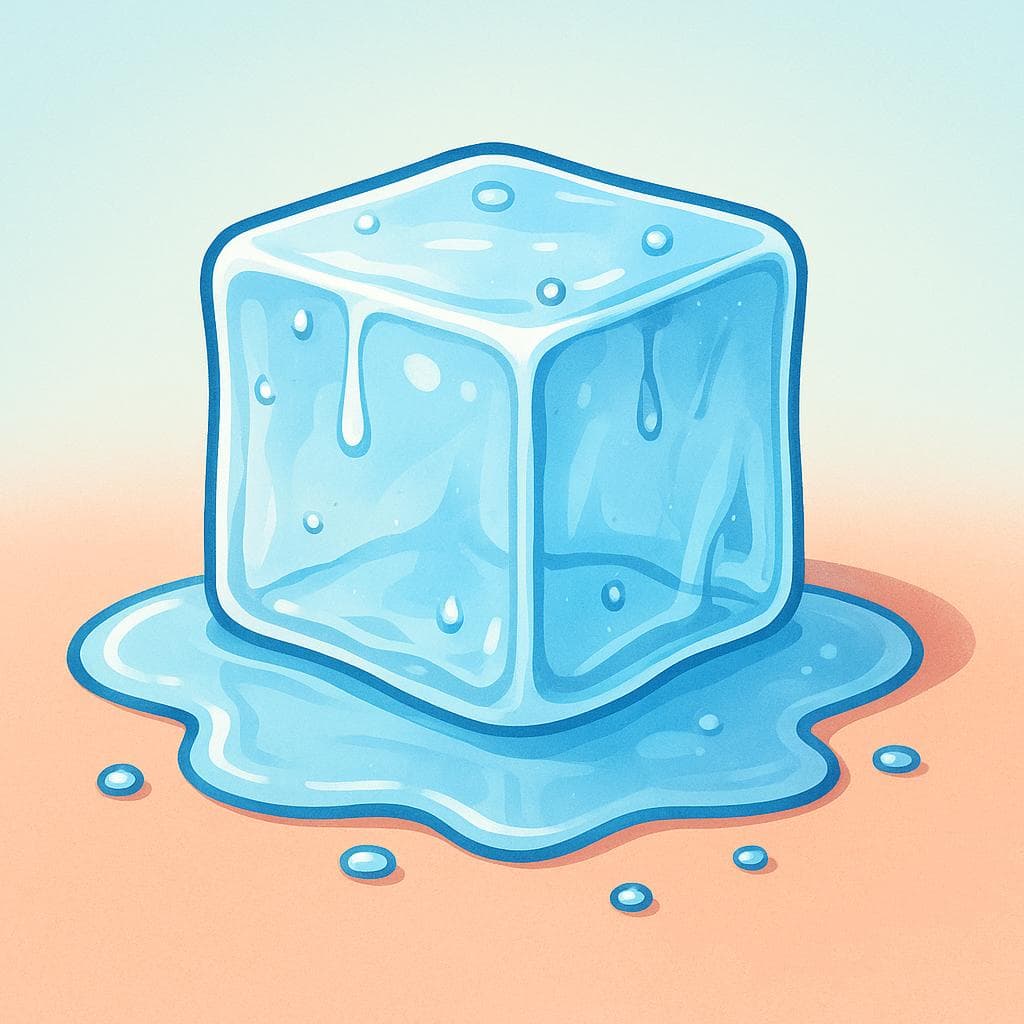
Use 'deshacerse' when something is falling apart, melting, or disintegrating into a less solid form, often due to external factors like heat or time.
Learn more →des-mo-ro-nardesmoɾoˈnaɾ
Examples
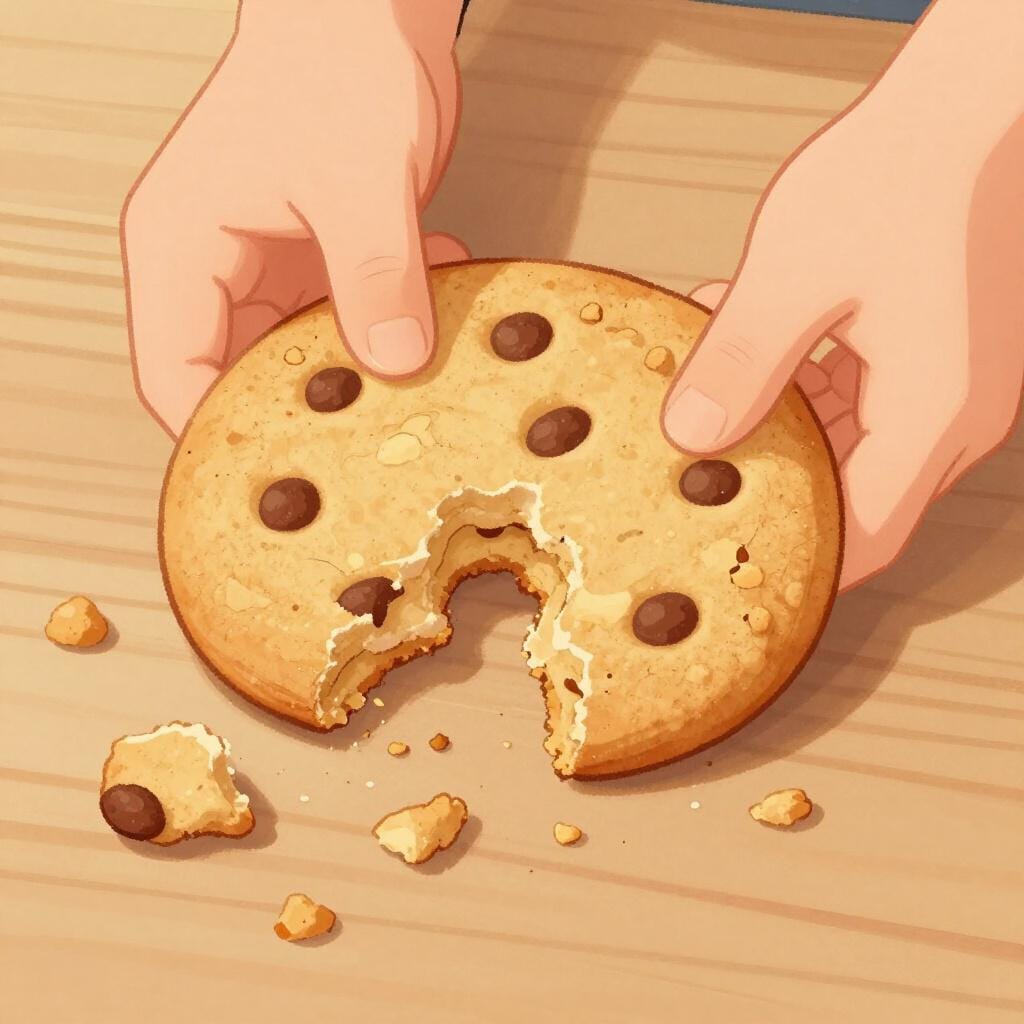
Ten cuidado al tocar la galleta o la vas a desmoronar.
Be careful when touching the cookie or you are going to crumble it.
La lluvia comenzó a desmoronar la orilla del río.
The rain began to erode the riverbank.
Sus mentiras terminaron por desmoronar la confianza de la familia.
His lies ended up undermining the family's trust.
Doing vs. Happening
Use 'desmoronar' when someone is actively breaking something down. Use 'desmoronarse' (adding the little word 'se') when something is falling apart on its own, like an old building or a person's emotions.
The 'Des-' Prefix
The 'des-' at the start often means 'undoing' or 'reversing'. In this case, it's like reversing a solid structure into tiny pieces.
Breaking vs. Crumbling
Mistake: “Using 'desmoronar' for a broken glass.”
Correction: Say 'romper' for a glass. Use 'desmoronar' only for things that turn into many tiny crumbs or dust, like bread or dry dirt.
dess-ah-SEHR-sehdesaˈseɾse
Examples
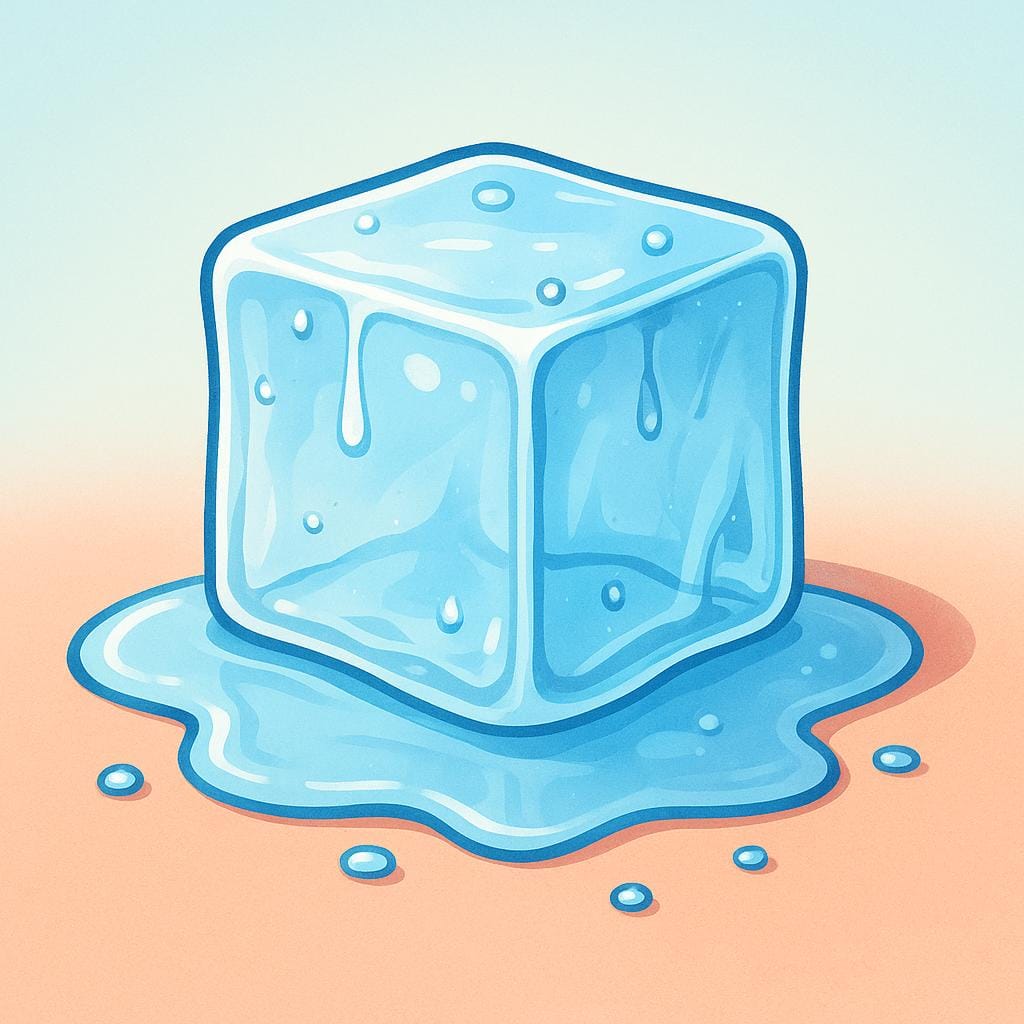
El helado se deshizo rápidamente bajo el sol.
The ice cream melted quickly under the sun.
La vieja tela se deshacía al tocarla.
The old fabric was falling apart just by touching it.
La pastilla se deshace en el agua caliente.
The pill dissolves in the hot water.
Passive Action
In this meaning, 'deshacerse' describes a change of state that happens to the subject itself (like the ice cream melting). The reflexive pronoun 'se' shows that the action is contained within the subject.
Active Breaking vs. Falling Apart
Learners often confuse 'desmoronar' and 'deshacerse' by using the former for things that are melting or falling apart naturally. Remember: 'desmoronar' implies breaking into pieces (often actively), while 'deshacerse' means to fall apart, melt, or disintegrate.
Related Translations
Learn Spanish with Inklingo
Interactive stories, personalized learning, and more.