How to Say "to melt" in Spanish
The most common Spanish word for “to melt” is “deshacerse” — use this reflexive verb when something solid like ice cream, butter, or ice naturally turns to liquid due to heat.

Use this reflexive verb when something solid like ice cream, butter, or ice naturally turns to liquid due to heat.
Learn more →
This is the most common and general term for solids changing to liquid because of heat, like snow or chocolate.
Learn more →
Use this verb when a solid needs to be intentionally melted, often in a cooking context, like melting butter or chocolate for a recipe.
Learn more →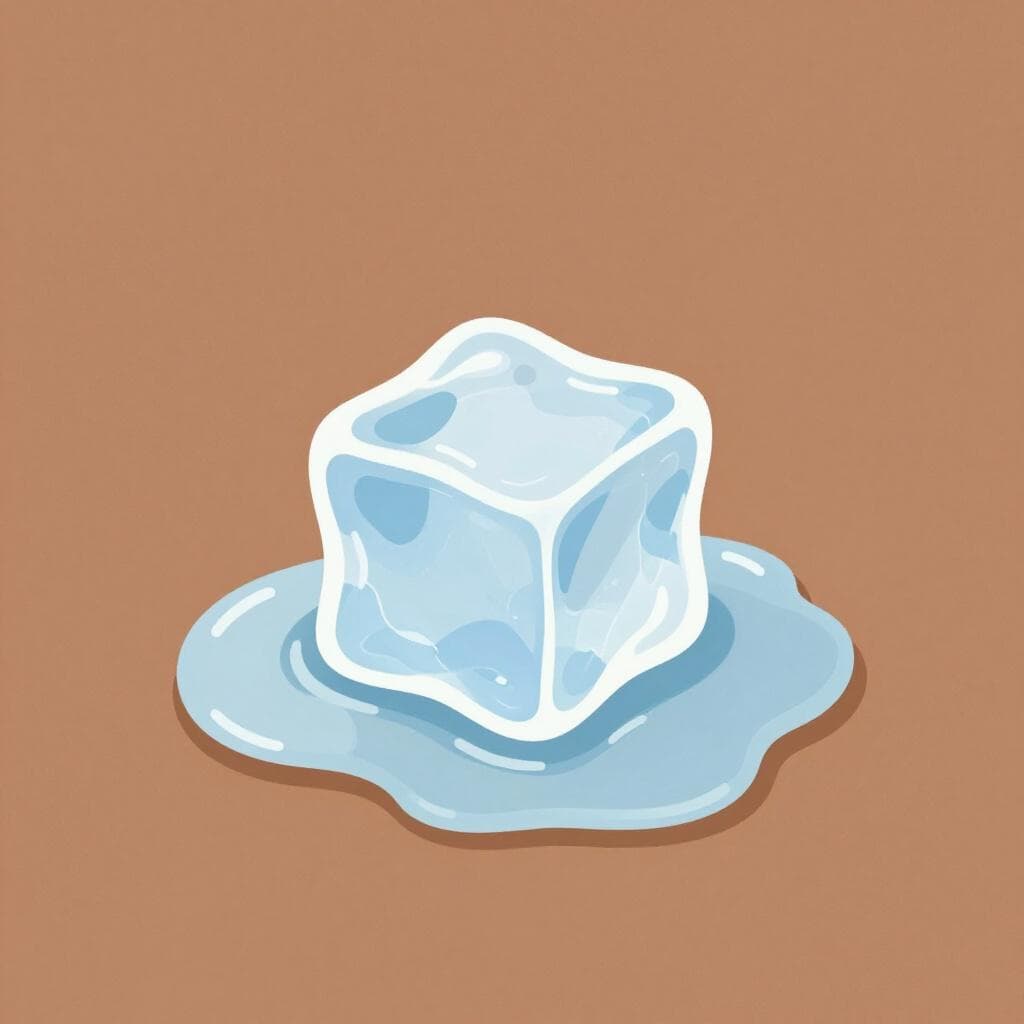
This verb is often used for ice or things affected by heat, similar to 'deshacerse', but can also imply coming undone or being dismantled.
Learn more →
This reflexive form is used metaphorically to describe feeling like you are 'melting' away due to intense heat or overwhelming emotion.
Learn more →dess-ah-SEHR-sehdesaˈseɾse

Examples
El helado se deshizo rápidamente bajo el sol.
The ice cream melted quickly under the sun.
La vieja tela se deshacía al tocarla.
The old fabric was falling apart just by touching it.
La pastilla se deshace en el agua caliente.
The pill dissolves in the hot water.
Passive Action
In this meaning, 'deshacerse' describes a change of state that happens to the subject itself (like the ice cream melting). The reflexive pronoun 'se' shows that the action is contained within the subject.
deh-rreh-teerdereˈtiɾ

Examples
El sol derrite la nieve muy rápido.
The sun melts the snow very quickly.
Tienes que derretir la mantequilla antes de añadirla a la mezcla.
You have to melt the butter before adding it to the mix.
El helado se derritió porque hacía mucho calor.
The ice cream melted because it was very hot.
The 'E' to 'I' Change
In many present tense forms and the third-person past tense, the middle 'e' changes to an 'i'. For example, 'yo derrito' (I melt) instead of 'derreto'.
Using 'Se' for Automatic Melting
If something melts on its own (like ice in a glass), we add 'se' to make it 'derretirse'. Example: 'El hielo se derrite'.
Forgetting the 'Se'
Mistake: “El hielo derrite.”
Correction: El hielo se derrite. (Use 'se' because the ice is performing the action on itself; otherwise, people might wonder what the ice is melting!)
foon-DEERfunˈdiɾ

Examples
Tienes que fundir la mantequilla en una sartén.
You have to melt the butter in a pan.
El calor extremo fundió el asfalto de la calle.
The extreme heat melted the asphalt on the street.
Están fundiendo bronce para hacer la estatua.
They are casting bronze to make the statue.
Fundir vs. Fundirse
Use 'fundir' when you are melting something, but use the 'se' version (fundirse) when something is melting on its own, like ice cream in the sun.
Regular -ir Ending
This word follows the standard pattern for verbs ending in -ir, making it very predictable to conjugate.
Using 'fundir' for ice only
Mistake: “El hielo se fundió.”
Correction: While correct, 'derretirse' is much more natural for ice. Use 'fundir' primarily for metals, cheese, or wax.
des-ah-SEHRdesaˈθeɾ
Examples
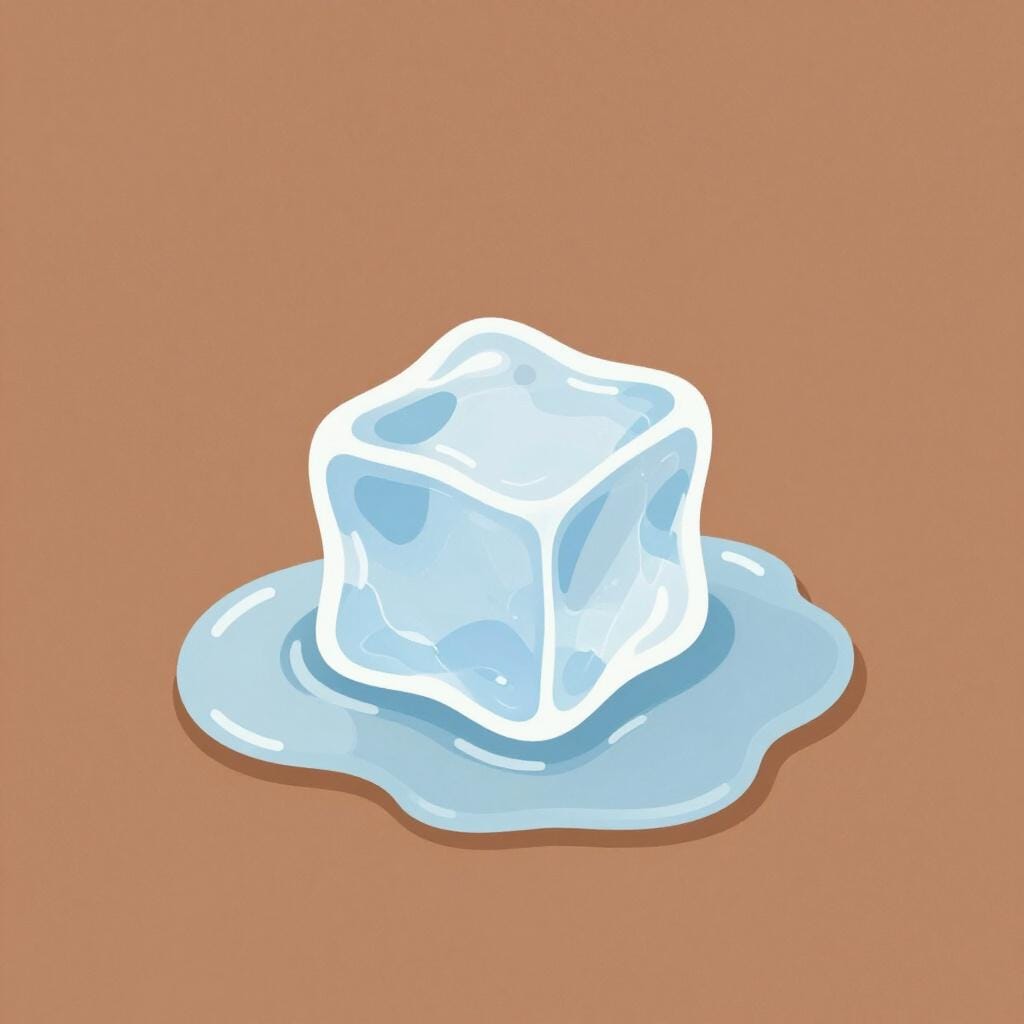
El hielo se deshizo rápidamente bajo el sol.
The ice melted quickly under the sun.
Tienes que deshacer la pastilla en un vaso de agua.
You have to dissolve the pill in a glass of water.
Using 'se'
When something melts on its own (like ice), we add 'se' to the verb: 'El hielo se deshace'.
des-ah-SAYR-mehdesaˈθeɾme

Examples
Con este calor, siento que voy a deshacerme.
With this heat, I feel like I'm going to melt.
Suelo deshacerme en lágrimas con esa película.
I usually break down in tears with that movie.
Figurative Use
Just like in English, you aren't literally turning into liquid; you're just describing a strong feeling!
Reflexive vs. Non-Reflexive 'Melt'
The most common confusion is between 'derretir' (to melt) and the reflexive forms like 'deshacerse' or 'deshacer'. Remember that 'deshacerse' often implies something melting on its own, while 'derretir' can be used more broadly and also when an action is performed on the substance.
Related Translations
Learn Spanish with Inklingo
Interactive stories, personalized learning, and more.