How to Say "to dissolve" in Spanish
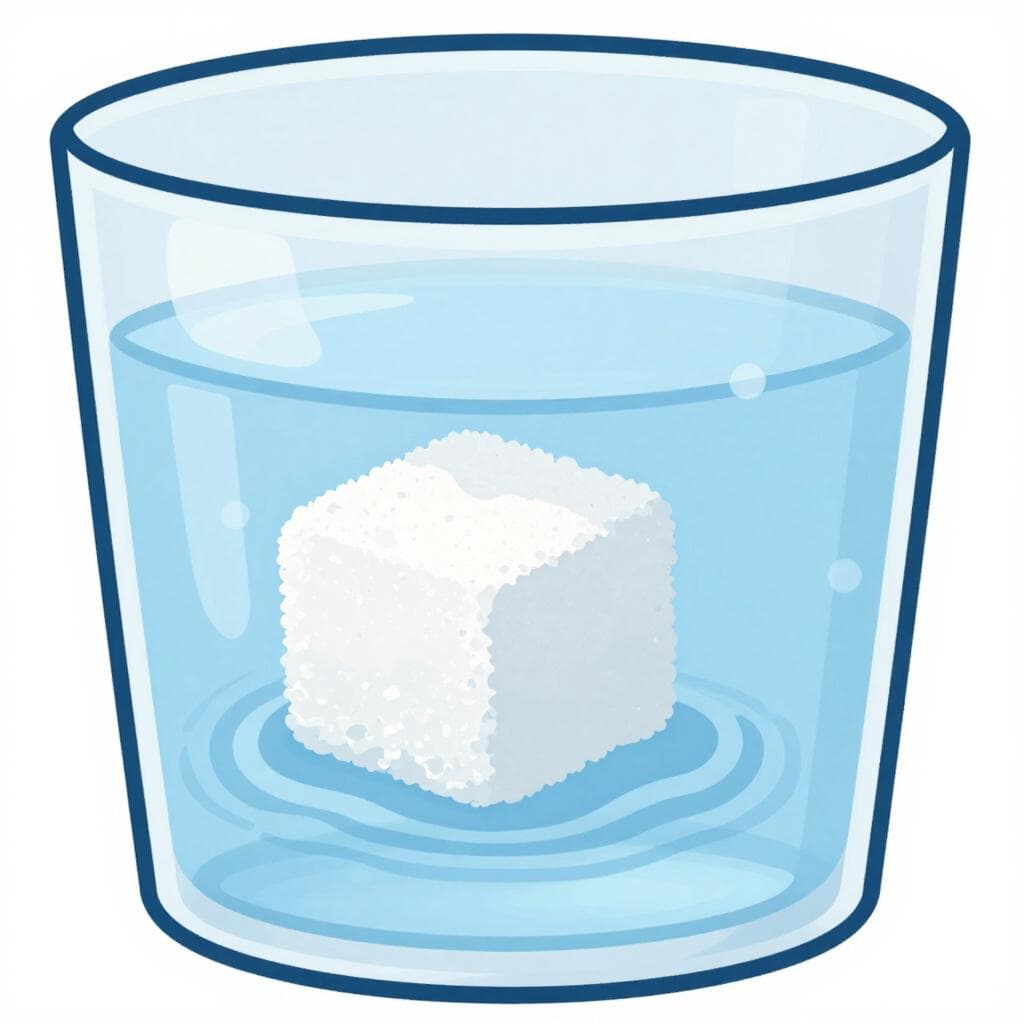
The most common Spanish word for “to dissolve” is “disolver” — use this when a solid substance mixes into a liquid, becoming an indistinguishable part of it, or when a formal group like a congress or organization is officially broken up.
disolver
dee-sol-BEHRdisolˈbeɾ
Examples
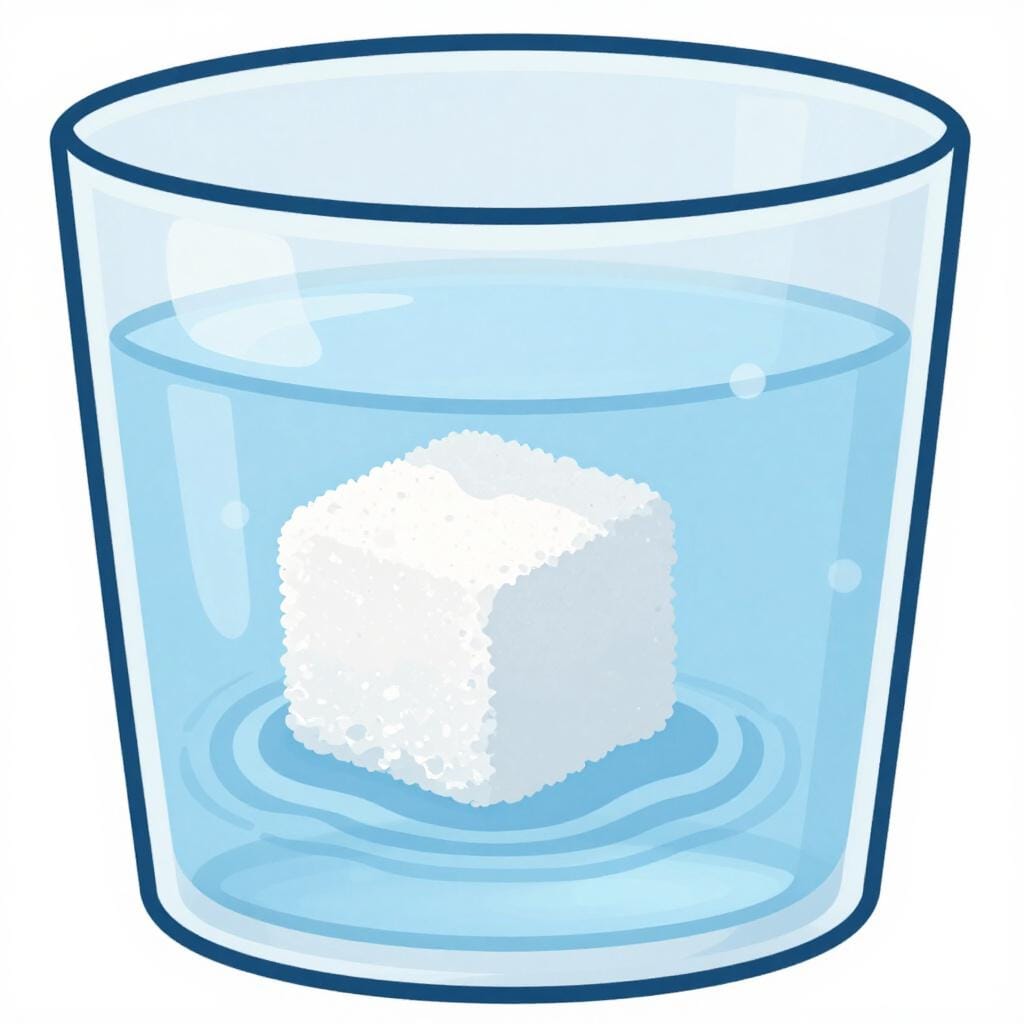
Tienes que disolver el azúcar en el café caliente.
You have to dissolve the sugar in the hot coffee.
La sal se disuelve rápidamente en el agua.
The salt dissolves quickly in the water.
Es difícil disolver esta pintura con agua sola.
It is difficult to dissolve this paint with just water.
El gobierno decidió disolver el congreso.
The government decided to dissolve the congress.
The 'O to UE' Change
In the present tense, the 'o' in the middle changes to 'ue' except for 'we' and 'you all' (nosotros/vosotros). Think of it as a boot shape on the conjugation chart!
Using 'Se' for Self-Dissolving
Use 'se disuelve' when you want to say something dissolves on its own or just 'is dissolved' without mentioning who did it.
Irregular Past Form
When using the 'completed' form (the one like 'broken' or 'done'), this word is irregular. Instead of 'disolvido', you must use 'disuelto'.
The 'O' Mistake
Mistake: “Yo disolvo el azúcar.”
Correction: Yo disuelvo el azúcar. (Remember to change the 'o' to 'ue' in the present tense!)
Mixing up 'broken' forms
Mistake: “El contrato está disolvido.”
Correction: El contrato está disuelto. (Always use the irregular form 'disuelto' for 'dissolved'.)
deshacer
des-ah-SEHRdesaˈθeɾ
Examples
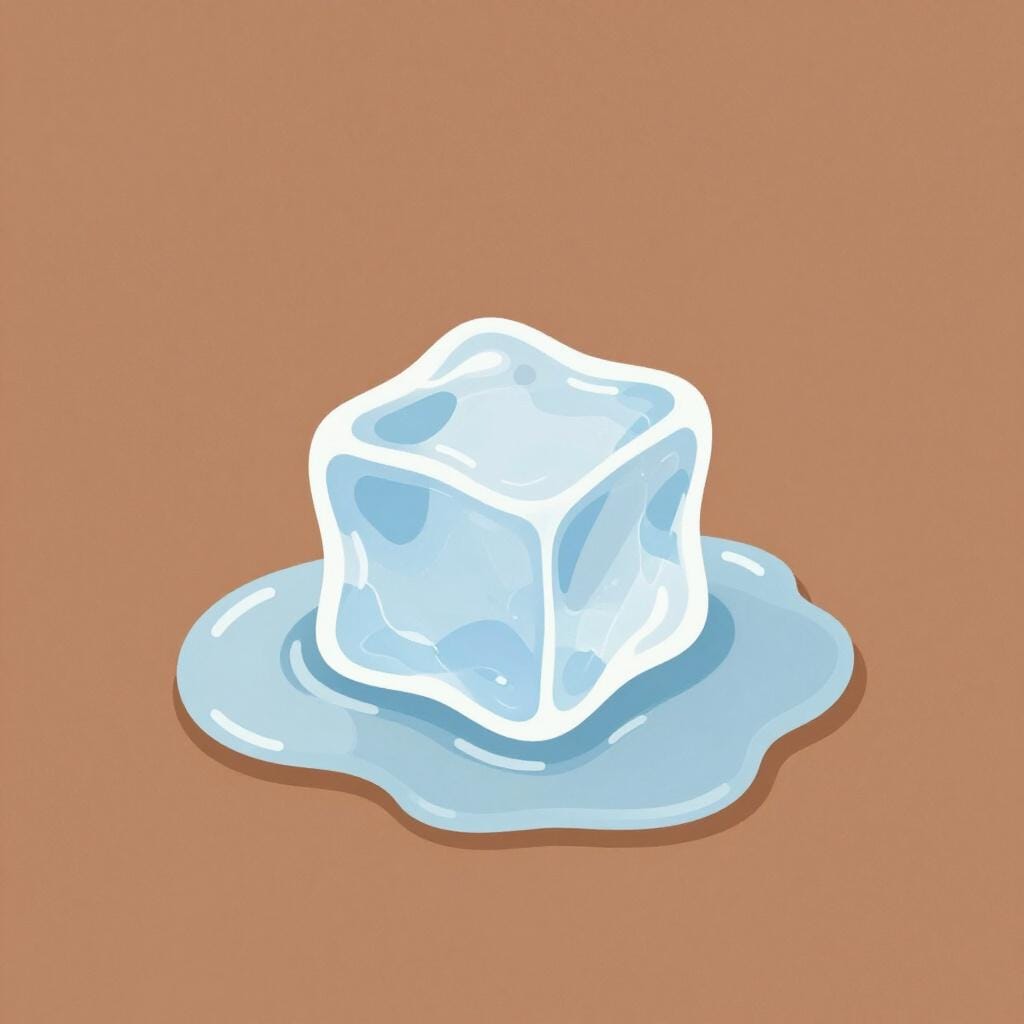
El hielo se deshizo rápidamente bajo el sol.
The ice melted quickly under the sun.
Tienes que deshacer la pastilla en un vaso de agua.
You have to dissolve the pill in a glass of water.
Using 'se'
When something melts on its own (like ice), we add 'se' to the verb: 'El hielo se deshace'.
deshacerse
dess-ah-SEHR-sehdesaˈseɾse
Examples
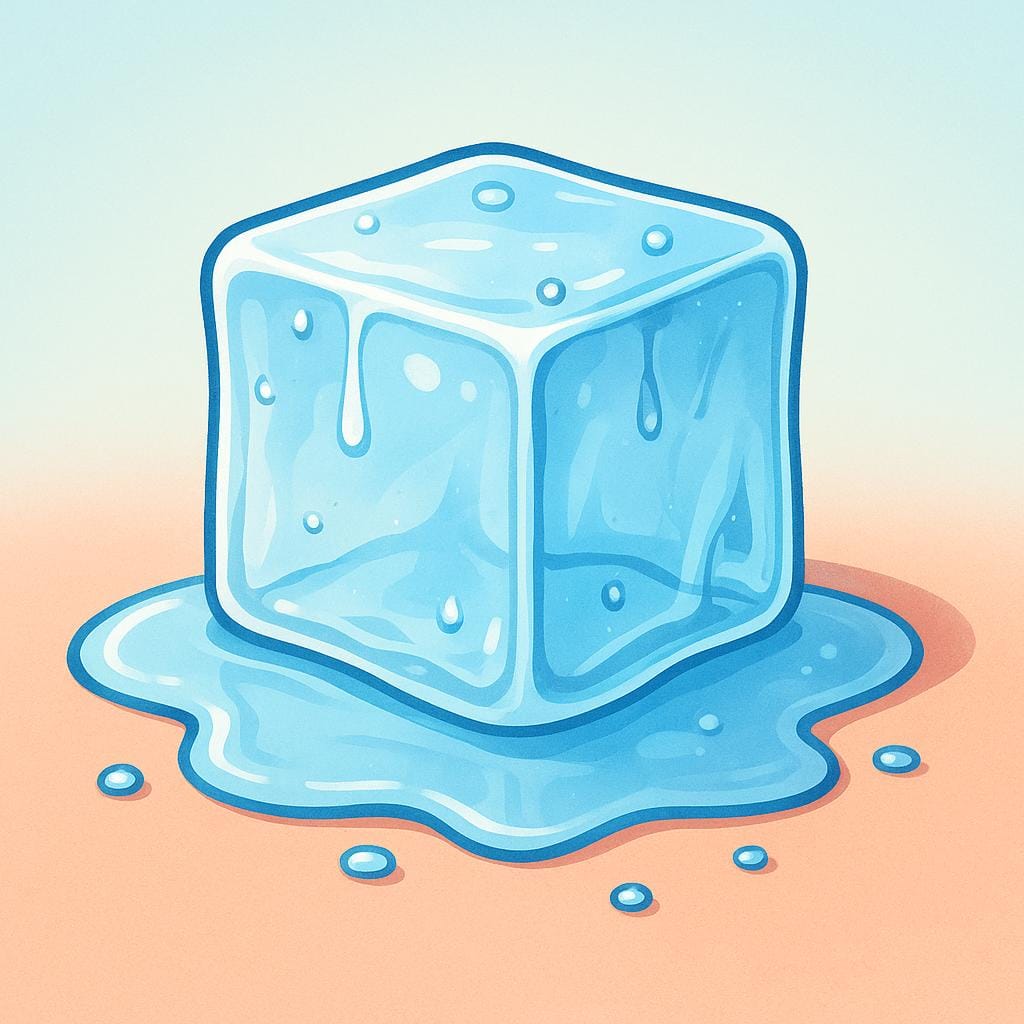
El helado se deshizo rápidamente bajo el sol.
The ice cream melted quickly under the sun.
La vieja tela se deshacía al tocarla.
The old fabric was falling apart just by touching it.
La pastilla se deshace en el agua caliente.
The pill dissolves in the hot water.
Passive Action
In this meaning, 'deshacerse' describes a change of state that happens to the subject itself (like the ice cream melting). The reflexive pronoun 'se' shows that the action is contained within the subject.
diluir
dee-loo-eerdi.ˈlwir
Examples
Sus esperanzas se diluyeron con el paso del tiempo.
Her hopes faded away as time passed.
El gobierno decidió diluir el poder de las provincias.
The government decided to water down the power of the provinces.
No dejes que tus metas se diluyan por las distracciones.
Don't let your goals fade away due to distractions.
Using it Reflexively
When things fade away on their own (like a memory), we often add 'se' (se diluye) to show that the action is happening to the subject itself.
Solid vs. Abstract Dissolving
Related Translations
Learn Spanish with Inklingo
Interactive stories, personalized learning, and more.