disolver
“disolver” means “to dissolve” in Spanish. It has 2 different meanings depending on context:
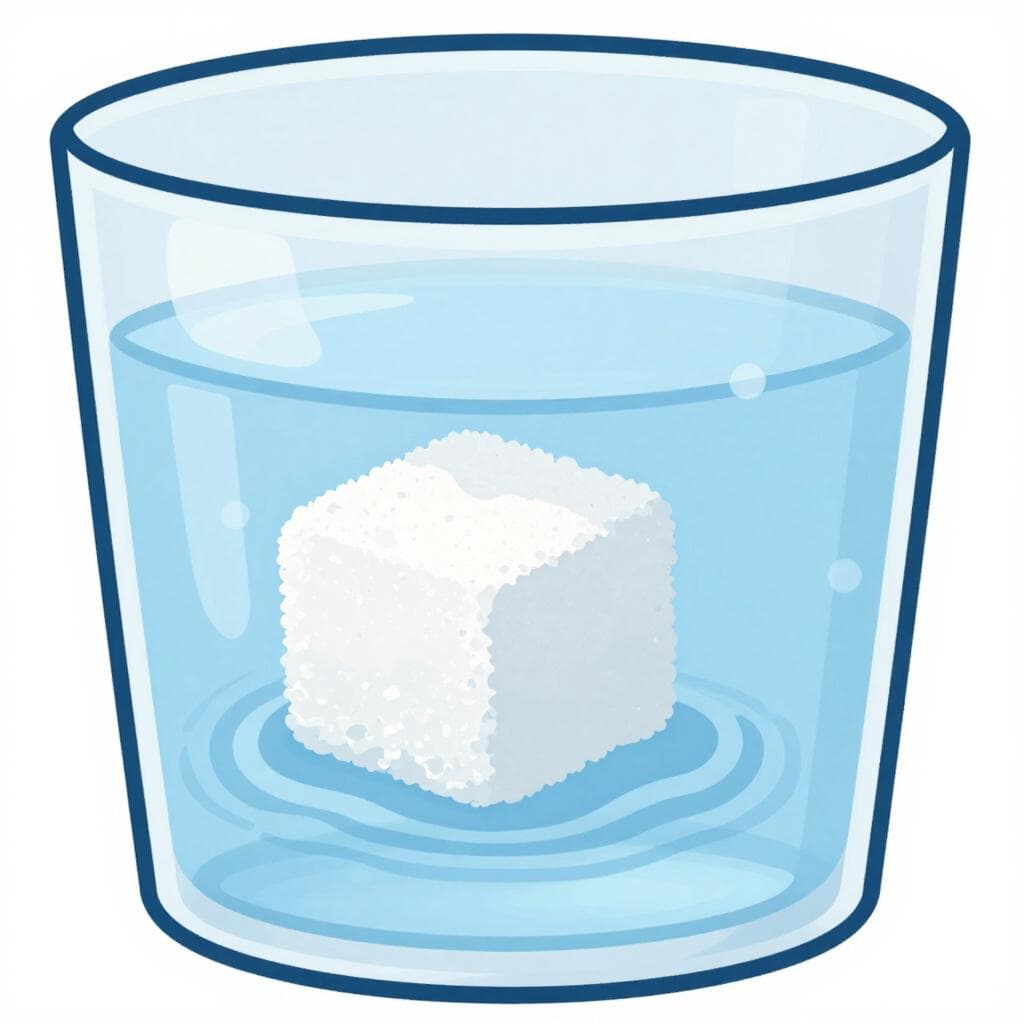

to dissolve
Also: to melt into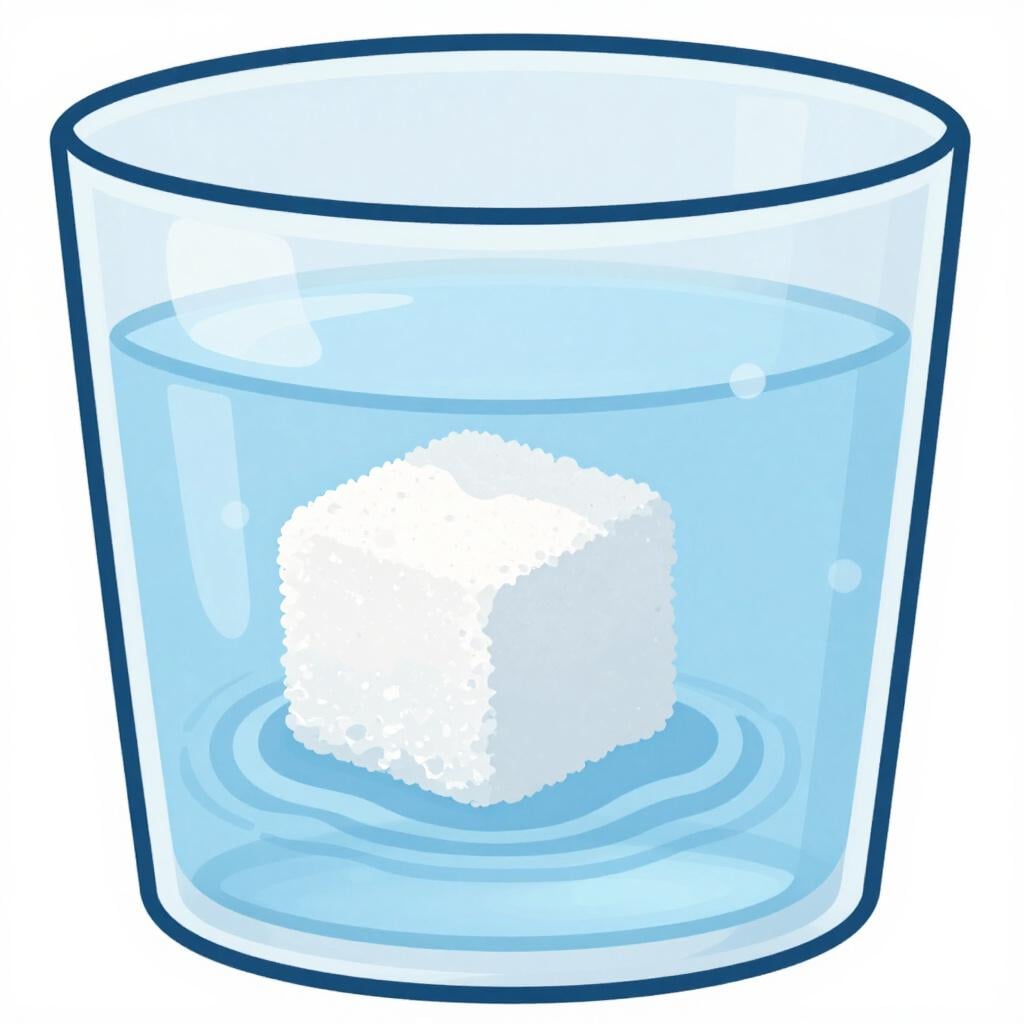
📝 In Action
Tienes que disolver el azúcar en el café caliente.
A2You have to dissolve the sugar in the hot coffee.
La sal se disuelve rápidamente en el agua.
B1The salt dissolves quickly in the water.
Es difícil disolver esta pintura con agua sola.
B1It is difficult to dissolve this paint with just water.
to disband, to dissolve
Also: to break up
📝 In Action
El gobierno decidió disolver el congreso.
B2The government decided to dissolve the congress.
La policía tuvo que disolver la manifestación.
B2The police had to break up the protest.
Han decidido disolver su sociedad empresarial.
C1They have decided to dissolve their business partnership.
Subjunctive
Imperfect Subjunctive
Present Subjunctive
Indicative
Preterite
Imperfect
Present
Translate to Spanish
✏️ Quick Practice
Quick Quiz: disolver
Question 1 of 3
How do you say 'I dissolve' in the present tense?
📚 More Resources
👥 Word Family▼
📚 Etymology▼
From the Latin word 'dissolvere', which combined 'dis-' (apart) and 'solvere' (to loosen or untie). It literally means to loosen something until it falls apart.
First recorded: 13th century
Cognates (Related words)
💡 Master Spanish
Take your Spanish to the next level. Read 200+ illustrated and narrated Spanish stories tailored to your level with the Inklingo app!
Frequently Asked Questions
Does 'disolver' mean the same thing as 'derretir'?
Not quite. 'Derretir' means to melt (like ice turning to water due to heat). 'Disolver' means to mix a solid into a liquid until it disappears (like sugar in water).
Is 'disolver' a regular verb?
No, it's irregular. It changes its stem (o to ue) in the present tense and has an irregular past participle (disuelto).
Can I use 'disolver' for a breakup between a couple?
You can use it for a marriage (disolver un matrimonio), but for a normal dating relationship, 'romper' or 'separarse' is much more common.