How to Say "to dilute" in Spanish
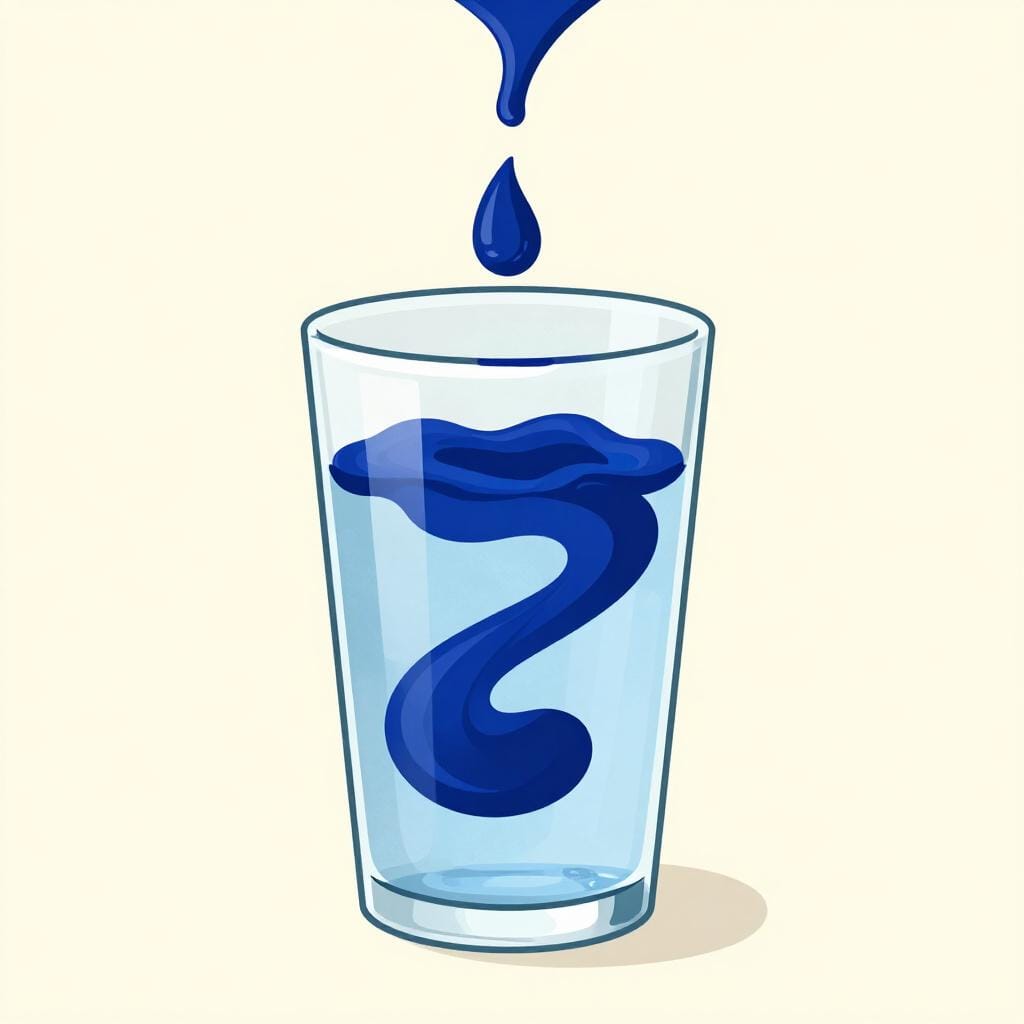
The most common Spanish word for “to dilute” is “diluir” — use 'diluir' when you are making a liquid thinner or weaker by adding another liquid, like water or another solvent, to it.
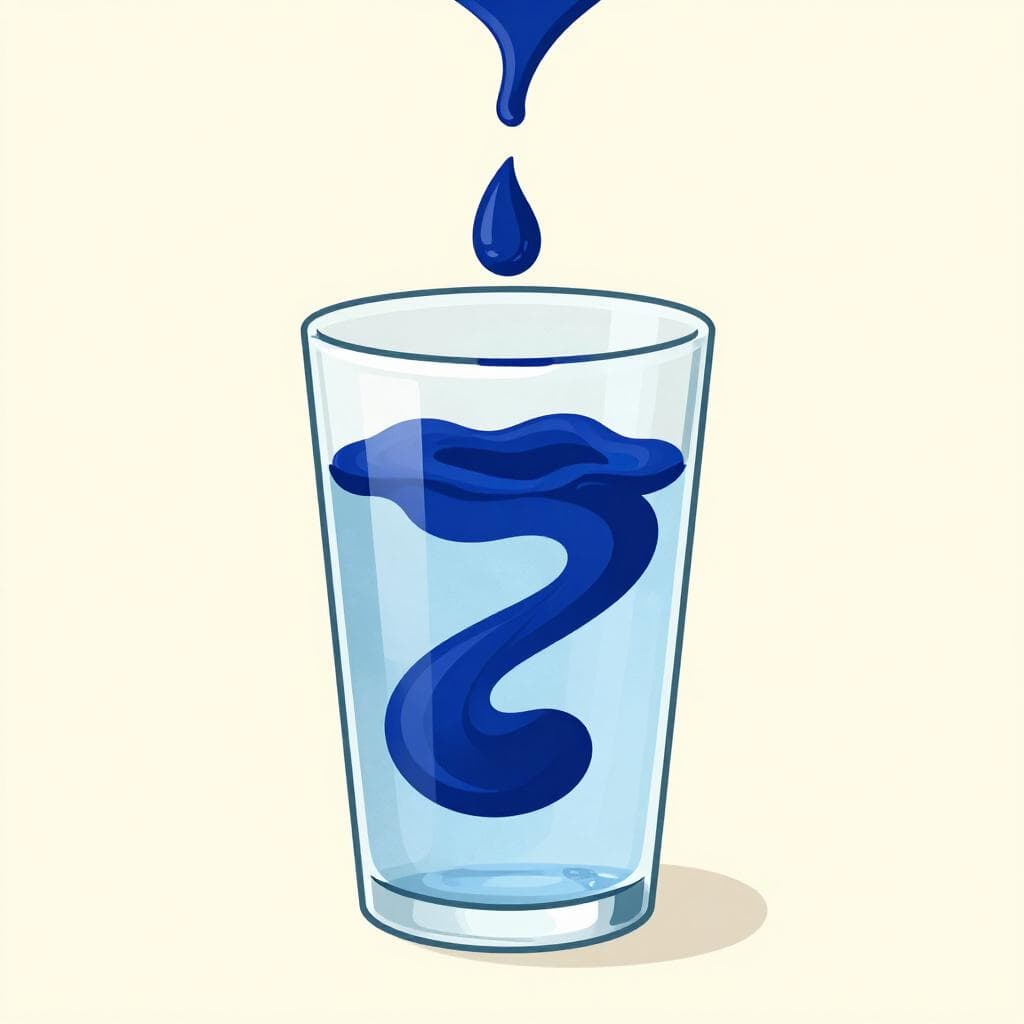
Use 'diluir' when you are making a liquid thinner or weaker by adding another liquid, like water or another solvent, to it.
Learn more →
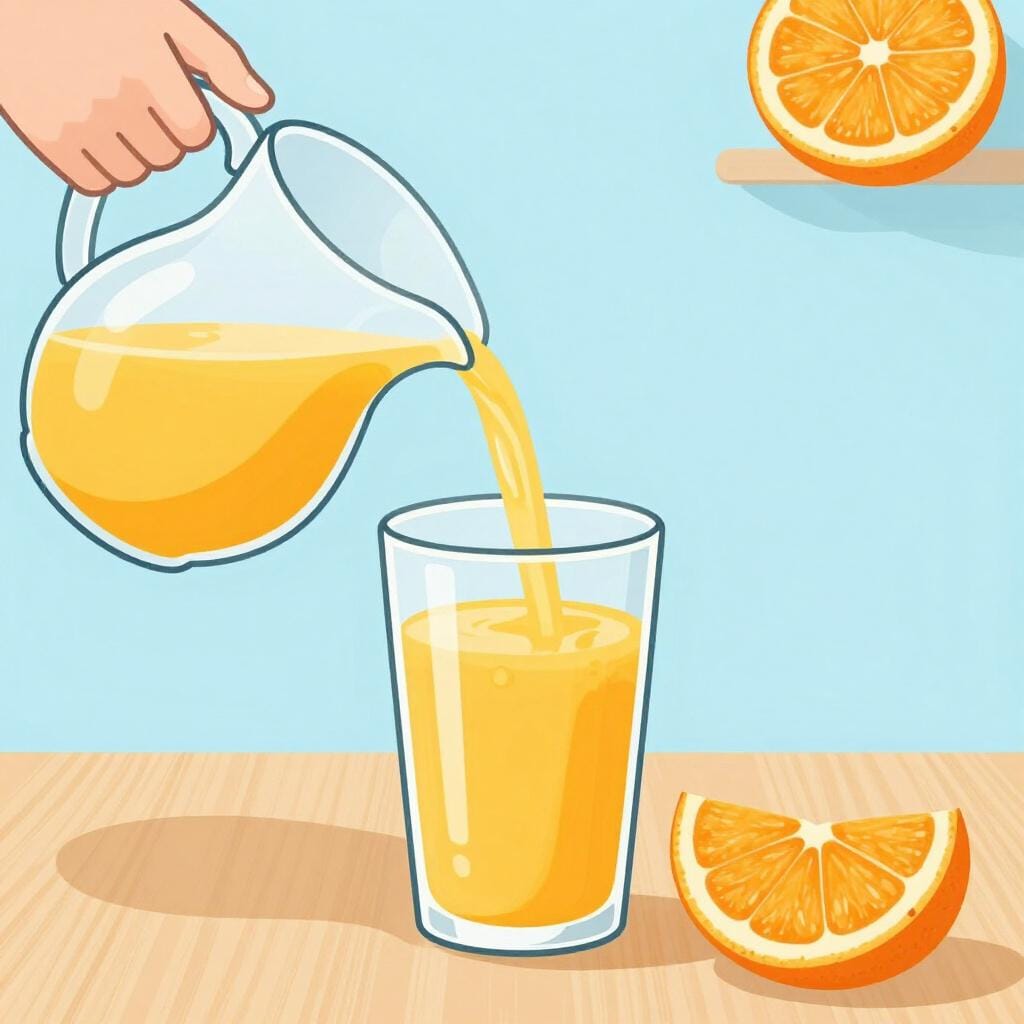
Choose 'rebajar' specifically when thinning liquids like paint or sometimes alcoholic beverages by adding water.
Learn more →
Use 'debilitar' when the meaning is to make something less strong or intense, which can apply to physical substances like light or abstract concepts like an argument.
Learn more →
Employ 'bautizar' informally and specifically when referring to adding water to alcoholic beverages like wine or milk, implying it's been watered down.
Learn more →dee-loo-eerdi.ˈlwir
Examples
Tienes que diluir el jugo con un poco de agua.
You have to dilute the juice with a little bit of water.
Diluye la pintura azul antes de aplicarla en el lienzo.
Thin out the blue paint before applying it to the canvas.
Es importante diluir el desinfectante para no dañar las superficies.
It is important to dilute the disinfectant so as not to damage the surfaces.
The 'Y' Rule
For verbs ending in -uir, whenever the ending starts with an 'o', 'e', or 'a', you must add a 'y'. This helps the word sound smoother.
Using 'con'
Just like in English we dilute something 'with' water, in Spanish we use 'con': 'Diluir con agua'.
Missing the 'Y'
Mistake: “Yo diluo el café.”
Correction: Yo diluyo el café. (Remember to add the 'y' in the present tense for all forms except 'we' and 'you all'.)
re-ba-HARreβaˈxaɾ
Examples
Tienes que rebajar la pintura con un poco de agua.
You have to thin the paint with a bit of water.
El zumo está muy fuerte, voy a rebajarlo.
The juice is very strong, I'm going to dilute it.
Using 'Con'
When explaining what you are using to dilute something, always use the word 'con' (with), as in 'rebajar con alcohol'.
deh-bee-lee-tahrdeβiliˈtaɾ

Examples
Las nubes debilitaron la luz del sol.
The clouds diminished the sunlight.
La falta de inversión está debilitando el sistema educativo.
The lack of investment is weakening the educational system.
Cause and Effect
When used for systems or light, the subject is usually the cause (the clouds, the lack of money).
bau-tee-sarbau̯tiˈθaɾ
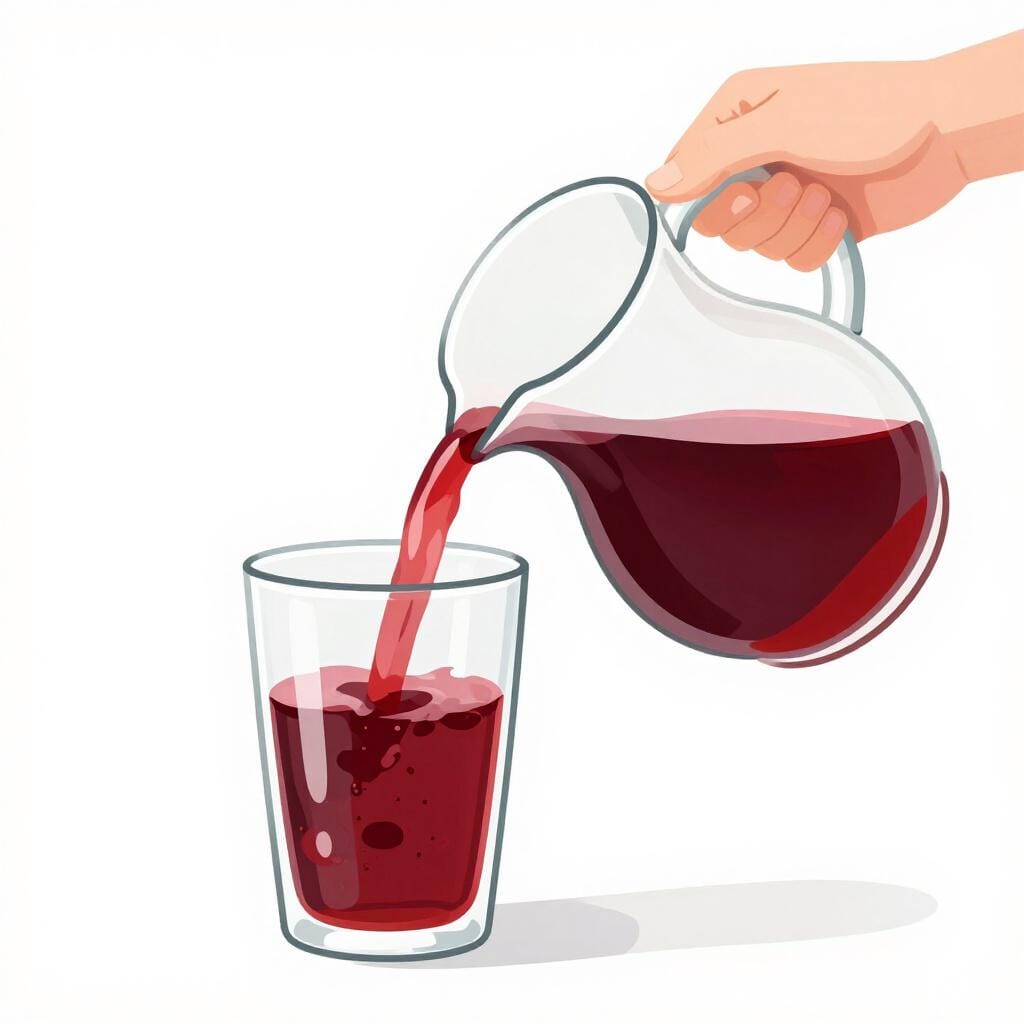
Examples
Este vino está bautizado; casi no sabe a uva.
This wine is watered down; it hardly tastes like grapes.
Passive Adjectives
When used as an adjective (bautizado/bautizada), it must match the gender of the drink. 'Vino bautizado' (masculine) vs 'Leche bautizada' (feminine).
Diluir vs. Rebajar
Learners often confuse 'diluir' and 'rebajar'. While both can mean to thin a liquid with water, 'diluir' is more general, whereas 'rebajar' is often used for specific items like paint or sometimes alcohol, implying a reduction in concentration or quality.
Related Translations
Learn Spanish with Inklingo
Interactive stories, personalized learning, and more.