bautizar
“bautizar” means “to baptize” in Spanish. It has 2 different meanings depending on context:

to baptize
Also: to christen, to name
📝 In Action
Mañana van a bautizar a mi sobrino.
A1Tomorrow they are going to baptize my nephew.
Sus amigos lo bautizaron como 'El Flaco'.
B1His friends nicknamed him 'The Skinny One'.
El capitán bautizó el barco con una botella de champán.
B2The captain christened the ship with a bottle of champagne.
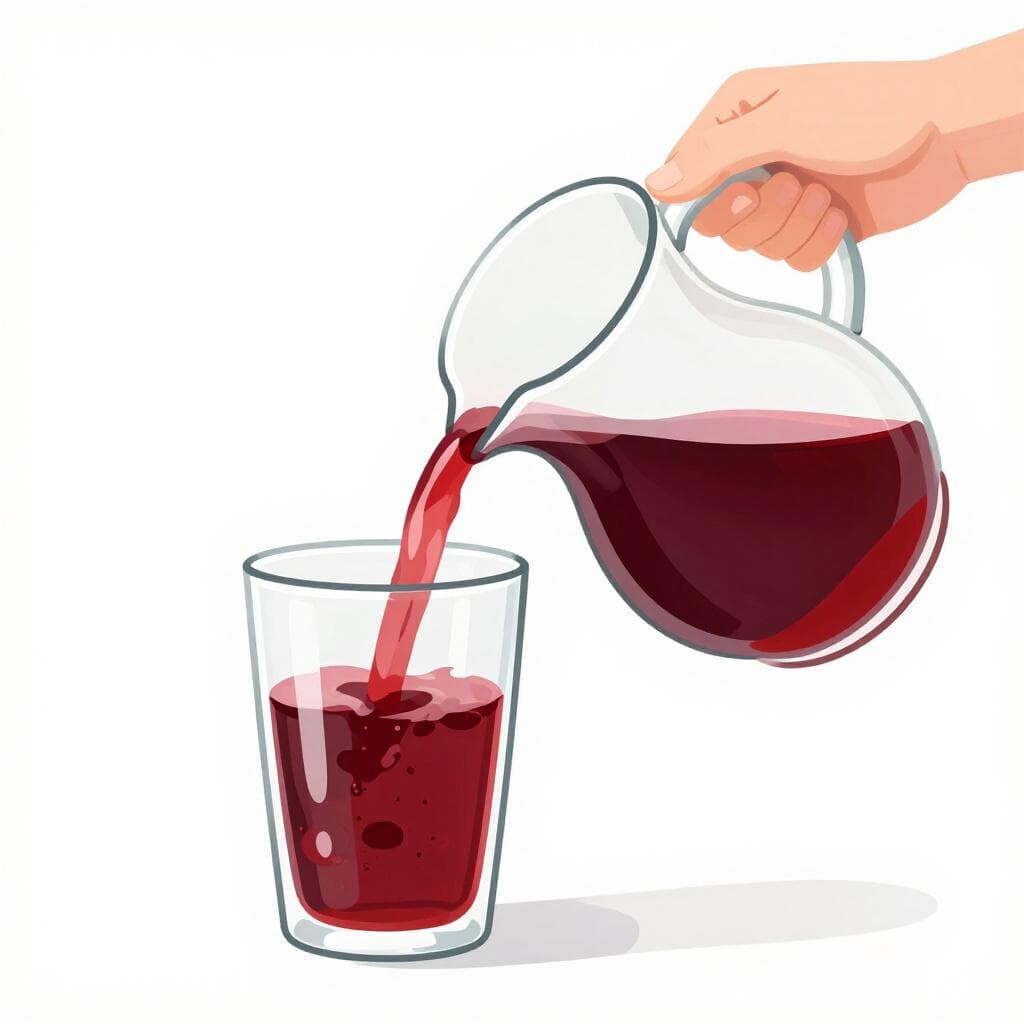
to water down
Also: to dilute
📝 In Action
Este vino está bautizado; casi no sabe a uva.
C1This wine is watered down; it hardly tastes like grapes.
Subjunctive
Imperfect Subjunctive
Present Subjunctive
Indicative
Preterite
Imperfect
Present
Translate to Spanish
✏️ Quick Practice
Quick Quiz: bautizar
Question 1 of 3
Which is the correct 'yo' form for the past tense of bautizar?
📚 More Resources
👥 Word Family▼
📚 Etymology▼
From the Latin word 'baptizare', which comes from the Greek 'baptizein', meaning 'to dip' or 'to immerse in water'.
First recorded: 12th century
Cognates (Related words)
💡 Master Spanish
Take your Spanish to the next level. Read 200+ illustrated and narrated Spanish stories tailored to your level with the Inklingo app!
Frequently Asked Questions
What is the difference between 'bautismo' and 'bautizo'?
'Bautismo' usually refers to the religious sacrament itself, while 'bautizo' refers to the specific ceremony or the celebration party.
Is 'bautizar' only for babies?
No, while commonly used for infants, it can be used for adults in a religious context, or for objects (like ships) and nicknames at any time.
Is 'bautizar' a regular verb?
Almost! It follows regular -ar patterns, but it has a minor spelling change where 'z' becomes 'c' before the letter 'e' (like in 'bauticé' or 'bautice').