How to Say "to untie" in Spanish
The most common Spanish word for “to untie” is “desatar” — use 'desatar' when referring to untying knots, strings, laces, or anything that is tied or bound in a typical knot.

Use 'desatar' when referring to untying knots, strings, laces, or anything that is tied or bound in a typical knot.
Learn more →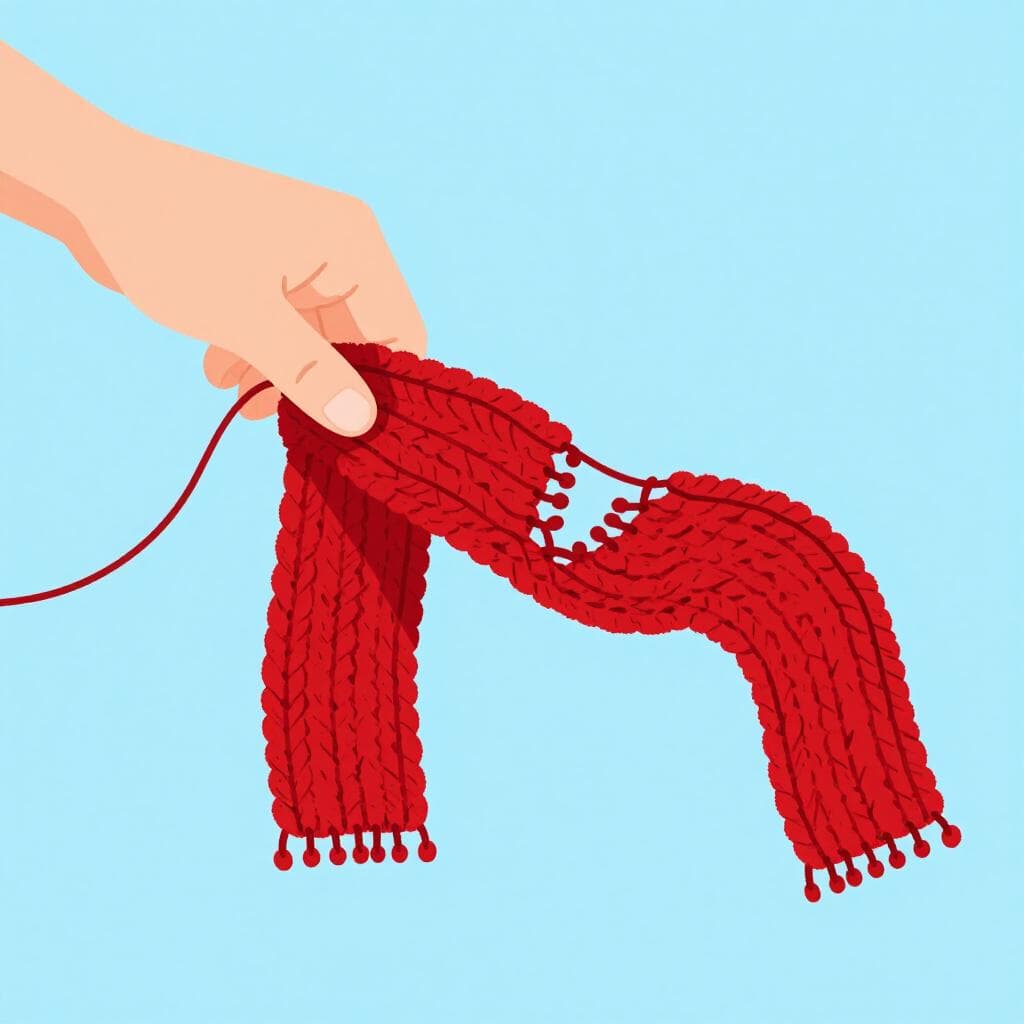
Use 'deshacer' primarily when referring to the act of undoing or dismantling something that has been put together or tied, like a knot in a more abstract sense, or unpacking a suitcase.
Learn more →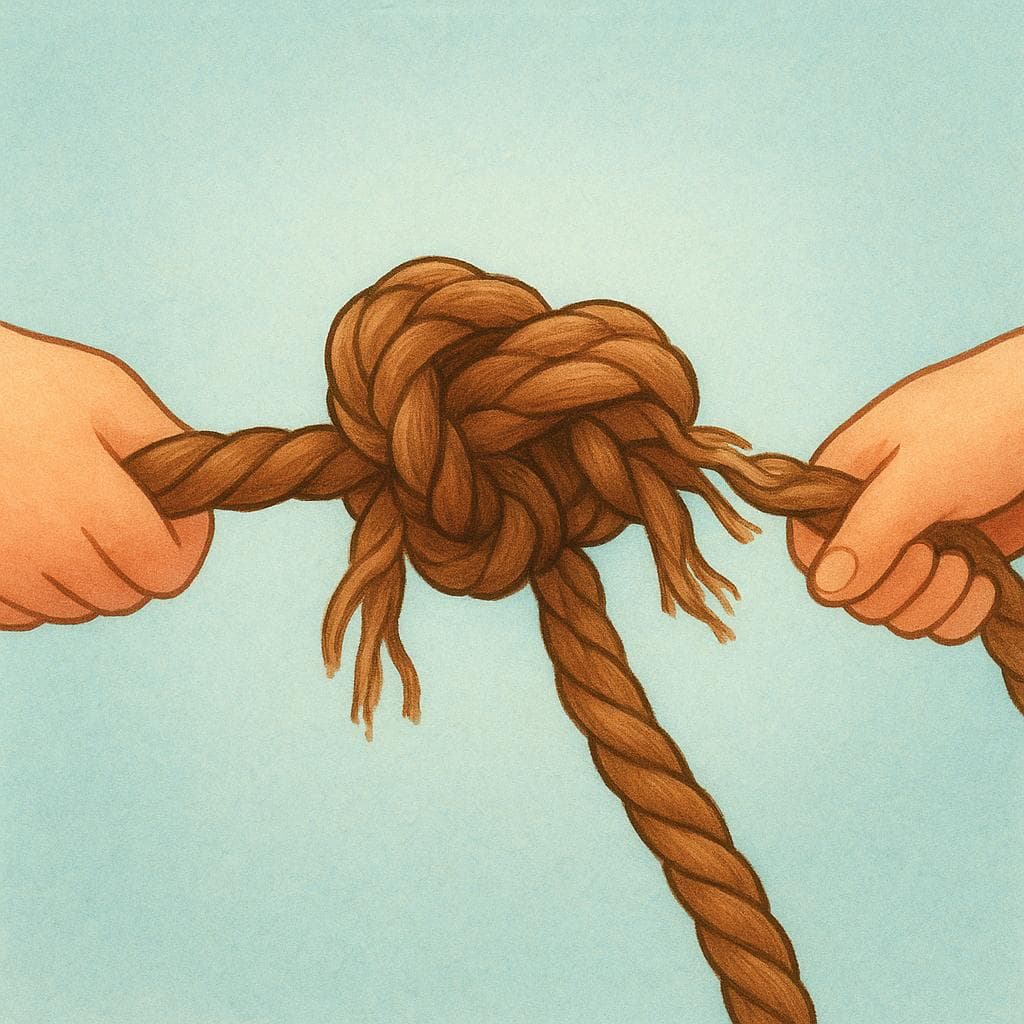
Use 'soltar' when you need to loosen or release something that is tied, bound, or tightened, such as a knot, a binding, or even a nut.
Learn more →deh-sah-tahrdesaˈtaɾ

Examples
Por favor, desata los cordones de tus zapatos.
Please, untie your shoelaces.
No puedo desatar este nudo porque está muy apretado.
I can't untie this knot because it is very tight.
Ella desató el paquete con mucho cuidado.
She unfastened the package very carefully.
The 'Des-' Prefix
In Spanish, adding 'des-' to the start of many verbs acts like 'un-' in English, meaning the opposite of the original action (atar = tie, desatar = untie).
Using 'Desatar' with Objects
This is a transitive verb, which means you usually need to say what you are untying right after the verb.
Using 'Abrir' for Shoes
Mistake: “Voy a abrir mis zapatos.”
Correction: Voy a desatar mis zapatos. We 'open' doors, but we 'untie' shoes and knots.
des-ah-SEHRdesaˈθeɾ
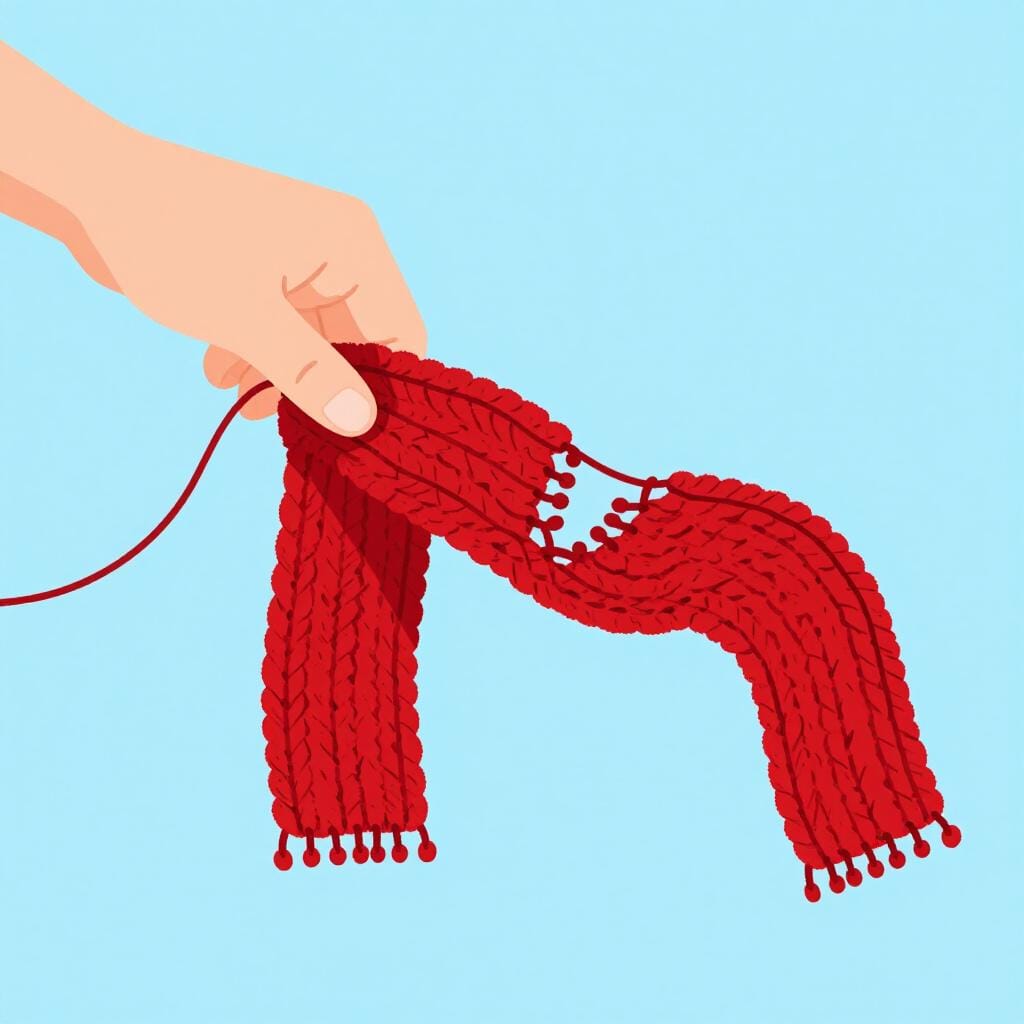
Examples
Tengo que deshacer la maleta después del viaje.
I have to unpack the suitcase after the trip.
No puedo deshacer este nudo.
I can't undo this knot.
The 'Hacer' Connection
This word works exactly like 'hacer'. If you know 'yo hago', then you know 'yo deshago'. If you know 'él hizo', you know 'él deshizo'.
Watch the 'I' in the Past
Mistake: “Yo deshací.”
Correction: Say 'Yo deshice'. Like the word 'hacer', the past tense forms use an 'i' instead of an 'a'.
sohl-TAHRsolˈtaɾ
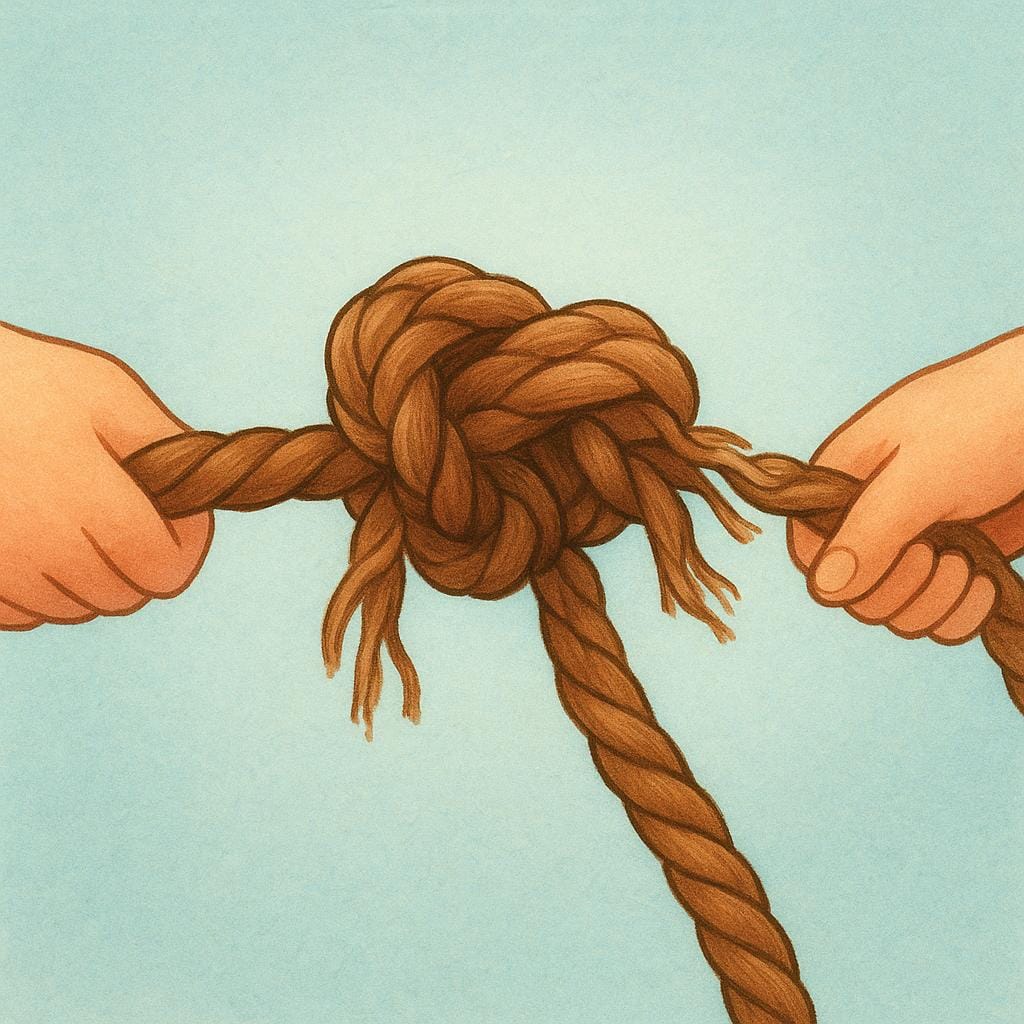
Examples
Necesitas soltar la tuerca un poco para que encaje.
You need to loosen the nut a bit so it fits.
Cuando llueve mucho, la presa suelta el exceso de agua.
When it rains a lot, the dam discharges the excess water.
Desatar vs. Deshacer vs. Soltar
Learners often confuse 'desatar' and 'deshacer' for knots. 'Desatar' is the most direct translation for physically untying a knot or laces, while 'deshacer' can also mean to undo or dismantle something, including a knot, but is broader.
Related Translations
Learn Spanish with Inklingo
Interactive stories, personalized learning, and more.