How to Say "to discharge" in Spanish
The most common Spanish word for “to discharge” is “descargar” — use 'descargar' when referring to a device running out of battery power or a chemical substance being released from a source.
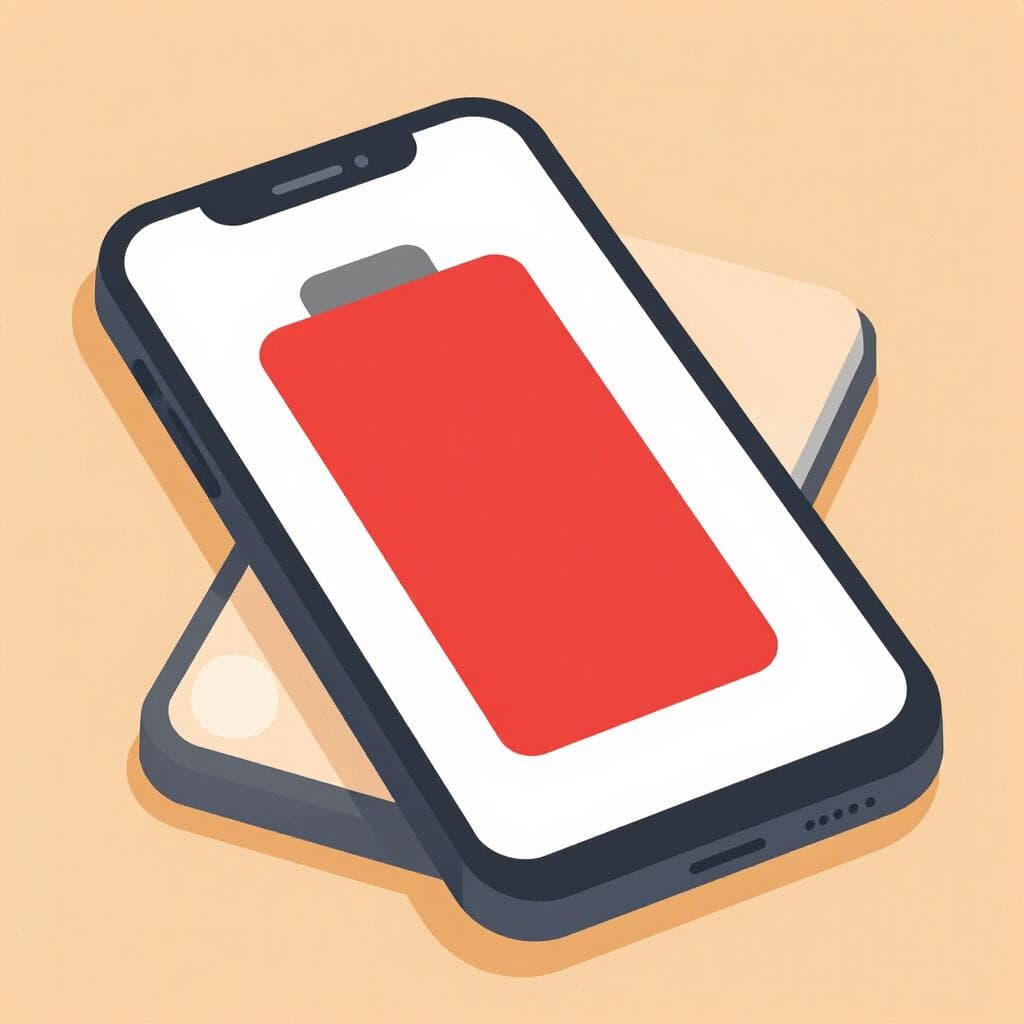
Use 'descargar' when referring to a device running out of battery power or a chemical substance being released from a source.
Learn more →
Choose 'liberar' when talking about releasing something controlled, like energy, chemicals, or information, often implying a formal release or letting go.
Learn more →
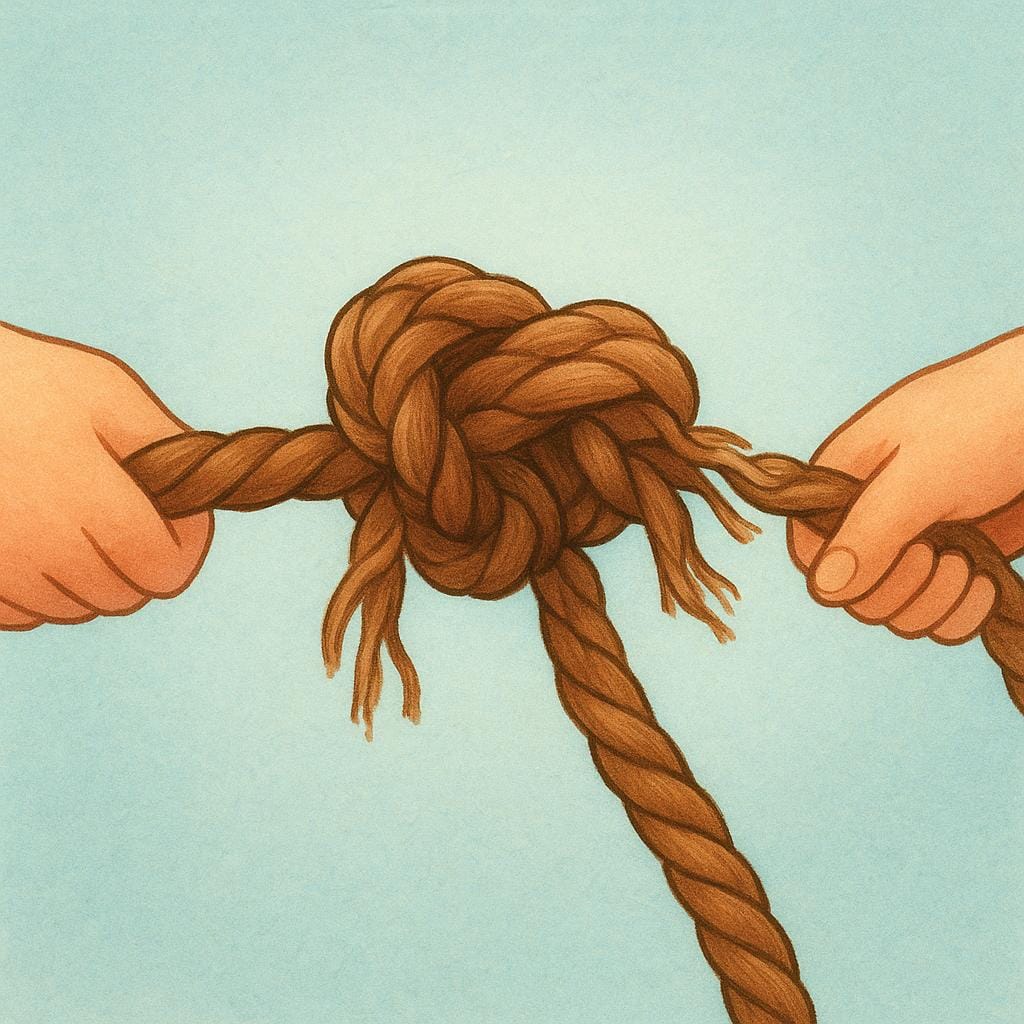
Use 'soltar' when referring to the physical act of releasing or loosening something, especially liquids or mechanical parts like a screw or valve.
Learn more →dehs-kar-GAHRdeskaɾˈɣaɾ

Examples
Se me descargó el celular y no tengo cargador.
My phone died (ran out of battery) and I don't have a charger.
La batería se descarga muy rápido si usas el GPS.
The battery drains very fast if you use the GPS.
No dejes que el portátil se descargue por completo.
Don't let the laptop run out of battery completely.
The 'Accidental' Se
We often say 'Se me descargó el teléfono'. This uses a special 'accidental' structure to show that the phone died on its own, and you didn't mean for it to happen!
Saying 'My phone is dead'
Mistake: “Mi teléfono está muerto.”
Correction: Mi teléfono se descargó or mi teléfono no tiene batería. While people might understand you, using 'descargarse' is much more natural.
lee-beh-RAHRliβeˈɾaɾ
Examples
La farmacéutica liberó los resultados de los ensayos clínicos.
The pharmaceutical company released the results of the clinical trials.
El volcán liberó una gran cantidad de ceniza a la atmósfera.
The volcano released a large amount of ash into the atmosphere.
Por fin van a liberar la nueva versión del juego.
They are finally going to release the new version of the game.
Using the Future Tense
When talking about planned releases (products, movies), the simple future tense ('liberará') or the immediate future ('va a liberar') are both very common.
sohl-TAHRsolˈtaɾ
Examples
Necesitas soltar la tuerca un poco para que encaje.
You need to loosen the nut a bit so it fits.
Cuando llueve mucho, la presa suelta el exceso de agua.
When it rains a lot, the dam discharges the excess water.
Confusing 'descargar' with 'soltar'
Learners often confuse 'descargar' (for batteries/chemicals) with 'soltar' (for liquids/physical loosening). Remember, 'descargar' is about depletion or release from a system, while 'soltar' is about physically letting go or loosening.
Related Translations
Learn Spanish with Inklingo
Interactive stories, personalized learning, and more.