How to Say "to release" in Spanish
The most common Spanish word for “to release” is “soltar” — use 'soltar' when you are physically letting something go, allowing it to move freely, or setting a captive free.
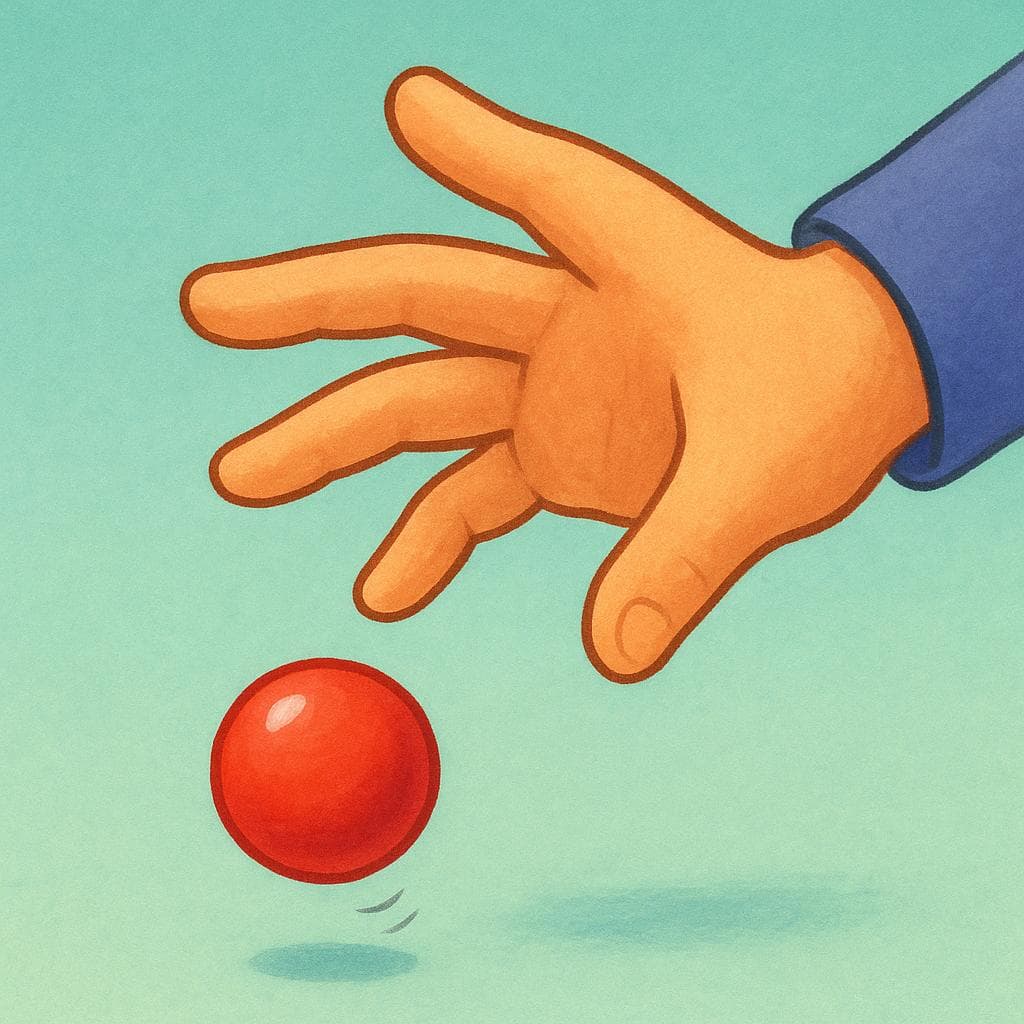






soltar
sohl-TAHRsolˈtaɾ

Examples
Solté el globo por accidente y voló muy alto.
I accidentally let go of the balloon and it flew very high.
El policía soltó al detenido porque no había pruebas.
The police officer released the detainee because there was no evidence.
Stem-Change Alert
In the present tense, the 'o' in the root changes to 'ue' (soltar -> suelto), except for the 'nosotros' and 'vosotros' forms.
Confusing Physical vs. Emotional Release
Mistake: “Using 'dejar' when you mean 'soltar' (physical grip).”
Correction: 'Dejar' means 'to leave' or 'to allow.' Use 'soltar' for dropping or releasing a physical object.
liberar
lee-beh-RAHRliβeˈɾaɾ

Examples
El juez ordenó liberar al acusado por falta de pruebas.
The judge ordered the accused to be freed due to lack of evidence.
Quiero liberar a mi perro de la correa para que corra.
I want to free my dog from the leash so he can run.
La organización trabaja para liberar a los animales de granjas industriales.
The organization works to free animals from factory farms.
La farmacéutica liberó los resultados de los ensayos clínicos.
The pharmaceutical company released the results of the clinical trials.
Regular -AR Verb
Like many common Spanish verbs, 'liberar' follows the standard pattern for verbs ending in -ar. Just remove the '-ar' and add the standard endings for the tense you need.
Using the Future Tense
When talking about planned releases (products, movies), the simple future tense ('liberará') or the immediate future ('va a liberar') are both very common.
Confusing 'liberar' and 'dejar'
Mistake: “Usar 'dejar' cuando se refiere a liberar de una atadura o prisión (e.g., 'Dejé al prisionero').”
Correction: Use 'liberar' when the action involves setting someone or something completely free from constraint or capture. Use 'dejar' when you mean 'to leave' or 'to allow.'
descargar
dehs-kar-GAHRdeskaɾˈɣaɾ

Examples
Necesitaba descargar mi frustración con alguien.
I needed to vent my frustration to someone.
Llorar es una buena forma de descargar la tensión.
Crying is a good way to release tension.
No descargues tu rabia conmigo, yo no hice nada.
Don't take your anger out on me, I didn't do anything.
estrenar
es-tre-NARestɾeˈnaɾ

Examples
La nueva película de Marvel se estrena este viernes.
The new Marvel movie premieres this Friday.
El teatro va a estrenar una obra clásica el próximo mes.
The theater is going to premiere a classic play next month.
Using 'se' with premieres
When a movie premieres, we often say 'se estrena' (it premieres itself) because the movie is the thing being shown for the first time.
publicar
poo-blee-KAHRpubliˈkaɾ

Examples
El autor publicó su novela el año pasado.
The author published his novel last year.
La revista publica artículos científicos cada mes.
The magazine publishes scientific articles every month.
largar
lar-GARlarˈɣar

Examples
Larga un poco más de cuerda para que el barco pueda moverse.
Let out a little more rope so the boat can move.
Tuvieron que largar los cabos rápidamente.
They had to release the lines quickly.
No largues el hilo todavía.
Don't let out the string yet.
The 'G' to 'GU' Swap
When 'g' meets 'e', it changes its sound. To keep the hard 'g' sound in words like 'largué', we add a silent 'u' before the 'e'.
Missing the 'u'
Mistake: “Yo largé la cuerda.”
Correction: Yo largué la cuerda. You need the 'u' to keep the 'g' sounding hard like in 'guitar'.
relevar
rreh-leh-BAHRreleˈβar

Examples
El juez lo relevó de su promesa de confidencialidad.
The judge released him from his promise of confidentiality.
Quedas relevado de toda responsabilidad en este asunto.
You are exempt from all responsibility in this matter.
The preposition 'de'
When using this word to mean 'to exempt,' you must use the word 'de' before the duty or responsibility you are being freed from.
Soltar vs. Liberar
Related Translations
Learn Spanish with Inklingo
Interactive stories, personalized learning, and more.