How to Say "to unfasten" in Spanish
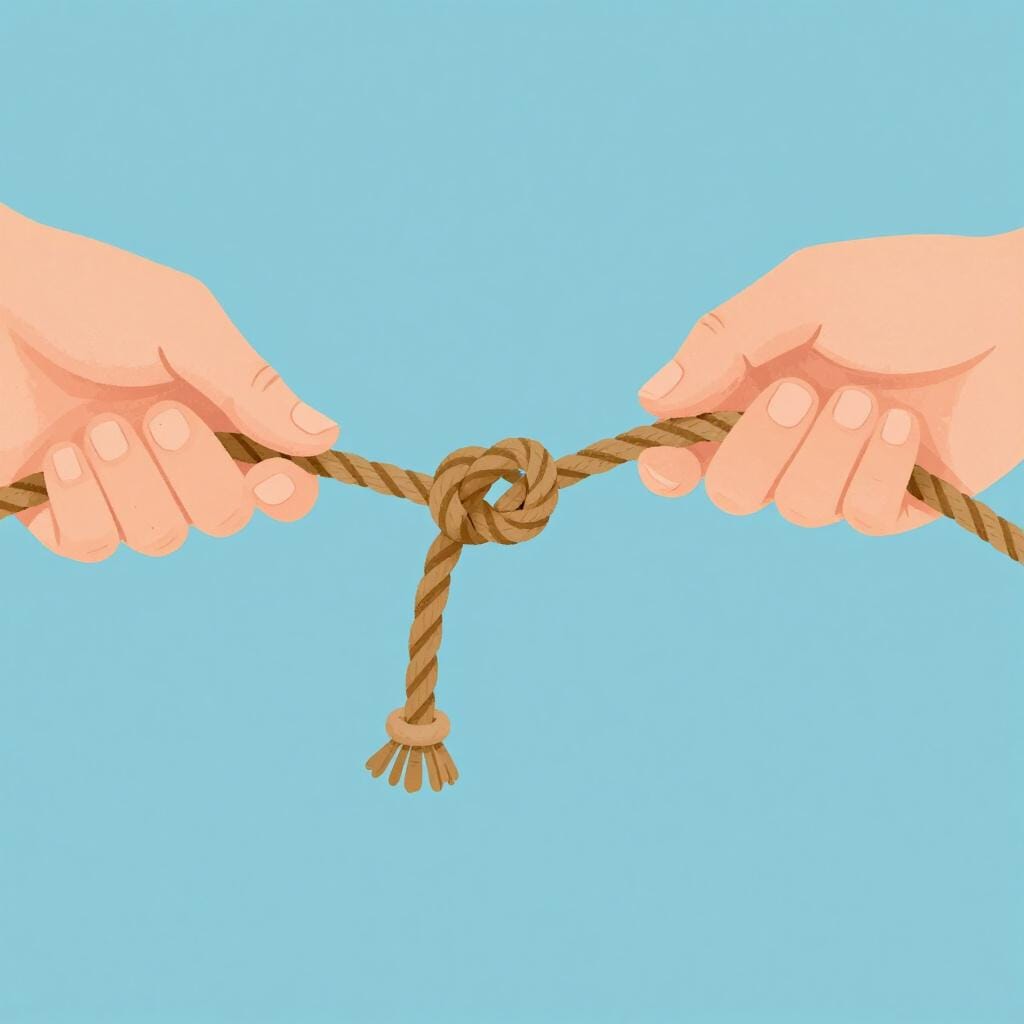
The most common Spanish word for “to unfasten” is “desatar” — use 'desatar' when unfastening something that is tied, like knots, ropes, or shoelaces.

Use 'desatar' when unfastening something that is tied, like knots, ropes, or shoelaces.
Learn more →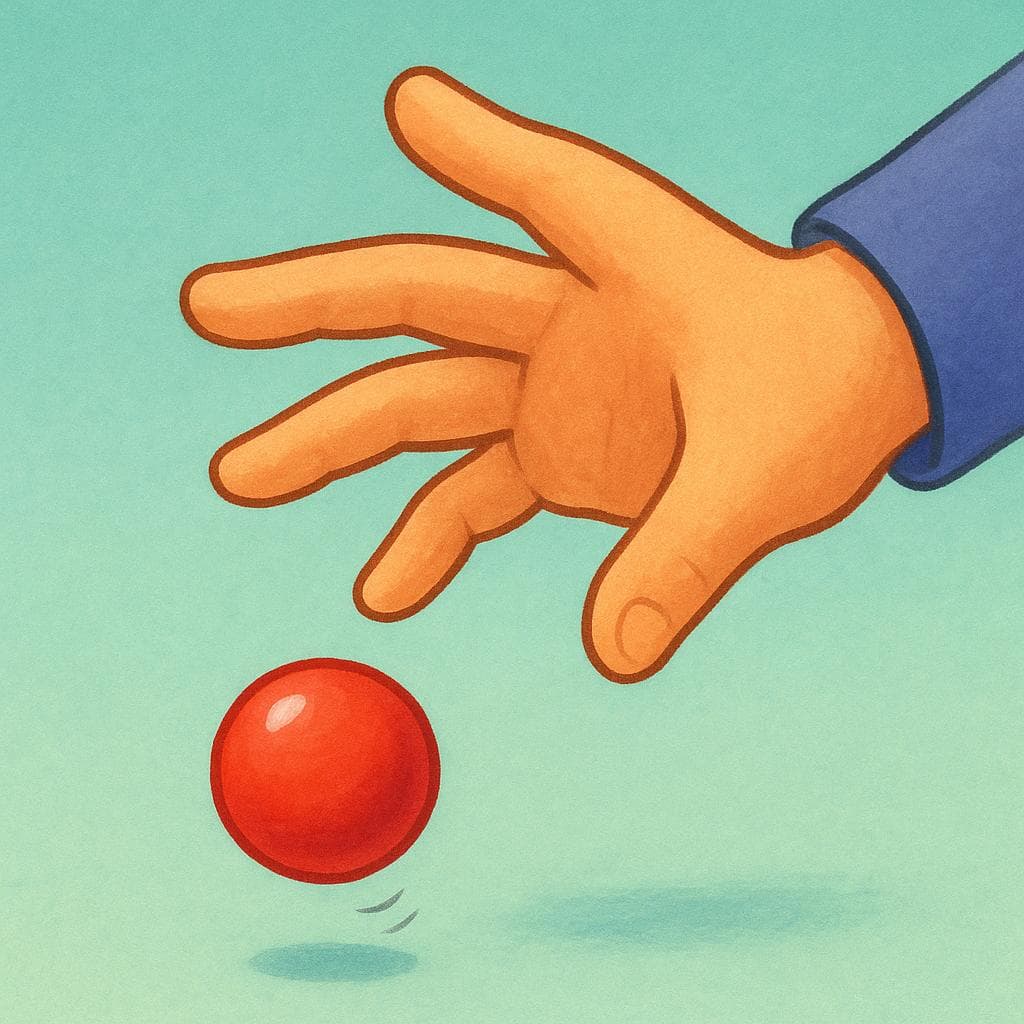
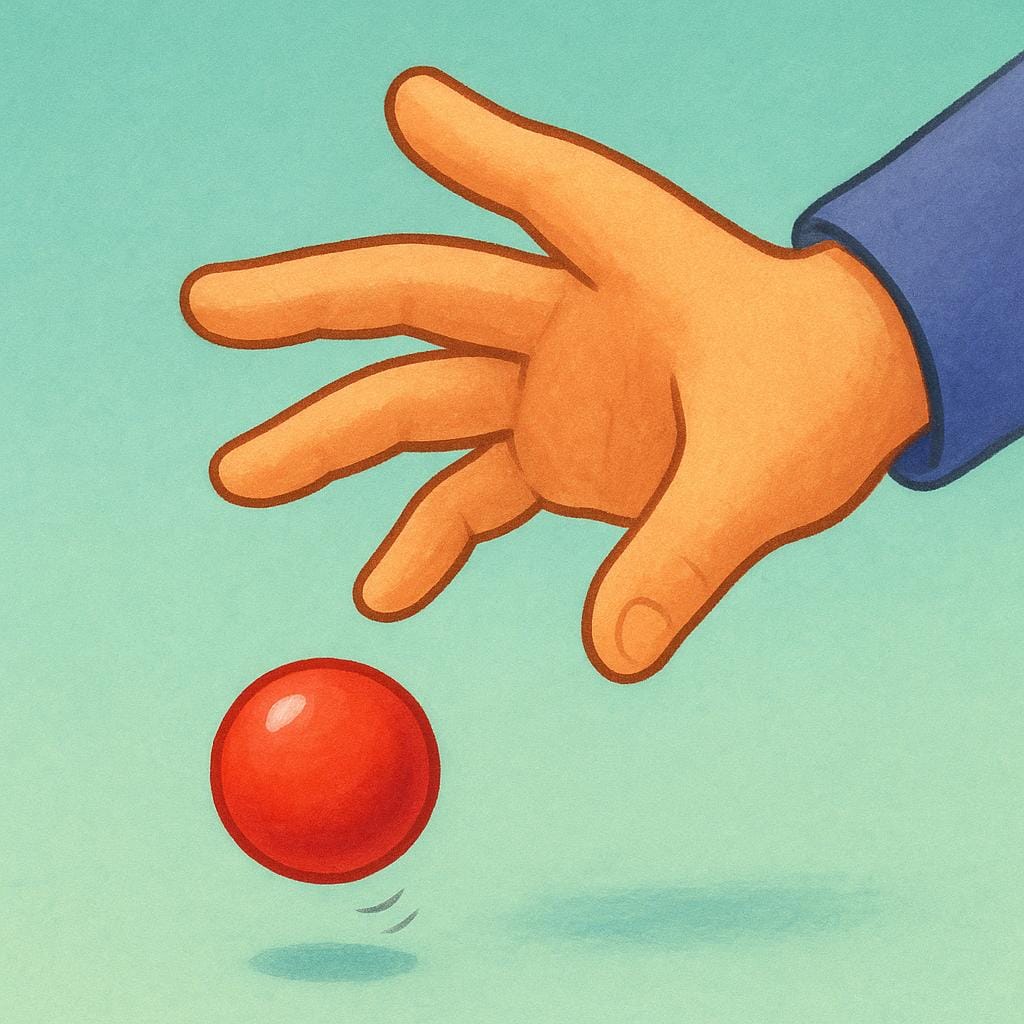
Use 'soltar' when releasing something, such as unbuckling a seatbelt or letting go of a balloon.
Learn more →
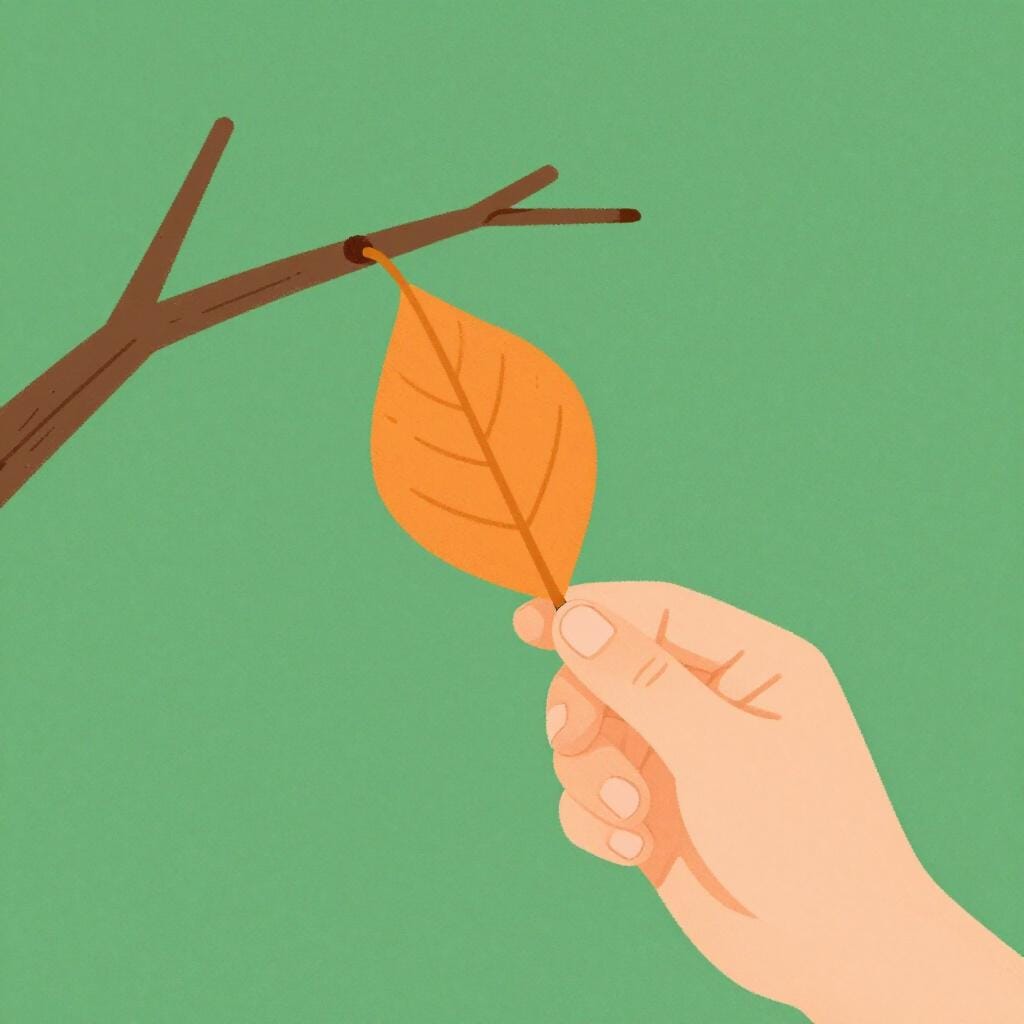
Use 'desprender' when detaching or removing something that is attached, like a label or a sticker.
Learn more →deh-sah-tahrdesaˈtaɾ
Examples
Por favor, desata los cordones de tus zapatos.
Please, untie your shoelaces.
No puedo desatar este nudo porque está muy apretado.
I can't untie this knot because it is very tight.
Ella desató el paquete con mucho cuidado.
She unfastened the package very carefully.
The 'Des-' Prefix
In Spanish, adding 'des-' to the start of many verbs acts like 'un-' in English, meaning the opposite of the original action (atar = tie, desatar = untie).
Using 'Desatar' with Objects
This is a transitive verb, which means you usually need to say what you are untying right after the verb.
Using 'Abrir' for Shoes
Mistake: “Voy a abrir mis zapatos.”
Correction: Voy a desatar mis zapatos. We 'open' doors, but we 'untie' shoes and knots.
sohl-TAHRsolˈtaɾ
Examples
Solté el globo por accidente y voló muy alto.
I accidentally let go of the balloon and it flew very high.
El policía soltó al detenido porque no había pruebas.
The police officer released the detainee because there was no evidence.
Stem-Change Alert
In the present tense, the 'o' in the root changes to 'ue' (soltar -> suelto), except for the 'nosotros' and 'vosotros' forms.
Confusing Physical vs. Emotional Release
Mistake: “Using 'dejar' when you mean 'soltar' (physical grip).”
Correction: 'Dejar' means 'to leave' or 'to allow.' Use 'soltar' for dropping or releasing a physical object.
des-pren-DERdespɾenˈdeɾ
Examples
Desprendí la etiqueta de mi camiseta nueva.
I took the tag off my new t-shirt.
Es difícil desprender el pegamento viejo de la mesa.
It is hard to remove the old glue from the table.
Tienes que desprender el cable con mucho cuidado para no romperlo.
You have to detach the cable very carefully so you don't break it.
Using 'Desprender' vs 'Quitar'
Use 'desprender' when something was stuck or joined and you are separating it. 'Quitar' is more general for just 'taking something away.'
Action Flow
This verb describes an action you do to an object. If the object falls off by itself, you'll need the reflexive version 'se desprende'.
Missing the 'se'
Mistake: “La pintura desprende.”
Correction: La pintura se desprende. (Use 'se' when something falls off on its own.)
Tying vs. Detaching vs. Releasing
Learners often confuse 'desatar' (for things tied) with 'desprender' (for things attached). Remember: 'desatar' deals with knots and ties, while 'desprender' is for separating something that's stuck or affixed.
Related Translations
Learn Spanish with Inklingo
Interactive stories, personalized learning, and more.